How Transpiration Affects Cannabis Growth

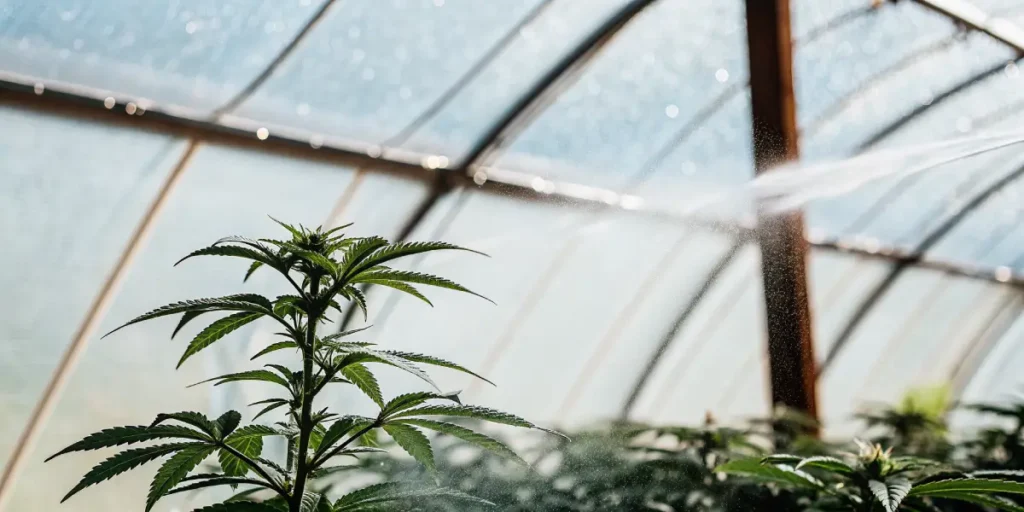
Transpiration is a process where plants lose water vapor through tiny openings in their leaves called stomata. It’s crucial for regulating plant temperature and nutrient uptake. When it comes to cannabis, transpiration can significantly affect growth by influencing how much water and nutrients the plant absorbs.
In cannabis cultivation, knowing transpiration is key to optimizing plant health. The amount of water vapor lost influences how much water the plant needs to take up from the soil. This, in turn, impacts nutrient uptake, since nutrients are absorbed with water. By managing transpiration rates, growers can improve the overall yield and quality of their cannabis crop.
Recommended Strains

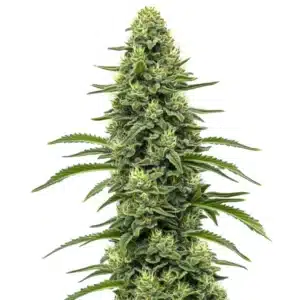
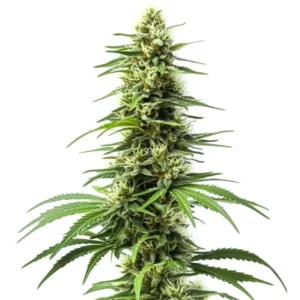
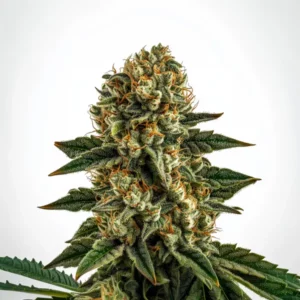
Gelato

|
THC | 27% (High) |

|
Type | Feminized |

|
Yield | High |

|
Phenotype | 50% Indica / 50% Sativa |

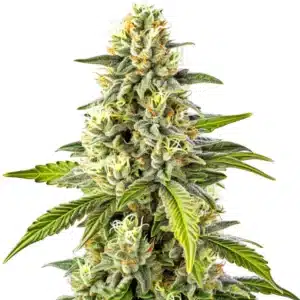
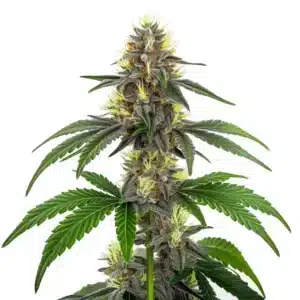
Blue Dream
|
|
THC | 17% - 24% (Medium) |
|
|
Type | Feminized |
|
|
Yield | High |
|
|
Phenotype | 50% Indica / 50% Sativa |
Transpiration also plays a function in the plant’s photosynthesis process. As water vapor exits the leaves, carbon dioxide enters, which is essential for photosynthesis. This intricate balance between water loss and carbon dioxide intake is vital for robust plant development and impacts how well cannabis plants grow. Strains like Blue Dream can particularly benefit from optimal transpiration rates.
The Impact of Transpiration on Cannabis Yield
Transpiration influences how efficiently a cannabis plant can produce energy, directly affecting yield. When transpiration rates are optimal, plants can efficiently absorb nutrients, leading to healthier growth and increased yield. However, too much or too little transpiration can lead to nutrient deficiencies or excesses.
Experienced growers know that maintaining the right environmental conditions is crucial. Temperature, humidity, and air circulation all affect transpiration rates. For instance, higher temperatures increase transpiration, while high humidity can slow it down. By balancing these factors, growers can optimize the conditions for strains like Gelato, ensuring a bountiful harvest.
The impact of transpiration on cannabis yield also involves the plant’s ability to manage stress. When plants experience adverse conditions, such as drought, they may close their stomata to conserve water, thereby reducing transpiration. This can lead to decreased growth rates and lower yields over time. Understanding how transpiration affects cannabis growth can help cultivators make informed decisions about irrigation and other cultivation practices.
Moreover, the impact of transpiration on cannabis yield is interconnected with light exposure. Transpiration rates often increase with greater light intensity, prompting plants to take up more water and nutrients. By adjusting light levels, growers can influence transpiration and, consequently, the overall productivity of their crops. This reinforces the importance of a holistic approach to managing cannabis growth and leaf transpiration rates.
Promos & Deals
Transpiration Effects on Marijuana Plant Development
The development of marijuana plants is closely linked to their transpiration rates. When transpiration is well-regulated, plants develop strong stems and leaves, which are essential for supporting buds. Conversely, poor transpiration can lead to weak growth and stunted plants.
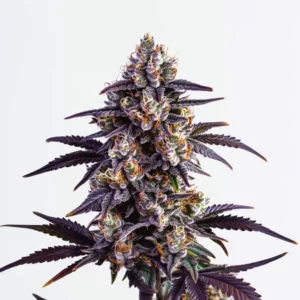
One practical example is the relationship between transpiration and nutrient burn. If transpiration is too low, nutrient uptake might be too high, leading to nutrient burn. Adjusting environmental factors can help mitigate this risk, ensuring healthy development of plants like GG4.
Transpiration effects on marijuana plant development are also evident in their root systems. Effective transpiration encourages strong root growth as the plant seeks to absorb more water to replace what is lost through the leaves. This results in a more robust and resilient plant structure, capable of supporting larger yields and healthier foliage.
Furthermore, transpiration plays a critical role in the plant’s defense mechanisms. By maintaining optimal transpiration rates, marijuana plants can better withstand environmental stresses, such as pest attacks and diseases. This highlights the importance of knowing how transpiration affects cannabis growth and its overall development cycle.
Influence of Transpiration on Cannabis Water Uptake
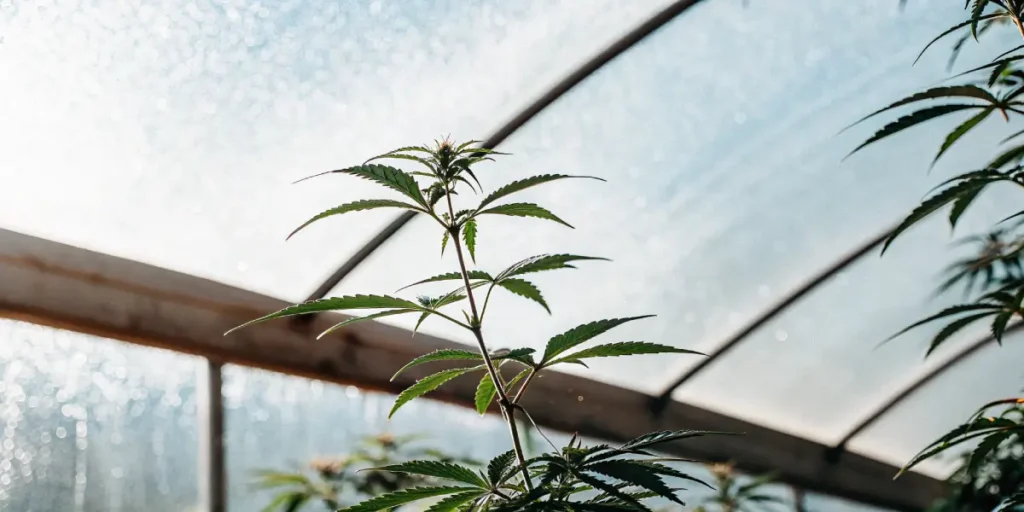
Water uptake in cannabis is directly influenced by transpiration. As water vapor evaporates from the leaves, the plant draws more water from the roots to replace it. This process is vital for transporting nutrients from the soil to the plant tissues.
Managing water uptake is crucial for avoiding root rot, especially in humid environments. By controlling transpiration through environmental conditions, growers can ensure their plants get just the right amount of water, avoiding over or under-watering.
The influence of transpiration on cannabis water uptake is also critical in determining the plant’s overall health. Optimal transpiration ensures a continuous flow of water and nutrients, which is essential for the plant’s metabolic processes. This balance allows cannabis plants to thrive, even in less-than-ideal growing conditions, by maximizing nutrient availability.
Additionally, the influence of transpiration on cannabis water uptake can affect the plant’s ability to cope with temperature fluctuations. Efficient water uptake helps maintain internal temperature stability, preventing heat stress. This is particularly important in indoor grow environments where temperature control can be challenging.
Relationship Between Transpiration and Cannabis Photosynthesis
Photosynthesis in cannabis is deeply connected to transpiration. As plants transpire, they open their stomata to release water vapor, allowing carbon dioxide to enter. This carbon dioxide is essential for photosynthesis, where the plant converts light into energy.
Maintaining the correct balance of transpiration and photosynthesis is crucial. Too much transpiration can lead to water stress, while too little can restrict carbon dioxide intake. By fine-tuning these processes, growers can maximize the photosynthetic efficiency of their plants, leading to healthier growth.
The relationship between transpiration and cannabis photosynthesis is a delicate one, where each process supports the other. As photosynthesis increases the plant’s energy production, it enhances growth and development, which in turn can influence transpiration rates. This cycle underscores the importance of optimizing both processes for the best possible plant health.
Moreover, understanding the relationship between transpiration and cannabis photosynthesis can aid in selecting the right strains for specific growing environments. Different strains may respond uniquely to transpiration and photosynthesis dynamics, allowing growers to choose varieties that will thrive under their specific conditions.

FAQs
What is the ideal transpiration rate for cannabis?
The ideal transpiration rate varies depending on the strain and environmental conditions. Generally, a moderate rate is preferable, allowing efficient nutrient uptake without causing water stress. Adjusting temperature and humidity can help achieve the right balance.
Monitoring plant health and environmental conditions will provide clues about whether the transpiration rate is appropriate. If plants show signs of nutrient deficiencies or excesses, it might be necessary to adjust the growing environment to optimize transpiration.
The ideal transpiration rate for cannabis also depends on the plant’s growth stage. During the vegetative stage, higher transpiration rates may be beneficial for promoting vigorous growth, while a slightly lower rate can be advantageous during flowering to maintain bud quality.
Besides, using technology such as automated climate control systems can assist growers in maintaining the ideal transpiration rate. These systems allow for precise adjustments to temperature and humidity, ensuring that the growing environment remains conducive to healthy cannabis growth.
How does humidity affect cannabis transpiration?
Humidity directly impacts transpiration rates. High humidity levels can slow down transpiration, while low humidity can accelerate it. Managing humidity is essential for maintaining a balanced transpiration rate, ensuring optimal growth conditions.
Using a hygrometer to monitor humidity levels in the grow room can help. Ideally, humidity should be adjusted based on the plant’s growth stage, with lower levels during flowering to prevent mold and mildew.
Knowing how humidity affects cannabis transpiration is crucial for preventing issues such as powdery mildew and other fungal diseases. High humidity can create a favorable environment for these problems, emphasizing the need for proper humidity management.
Additionally, growers can employ techniques such as dehumidifiers and air circulation systems to control humidity levels. These tools help create a stable environment that supports the desired transpiration rates and promotes healthy plant development.
Can transpiration rates affect cannabis flavor?
Yes, transpiration rates can indirectly affect cannabis flavor. Proper nutrient uptake, influenced by transpiration, plays a significant role in developing the plant’s terpene profile, which contributes to flavor and aroma.
Ensuring that plants receive the right nutrients at the right time can enhance the terpene profile, resulting in more flavorful buds. Strains like Blue Dream are known for their distinct flavors and can benefit from optimal transpiration management.
Besides to nutrient uptake, the rate of transpiration can also impact the synthesis of essential oils and resins in cannabis plants. These compounds are integral to the plant’s flavor and aroma, making transpiration management a key factor in producing high-quality buds.
Furthermore, the timing of nutrient application in relation to transpiration rates can be optimized to improve cannabis flavor. By synchronizing nutrient feeding with periods of active transpiration, growers can enhance the development of the plant’s natural flavors.
What environmental factors influence transpiration in cannabis?
Several environmental factors influence transpiration, including temperature, humidity, and air circulation. Each of these factors plays a role in how much water vapor the plant loses through its leaves.
Adjusting these factors can help maintain the right transpiration rate. For example, increasing air circulation can help reduce humidity, while managing temperature can prevent excessive water loss.
Light intensity is another environmental factor that influences transpiration in cannabis. Higher light levels can increase transpiration rates, while lower light levels may reduce them. Growers should consider light management as part of their overall strategy to control transpiration.
Soil moisture content also affects transpiration rates. Ensuring that the soil is neither too dry nor too saturated helps maintain optimal transpiration, supporting healthy cannabis growth and leaf transpiration rates.
How can I improve transpiration rates for better cannabis growth?
Improving transpiration rates involves fine-tuning the growing environment. Ensure that temperature, humidity, and airflow are optimal for the specific cannabis strain you are growing.
Regularly monitor your plants for signs of stress or nutrient imbalances, and adjust environmental conditions as needed. This proactive approach will help achieve better growth and higher yields.
To further improve transpiration rates for better cannabis growth, consider implementing advanced growing techniques such as hydroponics or aeroponics. These methods can offer better control over water and nutrient delivery, enhancing overall plant health.
Additionally, selecting cannabis strains that are well-suited to your local climate can naturally optimize transpiration rates. By choosing strains that thrive in your specific environment, you can reduce the need for extensive climate adjustments and improve overall plant performance.