How to Recover Soil After Allelopathic Damage

Growing cannabis is both an art and a science. One of the challenges you might face is allelopathic damage. This happens when plants release chemicals that hurt other plants. If you’re growing strains like Mimosa XXL Auto or Gorilla x Zkittlez Auto, you need healthy soil. Knowing how to recover soil after allelopathic damage is essential to restoring balance, rebuilding soil health, and ensuring your cannabis plants can thrive again.
Allelopathy can happen in any garden, even yours. It affects the growth and health of your cannabis plants. Knowing how to recover soil after allelopathic damage is key to maintaining a thriving grow room. Let’s explore practical steps to bring your soil back to life.
Recommended Strains
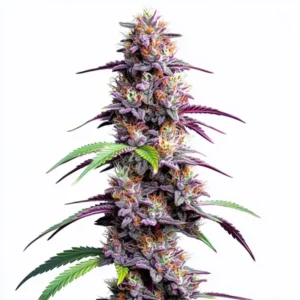
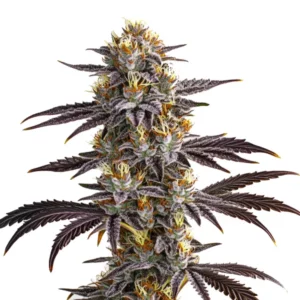
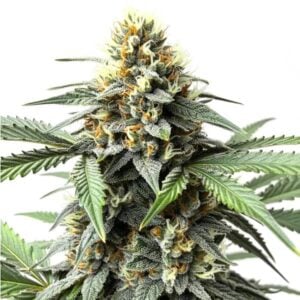
Mimosa XXL Auto

|
THC | 18% - 20% (Medium) |

|
Type | Autoflowering |

|
Yield | Medium |

|
Phenotype | 50% Indica / 50% Sativa |
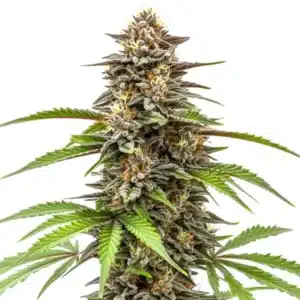
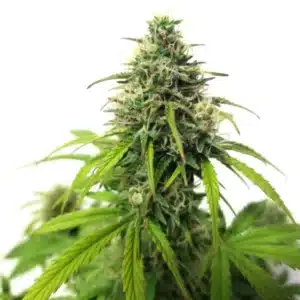
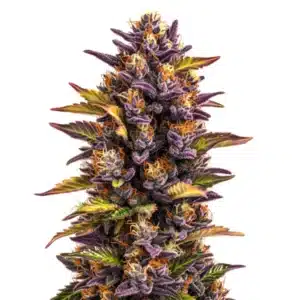
Gorilla x Z OG Auto
|
|
THC | 18% - 20% (Medium) |
|
|
Type | Autoflowering |
|
|
Yield | Medium |
|
|
Phenotype | 65% Indica / 35% Sativa |
Imagine you’re growing Gelato Auto in your backyard. Suddenly, plants start wilting. It might be allelopathy. Don’t worry; we’ll guide you through fixing the soil so your plants can thrive again.
Knowing Allelopathic Damage
Allelopathy is a natural occurrence. Some plants release chemicals from their roots, leaves, or stems that inhibit the growth of nearby plants. This can be problematic in your cannabis garden.
Common Sources of Allelopathic Chemicals
Trees like black walnut are notorious for their allelopathic properties. If you have one nearby, it could affect your cannabis garden. Other plants, including some common weeds, can also release these chemicals.
Even certain cover crops meant to protect the soil can cause allelopathic damage. It’s crucial to identify these sources to effectively repair soil after allelopathy.
Signs of Allelopathic Damage
If your plants show stunted growth or discolored leaves, allelopathy might be to blame. Pay close attention to the health of your cannabis strains like Blueberry Auto. Check for any unexplained changes.
Wilting and poor root development are other signs. These symptoms could indicate the presence of allelopathic chemicals in the soil.
Promos & Deals
Steps to Recover Soil After Allelopathic Damage
Recovering soil is essential for healthy cannabis growth. Follow these steps to rejuvenate your garden and ensure your strains like Do-Si-Dos Auto have the best chance at success.
Remove Allelopathic Plants
First, identify and remove any plants contributing to the allelopathic damage. This might include weeding out problematic species or trimming back tree roots.
Be thorough in this process. Even small amounts of allelopathic material can continue to affect your soil.
Amend the Soil
Adding organic matter is crucial. Compost or well-rotted manure can help dilute the allelopathic chemicals. This creates a more hospitable environment for your cannabis plants.
Consider adding activated charcoal or biochar. These materials can absorb the harmful chemicals and improve soil structure.
Introduce Beneficial Microorganisms
Microorganisms play a vital role in soil health. They help break down allelopathic chemicals and improve nutrient availability. Use compost tea or commercial inoculants to boost your soil’s microbial activity.
Microorganisms can also help with nutrient cycling, making it easier for strains like AK Auto to absorb what they need.
Choosing the Right Cannabis Strain
Some strains are more resilient to allelopathic conditions. Choosing the right ones can make recovery smoother and faster.
Resilient Strains to Consider
Mimosa XXL Auto is known for its robust nature. It’s a great choice if you’re recovering from soil damage. Its strong roots help it thrive even in less-than-perfect conditions.
Another excellent option is Gorilla x Zkittlez Auto. This autoflowering strain is hardy and fast-growing, ideal for testing soil recovery progress.
Experiment with New Strains
While recovering soil, consider experimenting with new strains like Forbidden Runtz Auto. Trying different genetics can provide insights into which plants perform best in your conditions.
Experimentation also keeps your garden diverse, which can naturally enhance resilience against allelopathic damage.
Monitoring and Maintenance
Once you’ve taken steps to repair soil after allelopathy, ongoing monitoring is essential. Regular checks ensure your garden remains healthy and productive.
Regular Soil Testing
Conduct soil tests to monitor pH, nutrient levels, and organic matter content. These tests help you track recovery progress and make informed adjustments.
Testing can also reveal any lingering allelopathic chemicals, allowing you to take action before it affects your cannabis strains.
Consistent Watering and Mulching
Proper watering is crucial. Overwatering or underwatering can stress plants, making them more susceptible to allelopathic effects. Aim for a consistent schedule that keeps the soil moist but not saturated.
Mulching helps retain soil moisture and suppress weeds. It also adds organic matter as it breaks down, further aiding soil recovery.
FAQs about How to recover soil after allelopathic damage
What is allelopathic damage in cannabis cultivation?
Allelopathic damage occurs when certain plants release chemicals that inhibit the growth of neighboring plants. In cannabis cultivation, this can lead to stunted growth or poor health of your plants. Identifying and mitigating these effects is crucial for maintaining a healthy grow room.
Knowing the sources of allelopathic chemicals, such as certain trees or weeds, can help you take preventive measures. By addressing these issues early, you can ensure your cannabis plants thrive without competition for resources.
How can I prevent allelopathic damage in my cannabis garden?
Preventing allelopathic damage begins with good site selection. Avoid planting cannabis near allelopathic plants like black walnut trees. Regular monitoring and soil testing can also help you detect early signs of allelopathic interference.
Incorporating companion planting and organic amendments can further protect your soil. These practices create a balanced ecosystem that supports healthy cannabis growth and reduces the impact of harmful chemicals.
Which cannabis strains are best for challenging soil conditions?
Some cannabis strains are better suited for challenging soil conditions. GG4 Feminized is a resilient choice, known for its strong root system that can withstand less-than-ideal soils. Green Crack Auto is another hardy strain that grows quickly, making it suitable for testing soil recovery.
Experimenting with different strains such as Ricky Bobby can also provide insights into which genetics perform best under specific conditions. This approach allows you to tailor your garden to its unique environment.
How do I improve soil health after allelopathic damage?
Improving soil health involves removing allelopathic plants, amending the soil with organic matter, and introducing beneficial microorganisms. These steps help dilute harmful chemicals and enhance soil structure for better plant growth.
Regular soil testing and monitoring are also essential. These practices ensure that your soil remains healthy and capable of supporting strong cannabis plants over time.
What role do microorganisms play in soil recovery?
Microorganisms are crucial for soil recovery. They help break down allelopathic chemicals, making nutrients more available to plants. Introducing compost tea or commercial inoculants can boost microbial activity in your soil.
These microorganisms also support nutrient cycling and improve soil structure. This creates a more hospitable environment for cannabis plants, enhancing their growth and resilience against future allelopathic damage.