How Long Do Cannabis Clones Take to Root

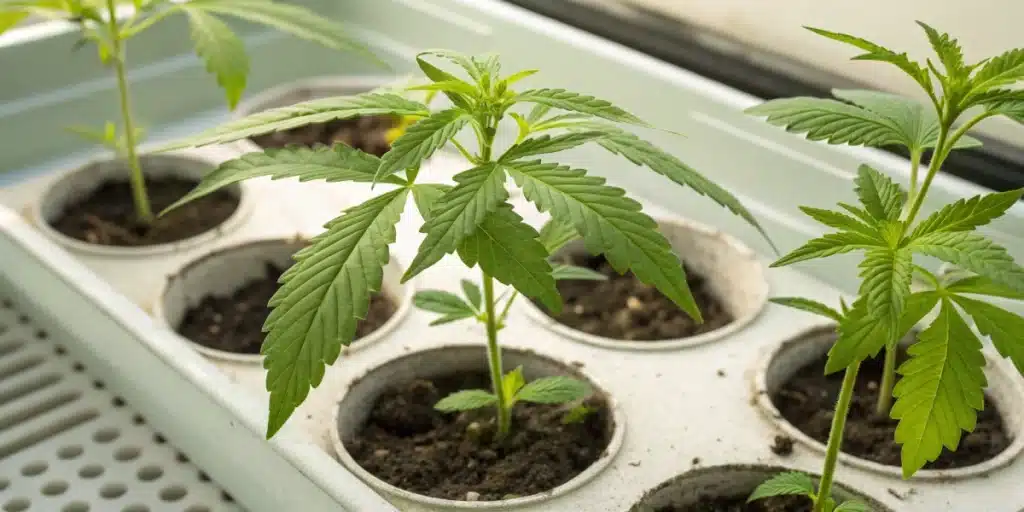
Rooting Timeline: Cannabis clones generally require 7 to 14 days to establish visible roots. Under ideal conditions, some strains can root in as few as 5 days, while others may need up to 21 days. Factors like temperature, humidity, and rooting hormones significantly affect this timeline, making it essential for growers to optimize these conditions for successful cloning.
Cloning cannabis provides a shortcut to cultivating your favorite strains, bypassing the lengthy seed germination process. This method ensures genetic consistency, offering identical flavor and potency in each plant. The cloning process can be influenced by various factors, including the part of the plant used and environmental conditions, which are crucial for efficient propagation.
Recommended Strains
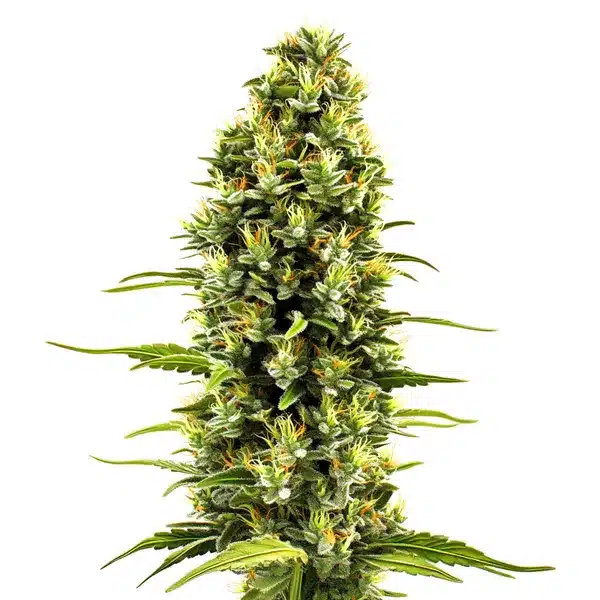
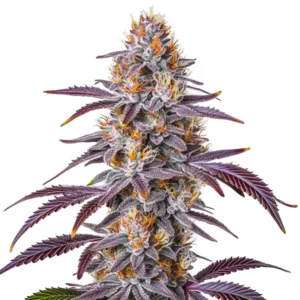
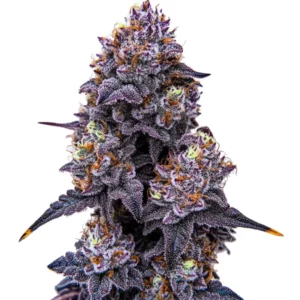
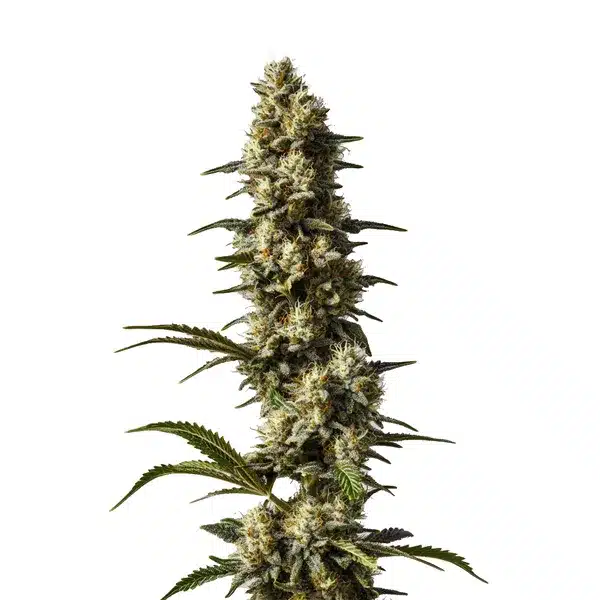
Birthday Cake

|
THC | 24% - 27% (High) |

|
Type | Feminized |

|
Yield | High |

|
Phenotype | 60% Indica / 40% Sativa |
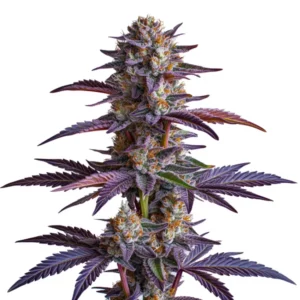
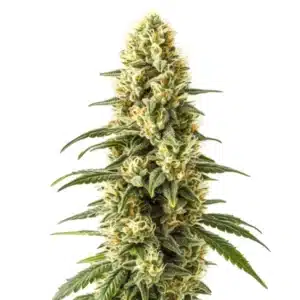
CBD Strawberry Cake

|
CBD | 16% – 18% (Medium) |
|
|
Type | CBD Feminized |
|
|
Yield | High |
|
|
Phenotype | 50% Indica / 50% Sativa |
Cannabis Cloning Explained
What is Cloning?
Cloning involves taking a cutting from a mature cannabis plant and encouraging it to develop roots. This process allows you to replicate a plant’s genetic makeup, ensuring the new plant shares the same traits, such as cannabinoid profile and growth patterns. Cloning is a popular method among growers aiming for uniformity in their crops.
Biologically, cloning exploits a plant’s natural ability to regenerate. By placing a cutting in a conducive environment, the plant cells at the cut end begin to differentiate into root cells. This transformation is facilitated by maintaining high humidity and optimal temperatures, usually around 70°F to 80°F (21°C to 27°C).
During the cloning process, the plant undergoes a metabolic shift. The cutting, deprived of its root system, increases the activity of auxins, plant hormones that promote root initiation. This biochemical change is crucial for the development of a new root system, allowing the clone to establish itself as an independent plant.
Benefits of Cloning
Cloning cannabis offers numerous advantages, including preserving desirable traits and reducing cultivation time. By cloning, you can replicate plants with high THCA levels, such as 25-30%, ensuring consistent potency across your grow. Additionally, clones typically root faster than seeds germinate, allowing for quicker harvest cycles.
For commercial growers, cloning is a cost-effective strategy. It eliminates the need to purchase new seeds for each grow cycle, enabling you to use your existing plants to produce new ones. This approach not only saves money but also supports sustainable cultivation practices.
Cloning also allows for the preservation of rare or exceptional phenotypes. This is particularly valuable in maintaining strains with unique terpene profiles or high resistance to pests and diseases. By using clones, growers can ensure that these valuable genetic traits are not lost over time.
Promos & Deals
Factors Influencing Rooting Time
Environmental Conditions
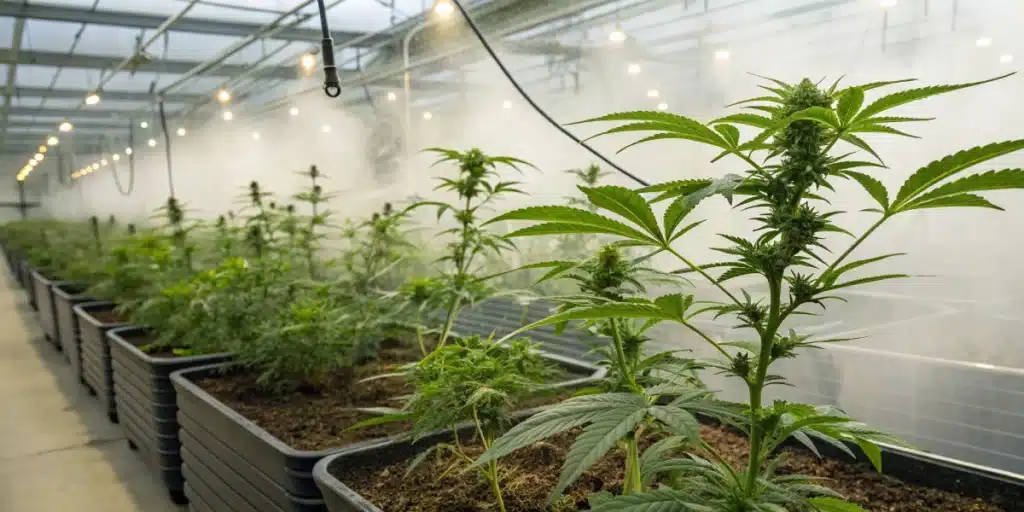
The environment plays a crucial role in how long cannabis clones take to root. Temperature, humidity, and light are key factors. Clones thrive in environments with temperatures between 70°F and 80°F (21°C to 27°C) and humidity levels of 70% to 80%. These conditions mimic the plant’s natural habitat, promoting efficient root development.
Maintaining stable environmental conditions is essential. Fluctuations can stress clones, delaying rooting. A propagation dome can help maintain humidity, while gentle lighting from fluorescent or LED lights provides the necessary spectrum without overwhelming the young plants.
Temperature and humidity are critical for the stomatal function of clones. Stomata, the tiny openings on leaves, regulate gas exchange and water vapor release. In high humidity, stomata remain open, facilitating CO2 uptake and promoting photosynthesis, which is vital for energy production and root development.
Health and Genetics of the Clone
The health of the mother plant and the genetic makeup of the clone significantly affect rooting time. Healthy plants free from pests and diseases produce robust cuttings that root faster. Genetics also play a role; indica strains often root quicker than sativas due to their natural resilience.
For example, strains like Northern Lights, known for their robust genetics, can root in as little as 7 days under optimal conditions. In contrast, more delicate strains might require up to 21 days. Documenting your experiences with different strains can help refine your cloning strategy.
Genetic factors influence the production of root-promoting hormones such as auxins and cytokinins. These hormones are pivotal in cell division and elongation, processes that are essential for root formation. Understanding the genetic predisposition of your strains can guide you in selecting the best candidates for cloning.
| Feature | Northern Lights | Blue Dream | White Widow F1 |
|---|---|---|---|
| Rooting Time | 7-10 days | 10-14 days | 10-12 days |
| THCA Content | 18-22% | 17-24% | 20-25% |
| Terpene Profile | Myrcene: 0.5% | Caryophyllene: 0.6% | Pinene: 0.4% |
| Yield | 1.5 oz/ft² (450 g/m²) | 1.8 oz/ft² (550 g/m²) | 1.6 oz/ft² (500 g/m²) |
| Flowering Time | 8-9 weeks | 9-10 weeks | 8-9 weeks |
Professional Tips for Successful Cloning
- Maintain water temperature at 64°F (18°C) to enhance root formation. Temperatures below this can slow down the rooting process.
- Use a rooting gel instead of powder to accelerate root development. Gels provide better contact and moisture retention.
- Ensure high humidity levels (70-80%) to prevent clones from drying out. Low humidity can cause wilting within hours.
- Avoid using fans during the rooting phase. Air movement can dry out the clones before roots establish.
- Choose cuttings from the upper part of the mother plant. These younger cuttings root faster due to their active growth phase.
- Follow the lunar calendar for rooting. Many organic growers find that clones root faster during waxing moon phases.
To further expedite the rooting process, consider using a propagation mat to provide consistent bottom heat. This technique can enhance enzyme activity and cellular division, crucial for root formation. Additionally, ensure that your clones receive gentle, indirect light to prevent stress while encouraging photosynthesis.
FAQs about Cannabis Cloning
How long does it take for cannabis clones to show roots?
Cannabis clones typically begin to show roots within 7 to 14 days. However, this timeline can vary based on environmental conditions and the health of the mother plant. Some strains may root in as little as 5 days, while others might take up to 21 days.
What helps clones root faster?
Using a rooting gel and maintaining optimal environmental conditions, such as 70-80% humidity and temperatures between 70°F and 80°F (21°C to 27°C), can help clones root faster. Additionally, selecting cuttings from the top of the mother plant can promote quicker rooting.
How to tell if a clone is rooting?
You can tell if a clone is rooting by gently tugging on it. If you feel resistance, roots are forming. Another sign is the appearance of new growth at the top of the clone, indicating successful rooting. Typically, roots become visible within 7 to 14 days.
How fast can clones root?
Under optimal conditions, some cannabis clones can root in as little as 5 days. Factors such as strain genetics, environmental conditions, and the use of rooting hormones can accelerate the rooting process. Monitoring and adjusting these factors can lead to faster rooting times.
Can lunar phases affect rooting time?
Yes, many growers believe that lunar phases can influence rooting time. Clones are thought to root faster during the waxing moon phase, when gravitational forces are said to enhance plant growth. This practice is common among organic and biodynamic growers.