How Elite Cannabis Cultivators Use Refractometers: Expert Insights

Elite cannabis cultivators have an array of tools at their disposal to ensure their crops are top-notch. One such tool is the refractometer, a device that measures the sugar content in plant sap. Knowing how elite cannabis cultivators use refractometers is crucial, as this measurement provides valuable insight into plant health and potential yield. When sugar levels are optimal, plants are generally healthier and capable of producing higher yields. This simple yet powerful tool can truly revolutionize your growing process.
Refractometers measure the Brix level, which represents the sugar content in a liquid. In cannabis cultivation, the Brix level can indicate how well a plant is photosynthesizing. Higher Brix levels usually mean that the plant is healthy and has a strong immune system, which is essential for elite cannabis cultivation. This is one reason why refractometer use in cannabis quality enhancement is becoming more popular among top growers.
Recommended Strains
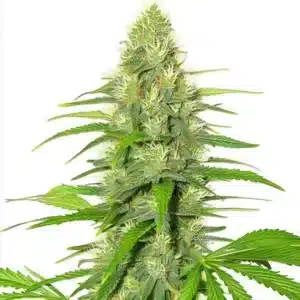
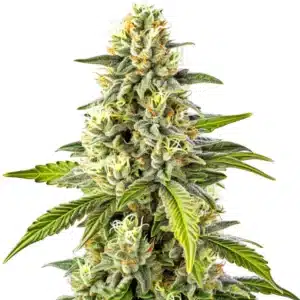
White Widow

|
THC | 18% - 25% (Medium) |

|
Type | Feminized |

|
Yield | High |

|
Phenotype | 45% Indica / 55% Sativa |

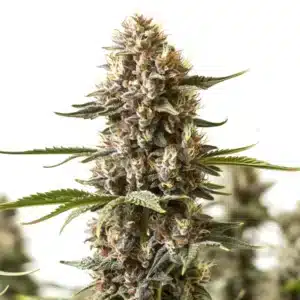
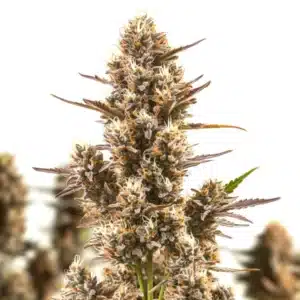
GG4
|
|
THC | 27% (High) |
|
|
Type | Feminized |
|
|
Yield | High |
|
|
Phenotype | 40% Indica / 60% Sativa |
Using a refractometer offers several advantages. For one, it helps in identifying nutrient deficiencies early on. Additionally, it allows for more precise adjustments in feeding schedules. This tool can also alert growers to pest problems before they become visible, optimizing cannabis growth with refractometers effectively.
Why Refractometers Matter in Elite Cannabis Cultivation
In elite cannabis farming, the smallest details can make the biggest difference. Refractometers allow growers to fine-tune their cultivation techniques by providing precise data about their plants’ health. By monitoring the Brix levels, cultivators can ensure that their plants are in prime condition, leading to better yields and higher quality buds.
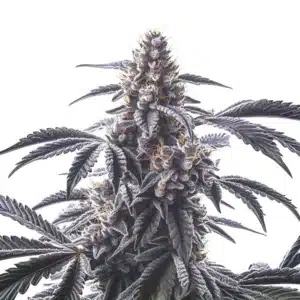
For example, a strain like GG4 from Blimburn Seeds can benefit significantly from this technology. By keeping a close eye on the Brix levels, growers can optimize nutrient delivery to maximize resin production, a key feature of this strain. This precision cannabis cultivation with refractometer technology ensures that each plant reaches its full potential.
Moreover, the refractometer benefits in elite cannabis farming extend beyond just monitoring sugar levels. It serves as a diagnostic tool that can reveal hidden issues that might not be apparent to the naked eye. By leveraging this data, growers can proactively address concerns such as soil imbalance or inadequate lighting, ensuring optimal conditions for their crops.
Another advantage of using refractometers is the ability to tailor the growing environment to the specific needs of each strain. Since different strains may require varying Brix levels for optimal growth, having precise measurements allows for customized care. This adaptability is crucial in elite cannabis cultivation refractometer techniques, where maximizing the potential of each plant is the ultimate goal.
Promos & Deals


Refractometer Techniques for Cannabis Growers
Using a refractometer involves more than just taking readings. Elite cannabis cultivators use refractometer techniques to interpret data effectively. After measuring the Brix level, the next step is knowing what the numbers mean for your specific strains. A reading of 12 might be excellent for one strain but suboptimal for another. Therefore, it’s essential to know your plants.
Strain-specific data is crucial. For instance, Blue Dream, another great strain from Blimburn Seeds, may have different optimal Brix levels compared to GG4. Growers need to adjust their care routines based on these readings. This tailored approach enables better control over the growing environment and can lead to more consistent results.
Consistency in monitoring and data interpretation is a hallmark of how elite cannabis cultivators use refractometers to their advantage. By developing a systematic approach to measuring Brix levels, growers can identify patterns and predict potential issues before they arise. This proactive management is vital for maintaining plant health and ensuring robust yields.
Furthermore, integrating refractometer data with other cultivation tools can enhance the effectiveness of your growing practices. By combining insights from refractometer readings with environmental controls and nutrient management systems, cultivators can create a synergistic approach that maximizes plant performance. This holistic strategy is at the core of optimizing cannabis growth with refractometers.
Practical Examples of Refractometer Use
Imagine you’re growing White Widow from Blimburn Seeds, a strain known for its potency and robust growth. You notice that the Brix level is lower than expected. This could be a sign of nutrient deficiency or poor light exposure. By addressing these issues promptly, you can improve the plant’s health and ultimately, the quality of your harvest.
Another scenario might involve pest management. A sudden drop in Brix levels could indicate a pest problem. Early identification through refractometer readings allows for timely interventions, reducing the risk of damage. This is a practical benefit of refractometer use in cannabis quality enhancement.
Besides to addressing immediate issues, refractometer readings can provide long-term insights that help refine cultivation strategies. Over time, data collected from these readings can reveal trends that inform decisions on crop rotation, seasonal adjustments, and even genetic selection. This strategic use of data is a testament to the refractometer benefits in elite cannabis farming.
For growers looking to scale up their operations, refractometers offer a scalable solution that can be integrated into larger cultivation systems. By automating data collection and analysis, growers can manage larger volumes of plants with the same level of precision and care as smaller batches. This scalability is a key factor in sustaining high-quality production in elite cannabis cultivation.
FAQs about how elite cannabis cultivators use refractometers
What is a refractometer, and how does it work?
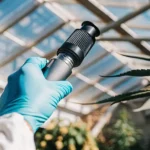
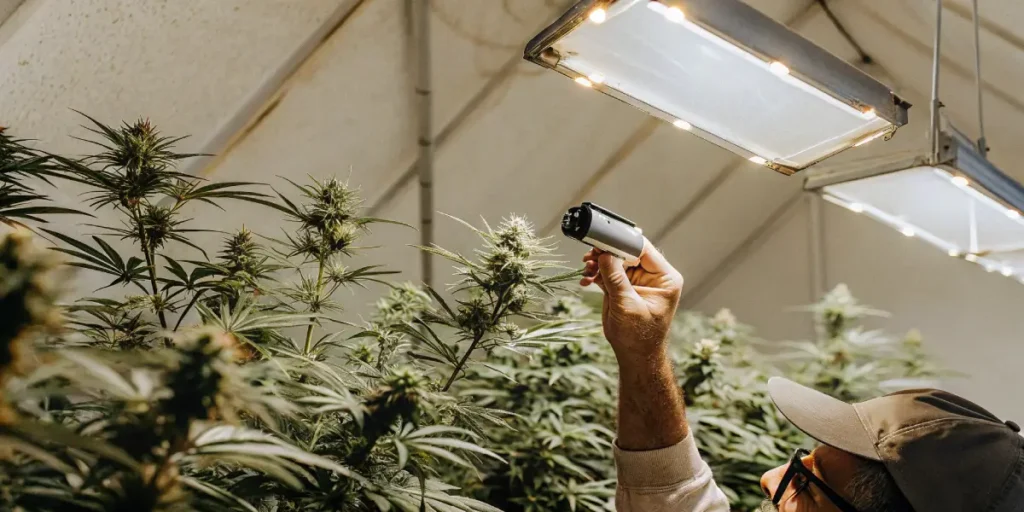
A refractometer is a device used to measure the sugar content in a liquid, often expressed as Brix level. In cannabis cultivation, it helps growers assess the health of their plants by providing data on how well the plant is photosynthesizing. By shining light through a sample of plant sap, the refractometer measures the degree to which the light is bent, indicating the sugar content.
This tool is especially useful in elite cannabis cultivation, where precision is paramount. It allows growers to make informed decisions about nutrient management and pest control. The data obtained from a refractometer can guide adjustments in care strategies, leading to healthier plants and better yields.
Knowing the mechanics of a refractometer is essential for its effective use. The device typically consists of a prism and a lens, which work together to refract light through the plant sap. As the light bends, it creates a scale reading that corresponds to the Brix level, offering a direct insight into the plant’s sugar content and overall health.
For those new to using refractometers, starting with a clear knowing of the basic principles can set the stage for successful integration into cultivation practices. Training and practice are key, as the accuracy of readings depends on proper technique and consistent methodology. Mastery of this tool can significantly enhance the effectiveness of precision cannabis cultivation with refractometer technology.
How often should I use a refractometer on my cannabis plants?
For the best results, it’s recommended to use a refractometer at least once a week. Regular monitoring allows you to track changes over time and spot any issues early. This frequency provides a balance between obtaining enough data to make informed decisions and not overwhelming yourself with too much information.
Some growers may choose to check more frequently during critical growth stages or when trying out new cultivation techniques. The key is consistency. By sticking to a regular schedule, you can notice trends and patterns that might otherwise go unnoticed, making it easier to optimize cannabis growth with refractometers.
Weekly monitoring also provides an opportunity to adapt quickly to any changes in the growing environment. Whether it’s a sudden shift in temperature or a tweak in nutrient formulas, regular refractometer readings help ensure that your plants remain in optimal health. This adaptability is a crucial element of elite cannabis cultivation refractometer techniques.
For those who prefer a more data-driven approach, integrating refractometer readings into digital tracking systems can enhance the ability to analyze and respond to plant needs. By leveraging technology, growers can keep detailed records and generate insights that refine their cultivation strategies over time, maximizing the potential of their crops.
Can a refractometer be used for all cannabis strains?
Yes, a refractometer can be used for all cannabis strains, but it’s important to note that optimal Brix levels can vary between strains. Knowing the specific needs of each strain is crucial. For example, the optimal Brix level for a strain like GG4 may differ from that of Blue Dream.
By recognizing these differences, you can tailor your cultivation practices to meet the unique needs of each strain. This approach ensures that all your plants, regardless of the strain, can benefit from the precision that refractometer technology offers.
Adapting to the needs of various strains requires a keen knowing of each plant’s characteristics and preferences. By using refractometer data, growers can fine-tune their approach to accommodate the specific requirements of each strain, ensuring a more personalized and effective cultivation process.
Moreover, sharing insights and experiences among the growing community can further enhance the effectiveness of refractometer use. Collaborating with other cultivators can reveal best practices and new techniques, enriching the overall knowing of how elite cannabis cultivators use refractometers to achieve exceptional results.
What are the main benefits of using a refractometer in cannabis farming?
The main benefits of using a refractometer in elite cannabis farming include better nutrient management, early pest detection, and improved overall plant health. By providing accurate data on Brix levels, refractometers enable growers to make precise adjustments to their care routines.
This precision leads to healthier plants, higher yields, and better-quality buds. Refractometer benefits in elite cannabis farming are evident in the consistent results achieved by those who incorporate this tool into their cultivation practices.
Besides to these direct benefits, refractometers also contribute to more sustainable farming practices. By minimizing waste and optimizing resource use, growers can reduce their environmental impact while maintaining high standards of quality and yield.
Furthermore, the insights gained from refractometer data can aid in the development of new strains that are more resilient and productive. This potential for innovation and improvement is a testament to the transformative power of precision cannabis cultivation with refractometer technology.
Are there any limitations to using refractometers in cannabis cultivation?
While refractometers are valuable tools, they do have some limitations. They provide a snapshot of the plant’s health at the time of measurement but don’t offer a complete picture. Other factors, such as soil quality and environmental conditions, also play crucial roles in plant health.
It’s important to use refractometers as part of a comprehensive approach to cannabis cultivation. By combining refractometer data with other monitoring tools and techniques, you can achieve a more holistic knowing of your plants’ needs and optimize their growth effectively.
Integrating refractometer use with other diagnostic tools, such as soil pH meters and environmental sensors, can provide a more comprehensive view of plant health. This multi-faceted approach allows growers to address the complex interplay of factors that influence growth and yield.
Additionally, the initial cost and learning curve associated with refractometer use may be a consideration for some growers. However, the long-term benefits and enhancements in crop quality often outweigh these initial challenges, making refractometers a valuable investment for those committed to elite cannabis cultivation.