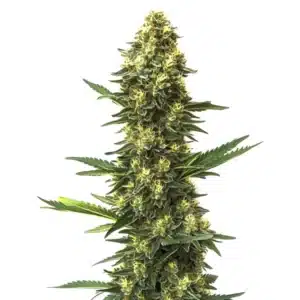
How Big Do Autoflowers Get? Growth Insights for Cultivators

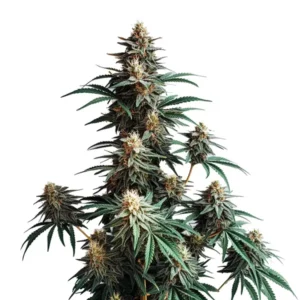
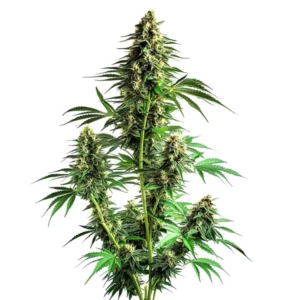
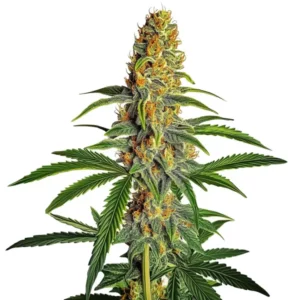
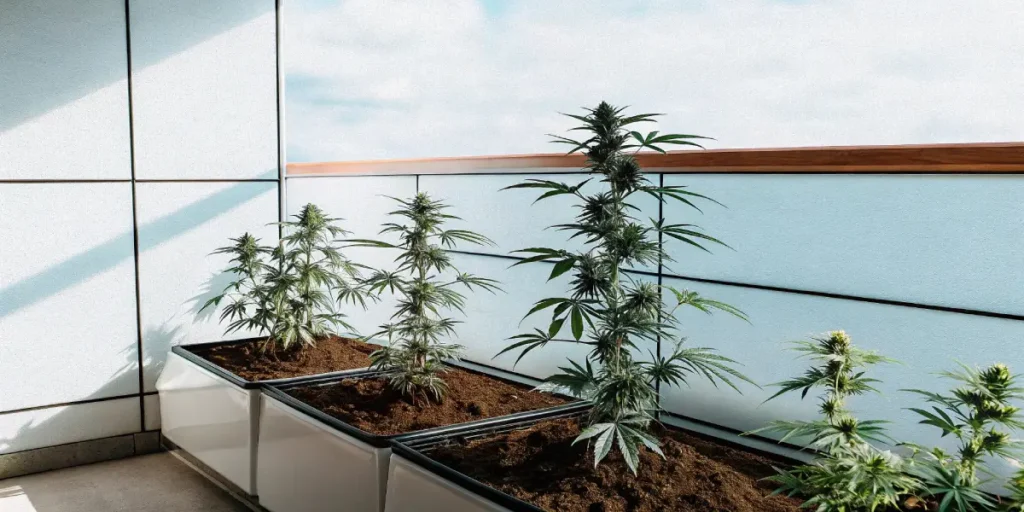
Autoflowering cannabis size: Autoflowering cannabis plants typically range between 16 to 40 inches tall, influenced by genetics and growing conditions. Outdoor plants often reach the higher end due to natural sunlight and space. Understanding these dynamics helps growers optimize their setups for efficiency and yield, ensuring that they make the most out of their cultivation efforts.
Autoflowering cannabis plants are celebrated for their rapid growth and adaptability. These plants can reach maturity in as little as 70 to 80 days from seed, offering growers a quick turnaround. Terpenes like Myrcene and Limonene contribute to their aromatic profiles, enhancing the sensory experience. Understanding their flowering time is crucial for maximizing yield and potency.
Recommended Strains

Big Bud

|
THC | 15% - 20% (Medium) |

|
Type | Feminized |

|
Yield | High |

|
Phenotype | 85% Indica / 15% Sativa |

Big Bud Auto
|
|
THC | 18% - 22% (Medium) |
|
|
Type | Autoflowering |
|
|
Yield | High |
|
|
Phenotype | 80% Indica / 20% Sativa |
Autoflower Growth Dynamics
What Makes Autoflowers Unique?
Autoflowering cannabis plants are distinct due to their Ruderalis genetics, which enable them to flower based on age rather than light cycles. This trait allows them to thrive in various environments, making them ideal for both novice and experienced growers. These plants typically transition to flowering after 3-4 weeks of vegetative growth, regardless of light exposure.
Unlike photoperiod strains, which require specific light schedules to flower, autoflowers automatically switch to flowering. This characteristic makes them particularly appealing for growers who prefer simplicity and speed. The Ruderalis genetics also contribute to their resilience, allowing them to withstand harsher conditions while maintaining quality yields.
Factors Influencing Autoflower Size
The size of autoflowering plants is influenced by genetics and environmental factors. Sativa-dominant strains generally grow taller, reaching up to 48 inches (120 cm), while Indica-dominant strains are shorter and bushier. Hybrid strains offer a balance, with heights ranging from 18 to 30 inches (45 to 75 cm), depending on the specific genetic makeup.
Environmental factors such as light intensity, pot size, and nutrient availability also play critical roles in determining plant size. For instance, larger pots allow for more root development, which can lead to taller plants. Similarly, high-quality grow lights that provide full-spectrum light can maximize growth potential indoors.
Promos & Deals

How Big Do Autoflowers Get Outdoors?
Optimal Conditions for Outdoor Growth
Outdoor autoflowers benefit from natural sunlight and unrestricted root space, often reaching heights of 20 to 40 inches (50 to 100 cm). Strains like Amnesia Haze Auto and Northern Lights Auto can grow up to 4 feet (120 cm) under ideal conditions. The key to maximizing outdoor growth is providing nutrient-rich soil and protecting plants from pests and extreme weather.
Planting during spring or summer when sunlight is abundant ensures optimal growth. Ensuring the soil is well-draining and nutrient-dense supports healthy root development. Regular monitoring for pests and implementing protective measures can prevent damage and promote robust growth.
Maximizing Outdoor Growth Potential
To achieve the largest possible size outdoors, start with high-quality seeds from a reputable source like Blimburn Seeds. Choose strains known for their outdoor performance and resilience. Implement a balanced feeding schedule, ensuring plants receive essential nutrients without overfeeding, which can stunt growth.
Regularly check soil moisture levels to prevent over or under-watering. Utilize organic pest control methods to protect plants without harming the environment. By optimizing these factors, you can encourage your autoflowers to reach their full potential.
| Feature | Amnesia Haze Auto | Northern Lights Auto | Critical Purple Auto |
|---|---|---|---|
| Height (inches) | Up to 48 | Up to 36 | Up to 24 |
| THC % | 22-24% | 18-20% | 20-22% |
| Dominant Terpene | Limonene | Myrcene | Caryophyllene |
| Flowering Time (days) | 70-80 | 65-75 | 60-70 |
| Yield (oz/plant) | 4-5 | 3-4 | 2-3 |
How Tall Do Autoflowers Get Indoors?
Maximizing Indoor Growth Potential
Indoor autoflowers typically range from 16 to 36 inches (40 to 90 cm) in height. Compact strains like Critical Purple Auto and Blueberry Auto are ideal for indoor setups, rarely exceeding 2 feet (60 cm). To maximize indoor growth, control environmental factors like temperature, humidity, and light intensity.
Use high-quality LED grow lights that provide full-spectrum light to mimic natural sunlight. Maintain a consistent temperature between 70°F and 85°F (21°C and 29°C) to promote healthy growth. Implement Low-Stress Training (LST) to encourage even canopy development, enhancing light penetration and maximizing yield.
Indoor Cultivation Strategies
Choose the right pot size for your space, as larger pots allow for more root growth, leading to bigger plants. Follow a nutrient schedule tailored to autoflowers, which typically require less feeding than photoperiod strains. Monitor environmental conditions closely to prevent issues like mold or nutrient deficiencies.
Utilize a 20/4 light schedule to provide ample light while allowing for rest periods. This balance supports vigorous growth and prevents plant stress. By optimizing these factors, you can achieve impressive indoor yields.
Professional Tips for Autoflower Cultivation
- Maintain 58-62% RH during curing. Below 55% arrests terpene development; above 65% promotes mold within 48 hours. Use a calibrated digital hygrometer.
- Utilize a 20/4 light schedule for optimal growth. This provides ample light while allowing rest, preventing stress.
- Ensure soil pH is between 6.0-6.5. Deviations can lock out nutrients, stunting growth. Test regularly with a digital pH meter.
- Feed with N:P:K 1:3:2 during flowering. This supports bud development and maximizes yield. Avoid overfeeding to prevent nutrient burn.
- Implement Low-Stress Training (LST) to increase light penetration and yield. Avoid high-stress techniques that can stunt growth.
- Choose strains with strong genetics from Blimburn Seeds for reliable growth and yield. Weak genetics can lead to inconsistent results.
FAQs About Autoflower Size
What does a 4 week old autoflower look like?
A 4-week-old autoflower typically shows robust vegetative growth with several sets of leaves and a height of 6 to 12 inches (15 to 30 cm). This stage is crucial for root and stem development, setting the foundation for flowering. Proper care, including adequate light and nutrients, ensures healthy progression to the flowering phase.
What is the average yield of an autoflower?
The average yield of an autoflower is around 1.5 to 2 ounces (42 to 56 grams) per plant indoors, depending on the strain and growing conditions. Outdoor yields can be higher, reaching up to 4 ounces (113 grams) per plant, thanks to natural sunlight and space. Proper care maximizes yield potential.
Do autoflowers double in size during flowering?
Autoflowers can increase in size by 50% to 100% during the flowering phase, depending on genetics and environmental conditions. This growth spurt is less pronounced than in photoperiod strains but still significant. Ensuring optimal conditions during this period supports healthy bud development and maximizes yield.
What is the downside to autoflowering seeds?
Autoflowering seeds have a shorter vegetative phase, limiting the time for size and yield maximization. They also require precise timing for nutrient and light adjustments. While they offer rapid growth, their smaller size can be a drawback for those seeking large yields. Choosing the right strain can mitigate these limitations.
How can I maximize the size of my autoflowers?
To maximize autoflower size, provide optimal light intensity, maintain proper nutrient levels, and use larger pots for root expansion. Implementing Low-Stress Training (LST) enhances light penetration and growth. Consistent monitoring and adjustments based on plant needs ensure robust development and higher yields.