Cannabis Humidity: How to Master Moisture and Prevent Bud Rot Outdoors

In the world of outdoor cultivation, humidity is a silent force. It can make your plants explode with lush, green growth during the vegetative stage, or it can turn your prize-winning colas into a grey, mushy mess of bud rot overnight.
Whether you’re dealing with the swampy heat of the south or the misty mornings of the coast, weed humidity is the difference between a successful harvest and a total loss. Let’s get into the science of how moisture affects your plants and, more importantly, how you can control it when you don’t have walls or a dehumidifier.
Recommended Strains
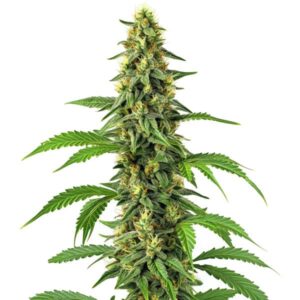
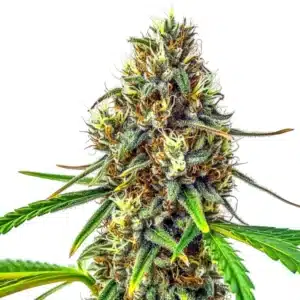
24k Gold

|
THC | 19% - 22% (Medium) |

|
Type | Feminized |

|
Yield | High |

|
Phenotype | 60% Indica / 40% Sativa |
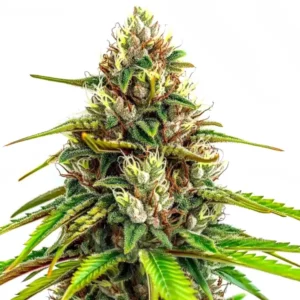
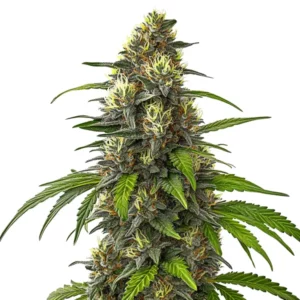
24k Gold Autoflower
|
|
THC | 18% - 24% (Medium) |
|
|
Type | Autoflowering |
|
|
Yield | Medium |
|
|
Phenotype | 40% Indica / 60% Sativa |
Do Weed Plants Like Humidity? (Veg vs. Flower)
The answer depends entirely on where your plant is in its lifecycle.
- Humidity during Veg: Yes, cannabis plants love moisture during the vegetative stage. Ideally, humidity during veg should sit between 50% and 70%. High humidity allows the stomata (small pores on the leaves) to stay open, facilitating rapid photosynthesis and growth.
- Best Humidity for Weed in Flower: Once those flowers start densifying, the rules change. In the flowering stage, you want to see humidity drop to 40%–50%. High moisture levels during this time trap water inside the dense buds, creating the perfect incubator for Botrytis (bud rot).
Promos & Deals
Why High Humidity Stunts Your Growth
It isn’t just about mold. High humidity actually messes with the plant’s “plumbing.” Plants move nutrients through a process called transpiration. Water evaporates from the leaves, creating a vacuum that pulls more water (and nutrients) up from the roots.
When the air is already saturated with water, that evaporation stops. The “vacuum” disappears, and the plant stops taking up vital nutrients like calcium and magnesium. If your leaves look glossier than usual but the plant seems stagnant, your humidity is likely too high, effectively “choking” the plant’s internal transport system.
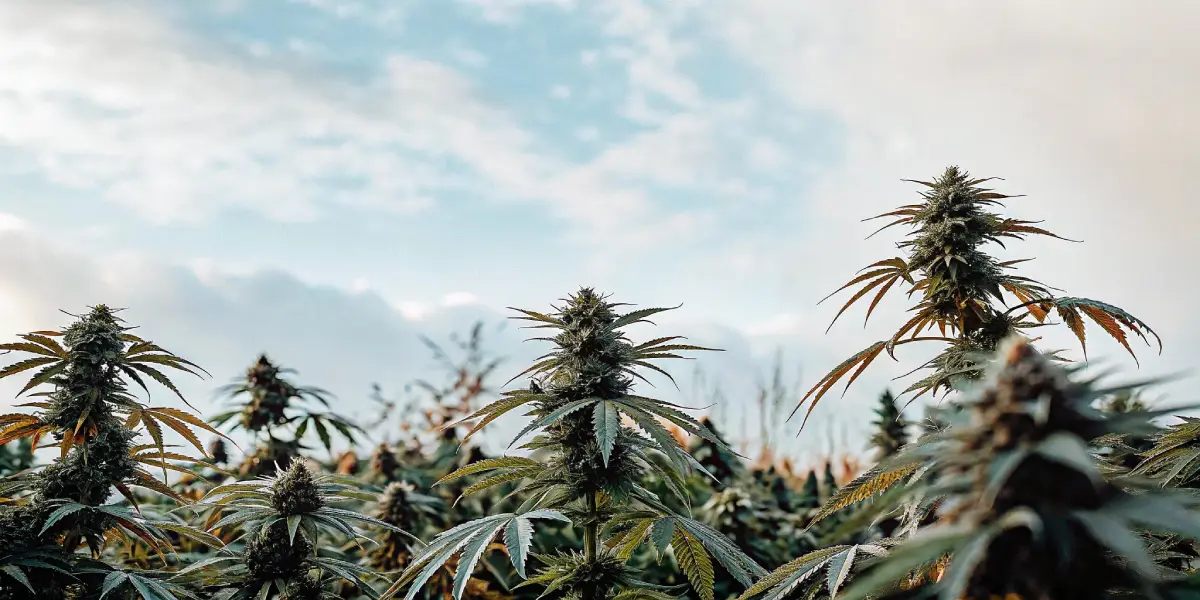
The Outdoor Threat: The Dangerous “Dew Point”
Unlike an indoor tent, the great outdoors has no “Off” switch for moisture. You need to be aware of the three biggest outdoor humidity spikes:
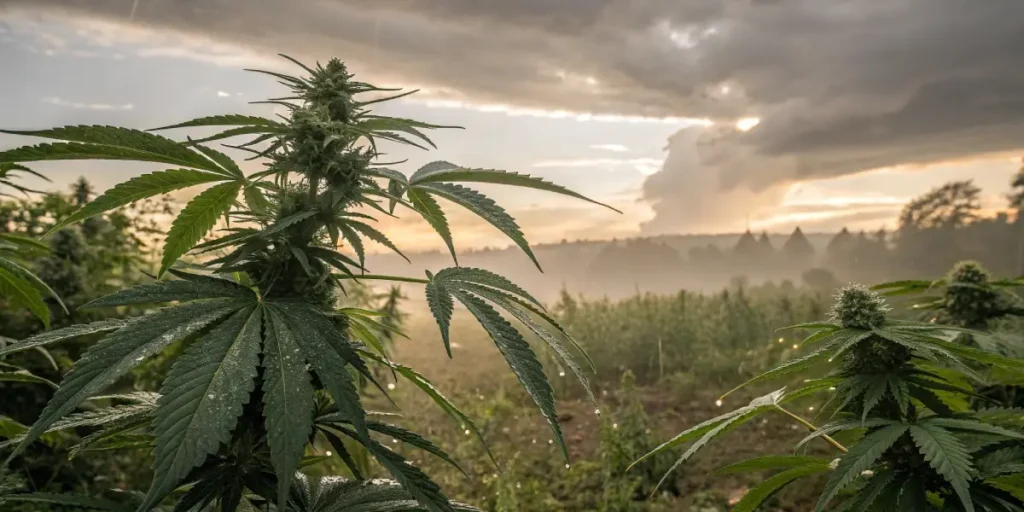
- Misty Mornings: Fog and morning dew settle directly on your buds. If the sun doesn’t come out early enough to dry them, that moisture sits there for hours.
- The Night Drop: As the temperature drops at night, the air’s ability to hold water decreases, causing the relative humidity to skyrocket.
- Rain Cycles: Late-season rains in autumn are the primary cause of bud rot for most outdoor growers.
How to Prevent Bud Rot Outdoors: A Strategic Plan
When you can’t control the sky, you have to control the environment around the plant. Here is how you fight back:
1. The 2-Meter Rule (Strategic Spacing)
In humid environments, spacing is your best friend. Never crowd your plants. Aim for at least 1.5 to 2 meters of space between each plant. This allows the wind to act as a natural dehumidifier, blowing through the foliage rather than getting trapped in a dense “microclimate” of wet air.
2. Open the Canopy (Training and Weights)
Don’t let your plants grow into a dense “bush.” Use Low-Stress Training (LST), nets, or even small weights to open the branches. By pulling the branches away from the center, you allow air to enter the “heart” of the plant where mold usually starts.
3. Leaf Maintenance and Pest Control
High humidity combined with heat is a breeding ground for pests like spider mites and aphids. Always clean the underside of the leaves. Pests love to hide in the stagnant, moist air beneath the foliage. Removing the bottom third of the plant’s leaves (lollipopping) can also significantly improve airflow.
4. The “Dry Day” Harvest Rule
This is the most important rule for the end of the season: Always harvest on a dry day. If you harvest right after a rain or on a foggy morning, you are trapping that moisture inside the buds when you hang them. This can ruin your entire drying and curing process before it even starts.
Managing High Humidity: Practical Tips
Genetics Matter: If you struggle with moisture every year, look for mold-resistant genetics (often Sativa-leaning hybrids) that have a more open bud structure, allowing for better internal airflow.
Shake the Dew: After a heavy morning dew or rain, go out and gently shake your plants. Knocking that standing water off the branches can prevent spores from taking hold.
Strategic Siting: If you live in a high-humidity area, plant your cannabis in a spot that gets the first morning sun. The faster those buds dry out after a cold night, the safer they are.
FAQ: Mastering Cannabis Humidity
What are the main risks of high humidity for weed?
The primary risk is Bud Rot (Botrytis) and Powdery Mildew. Additionally, high humidity stops transpiration, meaning your plant will stop absorbing the nutrients it needs to build dense, potent flowers.
How do I stop bud rot from spreading outdoors?
If you see a grey, fuzzy patch on a bud, cut it out immediately. Be careful not to shake it, as you will spread the spores. Improve the airflow around the rest of the plant by thinning out leaves and ensuring the plants aren’t touching each other.
What is the ideal humidity for the flowering stage?
Ideally, you want your humidity below 50%. If it consistently stays above 60% in late flower, you are in the “Danger Zone” for mold.
Should I harvest early if it’s going to rain for a week?
Often, yes. It is better to harvest a week early and have slightly less potency than to wait and lose 50% of your crop to rot. Monitor the trichomes and make a “risk vs. reward” decision based on the local forecast.