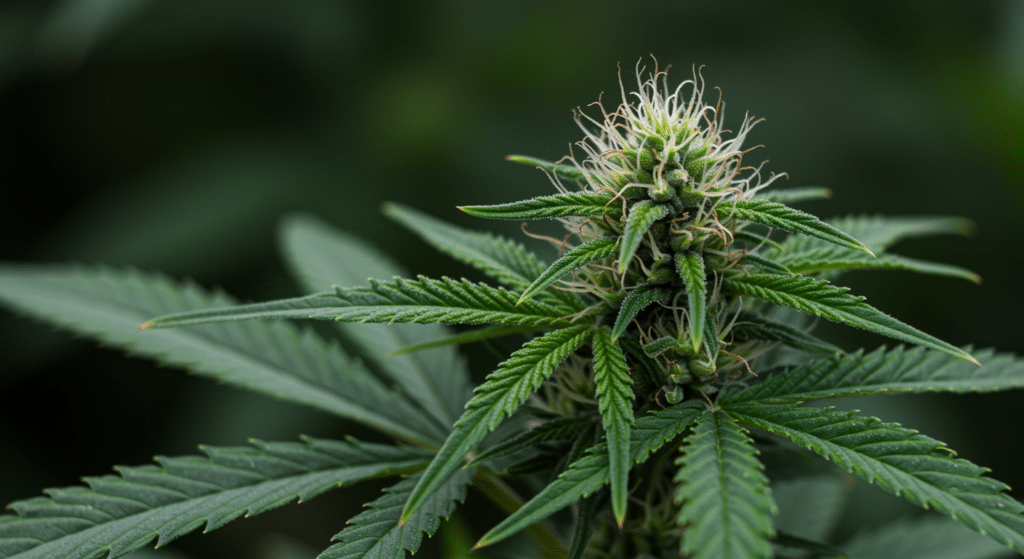
From Seed to Shelf: How Cultivation Choices Affect Cannabis Quality

Cannabis quality does not suddenly appear when a jar hits a dispensary shelf. By that point, the outcome is already locked in. What consumers end up smelling, tasting, and feeling is the result of dozens of decisions made weeks or months earlier.
Strip away the hype, and quality comes down to how well those decisions align from start to finish. Labels and lab numbers tell part of the story. The rest lives in the grow.
Recommended Strains
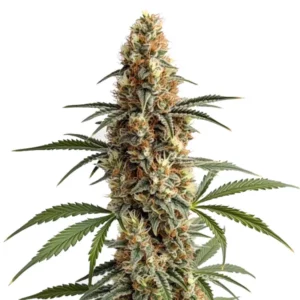
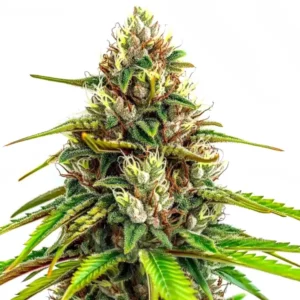
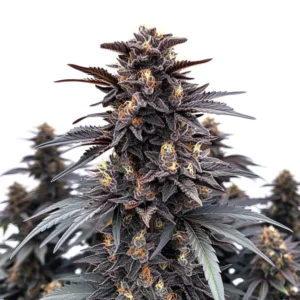
Mamba Negra

|
THC | 18% (Medium) |

|
Type | Feminized |

|
Yield | High |

|
Phenotype | 55% Indica / 45% Sativa |

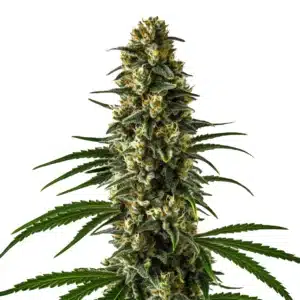
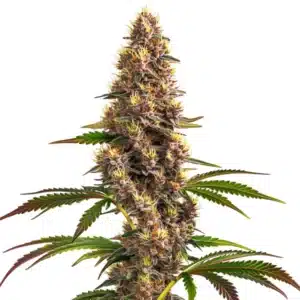
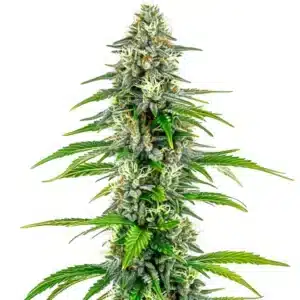
Permanent Marker
|
|
THC | 32% - 34% (High) |
|
|
Type | Feminized |
|
|
Yield | High |
|
|
Phenotype | 50% Indica / 50% Sativa |
Genetics Set the Ceiling
Everything starts with genetics, whether it always gets the attention it deserves or not. A plant can only express what it is built to convey. Cannabinoid potential, terpene range, structural traits, and yield consistency are all established early.
Genetic stability often matters more than the popularity of strain names circulating online. Even seeds from the same cultivar can display phenotype variation, which is why experienced growers value consistency as much as potency.
When genetics is unreliable, later adjustments rarely solve the problem. Strong genetics do not guarantee top-tier flower, but weak genetics almost always limit quality.
Promos & Deals

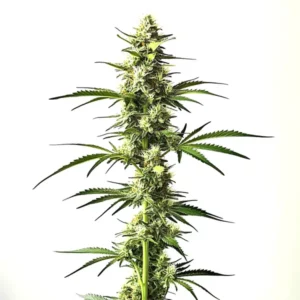
Environment Shapes Expression
Once roots settle into the growing medium, the environment becomes the dominant influence. Light intensity, temperature control, humidity levels, and airflow all shape plant development in subtle but meaningful ways.
The flowering phase is particularly sensitive. Minor environmental stress can later appear as muted terpene profiles or uneven texture. Indoor cultivation prioritizes consistency, while outdoor grows trade some control for seasonal expression.
Nutrition and the Root Zone Matter More Than Labels
Roots reveal problems quickly. When the root zone is stressed, overall quality declines.
Feeding strategies influence more than growth rate. They affect aroma clarity, flavor development, and how smoothly the final flower burns or vaporizes.
Balanced nutrition supports:
- Stable cannabinoid development
- Clear terpene expression
- Strong flower structure
- Smoother smoke and vapor
Overfeeding remains one of the most common causes of quality loss. Excess nitrogen late in flowering, mineral imbalance, or inconsistent nutrient uptake often results in harshness or flattened aroma. Whether nutrients are organic or synthetic matters less than timing, restraint, and understanding plant signals.
Cultivation Techniques Can Help or Hurt
Training, pruning, defoliation, and controlled stress are tools rather than guarantees. When used carefully, they improve airflow and light distribution. When pushed too far, they redirect energy away from flower development.
There is a narrow margin between optimization and overhandling. Techniques designed to maximize yield can increase output while quietly reducing terpene retention or smoothness. Cultivation focused on quality often appears calmer, relying on patience and consistency instead of extremes.
Plants that finish well tend to reflect that later.
Harvest Timing Is Not a Schedule
Harvest timing plays a larger role than many realize. Cannabinoids and terpenes do not peak at the same moment, which makes harvest decisions a balance rather than a formula.
In general:
- Harvesting too early often produces lighter effects and a thinner aroma
- Harvesting too late can increase the effects but risks terpene loss
- Well-timed harvests aim for balance and consistency
Trichome development and overall plant readiness offer better guidance than calendar dates. Rushing harvest typically shows up later in the jar.
Drying and Curing Protect the Work
Post-harvest handling preserves what cultivation builds. Drying too quickly locks in harshness. Inadequate curing limits flavor development and shortens shelf life.
When done correctly, drying and curing stabilize moisture, protect terpenes, and smooth the experience over time. This stage is often invisible to consumers, yet it is where many otherwise solid crops lose quality.
Refined cannabis is usually the result of patient post-harvest care.
What This Means for the End Consumer
By the time cannabis reaches retail, quality reflects every step that came before it. Cultivation choices influence not only how flower tests, but also how predictable the experience feels from one purchase to the next.
For consumers in California, particularly those purchasing through weed delivery Sacramento, consistency becomes especially important. When cultivation prioritizes balance instead of shortcuts, repeat purchases tend to deliver familiar aroma, similar effects, and fewer surprises.
That reliability builds trust, regardless of how the product changes hands.
Frequently Asked Questions
How do you tell if cannabis seeds are high quality?
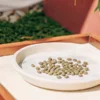
High-quality seeds are typically dark brown with firm shells and subtle striping. They should not appear pale, cracked, or soft. Consistency in size and appearance often indicates stable genetics.
How do nutrients influence cannabis quality?
Nutrients affect cannabinoid development, terpene production, and flower structure. Overfeeding can mute flavor and cause harsh smoke, while deficiencies limit potency and aroma. Balanced nutrition supports cleaner burn and clearer expression.
What is the best way to choose cannabis seeds?
Seeds should align with the growing environment and the grower’s experience level. Chasing THC percentages alone often leads to inconsistent outcomes. Stability and reliability matter more than hype.
Why are drying and curing important for cannabis quality?
Drying and curing allow moisture levels to stabilize and harsh compounds to break down. Proper curing preserves terpenes, improves smoothness, and extends shelf life. Rushed processes can undo strong cultivation work.