Expert Tips: Best Practices for Storing Cannabinoids Safely

Storing cannabinoids properly is crucial to preserve their potency and effectiveness. Whether you are a first-time cannabis seed buyer or an experienced grower, knowing how to store cannabinoids is essential. By following the best practices for storing cannabinoids, you can ensure that your products remain potent and effective over time.
Humidity, light, and temperature are key factors in cannabinoid preservation. These elements can significantly impact the quality of your cannabinoids if not controlled properly. Ensuring optimal cannabinoid storage conditions involves maintaining a delicate balance to keep your products fresh and effective.
Recommended Strains

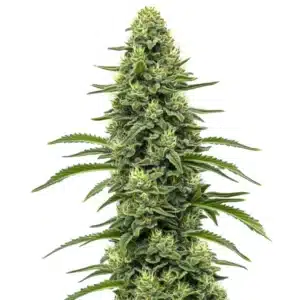
Blue Dream

|
THC | 17% - 24% (Medium) |

|
Type | Feminized |

|
Yield | High |

|
Phenotype | 50% Indica / 50% Sativa |
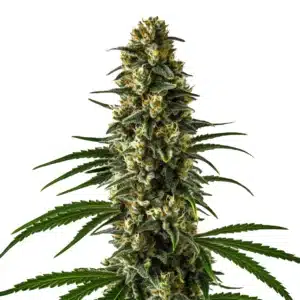
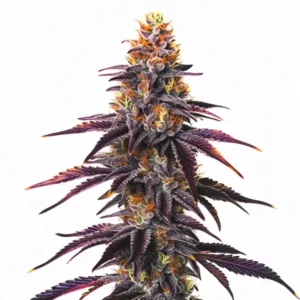
Girl Scout Cookies
|
|
THC | 18% - 25% (Medium) |
|
|
Type | Feminized |
|
|
Yield | High |
|
|
Phenotype | 60% Indica / 40% Sativa |
For instance, storing seeds from Blimburn Seeds like the well-known Blue Dream, requires careful attention to these factors. When stored correctly, cannabinoids can maintain their potency for longer periods, providing you with the best possible experience.
Controlling Temperature for Cannabinoid Storage
Temperature control is critical when it comes to storing cannabinoids. High temperatures can degrade cannabinoids, reducing their effectiveness. Keeping them in a cool, stable environment is one of the best practices for storing cannabinoids safely.
Consider storing your cannabinoids in a basement or a wine cooler, where temperatures are consistently low. This practice helps maintain the integrity of products like Blimburn Seeds Girl Scout Cookies, ensuring they remain potent and effective over time.
Stability in temperature is just as important as the actual degree. Fluctuations can cause condensation, which could lead to mold growth or degradation. Therefore, maintaining a consistent temperature is a crucial aspect of cannabinoid preservation techniques.
Investing in a digital thermometer can help you monitor the temperature of your storage area. This small step can make a big difference in maintaining cannabinoid potency during storage, ensuring that your products provide the desired effects each time.
Promos & Deals
Importance of Humidity Levels
Humidity plays a vital role in cannabinoid preservation techniques. High humidity can lead to mold growth, while low humidity can dry out the cannabinoids. Both scenarios can reduce potency and effectiveness.
Using airtight containers with humidity control packs can be an effective cannabinoid storage solution. These packs help maintain optimal cannabinoid storage conditions, ensuring that products like the Sour Diesel from Blimburn Seeds stay fresh and potent.
A hygrometer is an invaluable tool for checking humidity levels in your storage area. This device helps you ensure that your cannabinoids are kept in an environment with the right moisture content, aligning with best practices for storing cannabinoids.
Finding the ideal humidity range, typically between 59% and 63%, is crucial for long-term cannabinoid storage tips. This balance helps preserve the structural integrity and potency of your cannabinoids, ensuring they remain effective over time.
Light Exposure and Its Effects
Light, especially UV light, can significantly degrade cannabinoids. To prevent this, store your cannabinoids in a dark, opaque container. This helps in maintaining cannabinoid potency during storage by protecting them from harmful light exposure.
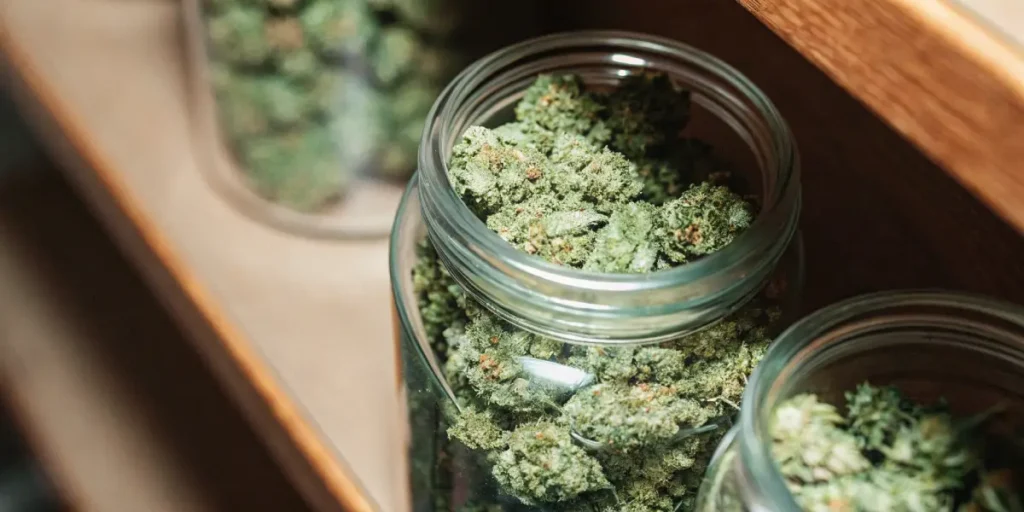
Consider using brown glass jars, which block out most light, for storing your cannabinoids. This simple step is one of the long-term cannabinoid storage tips that can make a significant difference in preserving quality.
Besides to brown glass jars, you might consider wrapping containers in aluminum foil for added protection against light. This extra layer can be particularly useful for long-term storage, enhancing the effectiveness of your cannabinoid preservation techniques.
Light exposure doesn’t only degrade cannabinoids but can also lead to increased temperature within storage containers. This dual threat underscores the importance of selecting the right storage materials to ensure optimal cannabinoid storage conditions.
Using Airtight Containers
Airtight containers prevent exposure to air, which can cause cannabinoids to degrade. Oxygen can oxidize cannabinoids, reducing their potency and altering their effects. By using airtight containers, you can maintain the quality of your products.
Glass jars with rubber seals are excellent for this purpose. They provide an effective barrier against air and moisture, making them an ideal choice for storing cannabinoids. This is particularly useful for long-term cannabinoid storage.
Remember that the size of the container matters; using a container that fits the volume of your cannabinoids can minimize air space, thereby reducing oxidation risks. This helps in maintaining cannabinoid potency during storage.
Moreover, vacuum-sealed bags can be an effective cannabinoid storage solution for those with large quantities to store. This method minimizes air contact and extends the shelf life, ensuring that products like those from Blimburn Seeds retain their quality.
Freezing Cannabinoids: Yes or No?
Freezing cannabinoids can be a controversial topic. While freezing can extend shelf life, it can also alter the structure of trichomes, affecting the overall quality. Knowing when and how to freeze cannabinoids is essential for effective storage.
If you choose to freeze, do so with care. Make sure to use vacuum-sealed bags to prevent moisture from entering. This method provides effective cannabinoid storage solutions, especially for those looking to store large quantities over time.
Some strains react differently to freezing; thus, conducting a small test batch can help you determine the impact on potency and flavor. This practice aligns with best practices for storing cannabinoids, offering insights into how your specific strains fare under freezing conditions.
It’s also crucial to avoid frequent thawing and refreezing. This process can cause moisture build-up, which is detrimental to the cannabinoids. Once you’ve decided to freeze, try to only access the frozen stock when necessary to maintain its integrity.
Rotating Your Stock
Regularly rotating your cannabinoid stock is an essential practice to ensure freshness. This means using the oldest stored products first, preventing them from sitting too long and losing potency.
Creating a labeling system can help you keep track of the storage dates. This ensures that you are always using the oldest products first, maintaining cannabinoid potency during storage.
Labels should include not only the date of storage but also strain information and any specific storage conditions. This practice provides a comprehensive view of your stock, enhancing the effectiveness of your cannabinoid storage solutions.
For larger collections, consider setting reminders to check on your stored cannabinoids periodically. This habit ensures that any potential issues are caught early, allowing you to address them promptly for optimal cannabinoid storage conditions.
FAQs about best practices for storing cannabinoids
What are the optimal cannabinoid storage conditions?
Optimal storage conditions involve maintaining a cool, dark, and dry environment. This prevents degradation from heat, light, and humidity, which can all affect cannabinoid potency. Using brown glass jars in a controlled environment can help achieve these conditions.
Additionally, integrating humidity control packs and airtight containers into your storage strategy can further enhance these conditions. These tools help maintain the delicate balance needed to keep your cannabinoids fresh and effective.
For those storing a variety of strains, consider customizing the storage conditions to meet each strain’s specific needs. This tailored approach can optimize the longevity and potency across your collection, aligning with best practices for storing cannabinoids.
Regular assessment of your storage environment, such as checking for leaks or unexpected temperature changes, can help maintain these optimal conditions over time. These proactive measures are part of effective cannabinoid storage solutions.
How can I maintain cannabinoid potency during storage?
Maintaining potency involves controlling environmental factors like temperature, light, and humidity. Using airtight containers and storing in a dark, cool place are key strategies. This approach helps prevent degradation and preserves the cannabinoids’ desired effects.
By following these best practices, you can ensure that strains from Blimburn Seeds maintain their strength and quality over time, providing a consistent and enjoyable experience.
Additionally, periodic potency testing can provide insights into how well your storage methods are working. This feedback allows for adjustments and improvements, ensuring your cannabinoids remain as potent as possible.
Knowing the unique characteristics of each strain can guide you in adjusting storage strategies, making sure each product is preserved in a way that maximizes its efficacy.
Can improper storage affect the quality of my cannabinoids?
Yes, improper storage can significantly affect quality. Exposure to light, heat, and air can degrade cannabinoids, reducing their potency and altering their effects. This is why following best practices for storing cannabinoids is crucial.
To avoid these issues, ensure your storage method protects against these factors. This will help maintain the integrity and effectiveness of your cannabinoids.
Improper storage can also result in the loss of flavor and aroma, diminishing the overall experience. This aspect underlines the importance of maintaining cannabinoid potency during storage for an optimal user experience.
Educating yourself on the specific needs of your cannabinoids will empower you to create a suitable storage environment, preserving both quality and potency effectively.
What are some long-term cannabinoid storage tips?
For long-term storage, consider using vacuum-sealed bags or airtight containers. These methods help prevent air exposure, which can degrade cannabinoids over time. Additionally, keep your storage area cool and dark to preserve potency.
Regularly check your stored cannabinoids for signs of degradation, such as changes in color or smell. This practice ensures that you are aware of any issues early, allowing you to address them promptly.
Implementing a rotation system for your stock can also be a long-term strategy to maintain freshness and potency. This ensures that older products are used first, preventing unnecessary degradation.
Staying informed about new storage technologies and advancements can offer innovative ways to improve your current methods, providing the best practices for storing cannabinoids effectively over the long term.
Why is humidity important in cannabinoid preservation techniques?
Humidity can impact both the potency and safety of stored cannabinoids. High humidity can lead to mold growth, while low humidity can dry out the cannabinoids, affecting their effectiveness. Maintaining proper humidity levels is a key aspect of preservation.
Using humidity control packs can help achieve the right balance. These packs are simple to use and provide an effective solution to maintain the quality and potency of cannabinoids during storage.
Monitoring humidity is particularly crucial in climates with extreme weather conditions. Adjusting your storage methods seasonally can help maintain stability, ensuring your cannabinoids are preserved optimally.
Knowing the function of humidity in cannabinoid degradation can help you make informed decisions about storage solutions, optimizing the longevity and effectiveness of your products.