Expert Insights: What Affects Cannabinoid Degradation Most?

Cannabinoids are sensitive compounds. Many factors can lead to their degradation. Whether you are cultivating cannabis for personal use or sale, knowing these factors is key. Let’s take a closer look at what affects cannabinoid degradation.
One major factor is temperature. High temperatures can speed up the degradation process. As a cannabis grower, you need to be aware of temperature impact on cannabinoid degradation. Keeping your storage cool can help maintain the potency of your product.
Recommended Strains
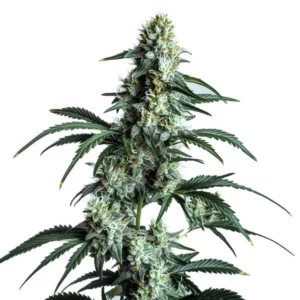
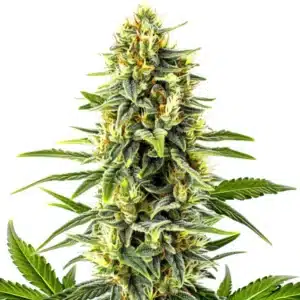
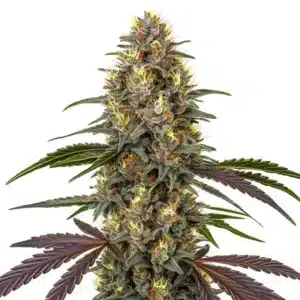
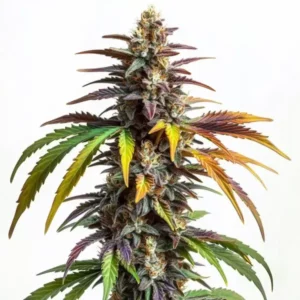
Sour Diesel

|
THC | 22% - 25% (Medium) |

|
Type | Feminized |

|
Yield | High |

|
Phenotype | 30% Indica / 70% Sativa |
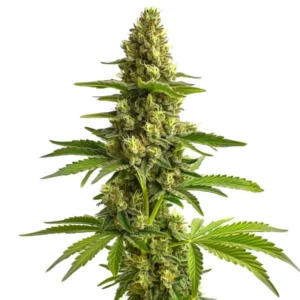
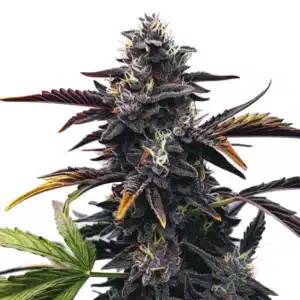
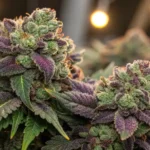
Bruce Banner #3
|
|
THC | 20% - 29% (High) |
|
|
Type | Feminized |
|
|
Yield | Medium |
|
|
Phenotype | 50% Indica / 50% Sativa |
Another element to consider is light exposure. UV light can cause cannabinoid breakdown. If you store your cannabis in a clear jar on a sunny windowsill, expect degraded quality. Instead, use opaque containers to shield your buds from harmful rays.
Temperature Impact on Cannabinoid Degradation
Temperature plays a pivotal role in how cannabinoids break down. When stored at high temperatures, cannabinoids like THC and CBD can degrade more quickly. This leads to a loss in potency and effectiveness. Blimburn Seeds Sour Diesel is one strain that requires careful temperature management during storage.
Optimal storage involves keeping your cannabis in a cool, stable environment. Aim for temperatures between 60-70°F. This range helps preserve the cannabinoids over time. It’s not just about storing cannabis; growing conditions also matter. High temperatures during growth can affect the cannabinoid profile of the plant.
The temperature impact on cannabinoid degradation is not limited to storage alone. During the drying and curing phases, maintaining a consistent temperature is crucial to prevent unwanted breakdown. Sudden temperature shifts can lead to uneven drying, which affects potency and flavor. For Blimburn Seeds’ strains, precise temperature control throughout these processes ensures the best quality product.
Moreover, knowing the relationship between temperature and humidity is important. While lower temperatures slow degradation, excessively low humidity can dry out your cannabis. This delicate balance is essential for maintaining the cannabinoid integrity that consumers expect. Recognizing what affects cannabinoid degradation can help you make informed decisions about storage and cultivation practices.
Promos & Deals

Light Exposure and Cannabinoid Breakdown
Light, especially UV light, is a known enemy of cannabinoids. When exposed to light, cannabinoids can degrade rapidly. This is why many growers prefer dark-colored jars or containers for storage. Blimburn Seeds Bruce Banner 3, for instance, can lose its unique properties if exposed to excessive light.
Using UV-blocking storage solutions can make a big difference. Consider storing your cannabis in a dark, cool place. Think of a basement or a closet where sunlight doesn’t reach. This practice not only maintains potency but also extends shelf life.
Light exposure and cannabinoid breakdown are critical considerations during the drying phase. While adequate light is necessary for growth, minimizing exposure during drying helps maintain the cannabinoid profile. Blimburn Seeds recommends using drying rooms with controlled light exposure to safeguard against unnecessary degradation.
Besides to using opaque containers, employing blackout curtains or light-proof storage areas can further reduce light exposure. These measures not only protect the cannabinoids but also preserve the aromatic compounds, contributing to a better overall experience. Knowing how different factors, including light exposure, affect cannabinoid degradation enables growers to optimize their storage solutions.
How Humidity Affects Cannabinoid Stability
Humidity is another critical factor. Too much moisture can lead to mold, which ruins cannabis. But too little can dry out the buds, affecting both flavor and potency. Blimburn Seeds’ Girl Scout Cookies strain thrives in balanced humidity conditions.
Maintaining the right humidity level is essential. Aim for a relative humidity of around 55-62%. This range helps to preserve cannabinoids while preventing mold. Use humidity packs or dedicated storage jars to achieve the perfect balance.
How humidity affects cannabinoid stability is particularly evident during the curing process. Proper curing involves maintaining a consistent humidity level to enhance flavor and potency while preventing microbial growth. Blimburn Seeds advises using hygrometers to monitor humidity levels closely, ensuring the best possible outcome.
Additionally, investing in climate-controlled storage solutions can help maintain humidity within the ideal range. This approach prevents fluctuations that can compromise cannabinoid integrity. By knowing what affects cannabinoid degradation, specifically how humidity plays a role, growers can fine-tune their processes to achieve premium quality cannabis.
Oxygen Influence on Cannabinoid Degradation
Oxygen, while essential for life, can degrade cannabinoids over time. When cannabis is exposed to air, cannabinoids start to oxidize, losing their potency. This is especially true for THC, which can convert to CBN, a less psychoactive compound.
Minimize oxygen exposure by using airtight containers. Vacuum-sealed bags or jars with tight seals work best. By reducing the amount of air that comes in contact with your cannabis, you slow down the degradation process significantly.
Oxygen influence on cannabinoid degradation is particularly challenging during the curing phase. While some airflow is necessary to prevent mold, excessive oxygen can accelerate degradation. Blimburn Seeds suggests using airtight containers post-curing to limit oxygen exposure and preserve cannabinoid content.
During storage, regularly checking the seals of your containers can prevent unwanted air exchange. This proactive approach helps maintain the potency and flavor of your cannabis over time. Recognizing how oxygen and other factors affect cannabinoid degradation allows growers to implement more effective preservation strategies.
Cannabinoid Degradation Factors in Storage
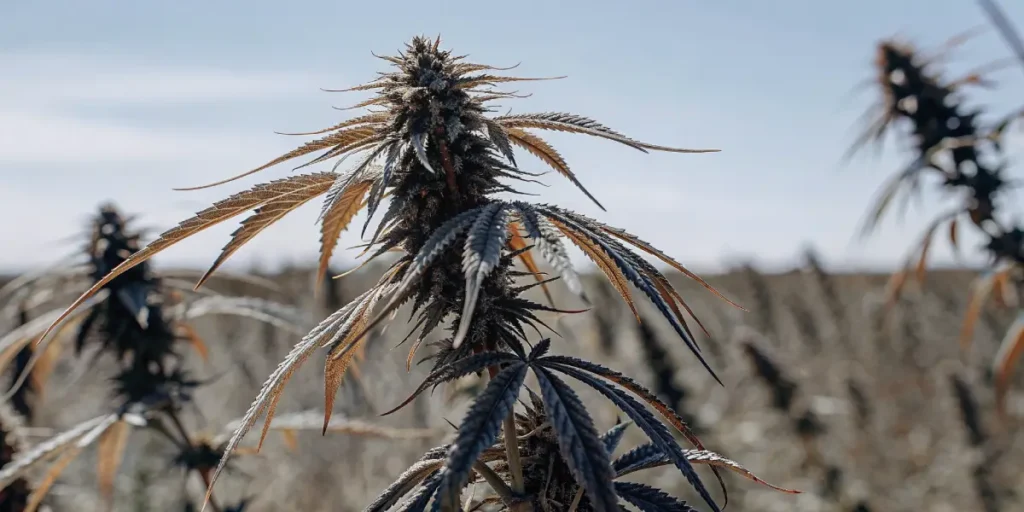
Storage conditions play a significant role in maintaining cannabinoid integrity. As we’ve discussed, temperature, light, humidity, and oxygen are all critical. But the type of container you use also matters.
Glass jars with airtight seals are a popular choice. They prevent air and moisture from affecting your cannabis. Avoid plastic containers, as they can leach chemicals and don’t provide a strong barrier against air or light.
Knowing cannabinoid degradation factors in storage can lead to better cannabis preservation. By selecting the right materials, growers can safeguard against unnecessary degradation. Blimburn Seeds emphasizes the importance of choosing quality storage solutions to protect valuable cannabinoid content.
Besides to the type of container, consider employing desiccants or oxygen absorbers to further protect your cannabis. These tools can help maintain an optimal environment within your storage, ensuring long-term freshness and potency. By learning what affects cannabinoid degradation, you can take proactive steps to enhance the longevity of your cannabis products.
FAQs about what affects cannabinoid degradation
How does temperature impact cannabinoid degradation?
Temperature is a major factor in cannabinoid degradation. High temperatures accelerate the breakdown of cannabinoids, leading to a loss in potency. It’s important to store cannabis in a cool environment to maintain its effects and flavor.
When growing cannabis, maintaining optimal temperatures is crucial. Fluctuations can stress the plant and affect cannabinoid development. Consistency is key to preserving the quality of your harvest.
Temperature control is also vital post-harvest to ensure cannabinoid stability. Blimburn Seeds recommends using climate-controlled environments for both short-term and long-term storage. Knowing the temperature impact on cannabinoid degradation helps growers maintain the highest quality products.
Additionally, monitoring temperature during transportation is important. Keeping cannabis within a stable temperature range prevents degradation during transit, ensuring that consumers receive a product with intact potency and flavor.
Why is light exposure a concern for cannabinoid stability?
Light exposure, especially UV light, can cause cannabinoids to degrade quickly. This results in a less potent product. To prevent this, store cannabis in dark, opaque containers away from direct sunlight.
During the growing phase, manage light exposure carefully. While plants need light, excessive amounts can be detrimental. Balance light conditions to optimize plant growth without compromising cannabinoid content.
Light exposure and cannabinoid breakdown are crucial considerations during every step of the cannabis lifecycle. Blimburn Seeds advises growers to implement strategies that minimize unnecessary light exposure to protect cannabinoid integrity.
Beyond storage, consider the use of UV-filtering films or coatings on windows in growing areas. These measures can significantly reduce harmful UV exposure, enhancing the stability and potency of your cannabis products.
How can humidity levels affect stored cannabis?
Humidity is crucial for maintaining cannabis quality. High humidity can lead to mold, while low humidity can dry out the buds, affecting taste and potency. Aim for a balanced humidity level to preserve cannabinoids.
Using humidity control packs can help maintain the ideal environment. These packs absorb or release moisture as needed, ensuring your cannabis stays fresh and potent.
Knowing how humidity affects cannabinoid stability helps growers and consumers alike achieve optimal preservation. Blimburn Seeds suggests regular monitoring of humidity levels to maintain the desired range for your specific strain.
Incorporating digital hygrometers can provide real-time data on humidity conditions, allowing for quick adjustments as needed. This proactive approach ensures that your cannabis remains potent and flavorful throughout its shelf life.
What role does oxygen play in cannabinoid degradation?
Oxygen exposure causes cannabinoids to oxidize, leading to degradation. This process reduces the potency of your cannabis. To minimize oxygen impact, store cannabis in airtight containers.
Limiting oxygen contact during storage preserves the quality of cannabinoids over time. This simple step can significantly extend the shelf life of your cannabis.
Oxygen influence on cannabinoid degradation can be mitigated with careful packaging. Blimburn Seeds recommends using vacuum sealing to eliminate excess air and protect your cannabis from oxidation.
For long-term storage, consider using inert gas flushes to displace oxygen within your containers. This advanced method further ensures that your cannabis remains potent and effective over extended periods.
Are there specific storage methods to prevent cannabinoid degradation?
Yes, proper storage is essential to prevent cannabinoid degradation. Use airtight, UV-blocking containers to protect your cannabis. Keep it in a cool, dark place to maintain its quality.
For long-term storage, consider freezing your cannabis. This method halts degradation processes, keeping cannabinoids stable. Just ensure your cannabis is well dried and cured before freezing.
Recognizing cannabinoid degradation factors in storage helps in choosing the best preservation methods. Blimburn Seeds highlights the importance of integrating multiple strategies to protect against all potential degradation avenues.
Besides to freezing, consider periodic inspections of your stored cannabis to ensure its condition remains optimal. By knowing what affects cannabinoid degradation, you can implement comprehensive storage solutions that preserve quality over time.