Expert Insights on Salmonella Risks in Cannabis Production Today

Salmonella risks in cannabis production are increasingly becoming a focal point for growers. These risks can surface at various stages, from seed to harvest. As cannabis gains popularity, knowing how to mitigate these risks ensures both safety and quality.
Salmonella contamination in cannabis cultivation begins at the most basic level. It can be introduced through water, soil, or even the hands of a grower. Regularly testing water sources and maintaining hygiene can significantly reduce these initial risks.
Recommended Strains
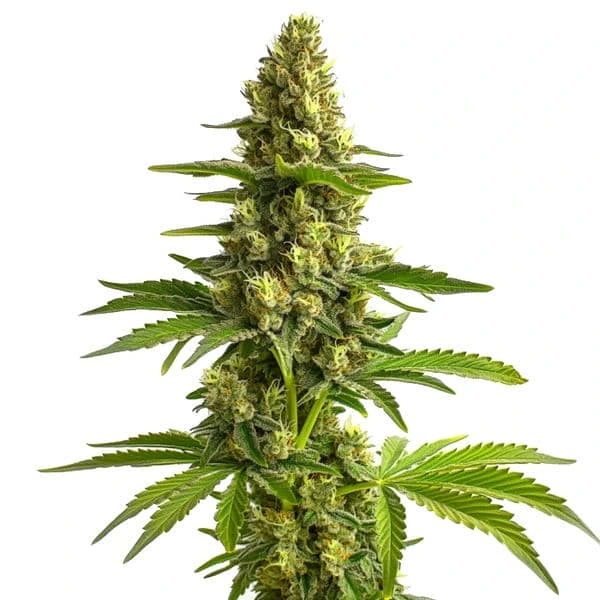
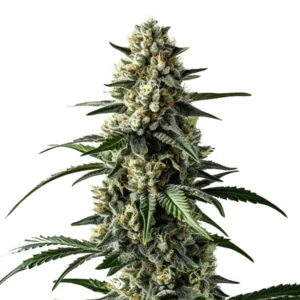
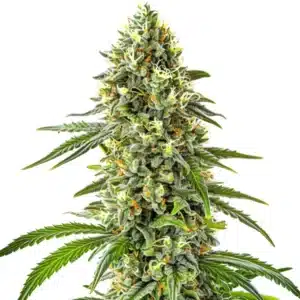
Bruce Banner #3

|
THC | 20% - 29% (High) |

|
Type | Feminized |

|
Yield | High |

|
Phenotype | 50% Indica / 50% Sativa |
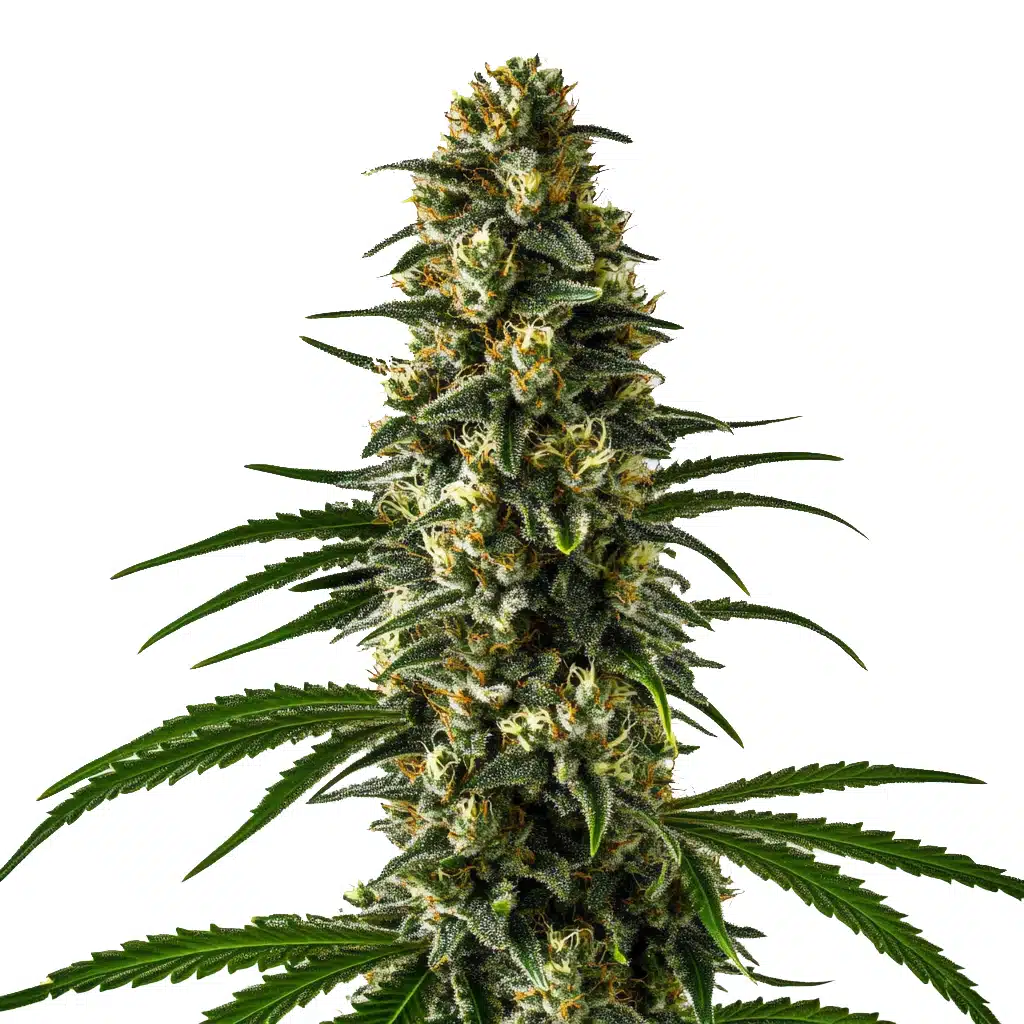
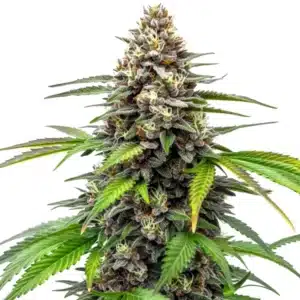
Girl Scout Cookies
|
|
THC | 18% - 25% (High) |
|
|
Type | Feminized |
|
|
Yield | High |
|
|
Phenotype | 60% Indica / 40% Sativa |
There’s a common misconception that cannabis plants are immune to such bacteria. However, salmonella can affect them just like any other crop. To prevent salmonella in cannabis growing, it’s crucial to maintain a clean environment and use sterile tools.
Salmonella Contamination in Cannabis Cultivation
Many growers believe that salmonella is a concern only for food products. However, this bacterium poses a threat to cannabis plants as well. Contaminated soil or water is often the culprit, leading to salmonella outbreak in cannabis plants.
One practical way to prevent this is by using clean and tested sources of water. Growers should regularly check their water for pathogens. This practice is not just about salmonella; it also helps in maintaining the overall health of the plants.
Furthermore, salmonella contamination in cannabis cultivation can severely impact the final product’s quality and safety for consumers. This makes it essential for growers to adopt preventive measures early in the cultivation process. Integrating organic soil amendments and natural pest control methods can also support a healthier growing environment, reducing the likelihood of salmonella risks in cannabis production.
Besides to water testing, soil testing is equally important. Through soil analysis, growers can detect and address any potential contamination sources before they become a more significant issue. By focusing on these preventive measures, the cannabis industry can advance towards safer and more reliable cultivation practices, ensuring consumer trust and satisfaction.
Preventing Salmonella in Cannabis Growing
Preventing salmonella starts with the basics. Begin with healthy seeds from reputable sources like Blimburn Seeds. They offer strains like Girl Scout Cookies, which are bred for resilience against various pathogens.
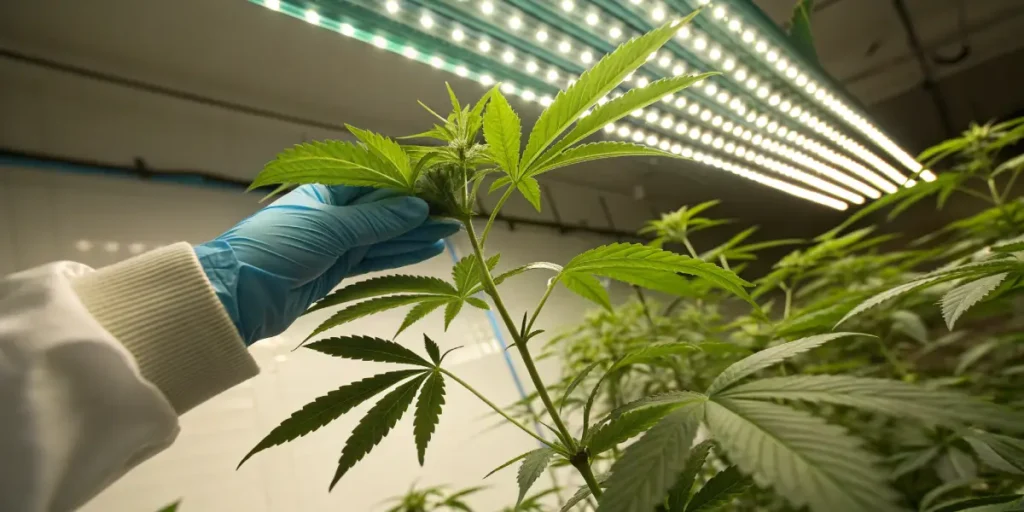
Maintaining cleanliness throughout the growing process is vital. Use gloves when handling plants and sanitize tools regularly. These small steps can make a big difference in reducing salmonella risks in cannabis production.
Apart from maintaining cleanliness, employing proper crop rotation and companion planting techniques can significantly aid in preventing salmonella in cannabis growing. By diversifying the plant ecosystem, growers can naturally deter pests and diseases that contribute to salmonella contamination.
Moreover, education and training for all personnel involved in cannabis cultivation can reinforce best practices and hygiene standards. Regular workshops and updates on the latest advancements in pathogen prevention can empower staff to effectively mitigate salmonella risks in cannabis production.
Risks of Salmonella in Cannabis Processing
Once harvested, cannabis is still at risk. During processing, the plants can be exposed to various contaminants, including salmonella. Ensuring that processing areas are clean and sterile is crucial for preventing contamination.
Blimburn Seeds Bruce Banner 3 strain is known for its robust growth, which can withstand many environmental stresses. However, even the hardiest strains need protection during processing to avoid salmonella risks.
To further minimize the risks of salmonella in cannabis processing, it’s important to implement a closed-loop system that minimizes direct contact between the product and handlers. This method reduces the chance of contamination and preserves the integrity of the cannabis product through each stage of processing.
Investing in high-quality processing equipment that can be easily cleaned and sanitized is another essential step. Regular maintenance checks and cleaning schedules should be established to ensure all equipment remains free from potential contaminants, including salmonella.
Salmonella Testing in Cannabis Industry
As the cannabis industry grows, so does the importance of testing. Salmonella testing in cannabis industry settings is critical for consumer safety. Testing labs are increasingly equipped with technology to detect bacterial contamination early.
Growers can send samples for testing or invest in on-site testing kits. Knowing how to use these kits effectively can provide peace of mind and protect your business from potential outbreaks.
Implementing a comprehensive testing regime is vital for detecting any salmonella contamination early in the production cycle. By leveraging advanced testing technologies, growers can swiftly identify and address potential risks, maintaining the quality and safety of their products.
Moreover, collaboration with certified testing labs provides an additional layer of assurance. These partnerships can help growers stay informed about new testing methods and regulatory requirements, ensuring compliance and enhancing consumer trust in their products.

Promos & Deals


FAQs About Salmonella Risks in Cannabis Production
How does salmonella contamination occur in cannabis cultivation?
Salmonella contamination often begins with the environment. Contaminated water or soil can introduce bacteria to the cannabis plants. Additionally, inadequate sanitation practices can increase the risk of contamination during handling and processing.
To combat this, growers should regularly test their water sources and soil. Using sterilized tools and wearing gloves during plant handling can further minimize contamination risks.
What steps can I take to prevent salmonella in cannabis growing?
Prevention starts with clean practices. Purchase seeds from reputable suppliers like Blimburn Seeds, known for their quality standards. Maintaining a clean growing environment is also essential.
Using tested water, sanitizing tools, and wearing protective gear are effective preventative measures. Regularly training staff on hygiene can further help in preventing salmonella in cannabis growing.
Are some cannabis strains more resistant to salmonella than others?
While no strain is entirely immune, certain strains may exhibit more resilience due to their genetic makeup. For instance, Blimburn Seeds offers strains like “Girl Scout Cookies,” which have been noted for their hardiness.
However, regardless of strain, maintaining proper growing and processing conditions is key to minimizing salmonella risks in cannabis production.
How can I ensure my cannabis processing area is salmonella-free?
Ensuring a salmonella-free processing area requires strict hygiene protocols. Regular cleaning and sanitization of surfaces and equipment are essential.
Training staff on proper hygiene practices is crucial. Implementing a routine testing schedule can also help detect any potential contamination early.
What should I do if I suspect a salmonella outbreak in my cannabis plants?
If you suspect an outbreak, immediate action is necessary. Isolate affected plants to prevent the spread. Send samples for testing to confirm the presence of salmonella.
Review and enhance your sanitation practices. Consider consulting with experts to identify the source of contamination and take corrective measures to prevent future occurrences.