Expert Guide: Solving Nutrient Absorption Issues in Cannabis Plants

Nutrient absorption issues in cannabis plants can be a grower’s nightmare. These issues can lead to stunted growth and poor yields. The key to flourishing plants is ensuring they receive the right nutrients effectively. Let’s dive into how you can tackle these problems.
A common hurdle is nutrient lockout. This happens when cannabis plants can’t take in the nutrients available in the soil. Causes often include incorrect pH levels or salt buildup. Regularly checking pH levels and flushing the soil can be simple yet effective solutions.
Recommended Strains
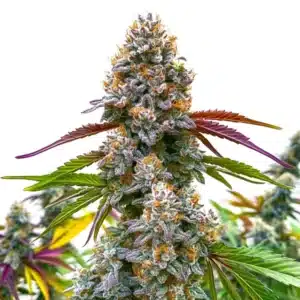
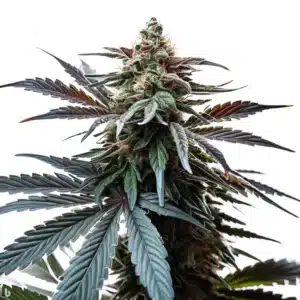
Critical Daddy Purple

|
THC | 19% (Medium) |

|
Type | Feminized |

|
Yield | High |

|
Phenotype | 50% Indica / 50% Sativa |

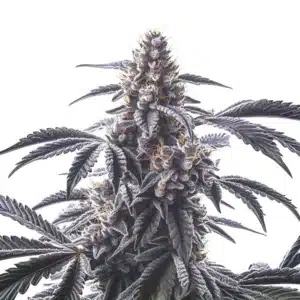
Blackberry Moonrocks
|
|
THC | 26% - 33% (High) |
|
|
Type | Feminized |
|
|
Yield | High |
|
|
Phenotype | 80% Indica / 20% Sativa |
Consider the cannabis strain you’re growing. For example, Blimburn Seeds’ Critical Daddy Purple has specific nutrient needs. Adjusting your feeding schedule to match the strain can improve nutrient uptake in marijuana plants.
Diagnosing Nutrient Absorption Problems
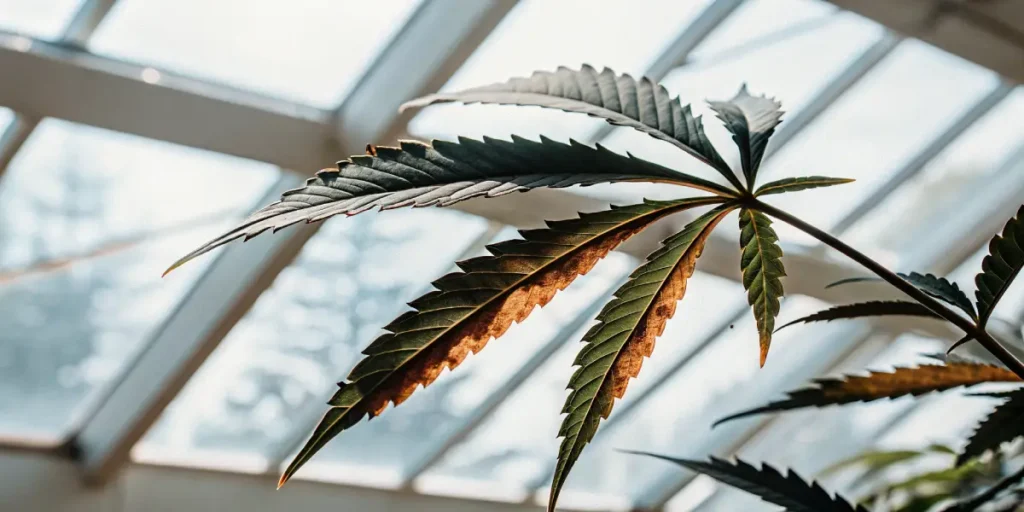
Identifying nutrient absorption issues in cannabis plants early can save a lot of hassle. Watch for signs like yellowing leaves or slow growth. These are often indicators of nutrient deficiencies. For instance, if leaves turn yellow starting from the edges, you might be dealing with a potassium deficiency.
Another sign is the purpling of stems, which may indicate a phosphorus shortfall. Knowing these signs helps in diagnosing cannabis nutrient deficiencies effectively. Use this knowledge to make quick adjustments to your nutrient regimen.
Knowing the common nutrient absorption problems in cannabis is crucial for any grower. Issues such as nutrient lockout can often be traced back to pH imbalances or excessive salt levels in the soil. By learning to recognize these problems early, you can prevent them from escalating into major setbacks for your plants.
Regular monitoring and note-taking can significantly enhance your ability to diagnose problems. Develop a routine of checking your plants for visual symptoms and testing the growing medium. This proactive approach is a cornerstone of maintaining plant health and ensuring robust growth.
Promos & Deals


Practical Solutions for Nutrient Deficiencies
Once you’ve identified nutrient deficiencies, it’s time to act. Start by adjusting the pH of your growing medium. A pH level between 6.0 and 7.0 is ideal for soil, while 5.5 to 6.5 suits hydroponic setups. This adjustment can resolve many common nutrient absorption problems in cannabis.
Consider using organic fertilizers. They can improve soil health and enhance nutrient uptake. Products rich in beneficial microbes are particularly effective. These microbes help break down nutrients into forms that cannabis plants can easily absorb.
Integrating cannabis plant nutrient deficiency solutions into your routine is vital for long-term success. Tailor your approach by identifying the specific nutrients lacking and addressing them directly. This targeted strategy can prevent recurring deficiencies and promote overall plant health.
Experiment with different types of organic fertilizers to find what works best for your plants. Each growing environment is unique, and sometimes it takes a bit of trial and error to find the perfect balance. Keep track of what you try and the results to refine your methods over time.
Choosing the Right Strains for Better Nutrient Absorption
Some cannabis strains are more resilient to nutrient problems. For instance, Blimburn Seeds’ GG4 is known for its robust nature. It’s more forgiving when it comes to nutrient fluctuations, making it a good choice for beginners.
Experienced growers might opt for strains like Blackberry Moonrocks from Blimburn Seeds. This strain can showcase its full potential when the nutrient regime is just right. Tailoring the feeding schedule to such strains can lead to impressive results.
When selecting strains, it’s critical to consider their genetic predisposition to nutrient absorption issues in cannabis plants. Some strains naturally manage nutrient uptake more efficiently, reducing the stress of managing a precise nutrient regime.
Evaluate the growth conditions you can provide and match them with strains that thrive in similar environments. Strains that demand less rigorous nutrient management can be particularly beneficial for novice growers or those working with limited resources.
Improving Nutrient Uptake
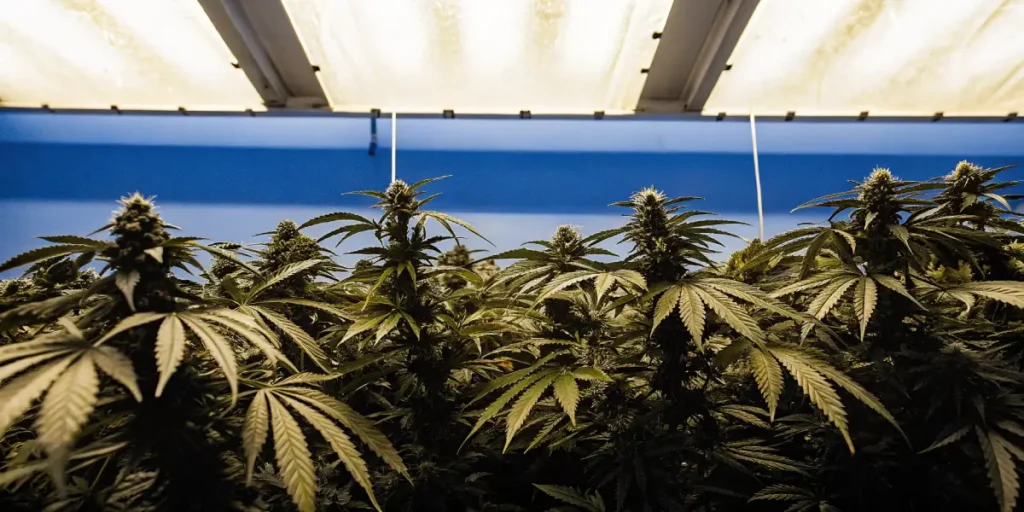
Enhancing nutrient uptake involves more than just adjusting pH levels. Aerating the soil can significantly improve nutrient absorption. This is especially important in dense soils where roots struggle to access nutrients.
Another method is ensuring proper watering. Overwatering can lead to nutrient lockout by suffocating the roots. Aim for a consistent watering schedule that allows the soil to dry out slightly between waterings.
Improving nutrient uptake in marijuana plants often requires a holistic approach. Beyond adjusting physical parameters, consider the biological aspects of your growing medium. Incorporating beneficial fungi and bacteria can create a symbiotic environment that supports robust nutrient absorption.
Additionally, the use of supplements designed to enhance root health can be a game-changer. These products can fortify the plant’s ability to draw nutrients effectively, ensuring consistent growth and vitality throughout the plant’s lifecycle.
Preventing Future Nutrient Absorption Issues
Prevention is better than cure when it comes to nutrient absorption issues in cannabis plants. Regularly testing your soil or growing medium can help you spot potential problems before they become serious.
Maintaining a clean growing environment also reduces the risk of nutrient issues. Ensure your equipment is free from residue buildup, which can affect nutrient uptake. Keeping your grow space tidy can prevent many common nutrient absorption problems in cannabis.
Implementing a regular maintenance schedule is a proactive way to prevent nutrient absorption issues. By consistently monitoring environmental conditions and making necessary adjustments, you can keep potential problems at bay and encourage healthy plant growth.
Education is another powerful tool. Stay informed about the latest techniques and products available for managing nutrient absorption. Being well-versed in current best practices will equip you with the knowledge to handle any challenges that arise effectively.

FAQs about nutrient absorption issues in cannabis plants
What are the first signs of nutrient lockout in cannabis?
Nutrient lockout often starts with yellowing leaves or brown spots. This indicates that the plant is not absorbing nutrients despite their presence in the soil. You might also see curled leaf tips, which is another sign.
These symptoms appear because the plant is starving for nutrients. It’s crucial to check the pH levels of your growing medium. Adjusting the pH can often resolve these signs of nutrient lockout in cannabis.
Besides to visual symptoms, a decline in overall plant vigor can also signal nutrient lockout. If you notice stunted growth alongside discolored leaves, it may be time to investigate the root of the problem by testing your soil and nutrient solutions.
Addressing the root causes of lockout involves more than just treating the symptoms. By knowing the underlying issues such as pH imbalances or salt accumulation, you can take corrective measures to restore the plant’s ability to absorb nutrients.
How can I diagnose cannabis nutrient deficiencies effectively?
Diagnosing nutrient deficiencies starts with observing your plants. Look for visual cues like leaf discoloration or abnormal growth patterns. Each nutrient deficiency presents specific symptoms, such as nitrogen deficiency making leaves pale.
Using a nutrient deficiency chart can be helpful. It matches visual symptoms with potential deficiencies, guiding you in making the right adjustments. Regular observation and note-taking can improve your diagnostic skills over time.
Effective diagnosis also involves knowing the interactions between different nutrients. Sometimes, an excess of one nutrient can lead to a deficiency in another, complicating the diagnosis. A well-rounded knowledge of plant nutrition helps in making accurate assessments.
Technology can assist in diagnosing cannabis nutrient deficiencies effectively. Tools like soil testing kits and digital pH meters provide accurate data, allowing you to make informed decisions about nutrient management and potential adjustments needed.
What are some cannabis plant nutrient deficiency solutions?
Solutions depend on the deficiency. For nitrogen deficiency, increase the nitrogen in your feeding schedule. If it’s a magnesium issue, consider adding Epsom salts to your water. Tailor your solution to the specific deficiency.
Consistent monitoring is key. By keeping a close eye on nutrient levels and plant health, you can make timely adjustments. This proactive approach is crucial for maintaining healthy cannabis plants.
Utilizing cannabis plant nutrient deficiency solutions often involves integrating both immediate and long-term strategies. Quick fixes can address acute symptoms, while sustainable practices ensure ongoing plant health and resilience against future deficiencies.
Documenting the effectiveness of various solutions helps refine your approach over time. Keeping detailed records of what works and what doesn’t allows for more precise adjustments, ultimately enhancing your ability to grow healthy, vibrant cannabis plants.
How can I improve nutrient uptake in marijuana plants?
Improving nutrient uptake involves creating the best possible root environment. Ensure your plants have access to well-aerated soil and a balanced pH. These conditions help roots absorb nutrients more efficiently.
Additionally, consider using supplements that enhance root health. Products with beneficial microbes can increase nutrient availability. These microbes break down nutrients, making them easier for plants to absorb.
Beyond physical amendments, improving nutrient uptake in marijuana plants can be achieved through optimizing light and temperature conditions. Proper lighting enhances photosynthesis, which is crucial for nutrient absorption and overall plant health.
Regularly rotating your crops and ensuring adequate space between plants can also improve nutrient uptake. This practice prevents overcrowding, allowing each plant to access sufficient light and nutrients from the soil, leading to healthier growth.
What are common nutrient absorption problems in cannabis?
Common problems include nutrient lockout and pH imbalances. These issues prevent plants from taking in the nutrients available to them. Salt buildup in the soil can also lead to absorption problems.
To tackle these problems, regularly flush your soil to remove excess salts. Keep a keen eye on pH levels and adjust as necessary. These steps can help prevent and resolve nutrient absorption issues in cannabis plants.
Another common issue is the use of poor-quality water, which can introduce unwanted minerals or disrupt the nutrient balance. Using filtered or distilled water can mitigate this risk and help maintain optimal nutrient absorption conditions.
Environmental factors such as temperature and humidity can also contribute to nutrient absorption issues. Extreme conditions can stress plants, hindering their ability to take up nutrients effectively. Ensuring a stable growing environment is crucial for healthy nutrient uptake.