Expert Guide: Should Beginner Cannabis Growers Use Sap or Tissue Testing?

When stepping into the world of cannabis cultivation, the options can seem overwhelming. One common question is: Should beginner cannabis growers use sap or tissue testing? Both methods offer valuable insights into the nutrient status of your cannabis plants, but determining which one is right for you depends on your experience level, growing setup, and desired precision.
It’s important to balance the need for precise information with the simplicity that beginners often seek. Sap testing and tissue testing each provide unique benefits, and knowing these can guide your decision. Let’s break it down into digestible chunks.
Recommended Strains
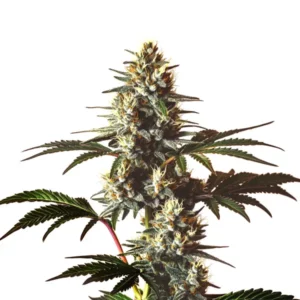
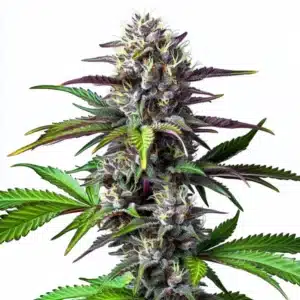
Super Silver Haze

|
THC | 22% - 24% (Medium) |

|
Type | Feminized |

|
Yield | High |

|
Phenotype | 10% Indica / 90% Sativa |

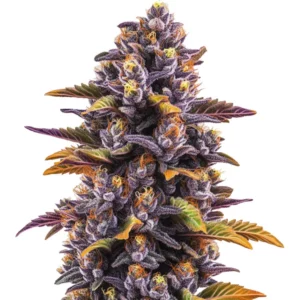
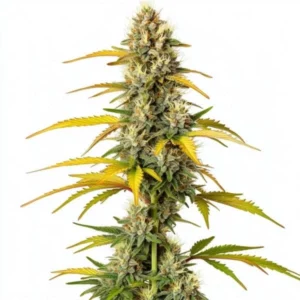
GG4
|
|
THC | 27% (High) |
|
|
Type | Feminized |
|
|
Yield | High |
|
|
Phenotype | 40% Indica / 60% Sativa |
What is Sap Testing?
Should beginner cannabis growers use sap or tissue testing? Sap testing involves analyzing the liquid that flows within the plant. This method gives a snapshot of the nutrients available in real-time. For beginner cannabis growers, sap testing benefits include immediate feedback on plant health, which can be crucial during those early stages of learning.
Imagine you have a cannabis strain like GG4 from Blimburn Seeds. With sap testing, you can quickly determine if nutrients are properly reaching the plant’s growing tips. This helps in adjusting your nutrient delivery on-the-fly, ensuring robust growth and potent buds.
Additionally, sap testing can be advantageous for adjusting feeding schedules based on actual plant needs rather than predetermined nutrient plans. This flexibility can be especially useful for strains that are sensitive to nutrient variations. Knowing the importance of sap and tissue testing in cannabis cultivation can greatly improve the chances of success for novice growers.
One of the notable beginner cannabis growers sap testing benefits is the prevention of nutrient lockout by detecting imbalances early. This can save time and resources that would otherwise be spent trying to diagnose and correct issues after they have already affected plant health and yield.
How Does Sap Testing Work?
The process involves extracting sap from the petiole, the small stalk attaching a leaf to the stem. This sap is then analyzed for nutrient content. Beginners might find the process a bit technical, but the payoff is real-time data that helps in making quick decisions.
For instance, if you notice the leaves of your Blue Dream strain turning yellow, sap testing can quickly reveal a nitrogen deficiency. Addressing this immediately can save your plant from irreversible damage.
The technical nature of sap testing may initially deter some beginners, but with guidance and practice, it becomes a straightforward task. Many growers find that the investment in learning sap testing techniques pays off with healthier plants and improved yields.
Furthermore, using sap testing as a regular part of your growing routine can lead to more consistent results. By monitoring nutrient levels closely, growers can prevent fluctuations that might otherwise lead to stress or reduced plant performance.
Promos & Deals

What is Tissue Testing?
Tissue testing, on the other hand, involves analyzing the plant’s physical structure. It’s a bit like getting a full-body check-up for your plant. Tissue testing for novice cannabis cultivators is a reliable method to understand long-term nutrient absorption.
For those growing a hardy strain like Super Silver Haze from Blimburn Seeds, tissue testing can provide insights into how well nutrients have been absorbed over time. This is particularly useful in identifying chronic deficiencies that sap testing might miss.
Knowing the long-term health of your plants through tissue testing can reveal trends that may not be immediately apparent. This method is especially valuable for diagnosing issues that develop slowly over time, allowing growers to make informed adjustments.
Additionally, tissue testing can be a valuable tool in fine-tuning nutrient programs to optimize plant performance. By regularly analyzing tissue samples, growers can ensure their plants receive the right balance of nutrients, enhancing overall plant vigor and productivity.
How Does Tissue Testing Work?
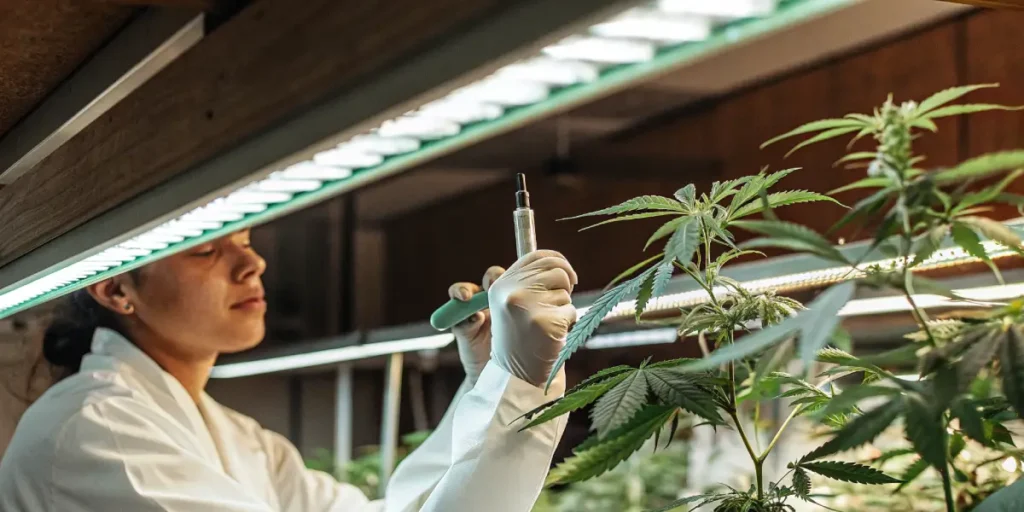
With tissue testing, you collect a sample of the plant’s leaves or stems. These samples are then sent to a laboratory for analysis. This method is less immediate than sap testing, as results can take some time to return. However, it provides a more comprehensive overview of your plant’s health.
If you’re growing indoors and notice your cannabis plants are not flowering as expected, tissue testing can reveal deficiencies in phosphorus or potassium, allowing you to adjust your nutrient mix accordingly.
Tissue testing may require patience due to the waiting period for lab results, but the detailed data it provides can be crucial for strategic planning. This method supports a proactive approach to managing plant health, offering a roadmap for future nutrient adjustments.
For those looking to refine their cultivation practices, tissue testing offers a wealth of information that can inform both current and future growing cycles. By knowing past nutrient absorption, growers can better predict and meet the needs of their plants.
Sap vs Tissue Testing: Which is Better for Beginners?
Deciding between sap vs tissue testing for cannabis beginners ultimately comes down to personal preference and budget. Sap testing offers immediate results, making it suitable for those who want to act quickly. Tissue testing, meanwhile, provides a detailed analysis ideal for long-term planning.
For beginners growing strains like White Widow, choosing between these methods depends on your growth goals. If you’re aiming for quick, responsive care, sap testing might be your best bet. If you’re focused on knowing long-term plant health, tissue testing could be more beneficial.
Should beginner cannabis growers use sap or tissue testing? The choice may also depend on the equipment and resources available. Some might start with sap testing for its immediacy, while others might find the depth of tissue testing more reassuring for long-term cultivation strategies.
Combining both methods can provide a comprehensive knowing of plant health, offering immediate insights with sap testing and in-depth analysis through tissue testing. This dual approach can be particularly effective in maximizing plant health and yield.
Practical Cannabis Growing Tips with Sap and Tissue Analysis
Regardless of the method you choose, integrating sap and tissue analysis into your growing routine can enhance your knowing of plant health. Start simple. Begin by testing one plant to see how it impacts your growing technique.
Consider keeping a journal of your results. Note down any changes you make and the effects they have on your plants. This can help refine your approach over time, leading to better harvests.
Experimentation is key to optimizing your growing practices. By using both sap and tissue analysis, you can trial different nutrient regimens and growing conditions, tailoring your approach to the specific needs of your plants.
Remember that the importance of sap and tissue testing in cannabis cultivation extends beyond immediate plant health. These methods can help you build a wealth of knowledge about your plants, contributing to more successful future grows.
FAQs about Should beginner cannabis growers use sap or tissue testing?
What is the main advantage of sap testing for beginner growers?
Sap testing provides real-time data on the nutrient status of your cannabis plants. This immediate feedback allows beginners to make quick adjustments to their nutrient regimen, potentially saving plants from nutrient deficiencies that could stunt growth or reduce yield.
For example, if a beginner notices yellowing leaves on their GG4 plants, sap testing can quickly diagnose a nitrogen deficiency. By addressing this issue promptly, growers can prevent further damage and ensure healthy plant development.
Moreover, the ability to make rapid adjustments based on sap testing results can be a game-changer for new growers. This adaptability is one of the standout beginner cannabis growers sap testing benefits, offering a safety net during the learning curve of cultivation.
Implementing sap testing as part of a regular routine can also help beginners develop a deeper knowing of their plants’ nutritional needs, paving the way for more confident and successful growing endeavors.
Is tissue testing too complicated for novice cannabis cultivators?
Tissue testing might seem complex at first, but it offers detailed insights into your plants’ long-term nutrient absorption. While it requires sending samples to a lab, the results provide a thorough health overview, which can be invaluable for planning nutrient schedules.
For novice growers using strains like Super Silver Haze, tissue testing can highlight deficiencies that are not immediately apparent, enabling them to make informed decisions and adjustments to their growing practices.
Despite its initial complexity, tissue testing for novice cannabis cultivators can become a straightforward and rewarding process with time. The insights gained from lab results can guide growers in creating more effective nutrient plans.
Knowing the value of tissue testing can also help new growers develop a more scientific approach to cultivation, encouraging a mindset of continuous learning and improvement in their growing practices.
How often should sap testing be conducted?
For the best results, sap testing should be done regularly, especially during critical growth phases like vegetative growth and flowering. This consistent monitoring helps in catching nutrient imbalances early.
For instance, during the flowering phase of Blue Dream, frequent sap testing can ensure that nutrient levels are optimal for bud development, leading to larger and more potent yields.
Regular sap testing can be particularly beneficial during periods of rapid growth or environmental changes. This proactive approach ensures that plants receive the necessary nutrients at each stage of development.
By incorporating consistent sap testing into your routine, you can minimize the risk of nutrient imbalances, ultimately leading to healthier plants and more successful harvests.
Can sap and tissue testing be used together?
Absolutely, using both methods can provide a comprehensive knowing of your cannabis plants’ health. Sap testing offers immediate insights, while tissue testing provides a long-term perspective.
For a balanced approach, consider using sap testing for quick adjustments and tissue testing for strategic planning. This combination can help you achieve the best results for your cannabis strains.
The integration of both sap and tissue testing methods can lead to a more holistic approach to cannabis cultivation. By addressing both immediate and long-term plant health, growers can optimize their practices for better results.
This dual strategy also allows for a greater degree of flexibility and adaptability in response to plant needs, enhancing the overall effectiveness of your cultivation efforts.
Are there any specific tools required for sap or tissue testing?
Sap testing requires specialized equipment to extract and analyze plant sap. Although the initial investment might be high, the benefits of real-time data can justify the cost for serious growers.
Tissue testing, meanwhile, involves collecting plant samples and sending them to a lab. While this process is less immediate, the detailed analysis it provides makes it a valuable tool for any cannabis grower.
The choice of equipment will depend on the method you choose and your specific growing goals. Investing in the right tools can enhance your ability to monitor and respond to plant health issues effectively.
Growers should consider their budget and long-term goals when deciding on equipment for sap and tissue testing. The right tools can be a worthwhile investment in the pursuit of healthier plants and higher yields.