Expert Guide: Proven Cannabis Stress Signs and Leaf Chlorosis Fixes

Cannabis plants are sensitive beings. They communicate through their leaves, showing signs of stress and chlorosis. When leaf color changes occur, it’s a clear indicator that your plant is trying to tell you something. Knowing cannabis stress signs and leaf chlorosis is essential, as ignoring these signals can lead to severe plant health issues and reduced yields.
One common issue growers face is cannabis leaf yellowing causes. Leaves may yellow due to various factors such as nutrient deficiencies, overwatering, or environmental stressors. Addressing these issues promptly ensures a healthier plant and a bountiful harvest.
Recommended Strains

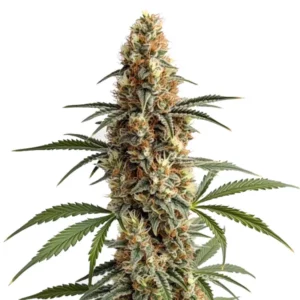
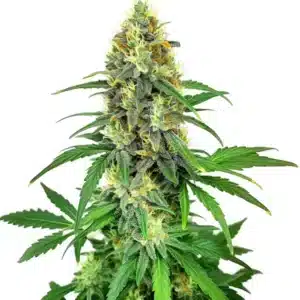
Blue Dream

|
THC | 17% - 24% (Medium) |

|
Type | Feminized |

|
Yield | High |

|
Phenotype | 50% Indica / 50% Sativa |
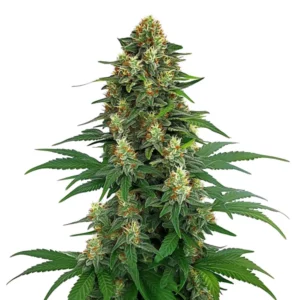
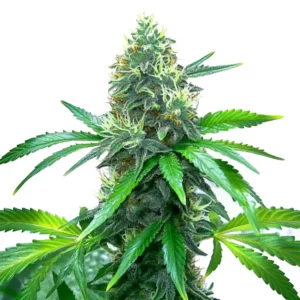
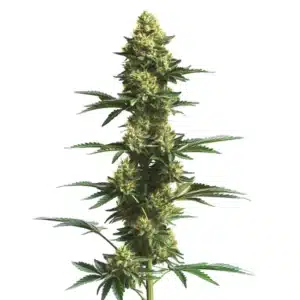
Tangie
|
|
THC | 19% - 22% (Medium) |
|
|
Type | Feminized |
|
|
Yield | High |
|
|
Phenotype | 30% Indica / 70% Sativa |
To help you navigate these challenges, let’s dive into the signs of stress in cannabis plants and how to fix them. Whether you’re a first-time grower or a seasoned pro, these tips will help you keep your plants vibrant and healthy.
Knowing Cannabis Stress
Stress in cannabis plants can manifest in many ways. One of the most visible signs is leaf discoloration. This can result from environmental factors, nutrient imbalances, or pest infestations. Recognizing these signs early can prevent further damage.
Leaf chlorosis, or yellowing, is often the first sign of distress. It indicates that the plant is not producing enough chlorophyll. This can be due to nutrient deficiencies, such as a lack of nitrogen, which is crucial for chlorophyll production. Addressing this quickly can help your plant recover.
Another important aspect of knowing cannabis stress signs and leaf chlorosis is identifying the environmental conditions contributing to plant stress. Factors such as temperature fluctuations, high humidity, or poor ventilation can exacerbate stress symptoms. Ensuring optimal growing conditions can mitigate these signs of stress in cannabis plants.
Additionally, pests and diseases can cause significant stress to cannabis plants. Regular inspections for signs of infestation, like spider mites or aphids, are crucial. Implementing integrated pest management strategies can help maintain plant health and reduce the risk of leaf chlorosis and other stress symptoms.
Diagnosing Cannabis Leaf Chlorosis
Diagnosing cannabis leaf chlorosis requires a keen eye. You’ll need to consider the overall condition of your plant. Are the yellowing leaves concentrated at the bottom, or are they spread throughout? Lower leaf yellowing often points to a nitrogen deficiency, while yellowing at the top could indicate a lack of iron.
Another factor to consider is the pattern of the yellowing. If the veins remain green while the rest of the leaf turns yellow, it may indicate a magnesium deficiency. This nutrient is vital for the plant’s photosynthesis process.
When diagnosing cannabis leaf chlorosis, it’s essential to assess external factors such as light intensity and watering practices. Excessive light can cause leaf burn, while inadequate lighting might slow down chlorophyll production, leading to yellowing. Similarly, inconsistent watering schedules can stress the plant, causing its leaves to yellow.
Moreover, it’s beneficial to observe the plant’s growth medium for signs of imbalance. Compacted soil can limit root growth and nutrient uptake, contributing to chlorosis. Using well-aerated soil or a hydroponic system can improve nutrient delivery and prevent the symptoms associated with nutrient deficiencies.
Promos & Deals

Fixing Cannabis Stress Signs
Once you’ve identified the stress signs, it’s time to take action. Start by adjusting the environment. Ensure that your plants are getting the right amount of light, water, and nutrients. Overwatering is a common mistake that can lead to root rot and yellow leaves.
Next, consider supplementing with nutrients. If you’ve identified a deficiency, such as nitrogen or magnesium, use a balanced fertilizer to correct it. Blimburn Seeds offers strains like Blue Dream, which are known for their resilience against stress and nutrient deficiencies.
Besides to environmental adjustments, consider using organic supplements to improve soil health and boost the plant’s resilience against stress. Products rich in beneficial microbes can enhance nutrient availability, reducing the chances of cannabis nutrient deficiency symptoms.
Furthermore, incorporating stress-resistant strains from Blimburn Seeds into your garden can provide an extra layer of protection. These strains are bred for hardiness, making them less susceptible to common stress factors such as nutrient imbalances and environmental disturbances.
Practical Cannabis Plant Stress Recovery Tips
Recovering a stressed cannabis plant requires patience and consistency. Start by removing the damaged leaves. This helps the plant conserve energy and focus on new growth. Be gentle when pruning to avoid further stress.
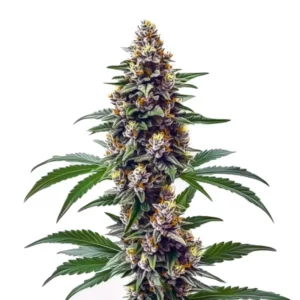
Monitor your plant’s progress closely. If you notice improvements, continue with your adjusted care routine. Strains like GG4 from Blimburn Seeds are known for their robust growth and can bounce back quickly with the right care.
Another effective cannabis plant stress recovery tip is to maintain a consistent feeding schedule. This ensures that plants receive nutrients evenly, preventing deficiencies that could cause further stress. Tracking feeding times and amounts can help you identify any discrepancies that might contribute to stress.
Additionally, using mulches or cover crops can protect the root zone from temperature extremes and moisture loss, further supporting stress recovery. This natural approach can help regulate soil temperature and retain moisture, providing a stable environment for recovery.

Choosing the Right Strains
Some cannabis strains are more resilient to stress than others. When selecting seeds, consider those that are known for their hardiness. Blimburn Seeds offers a variety of strains that cater to different growing conditions and stress levels.
For example, the Tangie strain from Blimburn Seeds is praised for its resistance to common pests and adaptability to different environments. This makes it a great choice for beginners and those dealing with stress issues in their plants.
Choosing the right strain is crucial in managing cannabis stress signs and leaf chlorosis. Strains with a strong genetic background are more likely to withstand the pressures of indoor and outdoor environments, reducing the risk of stress-related issues.
When selecting strains, research their specific growing needs and resistance levels. Opting for varieties with known resilience can lead to fewer problems and more successful harvests. Blimburn Seeds offers detailed strain profiles to guide you in making informed decisions.
- Monitor leaf color for early signs of stress.
- Check soil pH regularly to ensure optimal nutrient absorption.
- Consider strains known for stress resistance, like Blue Dream or GG4.
- Adjust watering schedules to avoid overwatering.
- Use balanced fertilizers to address nutrient deficiencies.
FAQs about cannabis stress signs and leaf chlorosis
What are the common cannabis leaf yellowing causes?
Leaf yellowing in cannabis can result from a variety of causes. Nutrient deficiencies, such as a lack of nitrogen, magnesium, or iron, are common culprits. These nutrients are essential for chlorophyll production, which keeps leaves green and healthy.
Environmental stressors like overwatering, poor lighting, and extreme temperatures can also lead to yellowing leaves. It’s crucial to maintain a balanced environment to prevent stress. Regularly checking soil moisture and adjusting light exposure can help keep your plants healthy.
Besides to these common causes, improper pH levels can also lead to yellowing leaves. When the pH of the soil is too high or too low, it can hinder nutrient absorption, resulting in chlorosis. Regular pH testing is an essential step in preventing this issue.
Another potential cause of leaf yellowing is root damage. Compacted soil or root-bound pots can restrict root growth and nutrient uptake, leading to stress and yellowing. Ensuring that plants have adequate space and well-draining soil is key to avoiding these problems.
How can I identify signs of stress in cannabis plants?
Stress signs in cannabis plants often include leaf discoloration, wilting, and stunted growth. Discolored leaves, especially yellowing, are a primary indicator. It’s essential to observe these signs early to take corrective measures.
Other stress indicators include curling leaves or browning edges. These can suggest water or nutrient issues. Regular monitoring and adjusting your care routine can prevent these problems from escalating.
Paying attention to growth patterns can also help identify stress signs. A sudden halt in growth or a noticeable decrease in vigor could indicate underlying issues such as nutrient deficiencies or pest infestations. Swift intervention can prevent further damage.
It’s also important to note any changes in the plant’s physical structure, such as drooping or brittle stems. These can be signs of environmental stress or nutrient imbalances. Regular inspections and adjustments to care practices can help alleviate these symptoms.
What are the cannabis nutrient deficiency symptoms?
Nutrient deficiency symptoms vary depending on the lacking nutrient. For instance, nitrogen deficiency often causes yellowing of older leaves, while magnesium deficiency can result in yellowing between leaf veins.
Other symptoms may include purpling of stems, which might indicate a phosphorus shortage, or stunted growth due to a calcium deficiency. A balanced nutrient regimen is crucial to prevent these issues.
Besides to these common symptoms, potassium deficiency can cause leaf edges to become brown and crispy. This vital nutrient plays a key role in water regulation and overall plant health. Addressing potassium shortages promptly can prevent further stress.
Iron deficiency, although less common, is another issue that can lead to leaf chlorosis. It often presents as yellowing between leaf veins on new growth. Ensuring that your nutrient solution or soil contains adequate iron can help prevent this deficiency.
How do I go about diagnosing cannabis leaf chlorosis?
Diagnosing chlorosis involves examining the affected leaves. Observe whether the yellowing occurs uniformly or if specific patterns emerge, such as green veins on yellow leaves, which can indicate magnesium deficiency.
Testing soil or water pH levels can also aid in diagnosing chlorosis. Cannabis plants prefer a slightly acidic medium. Correcting pH imbalances can often restore nutrient uptake, resolving chlorosis.
Besides to pH testing, consider conducting a soil nutrient analysis. This can help identify specific deficiencies or toxicities contributing to chlorosis. Tailoring your feeding regimen based on this analysis can improve plant health and vitality.
Using visual guides or reference charts can also be helpful in diagnosing cannabis leaf chlorosis. These resources can help growers compare their plants’ symptoms with known deficiency patterns, providing a clearer path to resolution.
What are some effective cannabis plant stress recovery tips?
Effective stress recovery involves adjusting environmental conditions and nutrient intake. Start by ensuring your plants receive adequate light and proper watering. Overwatering is a frequent cause of stress.
Incorporating strains known for stress resistance, such as those offered by Blimburn Seeds, can also aid recovery. Regularly inspecting plants and making necessary adjustments promotes healthy growth and recovery.
Another effective strategy is to ensure proper air circulation around your plants. Good airflow can help regulate temperature and humidity levels, reducing the likelihood of stress-related issues such as mold or mildew.
Lastly, consider using plant stress supplements that contain amino acids or antioxidants. These products can support the plant’s natural stress response, helping it to recover more quickly from adverse conditions.