Expert Guide: How to Use Flushing to Correct Nutrient Antagonism

Flushing is a powerful tool for growers aiming to correct nutrient antagonism. This process involves using water to wash away excess nutrients from your growing medium. It can help balance nutrient levels and ensure your plants thrive.
Nutrient antagonism occurs when an excess of one nutrient blocks the uptake of another. This can lead to deficiencies and poor plant health. Flushing helps reset the nutrient balance, allowing your plants to absorb what they need.
Recommended Strains

Wedding Cake

|
THC | 17% - 23% (Medium) |

|
Type | Feminized |

|
Yield | Medium |

|
Phenotype | 60% Indica / 40% Sativa |
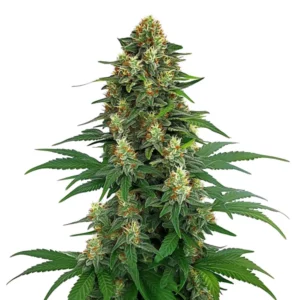
Tangie
|
|
THC | 19% - 22% (Medium) |
|
|
Type | Feminized |
|
|
Yield | High |
|
|
Phenotype | 30% Indica / 70% Sativa |
For cannabis growers, knowing how to use flushing to correct nutrient antagonism is crucial. Whether you’re growing Blimburn Seeds’ popular strains like GG4, Wedding Cake, or Tangie, maintaining nutrient balance is key to a successful harvest.
When to Flush Your Cannabis Plants
Timing is everything when it comes to flushing. You should consider flushing when you notice signs of nutrient lockout, such as yellowing leaves or stunted growth. These symptoms indicate that your plants aren’t absorbing nutrients efficiently.
A general rule of thumb is to flush your plants two weeks before harvest. This ensures that any remaining nutrients are washed away, resulting in a cleaner, smoother smoke. However, if you’re addressing nutrient antagonism, you might need to flush earlier.
Recognizing the signs early can prevent long-term damage to your plants. Regularly monitoring your plants’ health will help you decide the optimal timing for the flushing process. Remember, the goal is to achieve nutrient balance without compromising the plant’s growth cycle.
Flushing too late or too frequently can stress your plants. Thus, knowing how to use flushing in nutrient antagonism correction involves observing your plants closely and adapting your technique to their specific needs. This adaptive approach ensures healthier yields and robust growth.
Promos & Deals


Steps to Flush Nutrients for Antagonism Correction
First, identify the source of nutrient antagonism. Test your soil or growing medium to determine which nutrients are in excess. This information is critical for effective flushing.
Next, prepare to flush your plants. You’ll need a lot of water—about three times the volume of your growing container. For instance, a five-gallon pot will require about fifteen gallons of water.
Begin the process with a gentle pour to avoid compacting the soil or damaging roots. The water should flow evenly through the medium, ensuring it reaches all areas for comprehensive nutrient removal. This step is crucial for nutrient antagonism correction through flushing techniques.
After the initial flush, allow the medium to drain thoroughly. This ensures that the excess nutrients are expelled from the root zone. Monitor the runoff’s clarity; a clearer runoff indicates successful removal of nutrient buildup, which is key in the steps to flush nutrients for antagonism correction.
Effective Flushing Strategies for Nutrient Antagonism
Using the right type of water is essential. Distilled or reverse osmosis water is ideal for flushing. These types of water don’t contain additional minerals, making them perfect for flushing method for nutrient imbalance resolution.
Monitor your plants closely after flushing. Look for signs of improvement such as new growth and greener leaves. This indicates that the nutrient antagonism has been corrected and your plants are absorbing nutrients properly.
Incorporate a post-flush feeding schedule to replenish essential nutrients without reintroducing excess. This careful rebalancing supports plant recovery and promotes vigorous growth, reinforcing effective flushing strategies for nutrient antagonism.
Temperature and humidity levels can also influence the success of flushing. Maintaining optimal environmental conditions ensures the plant’s recovery is swift and robust, a critical component in how to use flushing to correct nutrient antagonism effectively.

Choosing the Right Strain for Your Grow
When selecting cannabis strains, consider how they respond to flushing and nutrient balance. Blimburn Seeds offers a variety of strains that thrive under different conditions.
For beginners, GG4 is a forgiving strain that handles nutrient imbalances well. It’s robust and can recover quickly after flushing.
Strains like Blimburn Seeds’ Tangie are known for their resilience and can often withstand multiple flushes if required. Knowing the specific needs of your chosen strain is essential for successful nutrient antagonism correction through flushing techniques.
Advanced growers might explore strains that offer unique profiles but demand precise nutrient management. In such cases, mastering the flushing method for nutrient imbalance resolution is crucial to unlocking the full potential of these more challenging strains.
FAQs about how to use flushing to correct nutrient antagonism
What is nutrient antagonism?
Nutrient antagonism occurs when an excess of one nutrient interferes with the uptake of another. This can lead to nutrient deficiencies and affect plant health. Flushing can help correct this imbalance by washing away excess nutrients.
For example, too much potassium can block magnesium absorption. By flushing, you can remove the excess potassium, allowing the plant to absorb magnesium effectively, promoting healthier growth.
Knowing the interactions between nutrients is crucial for effective plant management. Recognizing these interactions helps in developing a targeted approach to how to use flushing in nutrient antagonism correction.
Consistency in monitoring and adjusting nutrient levels can prevent these issues from arising. Regular testing and observation are key components in maintaining a balanced growing environment.
How often should I flush my plants?
Flushing should be done when you notice signs of nutrient lockout or before harvest. Typically, flushing two weeks before harvest helps improve the quality of your cannabis.
However, if you’re dealing with nutrient antagonism, you might need to flush more frequently. Monitor your plants and repeat the process if necessary.
Each strain has unique needs, and knowing these can guide how often flushing is required. For instance, some may need minimal intervention, while others might benefit from regular flushing cycles.
It’s essential to adjust the flushing frequency based on the plant’s response and specific growth conditions. This tailored approach ensures that the flushing method for nutrient imbalance resolution is applied effectively.
What type of water should I use for flushing?
Use distilled or reverse osmosis water for flushing. These types of water are free from additional minerals that could complicate nutrient balance.
Avoid using tap water unless it’s been properly filtered. Tap water can contain minerals that may exacerbate nutrient antagonism.
Investing in quality water sources or filtration systems can significantly impact the health of your plants. Reliable water quality is a cornerstone in achieving successful nutrient antagonism correction through flushing techniques.
Regularly check the pH and mineral content of your flush water. Maintaining the correct pH ensures that nutrients remain available to the plant post-flushing.
Can flushing help with other plant issues?
Yes, flushing can help correct various nutrient-related problems. It’s an effective method for addressing nutrient lockout and buildup in the growing medium.
Flushing can also improve the taste and smoothness of your cannabis by removing chemical residues, making it a versatile tool for growers.
Beyond nutrient correction, flushing can also aid in pest and disease management by cleansing the root zone of potential toxins. This comprehensive approach can enhance overall plant health and vigor.
Implementing a routine flushing schedule can serve as a preventative measure, reducing the risk of nutrient imbalances and ensuring a more predictable and stable growing environment.
Is flushing necessary for all cannabis strains?
While not all strains require flushing, it’s beneficial for most, especially when correcting nutrient antagonism. Strains like Blimburn Seeds’ Wedding Cake benefit greatly from nutrient balance prior to harvest.
Assess your specific strain’s needs and monitor nutrient levels closely. Adjust your flushing strategy as needed to ensure the best results for your grow.
Strain-specific research and experience will guide the necessity and frequency of flushing. For some strains, regular flushing can be a vital part of the cultivation process for optimal results.
Consult with other growers or experts familiar with your strain to refine your approach. Sharing insights can lead to discovering new methods for effective flushing strategies for nutrient antagonism.