Expert Guide: How to Use Brix Readings for Flushing Cannabis Plants

Knowing how to use brix readings for flushing cannabis plants can greatly enhance your cultivation process. Brix readings measure the sugar content in plant sap, offering insights into plant health. For cannabis growers, this knowledge is invaluable, especially during the critical flushing stage.
Flushing involves removing excess nutrients from the plant before harvest. This step is crucial for ensuring that your cannabis has a clean and smooth taste. By using brix readings, you can optimize this process and achieve superior results. The technique is straightforward, and once you get the hang of it, your plants will thank you.
Recommended Strains

Cream Caramel

|
THC | 19% - 24% (Medium) |

|
Type | Feminized |

|
Yield | Medium |

|
Phenotype | 90% Indica / 10% Sativa |
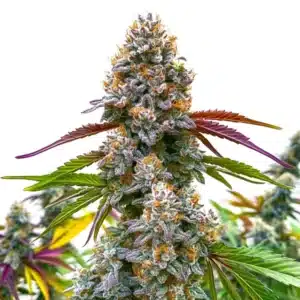
Critical Daddy Purple
|
|
THC | 19% (Medium) |
|
|
Type | Feminized |
|
|
Yield | High |
|
|
Phenotype | 50% Indica / 50% Sativa |
For both novice and seasoned growers, incorporating brix readings into your routine helps in mastering the art of cannabis cultivation. Imagine producing top-quality strains like those from Blimburn Seeds, such as Cream Caramel, GG4, and Critical Daddy Purple, with improved taste and potency.
What are Brix Readings?
Brix readings are a measure of the sugar content in plant juices. A higher brix level indicates a healthier plant. For cannabis, brix readings can help you understand plant health and nutrient levels. How do you obtain brix readings? You use a refractometer, a simple tool that measures light refraction in plant sap.
For those wondering how to interpret brix readings for cannabis flushing, it’s quite simple. A high brix level generally means your plant is absorbing nutrients effectively. If the brix reading is low, it may be time to adjust your nutrient plan. This tool makes it easier to pinpoint the perfect time to start flushing.
Knowing brix levels in cannabis plant flushing involves recognizing patterns over time. By consistently measuring brix levels, you can better gauge the plant’s overall health and readiness for nutrient flushing. This consistency is crucial for optimizing cannabis flushing with brix readings effectively.
Incorporating brix measurements into your cultivation strategy can also help you tailor your approach based on the specific needs of different cannabis strains. Knowing the optimal brix levels for each strain allows for more precise nutrient management, contributing to a healthier and more robust harvest.
Promos & Deals


How to Use Brix Readings in Cannabis Flushing
Flushing cannabis plants is a crucial step before harvest. Knowing how to use brix readings for flushing cannabis plants can make the process more efficient. Start by taking a brix reading a few weeks before your planned flush. This will give you a baseline to compare against.
Monitor the brix readings as you adjust your nutrient feed. When you notice a drop in brix levels, it indicates the plant is using stored nutrients. This is the optimal time to begin flushing, ensuring your crop is free from excess salts and nutrients at harvest.
Using brix measurements to flush cannabis plants provides a scientific approach to timing the flush. This ensures that your plants are at their peak readiness, leading to a cleaner and more flavorful final product. The precision of this method can significantly enhance the quality of your harvest.
As you become more adept at interpreting brix readings, you’ll find it easier to synchronize your flushing schedule with the plant’s natural nutrient cycle. This alignment is key to achieving the best possible results, particularly in terms of taste and potency, for strains like those from Blimburn Seeds.
Step-by-Step Guide to Using Brix Readings
To begin, gather your tools: a refractometer and a small sample of plant sap. Follow these steps to get accurate brix readings:
- Take a leaf sample from the plant, preferably from the middle section.
- Squeeze the leaf to extract a few drops of sap.
- Place the sap on the refractometer’s glass surface.
- Look through the lens and note the brix reading.
Knowing brix levels in cannabis plant flushing involves tracking these readings over time. As your plant approaches harvest, regular brix readings can indicate when to initiate the flushing process. This ensures your final product is of the highest quality.
By following these steps meticulously, you can ensure that your brix readings are as accurate as possible. This accuracy is essential for making informed decisions about when to start nutrient flushing, ultimately leading to a superior product with enhanced flavor and aroma.
Additionally, keeping a log of your brix readings will help you establish patterns and trends that can inform future grows. This data-driven approach allows you to refine your cultivation techniques and achieve consistently high-quality results with each harvest.
Optimizing Cannabis Flushing with Brix Readings
For those looking to optimize cannabis flushing with brix readings, it’s all about timing. Begin with consistent readings during the flowering stage. This helps you identify any fluctuations in nutrient uptake. If the brix levels are stable, your plant is likely well-fed and healthy.
Once you notice a decline in brix readings, it’s a sign your plant is nearing the end of its nutrient cycle. This is your cue to start flushing. By using brix measurements to flush cannabis plants, you can remove residual nutrients without harming the plant.
Optimizing cannabis flushing with brix readings not only improves the taste and quality of the final product but also ensures the plant’s energy is focused on bud development. This targeted approach can lead to larger yields and more potent flowers, particularly for high-demand strains.
By integrating brix reading guidelines for flushing cannabis into your routine, you can also reduce the risk of common growing issues such as nutrient burn or mineral lockout. This preventative measure helps maintain plant health and promotes a more successful harvest.
Common Mistakes and How to Avoid Them
One common mistake is not calibrating the refractometer before use. This can lead to inaccurate readings. Always calibrate with distilled water before taking any measurements. Another mistake is taking readings at inconsistent times. For best results, take readings at the same time of day, preferably in the morning.
Another pitfall is ignoring environmental factors. Light, temperature, and humidity all affect brix readings. Keep these conditions stable to ensure accurate measurements. Lastly, don’t rely solely on brix readings. While helpful, they should be one of many tools in your growing toolkit.
- Calibrate your refractometer regularly.
- Maintain consistent environmental conditions.
- Combine brix readings with other growth indicators.
Avoiding these common mistakes will enhance the reliability of your brix readings, allowing you to better interpret the data and make informed decisions about your flushing schedule. Consistency and accuracy are crucial for effective nutrient management.
Additionally, consider keeping a detailed journal of your readings and environmental conditions. This practice helps you identify patterns and refine your growing techniques over time, leading to improved outcomes for future crops.
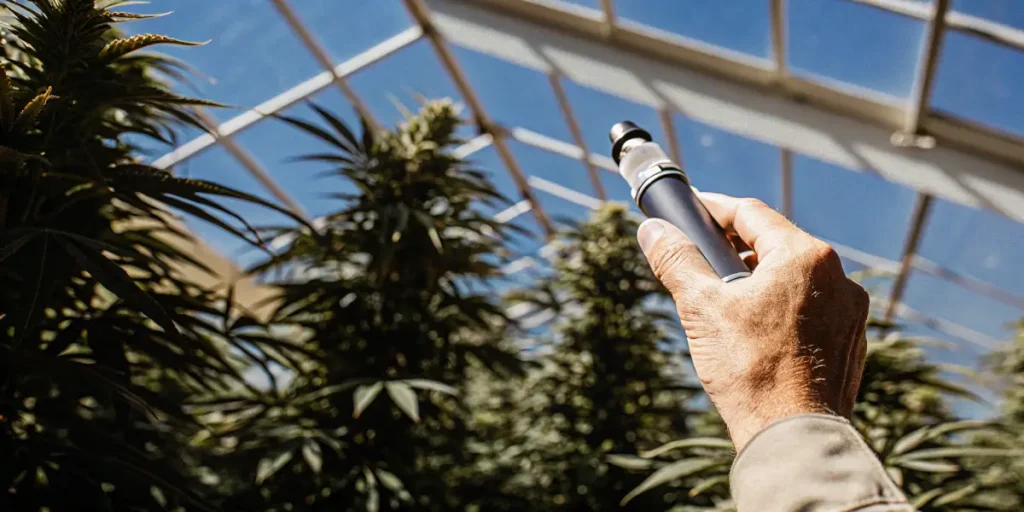
FAQs about how to use brix readings for flushing cannabis plants
What is the best time to take brix readings?
Timing is crucial when taking brix readings. It’s best to measure brix levels early in the morning. This is when the plant’s sugar levels are most stable, providing a more accurate reading. Avoid taking readings after watering, as this can dilute the sap and give false results.
Regular readings at the same time each day provide a consistent dataset. This consistency helps you accurately interpret changes in brix levels. For example, if you measure at 8 AM every day, you’ll get a reliable baseline to compare against.
Knowing the best time for taking brix readings can greatly influence the accuracy of your data. By adhering to a regular schedule, you eliminate variables that could skew your readings and impact your decision-making process regarding nutrient flushing.
Moreover, recognizing the subtle changes in brix levels throughout the day can provide deeper insights into the plant’s metabolic processes. This knowledge can be invaluable for fine-tuning your cultivation techniques and maximizing yield and quality.
How do brix readings affect cannabis flavor?
Higher brix levels generally lead to better-tasting cannabis. This is because more sugars result in a smoother, more flavorful smoke. By optimizing cannabis flushing with brix readings, you can ensure the plant is free from harsh nutrients, enhancing the natural terpene profile.
Flushing at the right time, based on brix readings, removes excess salts and chemicals. This process is essential for strains like Motor Breath, which are known for their intense flavors. Proper flushing leads to a cleaner, more enjoyable experience.
The relationship between brix levels and cannabis flavor is a critical aspect of cultivating premium strains. By knowing how to interpret brix readings for cannabis flushing, you can directly influence the quality of your product, enhancing both its taste and aroma.
For growers striving to produce top-tier strains, such as those from Blimburn Seeds, mastering the use of brix readings can be a game-changer. This technique allows for a more refined approach to nutrient management and ultimately results in a superior smoking experience.
Can brix readings improve yield?
While brix readings primarily indicate plant health, they can indirectly affect yield. Healthier plants with higher brix levels are more likely to produce larger, more potent buds. By using brix measurements to flush cannabis plants, you ensure the plant’s energy is focused on bud development rather than fighting off excess nutrients.
This technique is particularly effective with high-yield strains like Critical Daddy Purple from Blimburn Seeds. The healthier the plant, the better the yield, making brix readings a valuable tool in maximizing harvests.
Knowing brix levels in cannabis plant flushing can also help you identify stress points in your cultivation process. By addressing these issues promptly, you can enhance overall plant vigor, leading to increased yields and more robust plants.
For growers looking to optimize their harvest, integrating brix reading guidelines for flushing cannabis into your routine can offer a competitive edge. This approach not only improves yield but also boosts the overall quality and marketability of your product.
Are brix readings the same for all cannabis strains?
No, brix readings can vary between cannabis strains. Different strains may have varying nutrient needs and sugar levels. For instance, indica strains might have different optimal brix levels compared to sativa strains. Knowing these variances is key to effective flushing.
It’s important to get to know your specific strain’s characteristics. Strains from Blimburn Seeds, like Cream Caramel, might require different care compared to others. Tailoring your approach based on strain-specific brix guidelines will yield the best results.
Recognizing the diversity in brix readings among different strains can enhance your cultivation strategy. By customizing your nutrient and flushing plans based on these variations, you can optimize the growth conditions for each specific strain.
This tailored approach not only maximizes the plant’s potential but also helps in producing cannabis with unique flavor profiles and potencies. Leveraging brix readings in this way ensures that each strain reaches its full genetic potential.
Is a refractometer the only tool for measuring brix?
While a refractometer is the most common tool for measuring brix, it’s not the only option. Some growers use digital brix meters for easier readings. These devices can provide more detailed data, though they tend to be more expensive.
For beginners, starting with a basic refractometer is advisable. It’s cost-effective and easy to use. As you become more comfortable with brix readings, you might explore other tools to enhance your growing process.
Exploring different tools for measuring brix can provide additional insights into your plants’ health and nutrient uptake. Digital meters, for example, offer more precise readings, which can be beneficial for experienced growers aiming for perfection.
However, it’s important to ensure that any tool you choose is well-calibrated and used consistently. This attention to detail will ensure the reliability of your data, allowing you to make informed decisions about when and how to flush your cannabis plants effectively.