Expert Guide: How Often Should Cannabis Growers Test Plant Tissue?

Testing plant tissue is crucial for cannabis growers aiming to optimize their crops. A regular testing schedule ensures that the plants receive the right nutrients at the right times. This practice helps in maximizing yield and maintaining plant health. But how often should cannabis growers test plant tissue?
When it comes to cannabis cultivation, knowing the optimal cannabis plant tissue testing frequency can make a significant difference. Testing too frequently might be unnecessary and costly, while infrequent testing might lead to overlooking critical nutrient deficiencies or toxicities. A balanced approach is essential.
Recommended Strains



With the right testing intervals, growers can adjust their nutrient plans effectively. For example, Blimburn Seeds offers several strains, such as Bruce Banner #3, which can benefit from precise nutrient management. Testing plant tissue at strategic points during the growth cycle can reveal how well these plants are absorbing nutrients.
Optimal Testing Frequency for Different Growth Stages
Different growth stages require different nutrient profiles. During the vegetative stage, plants focus on building strong roots and stems. This is a critical time for testing plant tissue. Conducting tests every two weeks during this stage can help monitor nutrient uptake and adjust feeding schedules.
As the plant transitions to the flowering stage, its nutritional needs change. Testing every three weeks during flowering can help ensure that the plants have the necessary nutrients to produce healthy buds. For strains like GG4 from Blimburn Seeds, consistent testing can support robust bud formation.
Knowing the best practices for cannabis tissue sampling frequency allows growers to tailor their testing schedules to the plant’s developmental needs. Frequent testing in the early stages can set a strong foundation, while adjusted intervals during flowering can optimize nutrient delivery. This strategy helps prevent over-fertilization, which is just as detrimental as nutrient deficiencies.
For growers working with new strains, starting with more frequent testing can provide valuable data on how the plants respond to different nutrient regimens. Over time, this data collection can refine the cannabis cultivation tissue analysis schedule, ensuring long-term success and adaptability to different environmental conditions.
Promos & Deals


Recommended Tissue Tests for Cannabis Plants
Nutrient analysis is a key component of plant tissue testing. This involves measuring levels of nitrogen, phosphorus, potassium, and other essential minerals. Regular testing can prevent nutrient deficiencies and toxicities, which can negatively impact plant health.
Another important test is checking for heavy metals. Cannabis plants can absorb heavy metals from the soil, which can be harmful to consumers. Routine testing for contaminants is especially important for growers aiming for high-quality, safe products.
Beyond nutrient content and heavy metals, testing for pesticide residues can also be crucial, especially for organic growers. Ensuring that no harmful residues are present in the final product is essential for consumer safety and regulatory compliance. This makes comprehensive testing a cornerstone of responsible cannabis cultivation.
Testing for microbial contaminants is another recommended tissue test for cannabis plants. Pathogens like mold and bacteria can compromise plant health and product quality. Regular microbial assessments are vital for maintaining the integrity of strains like those offered by Blimburn Seeds, ensuring they meet industry standards and consumer expectations.
Factors Influencing Testing Intervals
Several factors can influence how often you should test plant tissue. Environmental conditions, such as soil type and climate, play a significant role. In regions with high rainfall, nutrients may leach from the soil more quickly, necessitating more frequent testing.
Another factor is the particular strain being grown. Some strains, like Zkittlez from Blimburn Seeds, may have unique nutritional needs. Knowing the specific requirements of each strain can help determine the best practices for cannabis tissue sampling frequency.
The availability of resources, such as access to testing facilities or laboratories, can also impact testing intervals. Growers in remote areas may face logistical challenges that affect how often they can conduct tissue tests. It’s important for growers to consider these logistical aspects when developing their cannabis cultivation tissue analysis schedule.
Additionally, market demands and regulatory requirements can influence testing frequency. As consumer awareness of product quality increases, growers may need to adhere to stricter testing protocols to remain competitive and compliant with industry standards. This can lead to more frequent and comprehensive testing practices.
Benefits of Regular Plant Tissue Testing
Regular plant tissue testing provides valuable insights into the nutrient status of your cannabis plants. By identifying deficiencies early, growers can make timely adjustments to their nutrient regimen, preventing potential yield loss. This proactive approach is particularly beneficial for maximizing the potency and quality of strains like Bruce Banner.
Consistent testing also helps in developing a deeper knowing of how different environmental factors affect nutrient uptake. Over time, growers can fine-tune their cultivation practices, leading to improved efficiency and reduced waste.
Furthermore, maintaining optimal nutrient levels through regular testing can enhance the overall health and vigor of the plants. Healthy plants are more resistant to pests and diseases, reducing the need for chemical interventions and promoting sustainable growing practices.
Regular testing empowers growers to track the long-term health trends of their crops, allowing them to predict and mitigate potential challenges. This strategic foresight can be crucial in maintaining a competitive edge in the market, particularly for premium strains known for their distinct profiles and high demand.
Challenges in Determining Testing Frequency
While regular testing is beneficial, determining the right frequency can be challenging. One common challenge is balancing the cost of testing with the potential benefits. Testing can be expensive, especially for small-scale growers. However, the long-term benefits often outweigh the initial costs.
Another challenge is the variability in nutrient needs among different cannabis strains. What works for one strain might not be suitable for another. For instance, the nutrient needs of GG might differ significantly from those of Zkittlez.
Logistical challenges, such as the time and labor involved in sample collection and analysis, can also complicate the optimization of testing intervals. Developing a streamlined process for sample collection can help mitigate these challenges, making it easier to integrate testing into regular cultivation routines.
Additionally, growers must stay informed about technological advancements in testing methods. Emerging technologies may offer faster, more accurate, and cost-effective testing solutions, which could influence decisions about how often cannabis growers should test plant tissue. Staying updated on these advancements is key to maintaining effective cultivation practices.

FAQs about How often should cannabis growers test plant tissue?
What is the importance of plant tissue testing in cannabis cultivation?
Plant tissue testing plays a vital role in cannabis cultivation by providing detailed information about the nutrient status of the plants. This data helps growers identify deficiencies or excesses in essential nutrients, allowing for precise adjustments to the nutrient regimen. Ultimately, this leads to healthier plants and better yields.
For strains like Bruce Banner from Blimburn Seeds, which are known for their potency, maintaining optimal nutrient levels is crucial. Regular testing ensures that growers can meet the specific nutritional needs of their plants, contributing to the overall quality and effectiveness of the final product.
Beyond improving plant health, regular tissue testing can enhance a grower’s ability to produce consistent, high-quality products. This consistency is particularly important for brands looking to build a reputation for excellence and reliability in a competitive market.
Moreover, tissue testing can support sustainable growing practices by minimizing the use of excess fertilizers and reducing environmental impact. By aligning nutrient inputs more closely with plant needs, growers can foster healthier ecosystems and contribute to environmental conservation efforts.
How can environmental factors affect testing frequency?
Environmental factors such as climate, soil composition, and water availability can significantly impact how often growers should test plant tissue. In regions with high rainfall or sandy soils, nutrients may leach away quickly, requiring more frequent testing to ensure plants receive adequate nutrition.
On the other hand, in areas with stable environmental conditions, growers may find that less frequent testing suffices. Knowing the local growing environment is essential for establishing an effective cannabis cultivation tissue analysis schedule.
Seasonal changes can also dictate testing frequency. For example, temperature fluctuations can alter nutrient dynamics in the soil, affecting how plants absorb nutrients. Recognizing these seasonal patterns allows growers to adjust their cannabis grower plant tissue testing intervals accordingly.
Additionally, the introduction of new cultivation technologies, such as automated nutrient delivery systems, can influence the need for testing. These systems may require less frequent tests due to their precision in maintaining nutrient balance, thus affecting the optimal cannabis plant tissue testing frequency.
Are there specific strains that require more frequent testing?
Yes, certain cannabis strains may have specific nutrient requirements that necessitate more frequent testing. For example, high-yielding strains or those known for their unique terpene profiles may require closer monitoring to achieve optimal results. GG is one such strain where careful nutrient management can enhance its characteristic strength and flavor.
Blimburn Seeds offers a variety of strains with different nutritional needs. Growers should tailor their testing frequency based on the specific demands of each strain and their cultivation goals.
Strains with a high growth rate or those that are particularly sensitive to environmental changes might also benefit from more frequent testing. This allows growers to quickly respond to any nutrient deficiencies or toxicities, ensuring that the plants continue to thrive under varying conditions.
Furthermore, experimental or newly developed strains may require additional testing as growers gather data on their nutrient needs and growth patterns. This data collection is crucial for refining best practices for cannabis tissue sampling frequency and achieving the desired phenotypic traits.
What are the costs associated with plant tissue testing?
The costs of plant tissue testing can vary depending on the number of tests conducted and the complexity of the analyses. While testing can be an investment, it’s important to consider the potential return in terms of improved plant health and yield.
For small-scale growers, starting with a few key tests during critical growth stages can be a cost-effective approach. As experience and resources grow, expanding the testing regimen can further enhance cultivation success.
While the initial costs of tissue testing may seem high, they are often offset by the increased efficiency and reduced waste achieved through precise nutrient management. This can lead to significant long-term savings and more sustainable cultivation practices.
Additionally, investing in regular testing can improve marketability and consumer trust, as products that consistently meet quality standards are often preferred. This can translate into higher sales and a stronger market position, highlighting the financial benefits of maintaining a rigorous cannabis cultivation tissue analysis schedule.
How do growers collect plant tissue samples for testing?
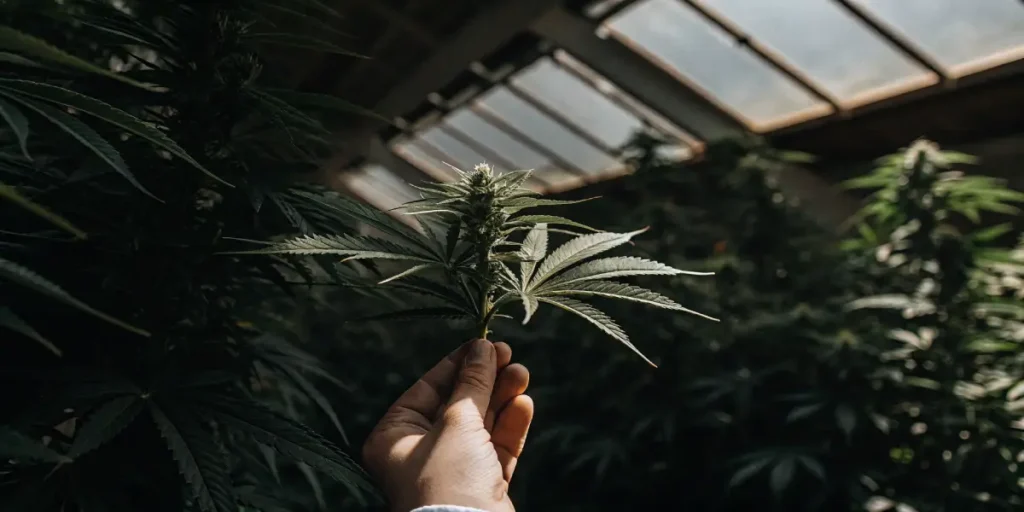
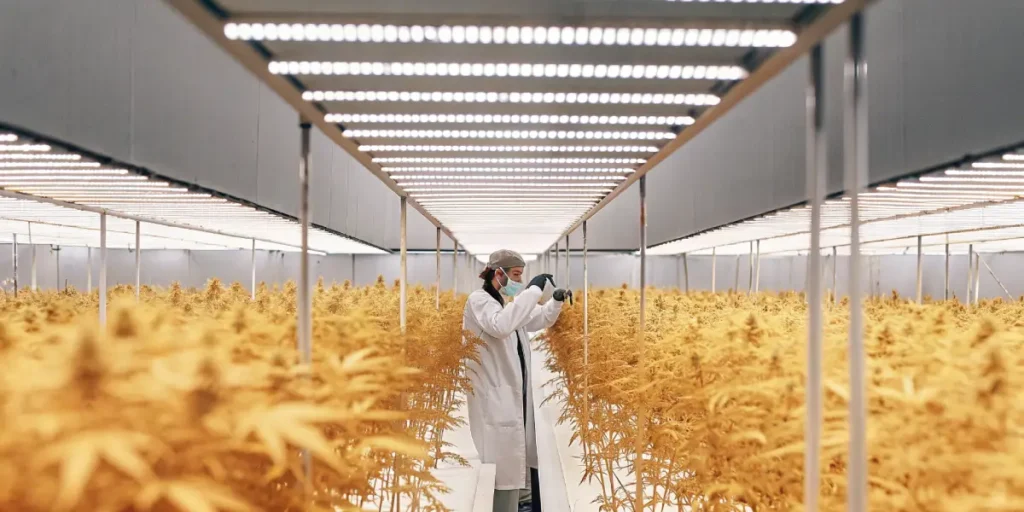
Collecting plant tissue samples involves selecting representative leaves from different parts of the plant. It’s crucial to use clean tools and gloves to avoid contamination. The samples are then sent to a lab for analysis, where they are tested for nutrient content and other parameters.
Regular sampling as part of a cannabis grower plant tissue testing interval plan can help in maintaining consistent data, allowing for more accurate tracking of nutrient trends over time. This practice aids in making informed decisions about nutrient management throughout the growth cycle.
Ensuring that samples are collected at the same time of day and under similar environmental conditions can improve the consistency and reliability of test results. This attention to detail is vital for accurately monitoring the plants’ nutrient status.
Educational resources and training programs can help growers develop the skills needed to collect and handle samples properly. By investing in these resources, growers can enhance their ability to implement effective testing protocols and maximize the benefits of regular tissue analysis.