Expert Guide: How Environmental Conditions Affect Brix Readings in Cannabis

When cultivating cannabis, knowing how environmental conditions affect brix readings is crucial for both novice and seasoned growers. Brix readings, which measure the sugar content in plant sap, can indicate the health and quality of your cannabis plants. Several environmental factors play a vital role in determining these brix levels.
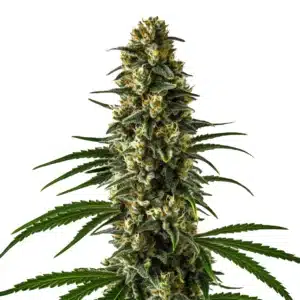
Temperature is one of the most significant factors. The impact of temperature on cannabis brix levels can be profound. Too high or too low temperatures can stress plants, leading to lower brix readings. For example, cannabis strains like OG Kush from Blimburn Seeds thrive in moderate temperatures, maintaining optimal brix levels.
Recommended Strains
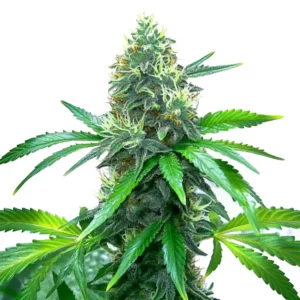
OG Kush

|
THC | 20% - 24% (Medium) |

|
Type | Feminized |

|
Yield | Medium |

|
Phenotype | 55% Indica / 45% Sativa |
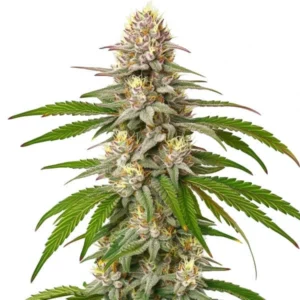
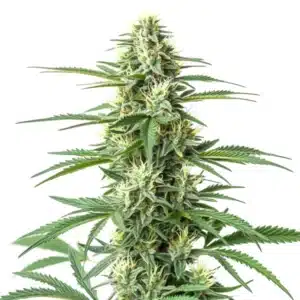
Pineapple Express
|
|
THC | 18% - 22% (Medium) |
|
|
Type | Feminized |
|
|
Yield | Medium |
|
|
Phenotype | 40% Indica / 60% Sativa |
Humidity also plays a crucial role. The influence of humidity on brix readings in marijuana cannot be overstated. High humidity levels can lead to mold and mildew, affecting plant health and brix readings. Conversely, low humidity can cause dehydration, reducing the sugar content in plant sap. A balanced approach ensures your plants remain healthy and your brix readings optimal.
Temperature and Its Impact on Brix Levels
Temperature directly affects how environmental conditions affect brix readings in cannabis. Extreme temperatures, whether too hot or too cold, can disrupt the plant’s metabolic processes. This disruption often leads to decreased sugar production, resulting in lower brix readings.
Maintaining an optimal temperature range is essential. For instance, Blue Dream from Blimburn Seeds is known for its ability to adapt to various climates, but even this resilient strain can suffer if temperatures fluctuate too much. Keeping temperatures steady encourages consistent brix levels, translating to healthier plants and better yields.
Besides to affecting sugar production, the impact of temperature on cannabis brix levels extends to the plant’s overall physiological health. Stress from temperature extremes can lead to weakened immune responses, making plants more susceptible to diseases and pests. By managing temperature effectively, growers can also enhance the plant’s resilience.
For outdoor cultivators, knowing local climate patterns is vital to mitigating temperature-related stress. Utilizing shade cloths or windbreaks can help moderate temperature swings, thus preserving the integrity of brix readings. These measures are especially important during transitioning seasons when temperature fluctuations are more pronounced.
Promos & Deals


Humidity’s Influence on Cannabis Brix Readings
Humidity levels can significantly influence brix readings in marijuana. When humidity is too high, plants may not transpire efficiently, leading to a buildup of moisture and potential mold growth. This can negatively impact the brix readings by diluting the plant’s sugar content.
On the flip side, overly dry conditions can cause the plant to close its stomata to conserve water, slowing down photosynthesis and sugar production. Striking the right balance is crucial. For example, Girl Scout Cookies from Blimburn Seeds is a strain that requires careful humidity management to achieve optimal brix levels.
The influence of humidity on brix readings in marijuana is also evident in the plant’s energy allocation. In high humidity, plants may divert energy to combating mold, which could otherwise be used for sugar production. By maintaining optimal humidity, energy is conserved for growth and sugar synthesis.
Using tools like hygrometers can help growers monitor humidity levels accurately. Dehumidifiers or humidifiers can be employed to create the ideal growing environment, ensuring that the influence of humidity on brix readings in marijuana remains positive, rather than detrimental.
Soil Quality and Its Effect on Brix Measurements
Soil quality is another critical factor in how environmental conditions affect brix readings in cannabis. Rich, nutrient-dense soil provides the necessary minerals for healthy growth and high sugar production. Poor soil quality can lead to nutrient deficiencies, resulting in lower brix readings.
Using well-aerated soil with good drainage is essential. It allows roots to absorb nutrients efficiently, promoting higher brix levels. For example, cannabis strains like Pineapple Express from Blimburn Seeds can benefit from high-quality soil, ensuring robust growth and optimal sugar content.
The effect of soil quality on cannabis brix measurements is closely linked to microbial activity within the soil. Beneficial microbes help in nutrient conversion and uptake, directly impacting sugar content in plants. Encouraging a healthy soil biome can thus enhance brix readings significantly.
Furthermore, the effect of soil quality on cannabis brix measurements can be amplified by regular amendments and crop rotation practices. Adding organic matter like compost not only enriches the soil but also improves its structure, facilitating better root development and nutrient absorption.
Light Exposure and Its Effect on Brix Levels
Light exposure is crucial for photosynthesis, the process by which plants convert light into energy, producing sugars in the process. Therefore, how light exposure affects brix in cannabis plants is significant. Adequate light exposure promotes higher brix readings by facilitating efficient sugar production.
Growers should ensure their cannabis plants receive the right amount of light. Too little light can stunt growth and reduce brix levels, while excessive light can cause stress and damage. Strains like Critical Mass from Blimburn Seeds thrive under consistent light conditions, maintaining optimal brix levels.
Knowing how light exposure affects brix in cannabis plants involves considering the spectrum of light used. Full-spectrum lighting mimics natural sunlight and promotes more robust photosynthesis, which can enhance brix levels. Adjusting light spectrums according to growth stages can yield better results.
Besides to spectrum, the duration of light exposure is critical. Implementing a schedule that mimics natural daylight cycles can optimize plant metabolism and sugar production. Automation systems for lighting can ensure consistency, minimizing human error in indoor growing environments.

Water Quality and Its Role in Determining Brix Levels
The quality of water used in cannabis cultivation is fundamental to ensuring healthy plants and optimal brix readings. The function of water quality in determining cannabis brix levels cannot be ignored. Poor water quality, filled with contaminants and imbalanced pH, can negatively affect brix readings.
Using clean, filtered water with a balanced pH is essential. This ensures that plants can absorb nutrients effectively, promoting higher brix levels. Regularly testing water quality can prevent issues and support healthy plant development.
The function of water quality in determining cannabis brix levels is also evident in its impact on nutrient solubility. High-quality water facilitates better nutrient dissolution, allowing for efficient uptake by plant roots. This directly contributes to increased sugar production and higher brix readings.
Moreover, the function of water quality in determining cannabis brix levels is linked to the prevention of disease. Contaminated water can introduce pathogens, which stress plants and lower brix readings. Implementing water purification systems can safeguard against such risks, ensuring healthy plant development and optimal sugar content.
FAQs About How Environmental Conditions Affect Brix Readings in Cannabis
What is a good brix reading for cannabis plants?
A good brix reading for cannabis plants typically ranges from 12 to 15. This range indicates that the plants are healthy and have a high sugar content, which is often associated with better flavor and potency. Maintaining this range can be achieved by optimizing environmental conditions such as temperature, humidity, and light exposure.
For growers looking to achieve high brix readings, it’s essential to focus on providing the right nutrients and ensuring that plants are not stressed by extreme environmental conditions. Regular monitoring and adjustments can help maintain optimal brix levels.
Knowing how environmental conditions affect brix readings in cannabis is key to achieving these optimal levels. By tailoring the growing environment to the plant’s needs, growers can enhance sugar production and overall plant health. This proactive approach results in better yields and more potent cannabis.
Notably, brix readings can also serve as an indirect measure of the plant’s resilience to stress. Higher readings often correlate with robust plant health, indicating that the plant is effectively managing its environment and resource allocation.
How does temperature fluctuation affect brix levels?
Temperature fluctuations can significantly affect brix levels in cannabis plants. Sudden changes in temperature can stress plants, disrupting their metabolic processes and reducing sugar production. This often results in lower brix readings, indicating less healthy plants.
To prevent this, growers should aim to keep temperatures consistent, especially during critical growth phases. Using heaters or air conditioning units can help manage indoor environments, ensuring that plants are not exposed to extreme temperature variations.
Knowing the impact of temperature on cannabis brix levels can guide growers in implementing temperature control strategies. For instance, using thermal curtains or insulation can help stabilize temperatures, reducing the risk of fluctuation-induced stress.
Additionally, monitoring technology such as thermometers and climate control systems can provide real-time data, allowing for immediate adjustments. This level of control can mitigate the impact of temperature variations, maintaining steady brix levels and healthy plant growth.
Why is soil quality important for brix readings?
Soil quality is vital for brix readings because it directly affects the availability of nutrients to the plant. High-quality soil provides essential minerals and nutrients, promoting healthy growth and high sugar production, which are reflected in brix readings.
Growers should invest in nutrient-rich soil and regularly amend it to ensure it continues to provide the necessary support for their cannabis plants. Testing soil regularly can help identify any deficiencies and allow for timely interventions.
The effect of soil quality on cannabis brix measurements is further emphasized by the need for proper soil structure. Compacted soil can hinder root growth and nutrient uptake, leading to lower brix readings. Ensuring the soil is loose and well-aerated can prevent these issues.
Moreover, soil quality can influence the microbial environment, which plays a crucial role in nutrient cycling. Encouraging beneficial microbes through organic amendments can bolster soil fertility, ultimately enhancing brix readings and plant vitality.
Can poor water quality affect brix levels?
Yes, poor water quality can affect brix levels in cannabis plants. Contaminants and an imbalanced pH in the water can lead to nutrient lockout, where plants are unable to absorb the necessary nutrients for healthy growth, resulting in lower brix readings.
Ensuring that water is clean and has a balanced pH is crucial for maintaining optimal brix levels. Growers should regularly test their water source and consider filtration systems if necessary to improve water quality.
The function of water quality in determining cannabis brix levels also involves the prevention of chemical buildup. Excess salts or chlorine in water can accumulate in the soil, affecting nutrient availability and plant health. Regular flushing with clean water can help manage this risk.
Furthermore, the quality of water can impact the microbial balance in the soil. Ensuring the use of high-quality water assists in maintaining beneficial microbial activity, which is crucial for nutrient breakdown and absorption, thereby supporting higher brix readings.
How does light exposure influence brix readings?
Light exposure influences brix readings by affecting the photosynthesis process. Adequate light allows for efficient sugar production, leading to higher brix levels. Insufficient or excessive light can stress plants, reducing their ability to produce sugars.
Growers should aim to provide consistent and adequate light exposure, adjusting intensity and duration as needed. For indoor setups, using quality grow lights can help simulate the natural light conditions cannabis plants need for optimal growth and brix readings.
Knowing how light exposure affects brix in cannabis plants helps growers optimize lighting setups. Reflective materials can be used to maximize light distribution, ensuring even coverage and reducing the risk of low brix readings due to shaded areas.
Additionally, implementing a lighting schedule that aligns with the plant’s natural circadian rhythms can enhance photosynthetic efficiency. This practice not only boosts brix readings but also supports overall plant health and productivity.