Expert Guide: Essential Function of Micronutrients in Cannabis Nutrition

When it comes to growing cannabis, micronutrients might seem like minor players. However, they are crucial for healthy growth. Knowing the function of micronutrients in cannabis nutrition is essential because these tiny elements are vital for various plant processes. Without them, cannabis plants can suffer from poor health and low yields. Let’s delve into how these micronutrients impact cannabis nutrition.
Micronutrients include elements like iron, manganese, zinc, copper, molybdenum, boron, and chlorine. They are required in smaller amounts than macronutrients like nitrogen, phosphorus, and potassium. Yet, they are essential for plant development. Each micronutrient plays a unique function in supporting cannabis health and productivity.
Recommended Strains

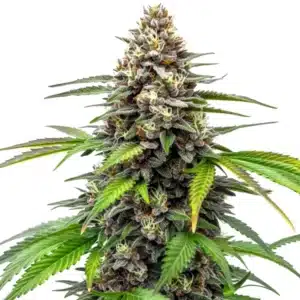
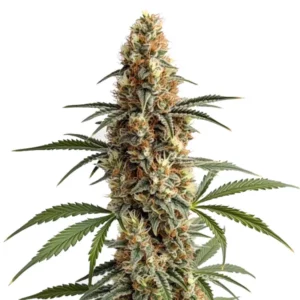
Jack Herer

|
THC | 20% (Medium) |

|
Type | Feminized |

|
Yield | High |

|
Phenotype | 40% Indica / 60% Sativa |
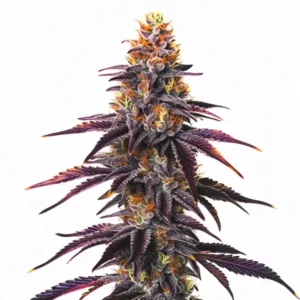
Mamba Negra
|
|
THC | 18% (Medium) |
|
|
Type | Feminized |
|
|
Yield | High |
|
|
Phenotype | 55% Indica / 45% Sativa |
For example, iron is crucial for chlorophyll production, impacting photosynthesis. Manganese helps with enzyme systems, while zinc is integral for hormone balancing. Even slight deficiencies can cause visible symptoms in cannabis plants. Recognizing and addressing these deficiencies can optimize your harvest.
Micronutrient Deficiencies in Cannabis Plants
Identifying micronutrient deficiencies is key to maintaining plant health. Each deficiency has distinct signs. For instance, iron deficiency often leads to yellowing leaves with green veins. This condition, known as chlorosis, can severely impact photosynthesis.
Manganese deficiency might show as interveinal chlorosis, much like iron, but with brown spots. Zinc deficiencies often result in stunted growth and smaller leaves. Being able to diagnose these issues can save a lot of trouble in the garden.
The importance of micronutrients in cannabis cultivation cannot be overstated, as these elements support the plant’s ability to fend off diseases and stress. By maintaining a balanced nutrient profile, growers can ensure that their plants have the resilience to thrive under varying environmental conditions. This proactive approach minimizes the risk of encountering severe deficiencies that could jeopardize the entire crop.
Furthermore, knowing how each micronutrient deficiency presents itself allows growers to tailor their interventions precisely. For instance, a strategy focusing on foliar application of iron can quickly reverse chlorosis, while soil amendments rich in zinc can help spur new growth. This level of precision in addressing micronutrient deficiencies in cannabis plants enhances overall plant health and productivity.
Function of Trace Elements in Cannabis Growth
Trace elements might only be needed in tiny amounts, but their absence can have a big impact. Elements like copper and molybdenum are critical for enzyme function. Copper is essential for reproductive growth, while molybdenum helps in nitrogen metabolism. Without them, cannabis plants may struggle to develop flowers and seeds.
Boron plays a significant role in cell wall formation and reproductive development. A lack of boron can lead to brittle plants and poor bud formation. Chlorine, though required in minuscule amounts, is vital for osmosis and ionic balance within the plant cells.
The function of trace elements in cannabis growth is directly linked to the plant’s ability to perform fundamental processes like nutrient assimilation and energy conversion. These elements act as catalysts in various biochemical pathways, ensuring that the plant can efficiently use the nutrients available in its environment. This is why the function of micronutrients in cannabis nutrition is so critical for successful cultivation.
Besides to enhancing growth, trace elements also bolster the plant’s defense mechanisms. Healthy levels of these elements can improve a plant’s resistance to pests and diseases, which is a crucial factor in maintaining a robust crop. Knowing and applying the right balance of trace elements can lead to healthier plants and impressive yields, showcasing the importance of micronutrients in cannabis cultivation.
Promos & Deals


Cannabis Micronutrient Supplementation Strategies
To combat deficiencies, supplementation is often required. Many growers use micronutrient-rich fertilizers to provide a balanced diet for their plants. These supplements can come in liquid or granular form, each with its own application method.
Foliar feeding is another strategy. It involves spraying a micronutrient solution directly onto the leaves. This method allows for quick absorption, helping to address deficiencies faster. However, careful attention is needed to avoid over-application, which can cause nutrient burn.
Cannabis micronutrient supplementation strategies need to be well-planned and based on the specific needs of the plant. Regular soil testing can provide insights into which nutrients are lacking and guide the supplementation process. By adjusting the nutrient supply according to these tests, growers can maintain optimal growth conditions for their cannabis plants.
Another effective strategy is to integrate organic matter such as compost or worm castings into the growing medium. These natural sources not only supply essential micronutrients but also improve soil structure and microbial activity. This holistic approach to supplementation ensures that plants receive a comprehensive nutrient profile, supporting vigorous growth and resilience against environmental stresses.

Effects of Micronutrients on Cannabis Yield
The effects of micronutrients on cannabis yield are significant. Healthy plants that receive adequate micronutrients will produce more abundant and higher-quality buds. For instance, zinc is crucial for producing growth hormones. Without it, plants may not reach their full potential in height or bud size.
Manganese supports photosynthesis and protects the plant from stress, both of which contribute to a better yield. Iron, by aiding in chlorophyll production, ensures the plant can efficiently convert sunlight into energy for growth.
The function of micronutrients in cannabis nutrition is evident in how they influence the overall quality and quantity of the yield. Adequate micronutrient levels can lead to denser, more potent buds with higher concentrations of cannabinoids and terpenes. This not only enhances the market value of the crop but also improves its therapeutic efficacy.
For cannabis strains renowned for their robust yields, such as those Jack Herer from Blimburn Seeds, ensuring the plants receive the right balance of micronutrients can be the difference between an average and an exceptional harvest. By knowing the effects of micronutrients on cannabis yield, growers can take proactive steps to optimize their cultivation practices and achieve superior results.
- Iron deficiency often causes chlorosis or yellowing between leaf veins.
- Manganese is vital for enzyme systems affecting growth and metabolism.
- Zinc impacts plant hormones and can lead to stunted growth if deficient.
- Boron is necessary for cell wall strength and reproductive health.
- Foliar feeding can rapidly correct micronutrient deficiencies.
FAQs about function of micronutrients in cannabis nutrition
What are the signs of micronutrient deficiency in cannabis plants?
Micronutrient deficiencies can manifest as various symptoms, often affecting the leaves first. Common signs include yellowing leaves, interveinal chlorosis, and brown spots. For example, iron deficiency typically causes yellowing between the veins, known as chlorosis. Manganese deficiency might show as similar yellowing but with brown or necrotic spots.
Zinc deficiency often results in smaller leaves and stunted growth as it affects hormone production. Each micronutrient has specific symptoms, and recognizing these can help in addressing issues promptly. Ensuring a balanced nutrient supply can prevent these deficiencies and promote healthier plants.
The importance of recognizing the signs of micronutrient deficiencies in cannabis plants lies in the ability to take timely corrective actions. Early detection and intervention can prevent more severe issues from developing, which can save time and resources in the long run. By familiarizing themselves with these signs, growers can maintain a steady course towards a successful harvest.
Moreover, addressing micronutrient deficiencies promptly can lead to an improvement in plant health and productivity. This proactive approach helps in maintaining the plant’s vitality, ensuring that it can reach its full potential. The function of micronutrients in cannabis nutrition is thus not just about providing the necessary elements but also about ensuring they are available in the right amounts and at the right times.
How can I prevent micronutrient deficiencies in my cannabis grow?
Preventing micronutrient deficiencies involves a proactive approach to plant nutrition. Start with a high-quality, balanced fertilizer that includes all essential micronutrients. Regularly test your soil or growing medium to ensure it has the necessary nutrients and adjust as needed.
Monitoring plant growth and appearance is crucial. Early detection of any symptoms allows for quick correction. Utilizing micronutrient supplements, whether through soil amendments or foliar sprays, can maintain optimal nutrient levels, ensuring robust cannabis growth and yield.
A comprehensive knowing of cannabis micronutrient supplementation strategies is vital for preventing deficiencies before they arise. By incorporating a well-rounded feeding program, growers can provide their plants with a steady supply of all necessary nutrients. This minimizes the likelihood of deficiencies and supports sustained plant growth.
Additionally, maintaining optimal environmental conditions such as proper pH levels and moisture content can enhance nutrient uptake and assimilation. This holistic approach ensures that the plants are not only receiving but also effectively utilizing the micronutrients provided, leading to healthier and more productive cannabis cultivation.
Can over-supplementation of micronutrients harm cannabis plants?
Yes, over-supplementation can indeed harm cannabis plants. While micronutrients are essential, they are required in small amounts. Excessive amounts can lead to toxicity, causing leaf burn, nutrient lockout, and reduced growth. It’s a delicate balance that must be maintained for optimal plant health.
To avoid over-supplementation, follow the recommended dosages on nutrient products. Regular soil and plant testing can help you adjust your feeding regimen accurately. Remember, more is not always better, especially when it comes to trace elements.
Knowing the function of micronutrients in cannabis nutrition also involves recognizing the potential risks of over-supplementation. Applying more than the necessary amount can disrupt the plant’s natural balance, leading to a range of problems including toxic buildup and nutrient antagonism. This highlights the importance of careful nutrient management.
By adhering to established guidelines and conducting regular assessments, growers can fine-tune their nutrient delivery systems to meet the exact needs of their plants. This precision in management not only prevents potential issues but also contributes to the overall success of the cultivation process.
What are the best sources of micronutrients for cannabis cultivation?
There are several sources of micronutrients for cannabis cultivation. Commercial fertilizers often contain a balanced mix of essential micronutrients. Organic options, such as compost and worm castings, can also provide these nutrients naturally.
Foliar sprays are effective for quick nutrient delivery, especially if you notice deficiency symptoms. Moreover, products specifically formulated for cannabis often cater to the unique needs of the plant. Researching and selecting products designed for cannabis can result in better growth outcomes.
The selection of the best sources of micronutrients for cannabis cultivation should be based on the specific growing conditions and plant requirements. While commercial fertilizers offer convenience and precision, organic amendments contribute to a more sustainable growing environment by enhancing soil health and biodiversity.
Additionally, exploring innovative approaches such as hydroponic systems can provide a controlled environment where nutrient delivery is optimized. This method allows growers to tailor the nutrient mix precisely to the plant’s needs, ensuring that the function of micronutrients in cannabis nutrition is effectively fulfilled to support robust growth and yield.
How does the function of micronutrients influence cannabis strain selection?
The function of micronutrients can influence how certain cannabis strains perform. Some strains might have specific micronutrient needs or be more susceptible to deficiencies. For example, robust strains like “GG4” and “Mamba Negra” from Blimburn Seeds may require careful nutrient management to reach their full potential.
Knowing a strain’s nutrient profile can help in selecting the right feeding strategies. Strains that demand higher micronutrient levels might benefit from additional supplementation. Knowing your strain’s preferences can lead to healthier plants and more bountiful harvests.
The interplay between the function of micronutrients and cannabis strain selection highlights the necessity for tailored cultivation practices. Each strain has its own unique set of nutrient requirements that can significantly influence its growth habits and resilience. By aligning nutrient management with these specific needs, growers can enhance the plant’s natural characteristics and yield potential.
Additionally, gaining insights into the micronutrient demands of different strains can inform breeding programs aimed at developing varieties with enhanced nutrient efficiency. This can lead to the production of strains that are better suited to specific growing conditions, ultimately broadening the range of cultivation possibilities and outcomes.