Expert Guide: Chlorosis vs Nitrogen Deficiency in Cannabis Explained

When growing cannabis, you might notice your plants aren’t as green and healthy as they should be. Two common issues are chlorosis and nitrogen deficiency, both of which can lead to cannabis leaf discoloration. Knowing chlorosis vs nitrogen deficiency in cannabis helps you accurately identify the problem, apply the correct solution, and restore plant health before yields are affected.
Chlorosis is when leaves turn yellow due to insufficient chlorophyll. It often appears on new growth first. In contrast, nitrogen deficiency usually starts with older leaves. Both issues can stunt growth and affect yields if not addressed.
Recommended Strains

Blue Dream

|
THC | 17% - 24% (Medium) |

|
Type | Feminized |

|
Yield | High |

|
Phenotype | 50% Indica / 50% Sativa |
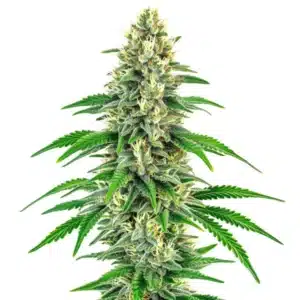
Critical Daddy Purple
|
|
THC | 19% (Medium) |
|
|
Type | Feminized |
|
|
Yield | High |
|
|
Phenotype | 50% Indica / 50% Sativa |
Let’s dive into what sets them apart, how to identify each, and the steps for treatment. We’ll also highlight some cannabis strains from Blimburn Seeds that are resilient against these issues.
Chlorosis Symptoms Cannabis vs Nitrogen Deficiency
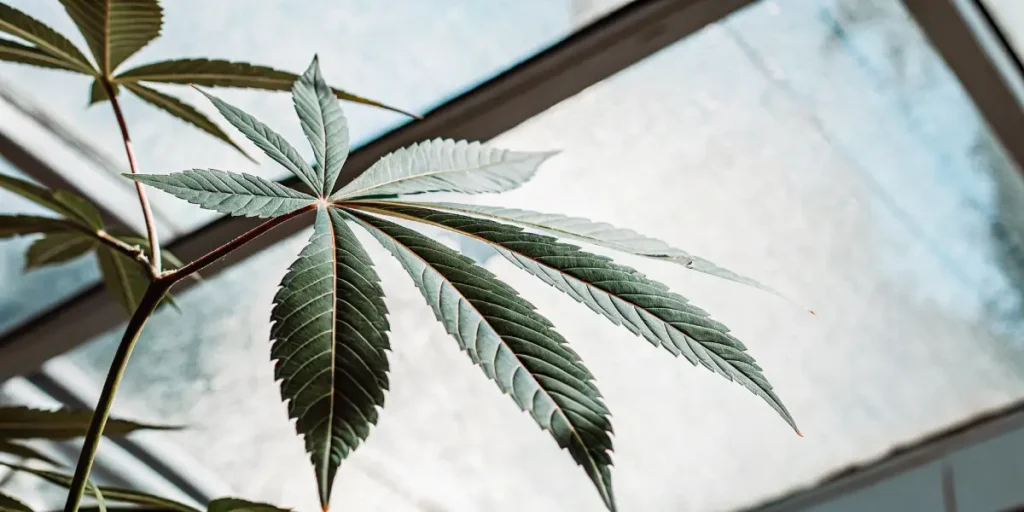
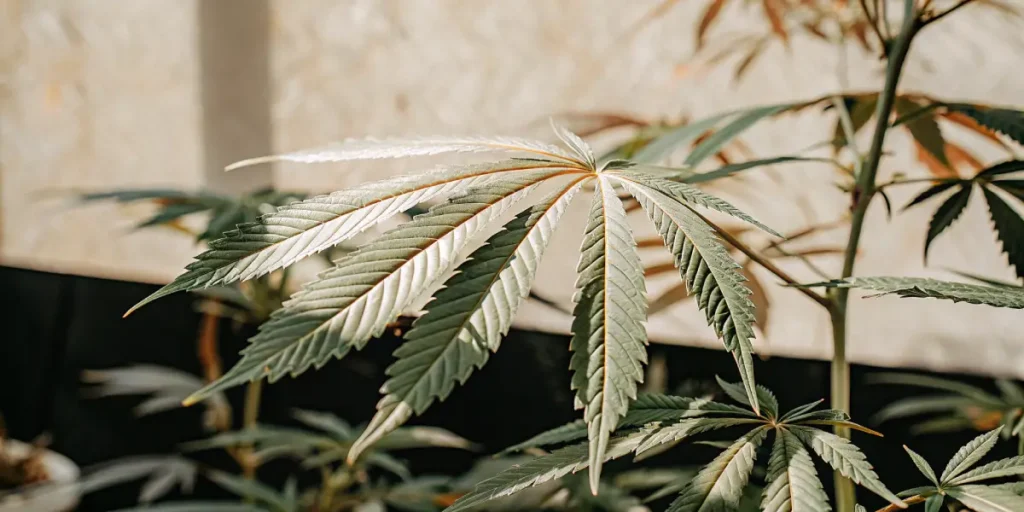
Chlorosis typically shows as yellow leaves, often on the younger parts of the plant. This happens when there’s a lack of chlorophyll, which is essential for photosynthesis. Without it, plants can’t turn sunlight into energy effectively. Knowing chlorosis vs nitrogen deficiency in cannabis is crucial, as both issues cause yellowing but affect plants in different ways and require distinct corrective approaches.
Nitrogen deficiency, on the other hand, affects older leaves first. These leaves turn yellow and may fall off if the deficiency isn’t corrected. Nitrogen is crucial for plant growth, and without it, the plant can’t produce enough proteins for new cell growth.
Knowing chlorosis symptoms cannabis vs nitrogen deficiency is crucial for maintaining plant health. Chlorosis can indicate a more systemic issue with nutrient absorption, whereas nitrogen deficiency might suggest a simple nutrient supply problem. The key is to monitor the progression of symptoms closely.
The distinction between these two issues is vital for precise treatment. Chlorosis often requires a more nuanced approach involving micro-nutrient adjustments, while nitrogen deficiency might be resolved with a straightforward boost of nitrogen. Both require attention to detail and timely intervention.
Identifying Chlorosis or Nitrogen Deficiency in Marijuana Plants
To determine if your cannabis plant is suffering from chlorosis or nitrogen deficiency, observe where the yellowing begins. Chlorosis often starts at the top of the plant, affecting new leaves. Nitrogen deficiency usually begins at the base, with older leaves.
Another way to identify the issue is to check for patterns. Chlorosis often causes a uniform yellowing, while nitrogen deficiency can result in leaves that are yellow with green veins.
Identifying chlorosis or nitrogen deficiency in marijuana plants involves not just visual inspection but also considering environmental factors. Temperature fluctuations and light conditions can exacerbate these deficiencies, making accurate diagnosis more challenging.
Moreover, using tools like soil testers can provide insights into the underlying causes by determining pH and nutrient levels. Such measures ensure that your approach to resolving the issue is both informed and effective, reducing the risk of recurrence.
Promos & Deals

Cannabis Leaf Discoloration: Chlorosis vs Nitrogen Deficiency Treatment
Once you’ve identified the problem, it’s time to take action. For chlorosis, improve nutrient uptake by adjusting pH levels or adding specific nutrients like iron or magnesium. These elements help your plant produce chlorophyll.
For nitrogen deficiency, increase the nitrogen in your plant’s diet. This can be done by using a high-nitrogen fertilizer or organic solutions like compost tea. Ensure your plants receive enough water, as dry conditions can exacerbate nutrient issues.
Cannabis leaf discoloration chlorosis nitrogen deficiency requires careful treatment strategies. Addressing chlorosis might involve altering the soil composition to enhance nutrient availability, while nitrogen deficiency could be tackled by modifying the fertilization routine.
Chlorosis vs nitrogen deficiency cannabis treatment is a nuanced process that demands attention to the specifics of each case. Customizing your approach based on the severity and progression of symptoms can lead to more successful recovery and healthier plants.
Diagnosing Chlorosis vs Nitrogen Deficiency in Cannabis Plants
Diagnosing these issues requires careful observation. Check the positioning of yellow leaves and ensure your soil’s pH is within the ideal range (6.0-7.0). This ensures nutrient availability.
Consider your growing conditions. Overwatering or underwatering can mimic nutrient deficiencies. Make sure your irrigation practices are spot on.
Diagnosing chlorosis vs nitrogen deficiency in cannabis plants necessitates a holistic view of your cultivation environment. Beyond pH and watering, consider the history of your soil amendments and any recent changes to your growing practices.
Engaging with resources from Blimburn Seeds or other expert growers can provide additional guidance, particularly for those dealing with these issues for the first time. Community support can be invaluable in navigating complex plant health challenges.
Choosing the Right Strain to Avoid Nutrient Deficiencies
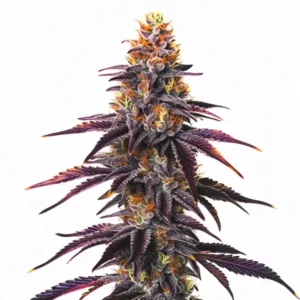
Some cannabis strains are more resistant to nutrient issues. Critical Daddy Purple from Blimburn Seeds is a great choice. It’s known for its hardiness and can weather nutrient fluctuations better than more sensitive strains.
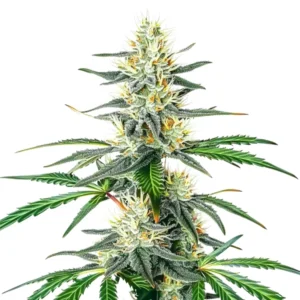
For first-time growers, selecting a strain like Blue Dream from Blimburn Seeds can be beneficial. It’s forgiving and can handle beginner mistakes, including nutrient imbalances.
Choosing strains that are less prone to chlorosis vs nitrogen deficiency in cannabis can significantly reduce the frequency of these problems. Strains with robust genetic backgrounds often require less intervention, allowing for a more straightforward growing experience.
When selecting seeds from Blimburn Seeds, consider your local growing conditions. Matching strain characteristics to your environment can further mitigate nutrient-related issues, promoting healthier and more productive plants.
Prevention Tips for Chlorosis and Nitrogen Deficiency
Preventing these issues starts with proper soil preparation. Use nutrient-rich soil and consider supplements if necessary. Regularly test your soil’s pH to ensure optimal nutrient absorption.
Implement a consistent feeding schedule. This helps avoid sudden nutrient spikes or deficiencies. Adjust as needed based on your plant’s growth phase.
A proactive approach to prevention includes knowing the potential for chlorosis vs nitrogen deficiency in cannabis. Regular soil amendments and monitoring can help catch issues before they manifest visibly.
Consider integrating sustainable practices such as crop rotation or using organic fertilizers. These methods not only enrich the soil but also contribute to a balanced ecosystem that supports healthy plant growth.
FAQs about chlorosis vs nitrogen deficiency in cannabis
What are the main causes of chlorosis in cannabis plants?
Chlorosis in cannabis can be caused by several factors, including nutrient deficiencies (such as iron or magnesium), pH imbalances, or poor soil conditions. Ensuring your soil is nutrient-rich and maintaining the correct pH can prevent chlorosis.
Environmental factors can also play a role. Overwatering or poor drainage can lead to root issues, which may result in chlorosis. Ensuring proper watering and drainage is essential for healthy cannabis plants.
Another cause can be the type of water used. Hard water, which is high in calcium and magnesium, can lead to nutrient lockout, preventing essential minerals from being absorbed, thus leading to chlorosis.
Regularly reviewing your water quality and making adjustments as needed can be a crucial step in preventing chlorosis. Using distilled or rainwater can be beneficial for maintaining a more balanced nutrient profile in your soil.
Can nitrogen deficiency occur even if I fertilize regularly?
Yes, nitrogen deficiency can occur even with regular fertilization. This might happen if the pH level of the soil is off, preventing the plant from absorbing nitrogen effectively. Regular soil testing helps ensure that nutrients are available for absorption.
Also, overwatering can leach nitrogen from the soil, leaving your plants deficient. It’s important to balance your watering schedule to maintain nutrient levels.
Another factor can be the type of fertilizer used. Some fertilizers may not release nitrogen in a form that is easily absorbed by plants, especially if the soil microbiome is imbalanced.
Adjusting your fertilization strategy to include slow-release nitrogen sources or using bio-fertilizers that enhance microbial activity can improve nitrogen uptake, reducing the risk of deficiency.
How do I adjust pH levels in my cannabis grow?
To adjust pH levels, you can use pH up or pH down solutions, available at most gardening stores. Add them slowly to your water until the desired pH level is reached, typically between 6.0 and 7.0 for cannabis.
Regular monitoring with a pH meter is advised. This ensures your plants are always in the optimal range for nutrient uptake, reducing the risk of chlorosis and nitrogen deficiency.
It’s also beneficial to periodically flush your system with pH-balanced water, which can help reset the nutrient environment in the soil, ensuring that pH levels remain stable over time.
Additionally, using pH buffers or natural amendments like lime or sulfur can gradually adjust pH levels, providing a more stable environment for cannabis growth.
Are some cannabis strains more susceptible to chlorosis or nitrogen deficiency?
Yes, some cannabis strains are more susceptible due to their genetic makeup. Fast-growing strains may require more nutrients and are more prone to deficiencies if not monitored closely.
Strains like those from Blimburn Seeds often come with growing guides, which can help you understand their specific needs and prevent common nutrient issues.
Knowing the specific nutrient needs of each strain is crucial for preventing chlorosis vs nitrogen deficiency in cannabis. Some strains may thrive with minimal intervention, while others require a more hands-on approach.
Researching and selecting strains based on their nutrient resilience, as well as consulting with experienced growers, can inform your cultivation strategy, minimizing the risk of nutrient-related setbacks.
What are some organic options for addressing nutrient deficiencies?
Organic solutions include using compost teas or worm castings, which can provide a natural source of nitrogen. For chlorosis, consider adding organic matter rich in iron or magnesium.
Regularly amending your soil with organic compost can improve its overall health, reducing the likelihood of nutrient deficiencies in the future.
Incorporating organic mulch can also help retain soil moisture and improve nutrient retention, creating a more stable environment for cannabis growth and reducing the impact of nutrient deficiencies.
For those committed to organic cultivation, rotating crops and using cover crops can enhance soil fertility naturally, providing a sustainable approach to managing chlorosis vs nitrogen deficiency in cannabis.