Expert Guide: Cannabis DNA Fingerprinting Explained Easily

Cannabis DNA fingerprinting explained in simple terms refers to a method used to identify the unique genetic profile of a cannabis plant. Just like human fingerprints, each cannabis strain has a distinct DNA pattern. This process helps growers and buyers ensure they are getting what they expect.
The cannabis DNA fingerprinting process explained involves extracting DNA from a plant sample. This DNA is then analyzed using various techniques to create a genetic profile. This profile can be compared to a database of known strains, helping to confirm the plant’s identity.
Recommended Strains

Bruce Banner #3

|
THC | 20% - 29% (High) |

|
Type | Feminized |

|
Yield | Medium |

|
Phenotype | 50% Indica / 50% Sativa |

GG4
|
|
THC | 27% (High) |
|
|
Type | Feminized |
|
|
Yield | High |
|
|
Phenotype | 40% Indica / 60% Sativa |
For both first-time cannabis seed buyers and experienced growers, knowing cannabis DNA fingerprinting techniques offers peace of mind. No more guessing if the seeds you’re planting will grow into the strain you desire. With DNA fingerprinting, accuracy is the name of the game.
How Cannabis DNA Fingerprinting Works
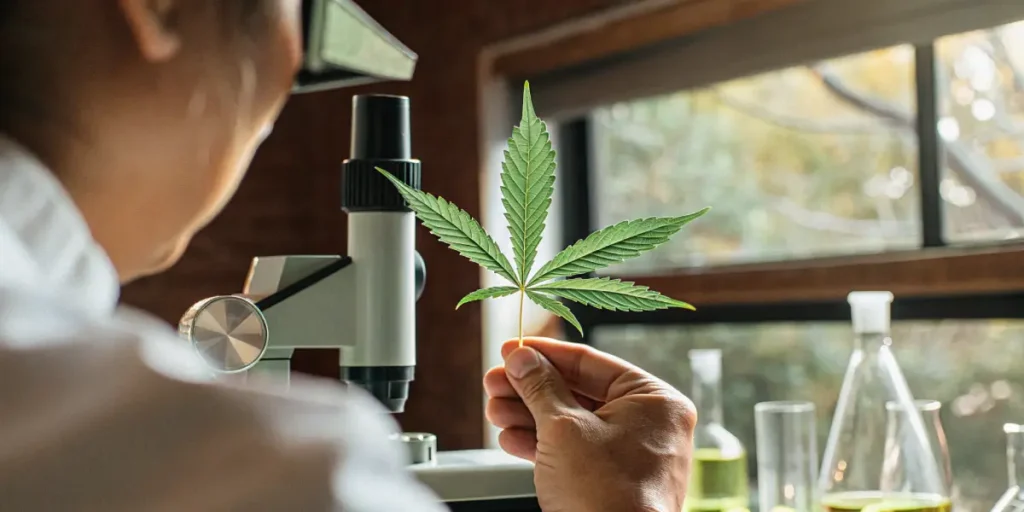
To start, a small sample of the plant tissue is collected. This is often a leaf, as it’s easy to access without harming the plant. The DNA extraction process begins here, breaking down the cell walls to release the genetic material within.
Once extracted, the DNA undergoes amplification. This is a fancy way of saying that the DNA is copied many times over so that there is enough to study. Scientists then use markers to highlight specific areas of the DNA. These areas are unique to each strain, helping to create a distinct fingerprint.
The cannabis DNA fingerprinting process explained further involves sophisticated technology to ensure precision. Advanced software is used to analyze the genetic markers and compare them against a comprehensive database. This step is crucial for achieving accurate strain identification, eliminating any guesswork.
Knowing cannabis DNA fingerprinting techniques can significantly benefit breeders and researchers. By pinpointing specific genetic traits, they can make informed decisions about breeding strategies and strain improvements. This scientific approach enhances the overall quality and diversity of cannabis plants available in the market.
Cannabis DNA Fingerprinting for Strain Identification
One of the significant benefits of cannabis DNA fingerprinting for growers is accurate strain identification. Imagine buying seeds labeled as “GG4,” but they grow into something entirely different. With DNA fingerprinting, this confusion is a thing of the past.
For example, Blimburn Seeds offers a strain known as “Bruce Banner 3.” Using cannabis DNA fingerprinting, growers can verify that their plants truly belong to this legendary strain. This ensures that the plant will exhibit the expected traits, such as high THC levels and a potent aroma.
Knowing cannabis DNA fingerprinting techniques is essential for maintaining brand integrity. Growers can confidently market their products, knowing they have the scientific backing to support their claims. This transparency is invaluable in a competitive industry where trust is paramount.
Moreover, cannabis DNA fingerprinting for strain identification helps in improving quality control. By consistently verifying the genetic identity of their strains, growers can uphold a high standard of product quality, which is crucial for customer satisfaction and repeat business.
Promos & Deals




Benefits of Cannabis DNA Fingerprinting for Growers
For growers, the benefits of cannabis DNA fingerprinting are immense. First and foremost, it ensures genetic consistency. When you plant seeds, you want to know they will grow into the strain you purchased. DNA fingerprinting provides this assurance.
Additionally, this process helps in protecting intellectual property. Breeders invest time and resources into developing new strains. DNA fingerprinting helps protect these investments by providing a means to prove ownership of a particular genetic profile.
The benefits of cannabis DNA fingerprinting for growers extend to enhancing crop management. By knowing the genetic makeup of their plants, growers can tailor their cultivation techniques to optimize growth conditions and maximize yield.
Furthermore, cannabis DNA fingerprinting explained the way it supports breeding programs is by enabling the selection of parent plants with desirable traits. This accelerates the development of new strains, allowing growers to bring innovative products to market more efficiently.
How Growers Can Implement DNA Fingerprinting
Implementing cannabis DNA fingerprinting in your growing process can seem daunting, but it’s quite manageable. Start by selecting a reputable lab that offers DNA fingerprinting services. They will guide you through the sample collection process.
Once you’ve collected your sample, send it to the lab for analysis. The lab will provide you with a detailed report that includes the genetic profile of your plant. This report is your assurance that you’re growing the strain you intended to plant.
To fully leverage the benefits of cannabis DNA fingerprinting for growers, it’s important to establish a routine of regular testing. This proactive approach helps in continuously monitoring the genetic integrity of your crops, ensuring long-term consistency and quality.
Additionally, consider collaborating with other growers and breeders to share insights and data. This collective effort can drive industry standards forward, ultimately benefiting everyone involved in the cultivation and distribution of cannabis.

Real-Life Applications of DNA Fingerprinting
In real-life scenarios, DNA fingerprinting is used not just for identification but also for breeding. Breeders can use DNA profiles to select parent plants with desirable traits, speeding up the development of new strains.
Moreover, cannabis DNA fingerprinting is crucial in legal contexts. As cannabis becomes legalized in more places, regulations around strains and their contents become more stringent. DNA fingerprinting provides the data needed to comply with these regulations.
Real-life applications of cannabis DNA fingerprinting explained include its role in consumer protection. By ensuring that products are accurately labeled, consumers can make informed decisions, fostering trust in the market.
Furthermore, knowing cannabis DNA fingerprinting techniques aids in combating counterfeit products. This is particularly important in regions where cannabis is highly regulated, as it ensures that only authentic strains are available to consumers.
FAQs about cannabis DNA fingerprinting explained
What is cannabis DNA fingerprinting?
Cannabis DNA fingerprinting is a scientific method used to identify the unique genetic profile of a cannabis plant. It’s similar to how human fingerprints are used to identify individuals. Each cannabis strain has a distinct DNA pattern, allowing for precise identification.
This process involves extracting DNA from a plant sample, amplifying it, and analyzing specific genetic markers. These markers highlight unique areas of the DNA, creating a fingerprint that can be compared to known profiles in a database.
Knowing cannabis DNA fingerprinting techniques is crucial for anyone involved in the cannabis industry. It offers a reliable way to differentiate between strains, which is vital for both personal use and commercial distribution.
Furthermore, the process of cannabis DNA fingerprinting explained offers insights into the genetic diversity of cannabis plants. This knowledge can lead to new discoveries about the plant’s potential uses and characteristics, driving innovation in the sector.
How does cannabis DNA fingerprinting benefit growers?
For growers, cannabis DNA fingerprinting offers several advantages. It ensures that the seeds they plant are true to their label, reducing the risk of growing an undesired strain. This accuracy is crucial for maintaining genetic consistency and meeting consumer expectations.
Additionally, DNA fingerprinting protects breeders’ intellectual property by providing a way to prove ownership of a specific genetic profile. This helps in safeguarding investments in developing new and unique cannabis strains.
Moreover, the benefits of cannabis DNA fingerprinting for growers include enhanced marketing opportunities. By having verified genetic profiles, growers can market their products with confidence, knowing they have the scientific data to support their claims.
Finally, knowing cannabis DNA fingerprinting techniques can contribute to more sustainable cultivation practices. By identifying strains that are naturally resistant to pests and diseases, growers can reduce their reliance on chemical interventions.
Can I perform DNA fingerprinting at home?
While the concept of at-home DNA testing sounds appealing, cannabis DNA fingerprinting requires specialized equipment and expertise. It’s best to work with a professional lab that offers these services. They have the tools and knowledge to provide accurate results.
Most labs will guide you through the sample collection process, making it easy to send in your plant material for analysis. Once the lab completes its analysis, you’ll receive a report detailing the genetic profile of your plant.
For those curious about the cannabis DNA fingerprinting process explained, it’s important to understand that the precision and accuracy offered by professional labs are key to reliable results. Attempting to replicate this at home would not provide the same level of confidence.
Partnering with a reputable lab means you also have access to experts who can interpret the results and offer guidance on how best to utilize the information. This professional insight is invaluable for making informed decisions about your cultivation practices.
Is DNA fingerprinting necessary for all cannabis strains?
While not necessary for all strains, DNA fingerprinting is highly recommended for unique or high-value strains. If you’re growing a strain known for its specific effects or quality, DNA fingerprinting ensures you’re getting what you expect.
For commercial growers, DNA fingerprinting can be a valuable tool for quality control and legal compliance. It provides solid evidence of strain identity, which is important in regulated markets.
The cannabis DNA fingerprinting process explained includes identifying key genetic markers that distinguish high-value strains, making it an essential tool for breeders and growers who want to preserve the unique properties of their plants.
Moreover, knowing cannabis DNA fingerprinting techniques can help in determining the necessity of testing. For some growers, the peace of mind and market advantage offered by verified strains make DNA fingerprinting a worthwhile investment.
How do I choose a lab for cannabis DNA fingerprinting?
Choosing the right lab for cannabis DNA fingerprinting involves considering several factors. Look for a lab with a proven track record of accuracy and reliability. It’s also helpful to read reviews and testimonials from other growers who have used their services.
Additionally, consider the lab’s customer service. They should be willing to answer your questions and guide you through the process. A good lab will make the DNA fingerprinting process straightforward and stress-free.
When selecting a lab, it’s important to inquire about their methodologies and technologies used in the cannabis DNA fingerprinting process explained. This ensures that their practices align with industry standards and provide reliable results.
Finally, building a relationship with a trusted lab can provide ongoing support for your cultivation endeavors. Their expertise can be a valuable resource as you continue to explore the benefits of cannabis DNA fingerprinting for growers.