Expert Guide: Can You Identify Cannabis Strains by DNA?

In the world of cannabis cultivation, the ability to identify cannabis strains by DNA has become a hot topic. DNA testing offers a scientific approach to knowing the genetic makeup of different strains. As more growers ask can you identify cannabis strains by DNA, advancements in technology now make it possible to gain deeper insight into what truly makes each strain unique.
For first-time buyers, this might sound complex, but it boils down to analyzing the genetic blueprint of a plant. Experienced growers might see it as a way to ensure authenticity and quality. Whether you’re growing indoors or out, knowing the precise strain can influence your decisions.
Recommended Strains
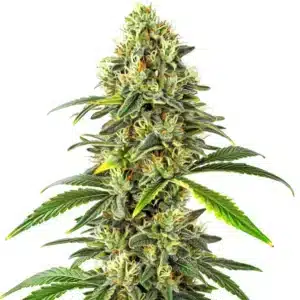
Purple Kush

|
THC | 17% - 27% (Medium) |

|
Type | Feminized |

|
Yield | Medium |

|
Phenotype | 30% Indica / 70% Sativa |

Bruce Banner #3
|
|
THC | 20% - 29% (High) |
|
|
Type | Feminized |
|
|
Yield | Medium |
|
|
Phenotype | 50% Indica / 50% Sativa |
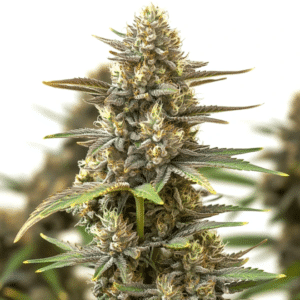
One popular strain from Blimburn Seeds is the “Bruce Banner 3“. Known for its high THC content and distinctive characteristics, DNA testing can confirm its authenticity. By analyzing the genetics, you can ensure you are cultivating the real deal.
How DNA Testing Works
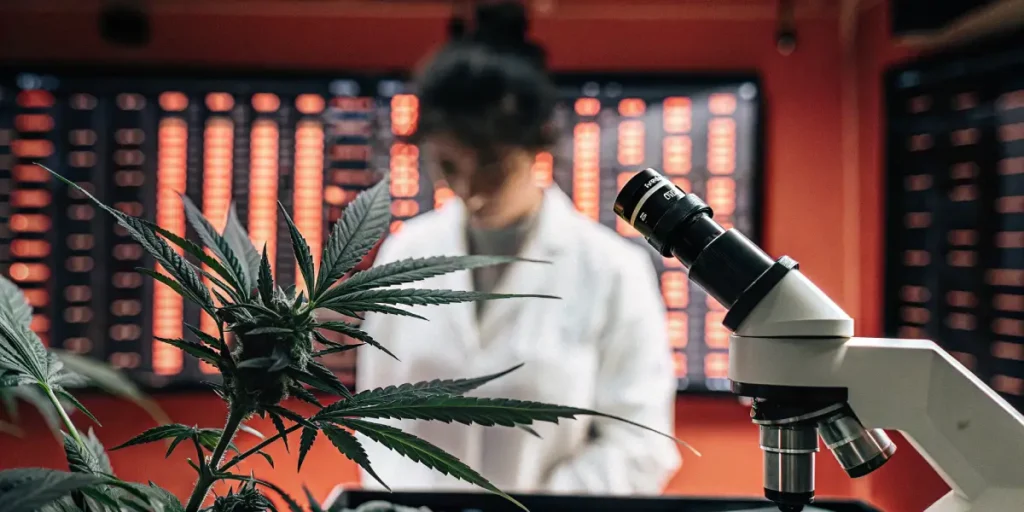
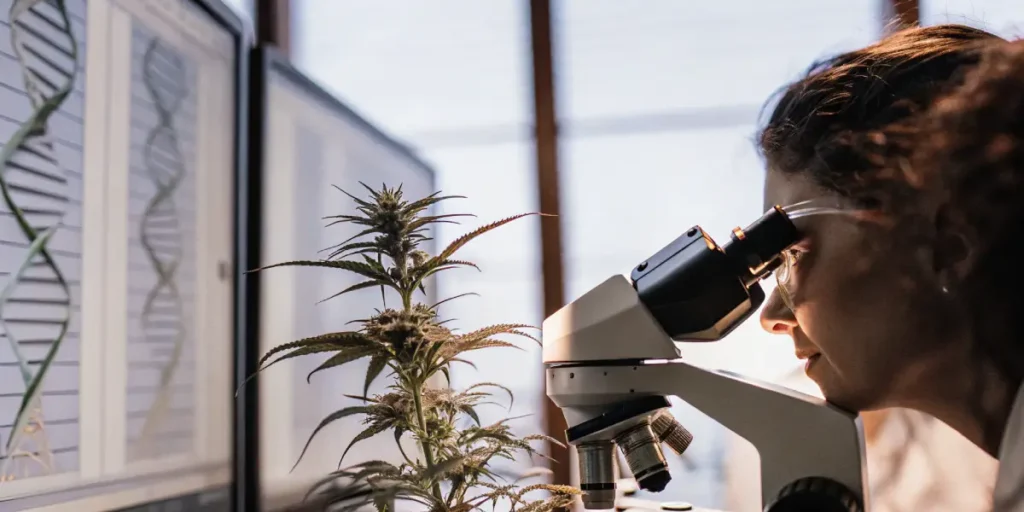
DNA testing in cannabis involves collecting a small sample of the plant, usually a leaf. This sample is then analyzed in a lab where scientists extract the DNA. The process is similar to how crime labs analyze DNA but tailored for plants.
With DNA analysis for cannabis strain identification, you can discover a wealth of information. The genetic code reveals traits like growth patterns, resistance to pests, and even flavor profiles. This information is crucial for both breeders and consumers.
Additionally, can you identify cannabis strains by DNA offers an unprecedented level of detail. Knowing the genetic profile of a plant can help in breeding programs, allowing for the development of strains with desirable characteristics. This scientific approach is reshaping how new cannabis varieties are developed.
The application of cannabis strain identification DNA testing extends beyond just verifying lineage. As more data accumulates, it could lead to targeted breeding strategies, enhancing specific traits like potency or disease resistance. The potential for innovation in strain development is significant.
Benefits of Identifying Cannabis Strains Through Genetic Sequencing
Identifying cannabis strains through genetic sequencing offers clarity in an industry often clouded by marketing claims. When you purchase a seed labeled as “GG4“, DNA testing can verify if it’s truly the strain you desire. This transparency benefits both buyers and sellers.
For growers, genetic testing for cannabis strains identification can guide cultivation practices. Knowing the exact strain helps in optimizing growing conditions, resulting in healthier plants and better yields.
Moreover, the benefits of genetic sequencing extend to enhancing consumer trust. With validated strain authenticity, customers can make informed choices, fostering confidence in brands like Blimburn Seeds. This level of assurance is particularly valuable in a competitive market.
Furthermore, can DNA tests determine cannabis strain type with precision, enabling detailed insights into a plant’s potential? Yes, it can. From growth rate to cannabinoid content, the data gleaned through genetic testing is a powerful tool for growers aiming for excellence.
Promos & Deals

Challenges in Cannabis Strain Identification DNA Testing
While the technology is advanced, there are challenges. One major hurdle is the cost. DNA testing can be expensive, making it less accessible for hobbyists compared to commercial growers.
Additionally, the process of can you identify cannabis strains by DNA is still evolving. As more strains are tested, our knowing improves, but it takes time to build a comprehensive database of all existing cannabis strains.
Another challenge lies in the standardization of testing protocols. With varying methods across different labs, achieving consistent results can be difficult. This inconsistency can lead to discrepancies in cannabis strain identification DNA testing, impacting reliability.
Furthermore, the genetic diversity within cannabis poses an inherent challenge. As breeders continue to develop new hybrids, keeping up with the genetic variations requires continuous updates to existing databases, a task that demands significant resources and time.
Real-Life Applications of DNA Tests in Cannabis Cultivation
In practice, DNA tests determine cannabis strain type with precision. For example, cultivators can verify the lineage of a new hybrid. This is crucial for breeders looking to create new strains with specific traits.
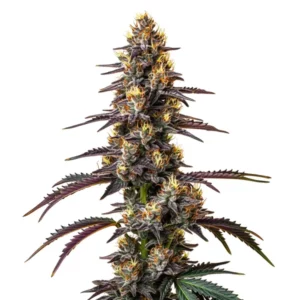
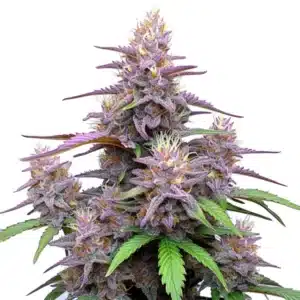
Take “Purple Kush” from Blimburn Seeds. Known for its deep purple hue and calming effects, growers can use DNA analysis to confirm its genetics. This ensures that the plant’s renowned characteristics are present, meeting consumer expectations.
Beyond strain verification, DNA testing aids in disease resistance. By knowing a plant’s genetic vulnerabilities, growers can take preventive measures, ensuring a robust harvest season after season.
Moreover, the integration of DNA analysis for cannabis strain identification into breeding programs allows for the selection of parent plants with optimal traits. This can lead to improved yield, potency, and flavor profiles, ultimately enhancing the quality of the final product.
The Future of Cannabis Strain Identification
As technology advances, the question “can you identify cannabis strains by DNA” becomes increasingly relevant. The potential to revolutionize cultivation and consumption practices is immense.
For consumers and producers alike, DNA testing brings a level of precision and authenticity previously unavailable. Trusting the label on your seed packet becomes a reality, not just a gamble.
The future of cannabis strain identification DNA testing promises even greater accuracy and accessibility. As costs decrease and databases expand, the ability to pinpoint the genetic makeup of any strain will become standard practice, benefiting the entire industry.
Ultimately, the continued evolution of genetic testing for cannabis strains identification is set to transform the landscape of cannabis cultivation. From breeding to consumer choice, the insights provided by DNA testing will shape the future of the industry in remarkable ways.
FAQs about can you identify cannabis strains by DNA
How does DNA testing benefit first-time cannabis seed buyers?
DNA testing benefits first-time buyers by ensuring they receive the exact cannabis strain they purchased. Many strains have similar names, and without genetic testing, it’s easy to end up with a different plant than expected. This is particularly useful when purchasing seeds from reputable sources like Blimburn Seeds, where authenticity matters.
Moreover, DNA testing provides peace of mind. For those new to growing, knowing the strain’s specific needs and characteristics can enhance the growing experience and lead to a successful harvest.
Additionally, knowing the genetic profile of a strain can help first-time growers avoid common pitfalls. By aligning cultivation practices with the specific requirements of the strain, newcomers can improve their chances of a bountiful harvest.
Furthermore, the transparency offered by identifying cannabis strains through genetic sequencing builds trust in the industry. Buyers can be confident they are investing in the right product, fostering a positive relationship with brands like Blimburn Seeds.
Is DNA testing for cannabis strains cost-effective for small-scale growers?
For small-scale growers, the cost of DNA testing can be a barrier. However, as the technology becomes more widespread, prices are expected to decrease. Currently, many small growers might opt to rely on trusted seed banks like Blimburn Seeds for accurate strains without testing.
Despite the cost, the benefits can outweigh the expense. Accurate strain identification assists in optimizing growth conditions, potentially saving money in the long run by preventing crop failures and improving yields.
Moreover, as more small-scale growers adopt genetic testing, the collective data can lead to wider acceptance and lower costs. This shift could democratize access to advanced cultivation techniques, leveling the playing field for smaller operations.
Ultimately, even without immediate cost savings, the insights gained from genetic testing for cannabis strains identification can lead to improved crop quality and market competitiveness, justifying the initial investment for many growers.
Can DNA tests determine cannabis strain type with complete accuracy?
DNA tests can determine cannabis strain type with a high degree of accuracy, but it’s not infallible. The accuracy depends on the quality of the sample and the comprehensiveness of the DNA database used by the testing facility. As more strains are cataloged, the precision of these tests improves.
For those using seeds from Blimburn Seeds, the accuracy of DNA testing is supported by the brand’s reputation for quality and integrity in providing genuine strains.
Additionally, advances in technology continue to enhance the accuracy of DNA testing. As methods become more refined, the margin of error decreases, providing even greater confidence in the results.
Furthermore, ongoing research and development in the field of DNA analysis for cannabis strain identification contribute to more robust and reliable testing capabilities, ensuring that growers and consumers alike can rely on these scientific tools.
What information can I get from DNA analysis for cannabis strain identification?
DNA analysis for cannabis strain identification can reveal a variety of information, including the plant’s lineage, potential growth characteristics, cannabinoid profile, and resistance to certain pests or diseases. This data empowers growers to tailor their cultivation practices to the specific needs of the strain.
For example, if a strain is prone to mold, growers can adjust humidity levels accordingly. This proactive approach leads to healthier plants and more successful harvests.
Furthermore, knowing the genetic makeup of a strain can assist in predicting its environmental preferences. By aligning growing conditions with genetic predispositions, cultivators can optimize plant health and productivity.
Additionally, genetic testing for cannabis strains identification can uncover unique traits that may have been overlooked, providing opportunities for innovation in breeding programs and product development.
Are there any legal considerations when using DNA testing for cannabis strains?
Legal considerations around DNA testing for cannabis strains vary by region. In some areas, genetic testing might be restricted or require specific permits, especially if cannabis cultivation is regulated. It’s important for growers to familiarize themselves with local laws before conducting DNA tests.
For those purchasing from established brands like Blimburn Seeds, ensuring compliance with local regulations is crucial. This ensures that both the cultivation process and any testing conducted are within legal parameters.
Moreover, knowing the legal landscape surrounding cannabis strain identification DNA testing can prevent potential legal issues. Staying informed about regulations ensures that all cultivation practices adhere to current laws.
Additionally, as the legal framework around cannabis continues to evolve, staying up-to-date with changes is essential for growers and consumers to maintain compliance and avoid any legal complications.