Expert Guide: Can You Combine Sap & Tissue Testing in Cannabis?

Cannabis cultivation requires attention to detail and a keen knowing of plant health. Growers are always searching for ways to optimize growth and ensure the highest quality yield. One method gaining traction is combining sap and tissue testing in cannabis growing. These tests help growers understand nutrient uptake and deficiencies, providing a comprehensive snapshot of plant health.
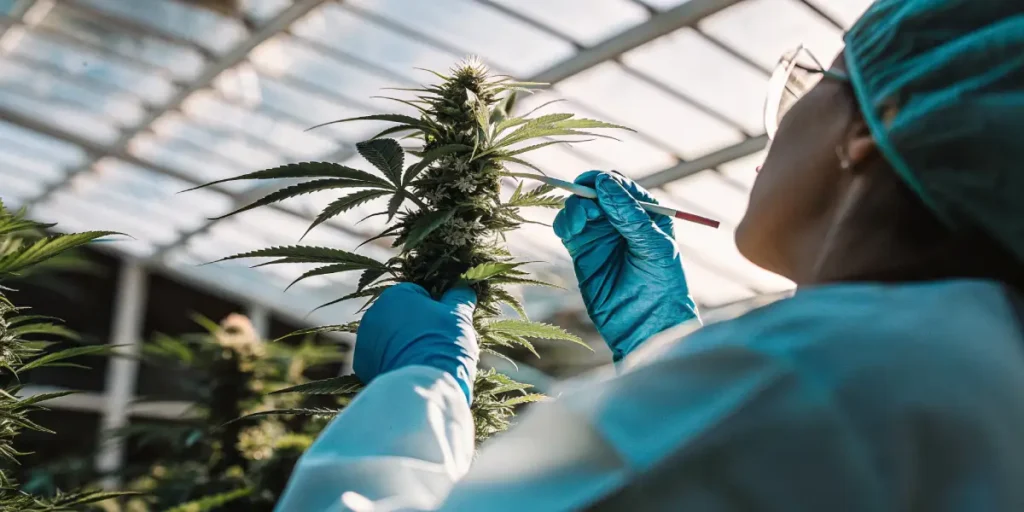
Both sap and tissue testing offer unique insights. Sap testing involves analyzing the liquid found within the plant’s vascular system. This method gives real-time data on nutrients actively flowing through the plant. On the other hand, tissue testing analyzes the plant’s leaves, providing a historical record of nutrient absorption. When combined, these tests offer a more complete picture of the plant’s nutritional status.
Recommended Strains

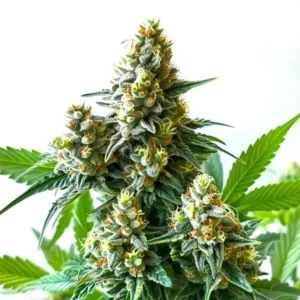
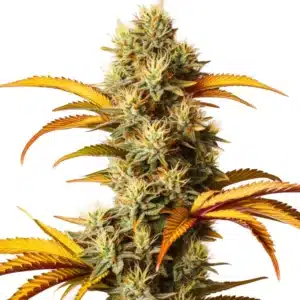
GG4

|
THC | 27% (High) |

|
Type | Feminized |

|
Yield | High |

|
Phenotype | 40% Indica / 60% Sativa |
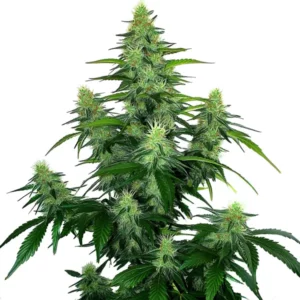
Critical Daddy Purple
|
|
THC | 19% (Medium) |
|
|
Type | Feminized |
|
|
Yield | High |
|
|
Phenotype | 50% Indica / 50% Sativa |
For first-time growers wondering Can you combine sap and tissue testing in cannabis growing?, the answer is a resounding yes. By utilizing both methods, growers can make informed decisions to optimize plant health and maximize yields. Strains like GG4 from Blimburn Seeds can benefit greatly from this dual approach, leading to robust and healthy plants.
The Benefits of Sap and Tissue Testing in Cannabis
Integrating sap tissue tests in cannabis cultivation brings numerous advantages. Firstly, sap testing helps in identifying nutrient imbalances before they visibly affect the plant. This proactive approach allows growers to address issues early, preventing potential yield loss. Additionally, it helps in fine-tuning nutrient applications, ensuring plants receive exactly what they need.
Tissue testing complements this by providing a deeper knowing of the plant’s nutrient history. By analyzing leaf samples, growers can see what nutrients have been absorbed over time. This historical data is crucial for knowing long-term trends and making adjustments to nutrient regimens. Combined, sap and tissue testing benefits cannabis by providing a detailed nutritional roadmap.
Furthermore, sap vs tissue testing in cannabis plants highlights the dynamic nature of nutrient uptake versus nutrient storage. While sap testing offers a snapshot of what is currently available to the plant, tissue testing reveals what the plant has stored and utilized over time. This dual perspective is invaluable for adjusting nutrient strategies that cater to immediate and future needs.
Combining sap tissue analysis in cannabis farming not only boosts plant health but also contributes to better resource management. By knowing nutrient dynamics in detail, growers can avoid over-fertilization, thus reducing waste and promoting sustainable practices. This approach aligns with modern agricultural goals of minimizing environmental impact while maximizing output.
Promos & Deals



How to Implement Sap and Tissue Testing
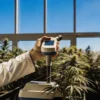
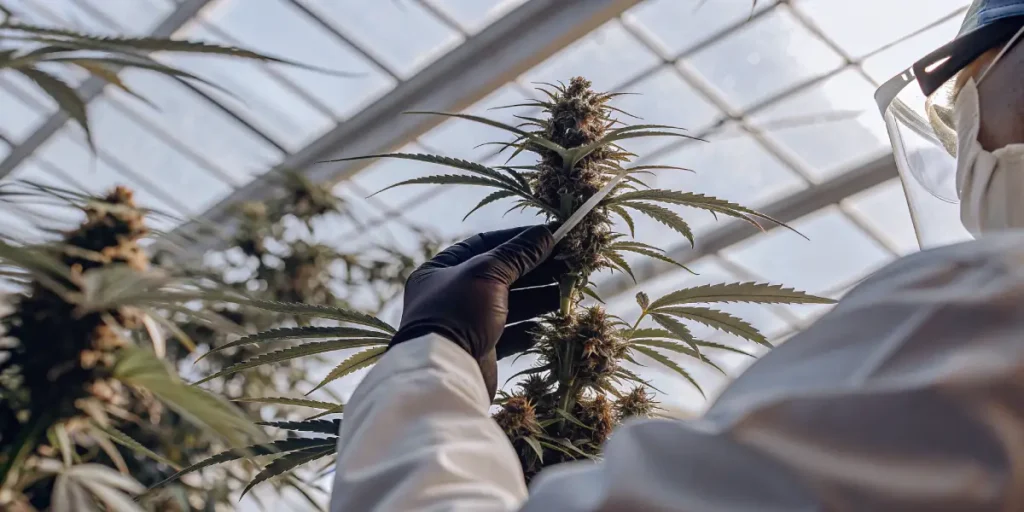
Implementing sap and tissue testing in your cannabis farm is straightforward. Start by collecting sap samples from the plant’s stems. This is typically done using specialized equipment that extracts the sap without damaging the plant. Analyzing these samples will give you real-time data on nutrient levels, offering a snapshot of the plant’s current health.
Tissue testing involves collecting leaf samples. These samples are then sent to a laboratory for analysis. The results provide a historical perspective on nutrient uptake, revealing potential deficiencies or toxicities. By integrating sap and tissue tests, cannabis growers can make informed decisions and tailor nutrient applications to meet the plant’s needs.
To ensure accurate results, it’s essential to follow best practices during sample collection for both sap and tissue testing. Proper timing, handling, and storage of samples can significantly impact the reliability of the data obtained. Investing in training or consulting with experts can enhance the effectiveness of these tests.
Moreover, the integration of technology in sap and tissue testing is advancing rapidly. Newer tools and software are being developed to automate data collection and analysis, making the process more efficient and user-friendly. This technological integration is driving cannabis growth optimization with sap tissue tests, allowing for more precise nutrient management.
Combining Sap and Tissue Analysis for Optimal Growth
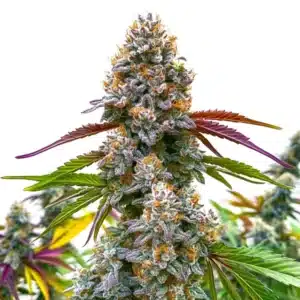
Combining sap and tissue analysis is a powerful tool for optimizing cannabis growth. For example, a grower cultivating Critical Daddy Purple from Blimburn Seeds may notice through sap testing that potassium levels are low. Tissue testing might reveal that this deficiency has been ongoing, impacting the plant’s overall health.
With this information, the grower can adjust the nutrient mix to address the deficiency, ensuring the plant receives adequate potassium. Over time, this approach leads to healthier plants and better yields. The ability to pinpoint issues early and track nutrient absorption over time is invaluable for any serious cannabis cultivator.
This approach to nutrient management not only enhances plant vitality but also aligns with sustainable farming practices. By focusing on precise nutrient application, growers can minimize waste and reduce the environmental footprint of their cultivation efforts. This is particularly important in a time where sustainability in agriculture is becoming a priority.
Moreover, the insights gained from combining sap and tissue analysis can guide future cultivation strategies. By knowing the long-term effects of nutrient management, growers can develop best practices that ensure consistent quality and yield. This knowledge is a valuable asset in the competitive world of cannabis cultivation.
FAQs on Can you combine sap and tissue testing in cannabis growing?
How often should sap and tissue testing be conducted?
The frequency of sap and tissue testing depends on various factors, including the growth stage of the plants and the specific strain being cultivated. For most growers, conducting tests every two to four weeks is sufficient. This regular schedule helps track nutrient levels and detect any imbalances early.
However, during critical growth phases or when issues arise, you might need to test more frequently. Adjusting the testing schedule based on plant performance and environmental conditions ensures that you maintain optimal growing conditions. Regular monitoring is key to successful cannabis farming.
Seasoned growers understand that the key to successful cannabis growth optimization with sap tissue tests lies in flexibility. By adapting testing frequency to the plant’s life cycle and environmental factors, growers can maintain a responsive and effective nutrient management strategy.
Additionally, the integration of new strains may require more frequent testing as their specific nutrient needs are still being understood. This adaptability ensures that both new and tried-and-true strains from Blimburn Seeds thrive under optimal conditions.
What equipment is needed for sap testing?
Sap testing requires specialized equipment designed to extract the plant’s sap without causing harm. This typically includes a sap extractor, which is a device that carefully punctures the plant stem to obtain a liquid sample. Additionally, you’ll need tools to analyze the sap, either through in-house equipment or by sending samples to a laboratory.
While this equipment represents an initial investment, the insights gained from sap testing are invaluable. For serious growers, the ability to monitor real-time nutrient levels justifies the cost. Investing in the right tools ensures accurate results and promotes healthy plant development.
Modern sap testing equipment has evolved to become more user-friendly and efficient. Portable devices that offer on-the-spot analysis are becoming popular, allowing growers to make immediate adjustments based on real-time data. This evolution in technology is a testament to the growing importance of sap testing in cannabis cultivation.
Furthermore, as technology advances, the cost of sap testing equipment is becoming more accessible, making it a viable option for small-scale growers who wish to apply professional-grade analysis to their operations. This democratization of technology is helping more growers understand the sap and tissue testing benefits cannabis cultivation offers.
Can sap and tissue tests be used for all cannabis strains?
Yes, sap and tissue tests are versatile and can be applied to any cannabis strain. Each strain may have unique nutrient requirements, making these tests particularly useful for tailoring nutrient management strategies. Whether you’re growing a classic strain like Critical Daddy Purple or experimenting with new hybrids, these tests provide valuable insights.
Using sap and tissue tests across different strains helps identify specific needs and optimize growth conditions. This flexibility makes them indispensable tools for both new growers and seasoned cultivators looking to enhance their farming practices.
The versatility of these tests is one of their greatest strengths, as it allows for a customized approach to nutrient management. By knowing the unique requirements of each strain, growers can optimize conditions to bring out the best characteristics of their cannabis plants.
Combining sap and tissue testing in cannabis growing not only facilitates better strain management but also contributes to a deeper knowing of plant physiology. This knowledge empowers growers to push the boundaries of cannabis cultivation, exploring new possibilities and achieving superior results.
What are the limitations of sap and tissue testing?
While sap and tissue testing offer significant advantages, they do have limitations. The accuracy of results depends on proper sample collection and analysis. Incorrect sampling techniques can lead to inaccurate data, making it crucial to follow best practices during testing.
Additionally, while these tests provide detailed nutrient information, they do not account for other growth factors like light, humidity, and pests. It’s essential to combine testing with other cultivation practices for a holistic approach to cannabis farming. Despite these limitations, the benefits of combining sap and tissue testing far outweigh the drawbacks.
Another limitation is the time required for sample analysis, particularly for tissue testing, which often involves sending samples to a laboratory. This delay can impact the immediacy of decision-making, especially in fast-paced growth environments where timely responses are critical.
Nonetheless, the comprehensive insights gained from sap and tissue testing are invaluable. By knowing the specific limitations and working within them, growers can effectively integrate these tests into a broader cultivation strategy that addresses all aspects of plant health and growth.
How do sap and tissue tests contribute to sustainable cannabis farming?
Sap and tissue tests promote sustainable cannabis farming by enabling precise nutrient management. By identifying nutrient deficiencies and excesses early, growers can adjust their fertilization practices, reducing waste and minimizing environmental impact. This targeted approach helps conserve resources while maintaining healthy plant growth.
Furthermore, sustainable farming practices lead to better quality yields and reduce the risk of nutrient runoff, which can harm local ecosystems. By integrating sap and tissue tests, cannabis farmers contribute to a more sustainable agricultural model, benefiting both the environment and their bottom line.
Incorporating sap and tissue testing into farming practices aligns with global efforts towards environmentally-friendly agriculture. By reducing excess nutrient application, growers not only protect natural resources but also enhance the quality and safety of their product, aligning with consumer demands for eco-conscious cultivation.
Ultimately, the integration of sap tissue tests in cannabis cultivation is a forward-thinking approach that balances productivity with ecological responsibility. By adopting these advanced testing methodologies, growers set the stage for a future of sustainable and profitable cannabis farming.