Essential Refractometer Use in Living Soil Cannabis Systems Explained

Refractometer use in living soil cannabis systems is gaining attention due to its effectiveness in optimizing plant health. When cultivating cannabis, knowing plant needs is crucial, and a refractometer becomes a valuable tool. It measures the brix level, which indicates the sugar content in plant sap. This simple yet powerful device helps growers adjust their practices to enhance crop quality.
Using refractometers to measure brix levels in living soil provides insights into plant vitality. A higher brix level often suggests healthier plants with better resistance to pests and diseases. For example, if you notice a low brix reading in your Blimburn Seeds Bruce Banner 3 plants, it might be time to check your soil’s nutrient balance.
Recommended Strains

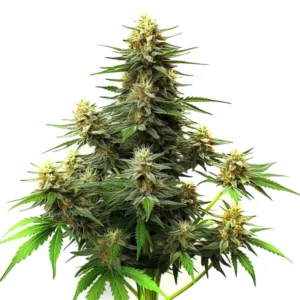
GG4

|
THC | 27% (High) |

|
Type | Feminized |

|
Yield | High |

|
Phenotype | 40% Indica / 60% Sativa |
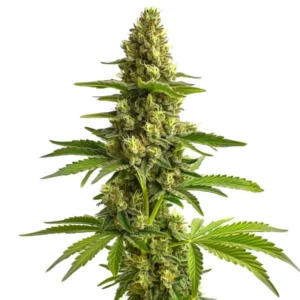
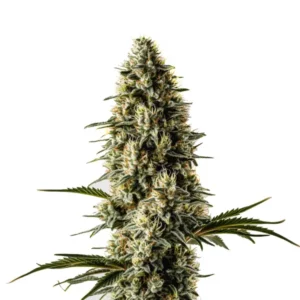
Bruce Banner #3
|
|
THC | 20% - 29% (High) |
|
|
Type | Feminized |
|
|
Yield | Medium |
|
|
Phenotype | 50% Indica / 50% Sativa |
In living soil systems, where microbial life is key, refractometer applications in holistic cannabis farming offer a way to harmonize plant and soil health. By regularly taking readings, growers can make informed decisions, ensuring their cannabis plants, like the potent GG4 from Blimburn Seeds, reach their full potential.
How Refractometers Work in Cannabis Cultivation
A refractometer is a handheld device that measures the bending of light as it passes through a liquid. In cannabis cultivation, it assesses the brix level, which correlates to the sugar concentration. This is essential because sugar levels in plants often reflect overall health and vigor.
When applied to cannabis systems, refractometer use in living soil cannabis systems helps growers monitor the effectiveness of their organic practices. Higher brix levels can indicate robust plant health, allowing for early adjustments to growing conditions. This is particularly useful in organic cannabis cultivation, where synthetic pesticides and fertilizers are avoided.
The versatility of refractometers in cannabis cultivation also extends to assessing the impact of environmental factors. For instance, changes in temperature or light intensity can influence brix levels, and by tracking these variations, cultivators can optimize growing conditions. This adaptability makes refractometers an indispensable tool for those committed to sustainable cultivation practices.
Moreover, refractometer applications in holistic cannabis farming not only help in knowing plant health but also contribute to soil management. By correlating brix levels with soil amendments, growers can refine their approach to nutrient delivery, ensuring that their plants receive balanced nutrition tailored to their specific needs. This comprehensive use of refractometers underscores their role in enhancing overall cultivation efficiency.
Promos & Deals

Benefits of Using Refractometers
Refractometer benefits in organic cannabis cultivation are numerous. By measuring brix levels, growers can determine if their plants are receiving adequate nutrients. Higher brix readings often mean better flavor and aroma profiles, resulting in premium-quality buds.
For those cultivating strains like Blue Dream from Blimburn Seeds, optimizing cannabis growth with refractometer readings can lead to increased yields and improved terpene profiles. These data-driven adjustments enhance the overall quality of the harvest, making it more appealing to consumers.
Additionally, refractometer use in living soil cannabis systems allows for precision in nutrient management. By identifying nutrient deficiencies early on, growers can prevent potential growth issues, leading to healthier plants and more consistent harvests. This proactive approach is invaluable in maintaining the vitality of organic systems.
Furthermore, the ability to improve cannabis terpene profiles with refractometer data is a significant advantage for cultivators focused on creating unique and potent strains. By fine-tuning the growing environment based on refractometer readings, the aromatic and flavor profiles of the cannabis can be enhanced, providing a competitive edge in the market.
Practical Tips for Using a Refractometer
To get started, you’ll need to extract a small amount of sap from your cannabis plant. This can be done by crushing a leaf and collecting a few drops. Place the sap on the refractometer’s glass plate, close the cover, and look through the eyepiece to read the brix level.
Keep your refractometer clean and calibrated for accurate readings. Regularly compare your brix levels over time to identify trends and make necessary adjustments. For instance, a sudden drop in brix levels in your GG4 plants may suggest nutrient deficiencies or pest issues.
When using refractometers to measure brix levels in living soil, it’s crucial to consider environmental factors that may affect readings. Conduct tests during similar times of the day and under consistent lighting conditions to ensure reliable results. This consistency helps in developing a comprehensive knowing of your plant’s health.
Moreover, integrating refractometer use into your routine can lead to better water management strategies. By correlating brix levels with irrigation schedules, growers can adjust water supply to meet the specific needs of their plants, thereby enhancing growth efficiency and reducing resource waste.
Integrating Refractometer Data into Your Growing Practices
Implementing refractometer use in living soil cannabis systems requires a commitment to regular monitoring and adjustment. Compare your readings against known benchmarks for your specific cannabis strains. This data-driven approach helps in making informed decisions about soil amendments and watering schedules.
For example, if your Bruce Banner 3 plants consistently show lower brix levels, consider enhancing your soil’s microbial activity. This might involve adding compost teas or beneficial fungi to boost nutrient availability and uptake.
By integrating refractometer data into your cultivation practices, you can achieve a more nuanced knowing of plant health. This knowing allows for targeted interventions that not only address immediate concerns but also foster long-term resilience and productivity in your crops.
Additionally, refractometer applications in holistic cannabis farming can lead to the development of personalized cultivation protocols. By tailoring practices to the specific needs of each strain, growers can maximize yield potential and quality, ensuring that Blimburn Seeds varieties reach their full potential.

FAQs about refractometer use in living soil cannabis systems
What is a refractometer and how does it help in cannabis cultivation?
A refractometer is a tool that measures the sugar content or brix level in plant sap. In cannabis cultivation, it helps assess plant health and vigor. By knowing these levels, growers can make necessary adjustments to enhance their plants’ overall health and resistance to pests.
In living soil cannabis systems, refractometer use offers insights into the nutrient status of the plants. By keeping track of brix levels, cultivators can ensure their cannabis receives optimal nutrition, leading to higher quality and more potent yields.
Moreover, refractometer use in living soil cannabis systems allows for the identification of subtle changes in plant health before they become apparent through visual inspection. This early detection capability is invaluable for maintaining consistent quality and avoiding potential setbacks in growth.
Besides to aiding in nutrient management, refractometer benefits in organic cannabis cultivation include the ability to fine-tune environmental conditions. By correlating brix levels with factors such as humidity and temperature, growers can create optimal conditions for cannabis development.
How often should I use a refractometer in my cannabis garden?
Consistency is key when using a refractometer in your cannabis garden. Regular readings, ideally weekly, allow you to track changes and trends in plant health. This frequency provides timely information to make any necessary adjustments to your growing practices.
For best results, integrate refractometer use into your routine assessments. By doing so, you’ll have a comprehensive knowing of your plants’ needs, particularly when cultivating strains like Blue Dream from Blimburn Seeds.
Incorporating refractometer readings into your regular garden routine not only helps in identifying immediate needs but also in building a historical database of plant health. This data can be invaluable for future reference and for making strategic decisions about crop management.
Furthermore, frequent use of refractometers can aid in the early identification of pest pressures or environmental stresses, allowing for prompt interventions. This proactive approach is essential for maintaining the health and productivity of your cannabis garden over time.
Can refractometer readings be used for pest management?
Yes, refractometer readings can indirectly help with pest management by indicating plant health. Healthy plants with high brix levels are less attractive to pests and more resilient to diseases. This makes monitoring brix levels a preventative measure in pest management strategies.
By maintaining optimal brix levels, growers can reduce the likelihood of pest infestations, which is especially beneficial in organic cultivation systems where synthetic pesticides aren’t used.
Utilizing refractometer data in pest management involves knowing the correlation between plant health and pest attraction. By ensuring that plants are consistently healthy, growers can naturally deter pests, aligning with organic cultivation principles.
Additionally, refractometer applications in holistic cannabis farming extend beyond pest management to include overall ecosystem health. By fostering a balanced environment, growers can support beneficial organisms that contribute to a self-regulating system, further minimizing pest threats.
What should I do if my refractometer readings are low?
Low refractometer readings often suggest that your plants might be under stress or lacking nutrients. Evaluate your soil conditions and consider enhancing the microbial life with organic amendments like compost or worm castings.
Adjust your watering and feeding schedules based on these readings. For example, if your Bruce Banner plants show low brix levels, investigate potential nutrient deficiencies or environmental stressors that could be affecting plant health.
Addressing low refractometer readings involves a holistic approach to cultivation. By knowing the root causes of stress, such as imbalances in soil pH or insufficient light, growers can implement corrective measures to restore plant vitality.
Moreover, using refractometers to measure brix levels in living soil enables growers to fine-tune their organic amendments, ensuring that plants receive the right balance of nutrients and microbial support to thrive.
Can refractometer data improve the flavor of my cannabis?
Absolutely! Refractometer data can lead to improved cannabis flavor by ensuring plants receive the right nutrients for optimal growth. High brix levels often correlate with richer flavors and enhanced terpene profiles.
By using refractometer readings to guide your cultivation practices, you can produce cannabis with desirable aroma and taste, making your harvest more appealing to consumers.
Improving cannabis terpene profiles with refractometer data involves not only adjusting nutrient inputs but also optimizing environmental conditions. By maintaining high brix levels, growers can enhance the aromatic compounds in cannabis, resulting in a superior product.
Furthermore, the insights gained from refractometer use in living soil cannabis systems can inform breeding decisions, helping cultivators develop new strains with unique and desirable flavor profiles that stand out in the competitive cannabis market.