Essential Nutrient Plans for Autoflowering Cannabis Strains: Expert Tips

Getting the nutrient plans for autoflowering cannabis strains right can transform your growing experience. Autoflowers are unique, with a faster lifecycle than their photoperiod counterparts. This means they have different nutrient needs. When you provide the proper nutrients, your plants flourish, producing richer buds.
Blimburn Seeds offers a variety of autoflowering cannabis strains perfect for both beginners and seasoned growers. With the right nutrient schedule for autoflowering cannabis, you can achieve robust growth and high yields. The key is knowing what your plants need at each stage of their lifecycle.
Recommended Strains

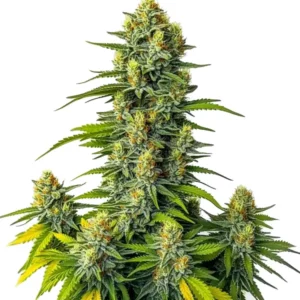
Blue Dream Autoflower

|
THC | 10% - 13% (Low) |

|
Type | Autoflowering |

|
Yield | Medium |

|
Phenotype | 30% Indica / 70% Sativa |

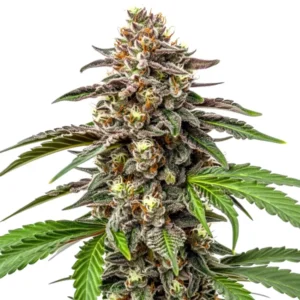
Cafe Racer Autoflower
|
|
THC | 19% - 24% (Medium) |
|
|
Type | Autoflowering |
|
|
Yield | High |
|
|
Phenotype | 50% Indica / 50% Sativa |
Autoflowering cannabis strains like those from Blimburn Seeds are perfect for growers who want quick turnaround times. However, these plants require specific nutrient ratios for optimal growth. It’s crucial to tailor your nutrient plans for autoflowering cannabis strains to meet these needs.
Knowing Nutrient Needs of Autoflowering Strains
Autoflowering strains have a shorter growth cycle, which means they need nutrients delivered more quickly. The best nutrients for autoflowering strains are those that provide a balanced mix of essential elements. These include nitrogen, phosphorus, and potassium, commonly referred to as N-P-K.
During the vegetative stage, autoflowers require more nitrogen. Nitrogen is essential for leaf development and overall plant growth. As your plant transitions to the flowering stage, it will need more phosphorus and potassium. These nutrients support bud development and enhance potency.
Another important aspect of managing nutrient needs is ensuring the nutrients are available in a form that plants can easily absorb. Chelated nutrients, for example, are more readily taken up by the plant roots, improving efficiency. This is especially beneficial in nutrient plans for autoflowering cannabis strains, where time is of the essence.
It’s also worth considering the role of micronutrients in your nutrient schedule for autoflowering cannabis. Elements like calcium, magnesium, and sulfur play vital roles in plant health, supporting everything from cell structure to enzyme function. Including them in your nutrient mix ensures that plants receive a comprehensive suite of nutrients.
Organic Feeding Plans for Autoflower Cannabis
Many growers prefer an organic feeding plan for autoflower cannabis. Organic nutrients are derived from natural sources and are less likely to cause nutrient burn. This makes them ideal for novice growers. They also improve soil health, which benefits your plants in the long run.
Organic options include compost teas, worm castings, and bone meal. These provide a slow release of nutrients, giving your plant a steady supply. For example, a tea made from compost can be a great way to deliver nitrogen during the vegetative stage.
Implementing an organic feeding plan for autoflower cannabis can also enhance the biological activity within the soil. Beneficial microbes and fungi break down organic matter, making nutrients available to plants and improving soil structure. This natural process supports healthy root development and nutrient uptake.
Moreover, organic nutrients can reduce the environmental impact of your grow operation. By using sustainable sources, you contribute to preserving ecosystems and reducing chemical runoff. This aligns with the values of many growers who prioritize organic methods for both quality and ecological reasons.
Hydroponic Nutrients for Autoflower Plants
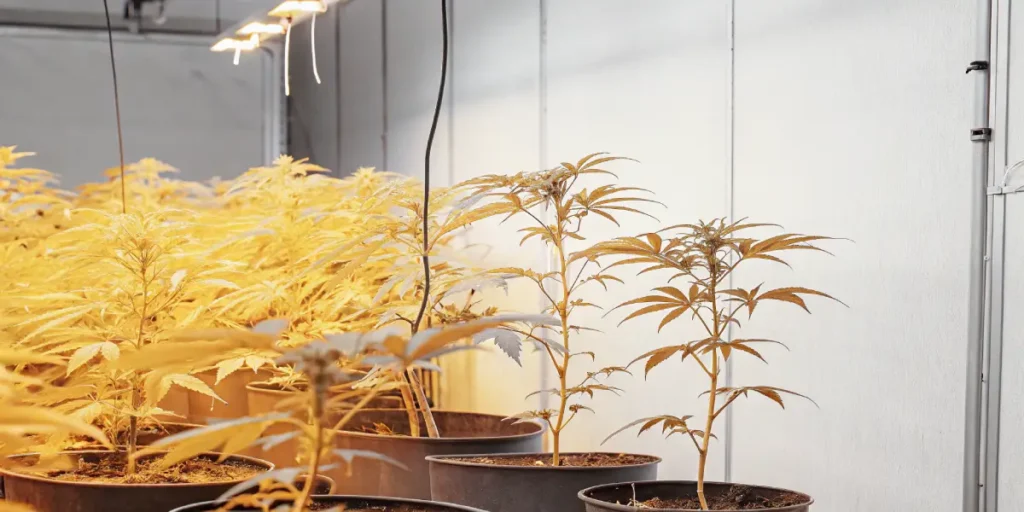
Using hydroponic systems can be an efficient way to grow autoflowering cannabis. Hydroponic nutrients for autoflower plants are highly concentrated and need to be carefully measured. They’re ideal for growers who want to maximize control over their growing conditions.
In hydroponics, nutrients are delivered directly to the roots in a water solution. This method allows for faster uptake of nutrients. For autoflowers, this means quicker growth and potentially higher yields. However, it requires a precise nutrient schedule for autoflowering cannabis to prevent overfeeding.
One of the advantages of hydroponic nutrients for autoflower plants is the ability to fine-tune nutrient delivery. This precision helps prevent nutrient lockout, a condition where excess nutrients inhibit the absorption of others. Regularly checking and adjusting the nutrient solution ensures plants receive optimal nourishment.
Additionally, hydroponic systems often utilize inert growing media, such as clay pellets or rock wool, which do not provide any nutrients. This makes it essential to supply a comprehensive nutrient solution. Monitoring parameters like electrical conductivity (EC) and pH levels is crucial for maintaining a balanced nutrient environment.
Promos & Deals


Optimizing Nutrient Ratios for Autoflowers
Optimizing nutrient ratios for autoflowers is key to unlocking their full potential. A balanced nutrient mix ensures your plants get what they need without excess. Too much of one nutrient can block others, causing deficiencies.
During the early growth stages, focus on a higher nitrogen ratio. As the plant matures and enters the flowering stage, adjust the nutrient mix to increase phosphorus and potassium. This shift supports the plant’s changing needs and promotes healthy bud development.
Implementing a nutrient schedule for autoflowering cannabis that reflects these shifts is crucial. Regularly assess plant growth and adjust nutrient ratios accordingly to support each phase. This dynamic approach helps prevent common issues like nutrient lockout and deficiencies.
Furthermore, the best nutrients for autoflowering strains are those that adapt to environmental conditions. Factors such as light intensity, temperature, and humidity can influence nutrient uptake. Tailoring your nutrient plan to accommodate these variables can lead to more resilient plants and superior yields.

Practical Tips for Nutrient Management
Managing nutrients efficiently requires attention to detail. Always start with a lower concentration and gradually increase as needed. This prevents nutrient burn, which can damage your plants. It’s better to underfeed slightly than to overfeed.
Keep a journal of your feeding schedule and plant responses. This helps track what works best for your specific strains. For example, Blue Dream Auto from Blimburn Seeds might require different nutrient ratios compared to others. Adjust your plans based on plant health and growth rates.
Consider the impact of environmental factors on nutrient uptake. Changes in temperature, light, and humidity can affect how plants absorb nutrients. Adjust your nutrient schedule for autoflowering cannabis to reflect these shifts and ensure consistent growth.
Another practical tip is to periodically flush your growing medium. This process involves using plain water to remove any salt buildup or excess nutrients. Flushing prevents nutrient lockout and keeps the root zone healthy, supporting optimal nutrient absorption.
Water quality also affects nutrient uptake. Test your water to ensure it’s free of contaminants. Use filtered or distilled water if necessary. This ensures that your plants receive only the nutrients you provide, without unwanted elements.
- Test soil or water regularly to monitor pH levels.
- Adjust nutrient ratios as plants transition between growth stages.
- Consider the use of beneficial microbes to improve nutrient absorption.
FAQs about nutrient plans for autoflowering cannabis strains
What are the best nutrients for autoflowering strains?
The best nutrients for autoflowering strains strike a balance between essential elements like nitrogen, phosphorus, and potassium. Each growth stage requires different ratios. For instance, during the vegetative phase, higher nitrogen levels support leaf production. When the plant reaches the flowering phase, increasing phosphorus and potassium helps with bud development.
Many growers recommend starting with a well-balanced commercial nutrient mix designed for cannabis. This ensures that your plant receives a comprehensive range of nutrients. Always follow the manufacturer’s guidelines for the best results. Adjust based on your plant’s specific needs, monitoring for signs of nutrient deficiencies or excess.
Additionally, the choice of nutrients can impact the aroma and flavor profile of your plants. Nutrient plans for autoflowering cannabis strains that incorporate organic elements often enhance these qualities. Selecting nutrient mixes that include trace elements and amino acids can further influence the final product’s quality.
It’s also important to consider the growing medium when selecting nutrients. Whether you’re using soil or a soilless substrate, the medium can affect nutrient availability. Tailoring your nutrient plan to complement the characteristics of your growing medium can improve nutrient uptake and overall plant health.
Can I use regular cannabis nutrients for autoflowers?
Regular cannabis nutrients can be used for autoflowers, but adjustments might be necessary. Autoflowers have unique needs due to their shorter lifecycle. Regular nutrients often cater to longer growing periods and may require dilution or a different schedule. It’s important to tailor your nutrient schedule for autoflowering cannabis to match their rapid growth pace.
When using regular nutrients, start with a lower concentration to avoid nutrient burn. Gradually increase as you observe how your plants react. Keep an eye on your plants for any signs of stress or nutrient deficiencies, adjusting your feeding regimen accordingly. This careful approach can help optimize growth and yield.
Additionally, consider the best nutrients for autoflowering strains when adapting regular nutrient formulas. Autoflowers benefit from precise nutrient schedules that align with their accelerated growth cycle. Monitoring plant responses and making timely adjustments are key to achieving optimal results.
Furthermore, knowing the nutrient requirements of autoflowers can guide you in selecting the appropriate products. Some nutrient brands offer specific lines for autoflowering strains, designed to meet their needs throughout the lifecycle. Leveraging these specialized products can simplify the nutrient management process.
Is an organic feeding plan for autoflower cannabis better than synthetic nutrients?
Choosing between an organic feeding plan for autoflower cannabis and synthetic nutrients depends on your growing goals and preferences. Organic nutrients are environmentally friendly and improve soil structure over time. They release nutrients slowly, reducing the risk of overfeeding and nutrient burn.
Synthetic nutrients, on the other hand, offer precision and control. They deliver nutrients directly, which can be advantageous for hydroponic systems. These nutrients are often more concentrated, requiring careful management. Ultimately, both methods can be effective; it depends on how you prefer to manage your grow operation.
Organic feeding plans often appeal to growers who prioritize sustainability and natural cultivation methods. These plans can enhance the terpene profile and overall quality of the final product. The slow-release nature of organic nutrients supports steady growth and robust plant health.
Conversely, synthetic nutrients allow for rapid nutrient absorption, which can lead to faster growth rates. They enable growers to fine-tune nutrient delivery to precise specifications, making them suitable for advanced cultivation techniques. Ultimately, the choice between organic and synthetic methods should align with your cultivation goals and operational preferences.
How do I optimize nutrient ratios for autoflowers during flowering?
Optimizing nutrient ratios during the flowering stage involves adjusting the balance of phosphorus and potassium. These nutrients support bud formation and overall plant health. Lower the nitrogen levels as the plant focuses on flowering. This encourages energy investment into bud development rather than leaf growth.
Consider using a nutrient mix specifically designed for the flowering stage. These mixes are formulated with the right nutrient ratios, ensuring your plant gets what it needs. Always follow the recommended dosages and adjust based on plant feedback. Monitoring your plants closely during this stage helps you make timely adjustments.
Implementing a tailored nutrient schedule for autoflowering cannabis during flowering is crucial. This schedule should reflect the increased demand for phosphorus and potassium, while ensuring micronutrients are not overlooked. Regular assessments and adjustments based on plant health will support optimal bud development.
Additionally, environmental conditions can impact nutrient uptake during flowering. Factors such as light intensity and humidity may influence how plants utilize nutrients. Adjusting your nutrient plan to accommodate these variables can enhance flowering outcomes and improve yield quality.
Are hydroponic nutrients for autoflower plants different from soil-based nutrients?
Yes, hydroponic nutrients for autoflower plants differ from those used in soil-based systems. Hydroponic systems deliver nutrients directly to the plant roots in a water-based solution. This requires nutrients to be in a form that is easily absorbed by the plant. Hydroponic nutrients are often more concentrated and require precise measurement.
Soil-based nutrients release more slowly as they break down in the soil. They often include organic matter that benefits soil health. When switching systems, always adapt your nutrient plan to meet the specific requirements of the growing method. This ensures your plants receive the nutrients they need for optimal growth.
One of the key differences with hydroponic systems is the need to maintain precise control over the nutrient solution’s pH and electrical conductivity (EC) levels. This ensures that nutrients remain available to the plant roots and are absorbed efficiently, supporting robust plant development.
Moreover, hydroponic systems often rely on a sterile environment to prevent pathogens. This requires regular monitoring and adjustments to nutrient levels, ensuring that plants are not starved of essential elements. Adapting your nutrient schedule for autoflowering cannabis in hydroponics can lead to accelerated growth and higher yields.