Essential Monthly Brix Monitoring Checklist for Cannabis Growers

Monitoring Brix levels is a crucial task for cannabis growers. This Monthly Brix Monitoring Checklist for Cannabis Growers will help you ensure that your plants are thriving. By regularly checking the sugar content in your cannabis plants, you can optimize growth and enhance the quality of your harvest. Whether you’re growing the popular Girl Scout Cookies from Blimburn Seeds or the robust Blue Dream, Brix levels can tell you a lot about plant health.
The Brix scale is a measure of the sugar content in plant sap. High Brix levels typically indicate healthy plants with more nutrients and better flavors. Checking these levels monthly allows growers to make informed decisions about their plant care. Implementing a monthly cannabis plant Brix tracking routine can help you catch potential issues early and maintain consistent quality across your crops.
Recommended Strains
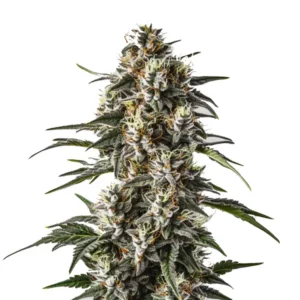
Girl Scout Cookies

|
THC | 18% - 25% (Medium) |

|
Type | Feminized |

|
Yield | High |

|
Phenotype | 60% Indica / 40% Sativa |

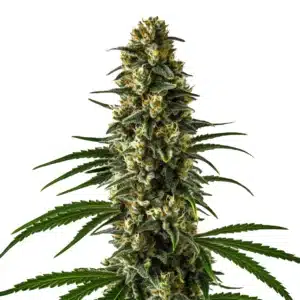
OG Kush
|
|
THC | 20% - 24% (Medium) |
|
|
Type | Feminized |
|
|
Yield | Medium |
|
|
Phenotype | 55% Indica / 45% Sativa |
This guide serves as a brix monitoring guide for cannabis cultivation. It offers practical insights into why Brix measurements matter, how to track them, and what to do with the information you gather. With this checklist, you’ll be equipped to make the right adjustments to your growing practices, improving both yield and quality.
What Is Brix and Why It Matters
Brix is a term used to measure the sugar content in the sap of plants. In the context of cannabis, it refers to the level of sugars, minerals, and other dissolved solids in the plant sap. Higher Brix levels often correlate with healthier plants, more robust growth, and better flavors. When you use the Monthly Brix Monitoring Checklist for Cannabis Growers, you’re essentially measuring the health of your plants.
For cannabis growers, knowing Brix levels can be a game-changer. It helps in determining the right time to water, fertilize, or harvest. For example, if you’re growing the OG Kush from Blimburn Seeds, you might notice that Brix levels fluctuate depending on the stage of growth. Monitoring these levels gives you insights into when your plants need extra nutrients or adjustments in care.
The importance of Brix levels goes beyond simple plant health. They also provide insights into the potential flavor profile and quality of the final product. By integrating the cannabis brix level monthly checklist into your routine, you can better anticipate the needs of your plants and make timely interventions. This proactive approach will help you maintain a consistent quality throughout the growing cycle and enhance your end product.
Moreover, Brix readings can serve as an early warning system for potential issues. Low readings may indicate underlying problems such as nutrient deficiencies or pest infestations. By regularly consulting the Monthly Brix Monitoring Checklist for Cannabis Growers, you can swiftly identify and address these issues, ensuring that your plants remain in peak health.
Promos & Deals



How to Measure Brix Levels
To measure Brix levels, you’ll need a refractometer. This is a simple tool that allows you to measure the sugar content in plant sap. Start by collecting a small sap sample from your cannabis plant. Place a few drops of this sap onto the refractometer’s lens and look through the eyepiece. You’ll see a scale that indicates the Brix level.
It’s important to measure Brix levels consistently. This means taking measurements at the same time each month, under similar conditions. For the most accurate readings, measure in the morning when the plant’s sugar content is stable. As you follow the cannabis growers Brix measurement schedule, you’ll start to notice patterns and trends in your plants’ health.
Consistency in measurement is key to obtaining reliable Brix data. By adhering to a regular brix monitoring guide for cannabis cultivation, you can establish a baseline for your plants’ health. This baseline allows you to detect deviations from the norm, which can be critical in diagnosing potential problems early on. Regular measurement ensures that the data you collect is comparable month-to-month, providing a clearer picture of your plants’ development.
Additionally, knowing how to properly use a refractometer is crucial. Ensure that your refractometer is calibrated correctly for plant use, as improper calibration can lead to inaccurate readings. Clean the lens thoroughly to avoid contamination and ensure the sample you collect is pure. These best practices will help you make the most of your monthly cannabis plant brix tracking efforts.
Interpreting Brix Levels
Once you have your Brix readings, the next step is interpretation. High Brix levels are generally a good sign. They indicate that your plants are absorbing nutrients effectively and are likely to produce a flavorful and potent yield. If you notice that your Girl Scout Cookies strain from Blimburn Seeds is consistently high in Brix, you can expect a high-quality harvest.
Conversely, low Brix readings may suggest issues such as poor nutrient uptake or stress. If your Blue Dream plants show low Brix levels, it might be time to reassess your growing conditions. Check for potential stress factors such as pests, disease, or inadequate watering.
Interpreting Brix levels accurately requires a good knowing of your specific strains and their unique needs. Each strain may have different optimal Brix levels, and what is high for one may be average for another. Keeping detailed records as part of your cannabis growers Brix measurement schedule will aid in knowing these nuances, allowing you to tailor your care to each plant’s requirements.
Besides to raw Brix data, consider other environmental factors that might influence readings. Temperature, humidity, and light exposure can all impact Brix levels. By considering these factors alongside your Monthly Brix Monitoring Checklist for Cannabis Growers, you can make more informed decisions and achieve better outcomes in your cultivation efforts.
Using Brix Levels to Adjust Care
Once you understand what your Brix levels indicate, use this information to adjust your plant care. For instance, if your Brix levels are lower than expected, consider boosting your fertilization schedule or adjusting your watering routine. Sometimes, simply increasing sunlight exposure can help improve Brix levels.
When growing OG Kush, you might find that a slight increase in potassium or phosphorus can significantly boost Brix levels. These nutrients are crucial for the plant’s sugar production process. By using the Monthly Brix Monitoring Checklist for Cannabis Growers, you can fine-tune your nutrient delivery to match the needs of your plants.
Adjustments based on Brix readings should be gradual and carefully monitored. Sudden changes in nutrient levels or watering schedules can stress plants, potentially leading to further issues. By gradually implementing changes and continuously monitoring the results, you can ensure that your plants remain healthy and responsive to care adjustments, optimizing cannabis growth with Brix checklist insights.
Moreover, keeping a detailed log of all changes made and their outcomes can be invaluable for future grow cycles. This will provide a detailed reference that can guide decisions in subsequent plantings, further enhancing the effectiveness of your monthly cannabis plant Brix tracking efforts.
FAQs about Monthly Brix Monitoring Checklist for Cannabis Growers
How often should I check Brix levels in my cannabis plants?
Regular monitoring is key to effective cannabis cultivation. Aim to check your Brix levels at least once a month. This schedule allows you to keep track of changes and make timely adjustments to your plant care routine. By following a consistent monthly Brix monitoring guide for cannabis cultivation, you can ensure that your plants remain healthy and productive.
Some growers prefer to check Brix levels more frequently, especially during critical growth phases. If you’re new to using a cannabis brix level monthly checklist, starting with monthly checks provides a solid foundation. As you become more familiar with your strains and growing conditions, you can adjust the frequency as needed.
For those aiming to maximize their harvests, more frequent Brix checks can be advantageous. During key growth periods, such as flowering, weekly checks can provide more detailed insights into how plants are responding to care, allowing for more precise adjustments. This more intensive schedule can be particularly beneficial for high-value strains from Blimburn Seeds, where quality is paramount.
However, it’s essential to balance the frequency of Brix checks with the potential stress placed on plants from excessive handling. Always consider the overall health and stability of your plants when deciding on a monitoring schedule to ensure that the process supports rather than hinders growth.
What tools do I need for measuring Brix levels?
The primary tool you’ll need is a refractometer. This device helps you measure the sugar content in plant sap. When purchasing a refractometer, ensure it’s calibrated for plant use, as some are designed for other purposes like measuring sugar in liquids. A good refractometer is a valuable investment for any serious cannabis grower.
In addition to a refractometer, having a notebook or digital log to record your readings is essential. This will help you track changes over time and identify patterns in your plants’ health. These records are a vital part of any cannabis growers Brix measurement schedule.
When selecting a refractometer, consider models that are specifically designed for horticultural use. Some advanced models offer digital readouts, making it easier to obtain and record data accurately. This can be particularly useful for those following a comprehensive brix monitoring guide for cannabis cultivation, where precision is key.
Beyond the basic tools, maintaining a clean and organized workspace will facilitate more reliable measurements. Ensure that all tools are properly sanitized before use to prevent contamination of sap samples, which could skew Brix readings and lead to inaccurate interpretations.
Can all cannabis strains benefit from Brix monitoring?
Yes, all cannabis strains can benefit from regular Brix monitoring. Each strain has its unique characteristics and may respond differently to nutrient levels and environmental conditions. By monitoring Brix levels, you can tailor your care to suit the specific needs of each strain. Whether you’re growing Girl Scout Cookies, Blue Dream, or OG Kush from Blimburn Seeds, Brix monitoring will provide valuable insights.
Different strains may have varying optimal Brix levels, but the principle remains the same: higher Brix levels typically indicate healthier plants. This makes the Monthly Brix Monitoring Checklist for Cannabis Growers an invaluable tool for optimizing growth and yield across various cannabis strains.
While Brix monitoring is beneficial for all strains, it can be particularly advantageous for those with high market value or that require specific growing conditions. For instance, strains known for their complex terpene profiles often benefit from close monitoring to ensure optimal flavor and potency, which correlates with higher Brix levels.
Moreover, Brix monitoring can aid in the experimentation with new or less common strains. By implementing a thorough cannabis brix level monthly checklist, growers can quickly assess how these strains respond to different environments, enabling more informed decisions and faster adaptation to their unique needs.
What should I do if my Brix levels are consistently low?
If your Brix levels are consistently low, it’s time to investigate possible causes. Check your nutrient regimen and ensure your plants are receiving adequate nutrition. Sometimes, adjusting your fertilizer mix or increasing nutrient delivery can help. Other factors like watering habits and light exposure can also impact Brix levels.
Low Brix levels can also be a sign of stress from pests or environmental factors. Inspect your plants for signs of infestation or disease. Addressing these issues promptly will help your plants recover and improve their Brix levels, leading to better growth and quality.
In some cases, soil quality may play a significant role in Brix levels. Conduct soil tests to check for nutrient deficiencies or imbalances. Adjusting soil composition with organic matter or targeted fertilizers can often resolve low Brix issues, improving the health and productivity of your plants.
Environmental conditions such as temperature and humidity should also be assessed if Brix levels are persistently low. Cannabis plants thrive within specific climate ranges, and deviations can stress plants, reducing Brix readings. Adjusting conditions to match the ideal growing environment will support optimal plant health and higher Brix levels.
Is there a correlation between Brix levels and cannabinoid content?
While Brix levels primarily measure sugar content, there’s often a correlation with overall plant health, which can affect cannabinoid production. Healthier plants with higher Brix levels tend to produce more potent and flavorful buds. This makes the Monthly Brix Monitoring Checklist for Cannabis Growers a useful tool for maximizing both yield and quality.
However, it’s important to note that Brix levels alone don’t determine cannabinoid content. They are just one indicator of plant health. A holistic approach, considering all aspects of growth, will yield the best results in terms of cannabinoid profiles and overall plant quality.
Cannabinoid production is influenced by many factors, including genetics, environmental conditions, and nutrient availability. While high Brix levels often correlate with healthy plants, it is essential to consider other metrics, such as trichome development and flowering stage, to fully understand cannabinoid potential.
Integrating the Monthly Brix Monitoring Checklist for Cannabis Growers with other cultivation strategies, such as controlled lighting schedules and precision feeding, can enhance cannabinoid production. By fostering a comprehensive approach to plant health, growers can achieve a more potent and desirable final product.