Essential Guide: What is a Refractometer in Cannabis Cultivation?

Every cannabis grower, whether new or seasoned, seeks to optimize the health and yield of their plants. Knowing what is a refractometer in cannabis cultivation helps achieve this goal more effectively. A refractometer is a tool that measures the sugar content in plant sap, providing valuable insights into overall plant health. This is done by assessing Brix levels, which indicate the plant’s nutritional balance and stress status.
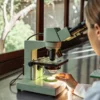
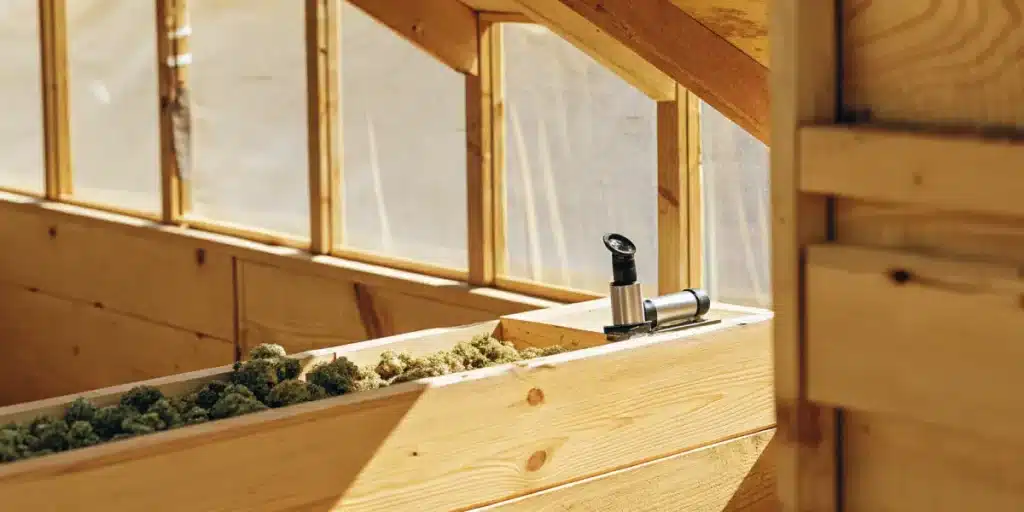
Let’s dive into how a refractometer works. When you place a drop of plant sap on the refractometer’s glass surface and look through the eyepiece, you’ll see a scale that indicates the Brix level. A higher Brix reading generally means a healthier plant. This is crucial information for those growing cannabis, as it directly impacts the quality and potency of your yield.
Recommended Strains
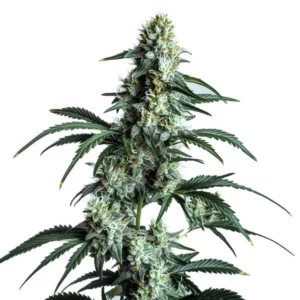
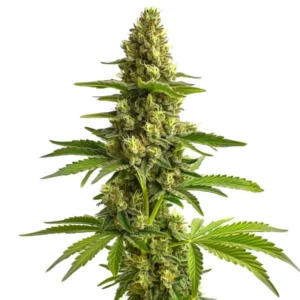
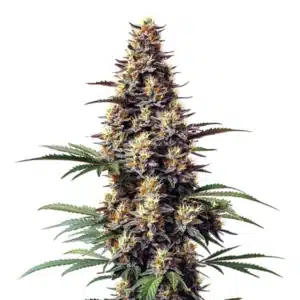
Sour Diesel

|
THC | 22% - 25% (Medium) |

|
Type | Feminized |

|
Yield | High |

|
Phenotype | 30% Indica / 70% Sativa |
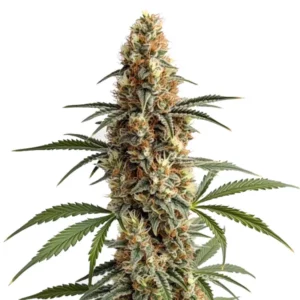
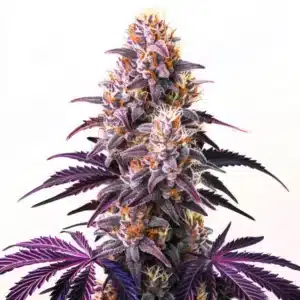
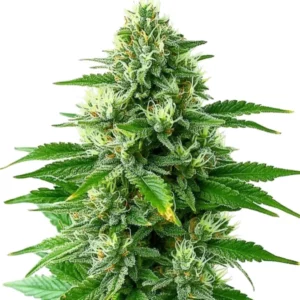
Mamba Negra
|
|
THC | 18% (Medium) |
|
|
Type | Feminized |
|
|
Yield | High |
|
|
Phenotype | 55% Indica / 45% Sativa |
The refractometer is not just a fancy tool for scientists. It’s practical for everyday growers, too. For instance, if you’re cultivating Blimburn Seeds GG4, knowing the exact health status can help adjust nutrient levels for optimal growth. This tool is simple to use and can make a significant difference in your cultivation efforts.
How to Use a Refractometer in Cannabis Growing
Using a refractometer in cannabis growing is straightforward. Begin by collecting a small sample of the plant’s sap. This can be done by gently squeezing the stem or leaf to extract a drop or two. Place this drop on the refractometer’s glass plate. Close the cover gently to spread the sap evenly across the surface.
Next, hold the refractometer up to a light source and look through the eyepiece. You’ll see a numerical scale that represents the Brix levels. It’s essential to note these readings at different growth stages. For example, when growing Blimburn Seeds Bruce Banner #3, monitoring Brix levels can help determine the best time for nutrient adjustments or harvest.
Knowing how to use a refractometer in cannabis growing can significantly impact your crop’s success. By using this tool regularly, you can track changes in plant health and make timely decisions. This proactive approach allows growers to maintain optimal conditions for their cannabis plants, ultimately leading to higher yields and better quality.
Besides to monitoring nutrient needs, a refractometer can also indicate environmental stress. Factors such as temperature fluctuations or insufficient lighting can be detected by sudden changes in Brix levels. Knowing how to use this device effectively equips growers with the knowledge to adjust their growing environments accordingly, ensuring healthier plants.
Promos & Deals

Benefits of Refractometer in Marijuana Cultivation
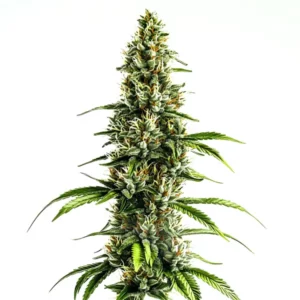
The benefits of a refractometer in marijuana cultivation are numerous. Primarily, it helps in measuring cannabis plant health with precision. By checking the Brix levels, growers can determine if the plant is stressed or requires more nutrients. A higher Brix level often indicates a robust plant with better resilience against pests and diseases.
Incorporating a refractometer into your gardening routine can also lead to better flavor and potency in your cannabis. Strains like Blimburn Seeds Critical Daddy Purple can benefit from this because growers can fine-tune nutrient management to enhance the plant’s natural characteristics. It’s a simple tool with significant impact, assisting in the creation of higher-quality cannabis.
Knowing what is a refractometer in cannabis cultivation highlights its role in improving crop resilience. By regularly monitoring Brix levels, growers can catch potential issues early, such as nutrient imbalances or pest pressures, allowing for timely interventions. This leads to stronger plants that are better equipped to handle external stresses.
Moreover, the benefits of refractometer in marijuana cultivation extend to cost savings. By optimizing nutrient and water usage based on Brix readings, growers can reduce waste and improve efficiency. This not only enhances the sustainability of cannabis farming but also maximizes profitability by ensuring each plant receives exactly what it needs to thrive.
Refractometer Applications in Cannabis Farming
Refractometer applications in cannabis farming extend beyond just measuring sugar levels. They can be used to manage and optimize irrigation. By knowing the plant’s health status through Brix readings, growers can decide when and how much to water, preventing over or under-watering.
Another application is in pest management. Plants with higher Brix levels are less likely to attract pests. By regularly checking these levels, growers can anticipate and prevent potential pest issues, ensuring a healthier crop. This is particularly useful when cultivating high-value strains like Blimburn Seeds Purple Kush.
Besides, refractometer applications in cannabis farming include improving plant resilience against environmental stresses. By analyzing Brix levels, growers can identify when plants are under stress due to factors like temperature extremes or inadequate humidity levels. Adjusting environmental controls based on these insights can enhance plant health and yield.
Furthermore, refractometers can assist in evaluating the effectiveness of different growing techniques. For instance, comparing Brix levels from plants grown using organic versus synthetic fertilizers can provide valuable insights into which methods produce healthier, more robust cannabis plants. This data-driven approach enables growers to make informed decisions about their cultivation practices.
Measuring Cannabis Plant Health with Refractometer
Measuring cannabis plant health with a refractometer is a proactive approach to cultivation. Regular monitoring allows growers to catch potential problems before they escalate. For example, if the Brix levels suddenly drop, it might indicate a nutrient deficiency or environmental stress. By addressing these issues promptly, the plant’s health and productivity can be maintained.
When growing strains like Blimburn Seeds Mamba Negra, keeping an eye on plant health is crucial. Such strains are known for their potency and flavor, qualities that can be enhanced by maintaining optimal plant health. The refractometer provides an easy and effective way to ensure these plants receive the best care possible.
Utilizing a refractometer for measuring cannabis plant health allows growers to adopt a more scientific approach to cultivation. By analyzing Brix levels, you gain insights into the plant’s sugar production, which correlates with its overall vigor and resilience. This method empowers growers to make data-backed decisions that promote robust growth and high-quality yields.
Moreover, measuring cannabis plant health with refractometer readings can serve as an indicator of harvest readiness. As a plant approaches maturity, Brix levels may peak, signaling the optimal time for harvest to maximize potency and flavor. This precision helps growers achieve the best possible outcome for their cannabis crops, ensuring premium quality products for consumers.
Refractometer Use for Cannabis Nutrient Management
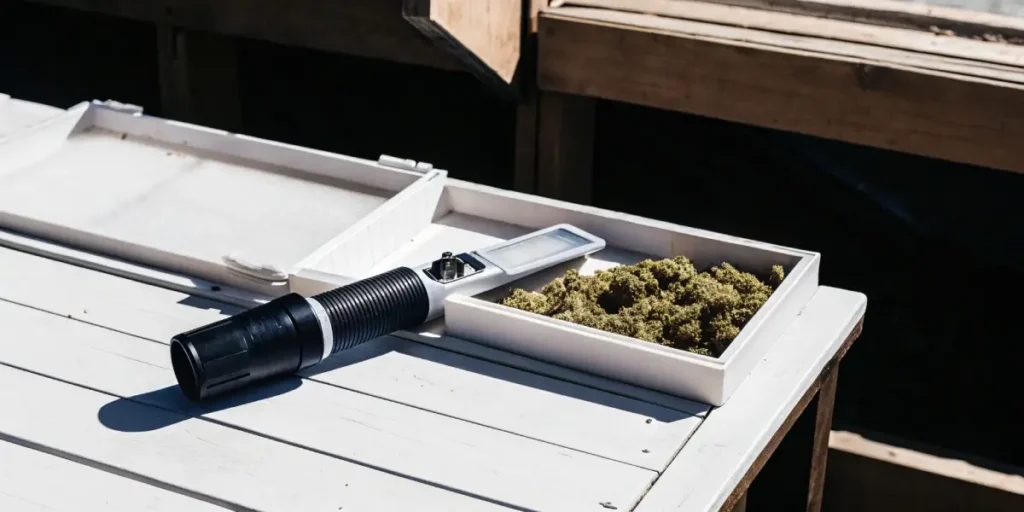
Refractometer use for cannabis nutrient management is essential. It allows growers to tailor their nutrient solutions precisely. By tracking Brix levels, you can identify when plants need more or less of certain nutrients. This ensures that plants like Blimburn Seeds Sour Diesel receive the exact nutrients they need for optimal growth.
In practical terms, if the Brix level is lower than expected, it might be time to adjust the nutrient mix. Perhaps the plant requires more potassium or phosphorous. These adjustments can significantly affect the plant’s growth rate and final yield, ensuring a successful harvest.
Knowing what is a refractometer in cannabis cultivation extends to its role in fine-tuning nutrient management strategies. By following Brix level trends, growers can anticipate nutrient demands and prevent deficiencies before they impact plant health. This proactive nutrient management approach leads to more vigorous growth and increased yield potential.
Additionally, refractometer use for cannabis nutrient management can help prevent over-fertilization, a common issue that can lead to nutrient lockout or toxicity. By maintaining balanced nutrient levels based on Brix readings, growers can avoid these pitfalls, ensuring a more efficient use of resources and healthier plants throughout the growing cycle.
FAQs about what is a refractometer in cannabis cultivation
How does a refractometer improve cannabis cultivation?
A refractometer improves cannabis cultivation by providing precise measurements of plant health. By checking the Brix levels, growers can quickly determine if the plant is receiving adequate nutrients or if there are stress factors to address. This leads to a more tailored approach to plant care, resulting in healthier plants and higher yields.
Using a refractometer also helps in making informed decisions about irrigation and pest management. With regular monitoring, growers can prevent issues before they escalate, ensuring a healthy crop throughout the growing season. It’s a simple yet effective way to enhance your cannabis cultivation practices.
Moreover, knowing what is a refractometer in cannabis cultivation helps growers improve crop quality by optimizing the plant’s nutritional profile. By keeping track of Brix levels, growers can enhance the taste, aroma, and potency of their cannabis strains, ultimately meeting consumer demands for premium products.
Implementing refractometer readings into daily cultivation practices also fosters a more sustainable approach. By avoiding overuse of water and fertilizers, growers can reduce their environmental impact while maintaining healthy and productive plants. This sustainable cultivation model benefits both the grower and the ecosystem.
Can a refractometer be used in all stages of cannabis growth?
Yes, a refractometer can be used at all stages of cannabis growth. From seedling to flowering, monitoring Brix levels provides continuous insights into the plant’s health and needs. This information is vital for making timely adjustments to nutrient and watering schedules, which can significantly impact the plant’s development.
For example, during the flowering stage, Brix levels can indicate the readiness for harvest. A higher Brix level often means the plant is at its peak potency. This makes the refractometer an invaluable tool throughout the entire lifecycle of the cannabis plant.
Utilizing a refractometer across all growth stages ensures that each phase of development is optimized. From early vegetative growth, where nutrient uptake is critical, to the final flowering phase, where potency peaks, consistent Brix monitoring provides the data needed to support robust plant health and maximize yield.
Besides, using a refractometer throughout the cannabis growth cycle allows for the evaluation of different cultivation techniques. By comparing Brix levels at various stages, growers can determine the effectiveness of different methods, such as hydroponic versus soil cultivation, leading to more informed and strategic growing decisions.
What types of refractometers are available for cannabis growers?
Cannabis growers have access to different types of refractometers, including analog and digital versions. Analog refractometers are typically less expensive and require manual reading through an eyepiece. They are straightforward and reliable for most growers.
Digital refractometers, on the other hand, offer more convenience with direct digital readings. They often come with additional features, such as automatic temperature compensation, which can enhance accuracy. Choosing the right type depends on your specific needs and budget.
When considering what is a refractometer in cannabis cultivation, it’s important to weigh the pros and cons of each type. Analog refractometers, while cost-effective, require careful calibration and interpretation. Digital models, though pricier, provide ease of use and precision, making them suitable for growers seeking accuracy and efficiency.
Additionally, some advanced digital refractometers offer connectivity features, allowing growers to track and analyze data over time. This capability can be particularly beneficial for larger operations or those aiming to implement data-driven cultivation practices, ultimately enhancing overall crop management and outcomes.
How often should I use a refractometer in my cannabis grow?
It’s advisable to use a refractometer regularly throughout the growing cycle. Weekly checks are generally sufficient for maintaining optimal plant health. However, during critical growth periods, such as flowering, more frequent checks might be necessary to ensure plants like Blimburn Seeds’ White Widow receive the best care.
Consistency is key. Regular monitoring allows you to track changes and make informed decisions about nutrient and water management. This proactive approach will help maximize yield and maintain high-quality plants.
Incorporating refractometer readings into a routine schedule ensures that growers remain vigilant of their plants’ needs. By conducting regular Brix checks, any deviations from expected levels can be quickly addressed, preventing potential issues that could compromise plant health and yield.
During periods of rapid growth or environmental changes, more frequent refractometer use may be warranted. For example, as plants transition from vegetative to flowering stages, close monitoring can help adjust nutrient and water regimens to support smooth development and robust flowering, ultimately enhancing the final harvest.
Where can I purchase a refractometer for cannabis cultivation?
Refractometers can be purchased from most gardening supply stores or online retailers. It’s important to choose a model that suits your specific needs, whether it’s an analog or digital version. Reading reviews and comparing features can help you make an informed decision.
Additionally, consulting with fellow growers or participating in online forums can provide valuable insights into which models have been most effective in cannabis cultivation. Investing in a quality refractometer can significantly enhance your growing experience and results.
When exploring where to purchase a refractometer for cannabis cultivation, consider the reputation and reliability of the supplier. Opt for trusted retailers who offer guarantees or warranties on their products, ensuring that you receive a refractometer that meets your expectations and supports your cultivation goals.
For those new to using refractometers, seeking advice from experienced growers or community forums can be invaluable. These resources can provide recommendations based on real-world experiences, guiding you toward the best refractometer for your specific cultivation needs and helping you make a smart investment in your growing operation.