Essential Guide: What Are Molecular Markers in Cannabis?

Molecular markers in cannabis are powerful tools that help growers and researchers understand the plant’s genetics. They act like genetic fingerprints, allowing for the identification of unique traits in different cannabis strains. For those growing cannabis, molecular markers can provide insight into which plants will produce the best yield, have the desired cannabinoid profile, or be more resistant to diseases.
For first-time cannabis seed buyers, knowing about molecular markers can be the difference between a successful harvest and a disappointing one. By using these markers, you can select strains that are more likely to thrive in your specific growing conditions. This is particularly useful when choosing seeds from Blimburn Seeds, where a wide variety of strains are available.
Recommended Strains

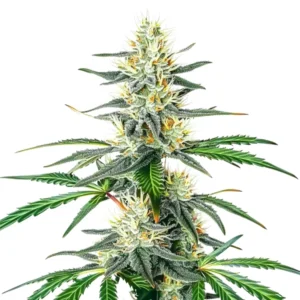
GG4

|
THC | 27% (High) |

|
Type | Feminized |

|
Yield | High |

|
Phenotype | 40% Indica / 60% Sativa |

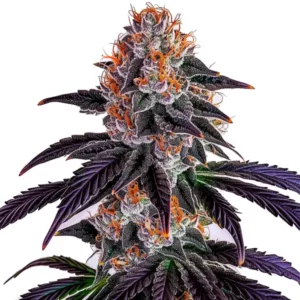
Bruce Banner #3
|
|
THC | 20% - 29% (High) |
|
|
Type | Feminized |
|
|
Yield | Medium |
|
|
Phenotype | 50% Indica / 50% Sativa |
For seasoned growers, molecular markers provide a deeper knowing of the plant’s capabilities. They can be used to develop new strains with specific traits, improving quality and potency. This knowledge not only enhances growing techniques but also aids in the preservation of rare and valuable strains.
How Molecular Markers Are Used in Cannabis Breeding
In the world of cannabis breeding, molecular markers are used to speed up the process of developing new strains. Traditionally, breeding involved a lot of trial and error, but with genetic markers for cannabis breeding, the process becomes much more efficient. These markers help breeders identify plants with desirable traits before they even flower.
For instance, when working with a strain like GG4 from Blimburn Seeds, breeders might use molecular markers to ensure the offspring maintain the high THC levels and resin production the strain is known for. This not only saves time but also increases the likelihood of achieving the desired plant characteristics.
Molecular markers in cannabis breeding also reduce the risk of unintended traits appearing in new strains. By focusing on precise genetic sequences, breeders can avoid undesirable characteristics, improving the overall quality of the cannabis produced. This precision is crucial for commercial growers who rely on consistency and reliability in their crops.
Furthermore, the insights gained through the use of molecular markers allow for more informed decisions about which strains to crossbreed. This strategic approach to breeding can lead to the development of strains with unique properties that cater to specific consumer demands, such as enhanced flavor profiles or increased resilience to environmental stresses.
Promos & Deals



The Science Behind Cannabis Molecular Markers in Plant Research
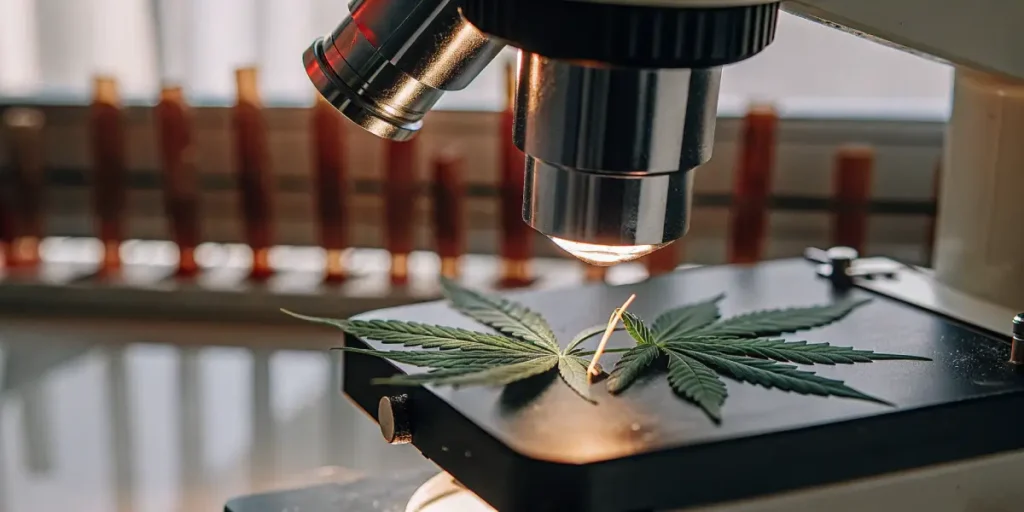
Cannabis molecular markers in plant research are essential for knowing the plant at a genetic level. They allow researchers to study the DNA of cannabis plants, identifying genetic sequences that correspond to specific traits. This research is crucial for developing new strains and improving existing ones.
By examining these markers, scientists can determine how different environmental factors affect the plant’s growth and development. This knowledge is applied in developing strains that are more resilient to climate changes or pests, ensuring a stable supply of high-quality cannabis.
The study of what are molecular markers in cannabis has opened new avenues in plant research, fostering collaborations between geneticists and horticulturists. This interdisciplinary approach enhances our knowing of how genetic and environmental factors interact, leading to more robust cannabis cultivation techniques.
Moreover, cannabis molecular markers in plant research are paving the way for advancements in personalized medicine. By tailoring strains to meet specific medical needs, researchers can develop cannabis-based treatments that provide targeted therapeutic effects, thereby expanding the potential applications of this versatile plant.
Identification of Cannabis Genetic Markers
The identification of cannabis genetic markers is a precise process that involves analyzing the plant’s DNA. These markers are specific sequences in the DNA that are associated with certain traits, such as cannabinoid content or flowering time. Identifying these markers allows breeders to select plants that will exhibit these traits.
For example, when breeding a strain like Blue Dream from Blimburn Seeds, identifying markers for THC and CBD content can ensure the plant meets the desired potency levels. This not only helps in breeding but also in maintaining consistency in the final product.
Advanced techniques in the identification of cannabis genetic markers have significantly reduced the time and resources required for breeding programs. By leveraging cutting-edge genomic technologies, breeders can pinpoint genetic markers with unparalleled accuracy, enhancing the efficiency of their work.
Besides to improving breeding efficiency, the identification of these markers plays a critical role in preserving the genetic heritage of cannabis. By cataloging genetic markers associated with heirloom and landrace strains, researchers and growers can protect the biodiversity of cannabis, ensuring that rare and valuable strains are not lost to history.
Molecular Markers for Cannabis Strain Differentiation
Molecular markers for cannabis strain differentiation are essential for both breeders and consumers. They ensure that what you grow or purchase is exactly what you expect. This is particularly important in a market flooded with hybrid strains and cross-breeds.
For instance, when purchasing Bruce Banner 3 seeds from Blimburn Seeds, knowing that molecular markers have been used in the strain’s development provides assurance of its high THC levels and balanced effects. This kind of assurance is invaluable to both growers and buyers looking for specific characteristics.
In a competitive market, molecular markers for cannabis strain differentiation offer a valuable tool for maintaining brand integrity and consumer trust. By providing an objective measure of genetic authenticity, these markers help differentiate premium products from imitations, fostering consumer confidence.
Furthermore, the use of molecular markers in strain differentiation supports the strategic development of new cannabis products. By clearly defining the genetic basis of desirable traits, breeders can create innovative strains that meet emerging market trends and consumer preferences, driving the evolution of the cannabis industry.

Cannabis Molecular Genetics and Marker Development
Cannabis molecular genetics and marker development is a field of study that combines genetics and biotechnology to improve cannabis strains. This involves developing new molecular markers that can provide even more detailed information about the plant’s genetics.
With advances in this field, it’s possible to develop strains that are specifically tailored to medical needs, recreational preferences, or environmental conditions. This includes creating strains with higher CBD content for medical use or strains resistant to specific pests.
The ongoing research in cannabis molecular genetics and marker development is transforming the way cannabis is cultivated and consumed. By unlocking the genetic potential of cannabis, researchers are able to design strains with unprecedented levels of customization, catering to diverse consumer needs.
As marker development continues to progress, the cannabis industry stands on the brink of a new era of innovation. The integration of genetic insights into cultivation practices promises to enhance crop yields, improve product quality, and expand the therapeutic applications of cannabis, all while ensuring sustainable and responsible agricultural practices.
FAQs about what are molecular markers in cannabis
What are molecular markers in cannabis, and why are they important?
Molecular markers in cannabis are specific sequences in the plant’s DNA that are associated with particular traits. These markers are important because they help breeders and growers select plants with desirable characteristics, such as high THC content or disease resistance, without the need for lengthy breeding trials.
By using molecular markers, the process of developing new cannabis strains becomes more efficient and precise. This ensures that consumers receive consistent and high-quality products, as breeders can more accurately predict the traits of the plants they are growing.
The importance of molecular markers in cannabis extends beyond breeding efficiency. They also play a crucial role in the broader field of agricultural biotechnology, where they contribute to the development of sustainable cultivation practices that enhance both yield and environmental resilience.
Moreover, the knowledge gained from studying what are molecular markers in cannabis can be applied to other crops, offering insights that could revolutionize agricultural practices on a global scale. This research underscores the potential of cannabis as a model organism for advancing the science of plant genetics.
How do genetic markers for cannabis breeding improve the process?
Genetic markers for cannabis breeding streamline the process by allowing breeders to identify plants that carry desired traits early in the growth cycle. This eliminates much of the guesswork involved in traditional breeding methods, where results could only be seen after plants matured.
By focusing on plants with the right genetic markers, breeders can develop new strains more quickly and with greater precision. This not only saves time but also helps in creating strains that are more consistent in their effects and quality.
Additionally, genetic markers for cannabis breeding facilitate the conservation of genetic resources by enabling breeders to maintain stable lines of valuable traits. This preservation of genetic diversity is essential for the continued evolution and adaptation of cannabis to changing environmental conditions.
The application of genetic markers in breeding programs also supports the development of strains with tailored profiles for specific markets, such as high-CBD strains for medicinal use or high-THC strains for recreational purposes. This targeted breeding approach ensures that consumer demands are met with precision and reliability.
Can molecular markers help in the identification of cannabis genetic markers?
Yes, molecular markers are instrumental in the identification of cannabis genetic markers. By analyzing the plant’s genome, researchers can pinpoint specific DNA sequences that correlate with traits like cannabinoid content, flowering time, and pest resistance.
This identification process is crucial for breeding programs aiming to enhance these traits in new strains. It also aids in maintaining the purity and consistency of existing strains, ensuring that each generation of plants retains the desired characteristics.
The use of molecular markers in the identification of cannabis genetic markers accelerates the breeding process, reducing the time needed to bring new strains to market. This rapid development cycle allows breeders to respond swiftly to emerging trends and consumer preferences, ensuring that the cannabis industry remains dynamic and competitive.
Furthermore, the ability to identify specific genetic markers within the cannabis genome lays the groundwork for future innovations in plant research. This foundational knowledge enhances our knowing of plant biology and genetics, offering potential applications beyond the realm of cannabis cultivation.
What role do cannabis molecular markers in plant research play?
Cannabis molecular markers in plant research play a vital role in advancing our knowing of the plant’s genetics. They allow researchers to study how different genes affect the plant’s growth, resilience, and chemical composition.
This research is key to developing more robust cannabis strains that can thrive under various environmental conditions and meet the diverse needs of consumers. It also contributes to the broader field of plant genetics, offering insights that can be applied to other crops.
The exploration of cannabis molecular markers in plant research is also instrumental in identifying novel genetic traits that could enhance the plant’s utility in medicinal, industrial, and recreational contexts. These discoveries have the potential to broaden the applications of cannabis, making it a versatile and valuable crop.
Moreover, the integration of molecular marker research into plant genetics enriches our knowing of plant evolution and adaptation. By examining how genetic variations influence phenotype expression, scientists can gain insights into the mechanisms that drive biodiversity and ecological resilience.
How does marker development impact cannabis strain differentiation?
Marker development significantly impacts cannabis strain differentiation by providing clear genetic identifiers for each strain. This ensures that strains remain distinct and can be accurately reproduced, which is essential for both breeders and consumers seeking specific effects or flavors.
With precise molecular markers, growers can better manage their crops, ensuring that each plant aligns with the intended strain profile. This precision helps maintain the diversity and integrity of cannabis varieties, supporting innovation and quality in the industry.
The advancements in marker development also facilitate the creation of comprehensive genetic databases that catalog the unique traits of various cannabis strains. These databases serve as valuable resources for breeders and researchers, enabling them to make informed decisions about strain selection and cultivation techniques.
Furthermore, the impact of marker development on strain differentiation extends to regulatory and quality control aspects of the cannabis industry. By providing a robust framework for genetic verification, molecular markers help ensure compliance with industry standards and promote transparency within the supply chain.