Proven Insights: Essential Guide to Cannabinoid Degradation by UV Exposure

Cannabinoid degradation by UV exposure is a critical topic for anyone interested in maximizing the potency and longevity of cannabis products. Whether you’re a first-me buyer or a seasoned grower, knowing how ultraviolet light affects cannabinoids can help you protect your investment and enjoy a better product. UV light, a form of electromagnetic radiation, can break down cannabis compounds, leading to a decrease in potency and effectiveness.
Imagine leaving a bottle of milk in the sun. After some time, the milk spoils due to chemical reactions triggered by sunlight. Similarly, cannabinoids can experience breakdown under ultraviolet light. This degradation affects the stability of cannabinoids, ultimately impacting the quality of the cannabis you consume. Let’s dive into the science behind it and explore how to safeguard your cannabis from UV exposure.
Recommended Strains
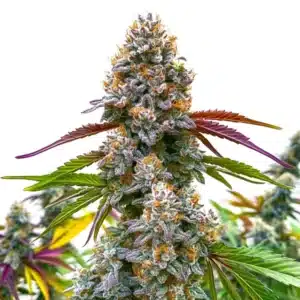
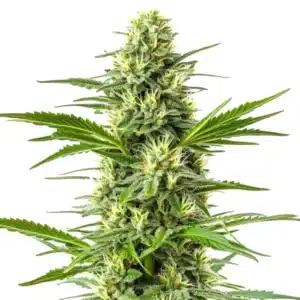
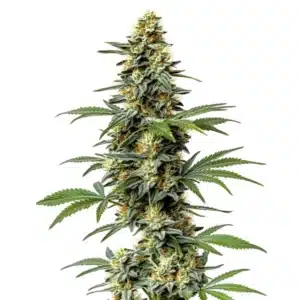
Critical Daddy Purple

|
THC | 19% (Medium) |

|
Type | Feminized |

|
Yield | High |

|
Phenotype | 50% Indica / 50% Sativa |
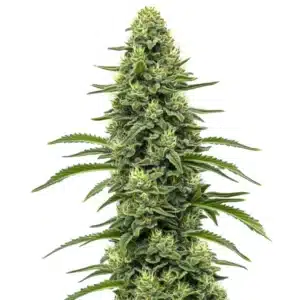
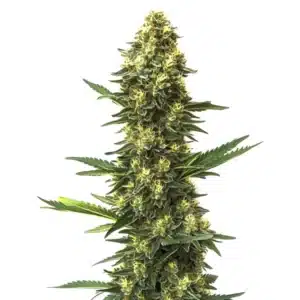
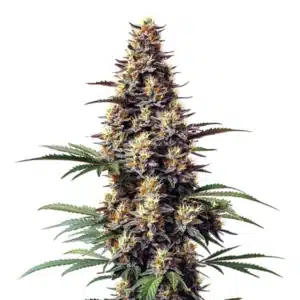
Skywalker
|
|
THC | 21% (Medium) |
|
|
Type | Feminized |
|
|
Yield | Medium |
|
|
Phenotype | 45% Indica / 55% Sativa |
Blimburn Seeds offers several strains that are particularly sensitive to sunlight exposure. For instance, their Gorilla G strain, known for its robust THC levels, can suffer significantly from UV exposure. Ensuring these strains are stored properly can help maintain their quality over time.
Effects of UV Light on Cannabinoid Potency
Ultraviolet radiation effects on cannabis compounds are not to be underestimated. The primary cannabinoids in cannabis, such as THC and CBD, are susceptible to UV light, which can cause them to break down into less potent forms. This process can significantly reduce the efficacy of your cannabis over time.
For growers, this means that the conditions in which you cultivate and store your cannabis are crucial. While some UV light is beneficial for plant growth, excessive exposure can be detrimental. The right balance is essential for preserving cannabinoid potency. Blimburn Seeds Critical Daddy Purple, a strain known for its rich cannabinoid profile, can be particularly vulnerable to these effects if not stored correctly.
Cannabinoid degradation by UV exposure can also alter the flavor profile of cannabis, which might not be immediately noticeable but can affect the overall experience for consumers. Over time, as cannabinoids break down, the subtle nuances that make each strain unique may be lost, resulting in a less enjoyable product. Growers and consumers alike should consider the effects of UV light on cannabinoid potency to ensure that the desired qualities of their cannabis are preserved.
The effects of UV light on cannabinoid potency can vary depending on the strain and its unique genetic makeup. Some strains may show resilience to UV exposure due to their evolutionary adaptations, while others may degrade more rapidly. Knowing the specific needs of each strain can help growers optimize growing conditions, ensuring that their cannabis retains its potency and continues to deliver the expected effects.
Cannabinoid Breakdown Under Ultraviolet Light
When cannabinoids absorb UV light, they undergo a chemical transformation. This breakdown process alters the structure of the compounds, leading to a decrease in their effectiveness. Simply put, what starts as a potent product can turn into something much less impactful if exposed to too much UV light.
Think of cannabinoids as fragile snowflakes. Under the right conditions, they maintain their structure and beauty. However, when exposed to the harsh environment of UV light, they begin to melt away, losing their unique properties. This analogy highlights the importance of careful storage and growing practices.
Cannabinoid breakdown under ultraviolet light can lead to the formation of new compounds that may have different effects or reduced efficacy. For example, THC can degrade into CBN, a compound that is less psychoactive. This transformation can alter the intended experience for users, highlighting the need for proper storage and handling to preserve the desired effects of cannabis products.
Knowing the science behind cannabinoid degradation by UV exposure and cannabinoid breakdown under ultraviolet light can empower consumers and growers to make informed decisions. By being aware of the potential for degradation, stakeholders can take proactive measures to protect their investment, ensuring that the cannabis they produce or consume remains effective and delivers the desired results.
UV Exposure Impact on Cannabinoid Stability
Maintaining the stability of cannabinoids is essential for preserving the quality of cannabis products. Stability refers to how well the chemical composition of cannabinoids is maintained over time. UV exposure can significantly impact this stability, leading to the degradation of cannabinoids with sunlight exposure.
For real-life application, consider how you store your cannabis. Keeping it in a dark, cool place can help maintain its stability. Glass jars that block UV light are ideal for this purpose. These simple storage solutions can greatly extend the shelf life of your cannabis.
The UV exposure impact on cannabinoid stability extends beyond just the chemical integrity of the cannabinoids. It can also influence the overall appearance and aroma of cannabis, which are critical factors for consumers. A stable product not only ensures consistent potency but also maintains the sensory qualities that make cannabis appealing to users.
Growers aiming to mitigate the UV exposure impact on cannabinoid stability should consider employing innovative techniques such as the use of UV-blocking films and controlled lighting environments. These strategies can help maintain the integrity of the cannabinoids throughout the cultivation process, ensuring that the final product meets the high standards expected by consumers and retailers alike.
Degradation of Cannabinoids with Sunlight Exposure
Sunlight is a double-edged sword for cannabis. While it provides the energy plants need to grow, it also poses a risk to the chemical integrity of cannabinoids. Cannabinoid degradation by UV exposure can become a significant issue, particularly for growers cultivating cannabis outdoors, where prolonged sunlight can reduce potency and alter cannabinoid profiles.
Outdoor growers need to be strategic about when and how they expose their plants to sunlight. Early morning and late afternoon light can be less intense and less damaging. Additionally, rotating plants or using reflective materials can help distribute sunlight more evenly, reducing the risk of damage.
Degradation of cannabinoids with sunlight exposure is not solely a concern for outdoor growers. Even indoor growers must be vigilant, as artificial lighting setups that mimic sunlight can also contribute to cannabinoid degradation if not carefully managed. Implementing light control measures can help mitigate this risk, preserving the quality and potency of the cannabis.
For consumers, knowing the degradation of cannabinoids with sunlight exposure underscores the importance of choosing products from reputable sources like Blimburn Seeds. These suppliers are mindful of how their products are cultivated and stored, ensuring that consumers receive cannabis that retains its intended potency and quality.
Promos & Deals
Protecting Cannabinoids from UV Damage
Protecting your cannabis from UV damage involves a few simple strategies. For consumers, purchasing cannabis that is properly packaged to block UV light is a good start. For growers, using materials that filter UV radiation can make a significant difference in preserving cannabinoid potency.
Another practical tip is to routinely check the storage conditions of your cannabis. Even the best strains, like those from Blimburn Seeds, can suffer from improper storage. Regular checks ensure that your investment remains potent and enjoyable.
Investing in quality packaging solutions is another effective way to protect cannabinoids from UV damage. Containers that are designed to block out light, air, and moisture can prevent degradation, ensuring that cannabis products remain fresh and potent for longer periods. These protective measures are vital for both consumers and retailers who wish to offer the best possible products.
Educating consumers about the importance of protecting cannabinoids from UV damage can lead to more informed purchases and better storage practices. By knowing the risks associated with UV exposure, consumers can take proactive steps to safeguard their cannabis, ensuring that it continues to provide the desired effects and experiences.
FAQs about cannabinoid degradation by UV exposure
How does UV light affect cannabis potency?
UV light can cause cannabinoids, the active compounds in cannabis, to degrade. This degradation results in a loss of potency, meaning that the cannabis becomes less effective over time. The effects of UV light on cannabinoid potency are particularly noticeable in strains with high THC levels, as these compounds are more susceptible to breakdown.
For growers, this means that managing the amount of UV exposure is crucial. Excessive UV radiation can lead to a significant drop in the quality of the final product. Consumers should also be aware that products left in direct sunlight may not retain their advertised potency.
Knowing how UV light affects cannabis potency is essential for both consumers and growers aiming to maintain the desired effects of cannabis products. By recognizing the potential for degradation, steps can be taken to mitigate its impact, such as optimizing growing conditions and using appropriate storage solutions.
Beyond just affecting potency, UV exposure can also influence the overall consistency of cannabis products. For instance, uneven exposure to UV light can result in variations in cannabinoid content, leading to an unpredictable experience for the user. Consistency is key in ensuring user satisfaction, making it essential to address the effects of UV light on cannabinoid potency.
What are some practical ways to protect cannabis from UV exposure?
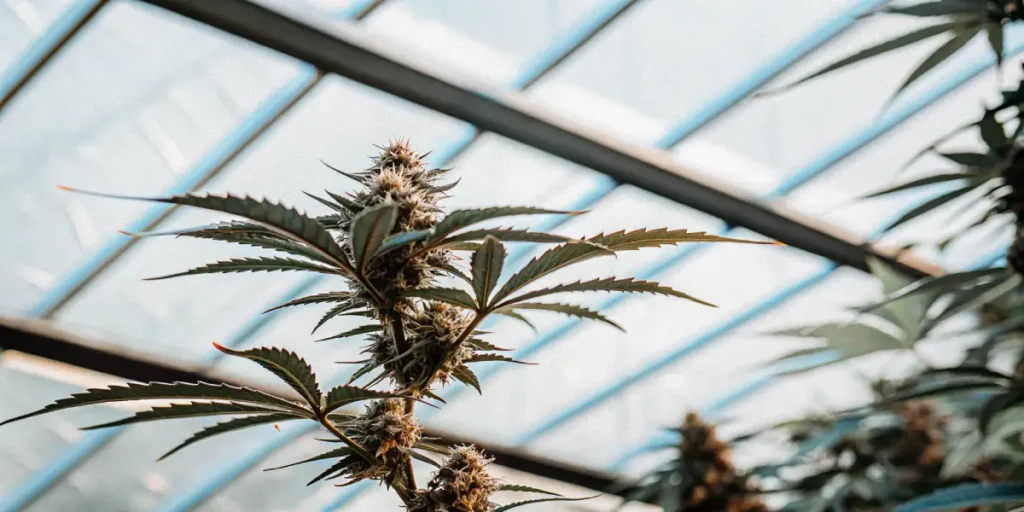
Protecting cannabis from UV exposure involves both proper growing and storage techniques. For growers, this means using UV-filtering materials such as shade cloths or greenhouse films. These tools can help manage the amount of UV radiation the plants receive, ensuring healthy growth without compromising cannabinoid stability.
For consumers, storing cannabis in a cool, dark place is key. UV-blocking glass jars or containers can prevent sunlight from reaching the product. These strategies help maintain the quality and potency of the cannabis over time, allowing for a more enjoyable experience.
Implementing routine checks of storage environments can further protect cannabis from UV exposure. By regularly assessing the conditions in which cannabis is kept, consumers can ensure that their products remain shielded from harmful UV rays, preserving their potency and quality for longer durations.
Incorporating smart design elements into packaging can also play a crucial role in protecting cannabis from UV exposure. Packaging that includes UV-blocking materials and airtight seals can extend the shelf life of cannabis products, providing consumers with more value and a consistently enjoyable experience.
Why is cannabinoid stability important for cannabis products?
Cannabinoid stability is essential because it determines the shelf life and effectiveness of cannabis products. Stable cannabinoids retain their chemical structure, ensuring that the product delivers the expected effects. UV exposure impact on cannabinoid stability can lead to a decrease in product quality, affecting the user’s experience.
Maintaining stability involves protecting cannabis from environmental factors that cause degradation, like UV light. Both growers and consumers have roles to play in ensuring that cannabis remains potent and effective, whether through careful cultivation or mindful storage.
For retailers, cannabinoid stability is crucial in maintaining customer satisfaction and brand reputation. Products that lose potency due to instability can lead to disappointed consumers and potential loss of business. Therefore, investing in stability-enhancing practices is not just beneficial for consumers, but also a strategic move for businesses.
Educating both growers and consumers about the importance of cannabinoid stability can lead to better practices and more informed choices. By knowing the factors that contribute to stability, stakeholders can implement strategies that enhance the longevity and effectiveness of cannabis products.
Can UV exposure be beneficial for cannabis plants?
While excessive UV exposure is harmful, a controlled amount can actually benefit cannabis plants. UV light can boost the production of certain protective compounds in plants, potentially enhancing their resilience and potency. However, the key is moderation; too much UV light leads to cannabinoid breakdown under ultraviolet light.
Growers should aim to find the right balance of natural and artificial lighting. This balance ensures healthy plant development while minimizing the risks associated with UV exposure. Using tools like UV meters can help monitor light levels and adjust them as needed.
Moderate UV exposure can also stimulate the production of trichomes, the resinous glands that produce cannabinoids and terpenes. This can enhance the overall quality and potency of the cannabis, making it more appealing to consumers seeking a superior product. However, careful management is required to prevent the negative effects of excessive UV exposure.
By knowing the dual role of UV exposure in cannabis cultivation, growers can optimize their practices to harness the benefits while mitigating the risks. This knowledge allows for the production of high-quality cannabis that meets consumer expectations and maintains its effectiveness over time.
Are certain cannabis strains more resistant to UV damage?
Yes, some cannabis strains are naturally more resistant to UV damage due to their genetic makeup. Strains with thicker leaves or denser buds might offer more natural protection against UV radiation. However, most strains, including those from Blimburn Seeds, benefit from additional UV protection to maximize potency and quality.
When choosing a strain, consider both its natural resistance to environmental factors and the conditions in which you plan to grow or store it. This consideration can help ensure that you get the best possible product, whether for personal use or sale.
Researching the specific characteristics of different strains can provide valuable insights into their UV resistance and overall resilience. Strains that have been bred and tested for their ability to withstand environmental stressors may offer better results in terms of potency and quality, even when exposed to challenging conditions.
Blimburn Seeds continues to focus on developing strains that are not only rich in cannabinoids but also exhibit enhanced resistance to UV damage. By prioritizing genetic traits that confer natural protection, they aim to provide consumers with robust and reliable cannabis options that meet their needs and preferences.