Essential Guide: Soil vs Hydroponic Cannabis Chlorosis Debate

Chlorosis is a significant concern for cannabis growers, whether they’re using soil or hydroponics. This condition, characterized by the yellowing of leaves, can affect the growth and yield of your cannabis plants. Soil vs hydroponic cannabis chlorosis presents unique challenges, and knowing these can help improve your cultivation success.
In soil, chlorosis can often be traced back to issues such as poor soil quality or incorrect pH levels. For hydroponic cannabis, nutrient deficiencies are a common cause. Addressing chlorosis in either growing medium requires a knowledge of the specific symptoms and causes associated with each.
Recommended Strains
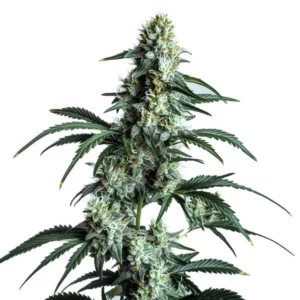
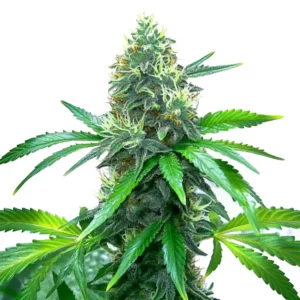
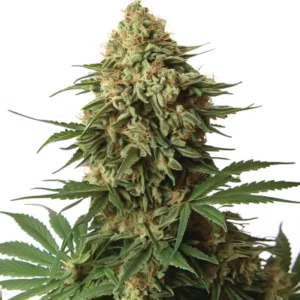
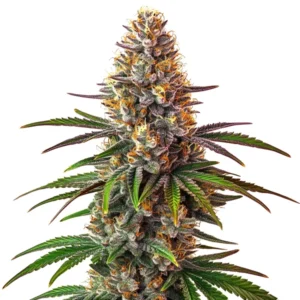
Sour Diesel

|
THC | 22% - 25% (Medium) |

|
Type | Feminized |

|
Yield | High |

|
Phenotype | 30% Indica / 70% Sativa |

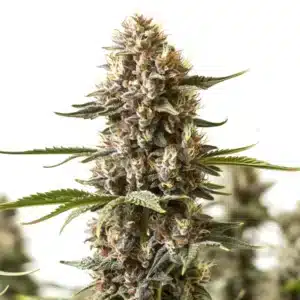
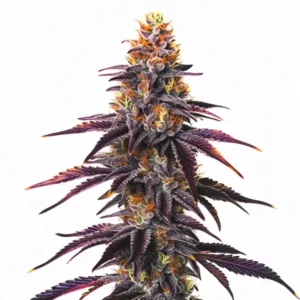
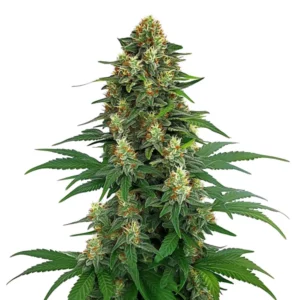
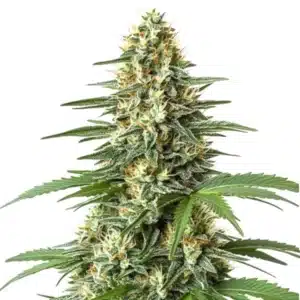
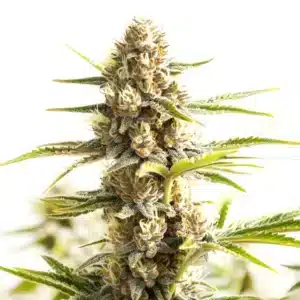
Blue Dream
|
|
THC | 17% - 24% (Medium) |
|
|
Type | Feminized |
|
|
Yield | High |
|
|
Phenotype | 50% Indica / 50% Sativa |
It’s crucial to compare soil vs hydroponic chlorosis symptoms to effectively manage your cannabis crop. For instance, soil-grown cannabis chlorosis causes might differ significantly from those in hydroponic systems. Let’s dive into the specifics of each method and how you can tackle these issues.
Causes of Chlorosis in Soil-Grown Cannabis
Soil-grown cannabis chlorosis is often due to nutrient imbalances. The soil acts as a medium that provides nutrients, but it requires proper management. pH levels in soil can affect nutrient availability, leading to chlorosis. When comparing soil vs hydroponic cannabis chlorosis, pH instability plays a major role, as nutrients like iron and magnesium can become unavailable to the plant if levels fall outside the optimal range.
Another cause can be poor soil drainage. If the roots are waterlogged, they can’t absorb nutrients effectively, leading to yellow leaves. Consider using well-draining soil mixes and monitoring your watering habits to prevent this issue.
Additionally, the organic matter present in soil can sometimes break down at a rate that affects nutrient release, potentially contributing to chlorosis. This is why adding compost or well-rotted manure can be beneficial, as these add valuable nutrients and improve soil structure. Furthermore, environmental factors such as temperature fluctuations and humidity can indirectly affect nutrient absorption, necessitating careful monitoring.
To address soil-grown cannabis chlorosis causes, growers can also incorporate practices like soil testing to track nutrient levels. This proactive measure helps in identifying nutrient deficiencies or excesses early, allowing for timely interventions. By knowing your soil’s specific needs and making informed adjustments, you can significantly enhance plant health and productivity.
- Check soil pH regularly and adjust as necessary.
- Ensure proper drainage to avoid waterlogging.
- Use nutrient-rich soil to provide essential minerals.
- Rotate crops to maintain soil health.
Promos & Deals
Chlorosis in Hydroponic Cannabis
Hydroponic cannabis nutrient deficiencies are a common trigger for chlorosis. In a hydroponic system, plants rely entirely on you for their nutrients since there’s no soil to provide them. If the nutrient solution is imbalanced, it can quickly lead to chlorosis.
Monitoring your nutrient mix is crucial. Too much or too little of a particular nutrient can cause problems. For instance, if there’s an excess of calcium, it might block the absorption of magnesium, leading to chlorosis in hydroponic cannabis plants.
One of the key advantages of hydroponics is the ability to precisely control the nutrient environment. This precision allows growers to tailor nutrient solutions to the specific needs of their cannabis plants, minimizing the risk of deficiencies. When comparing soil vs hydroponic cannabis chlorosis, hydroponic systems offer faster correction of nutrient imbalances, but they also require regular monitoring and precise adjustments to maintain the delicate balance needed for optimal growth.
Chlorosis in hydroponic cannabis plants can often be mitigated through the use of advanced nutrient management systems. These systems can automate the monitoring and adjustment of pH and nutrient levels, ensuring that plants receive a consistent and balanced supply of nutrients. Additionally, using high-quality nutrient products from trusted brands can help prevent imbalances and ensure healthy plant development.
- Maintain a balanced nutrient solution.
- Regularly calibrate and check your pH and EC meters.
- Consider using a comprehensive nutrient mix designed for hydroponics.
Comparing Symptoms: Soil vs Hydroponic Chlorosis
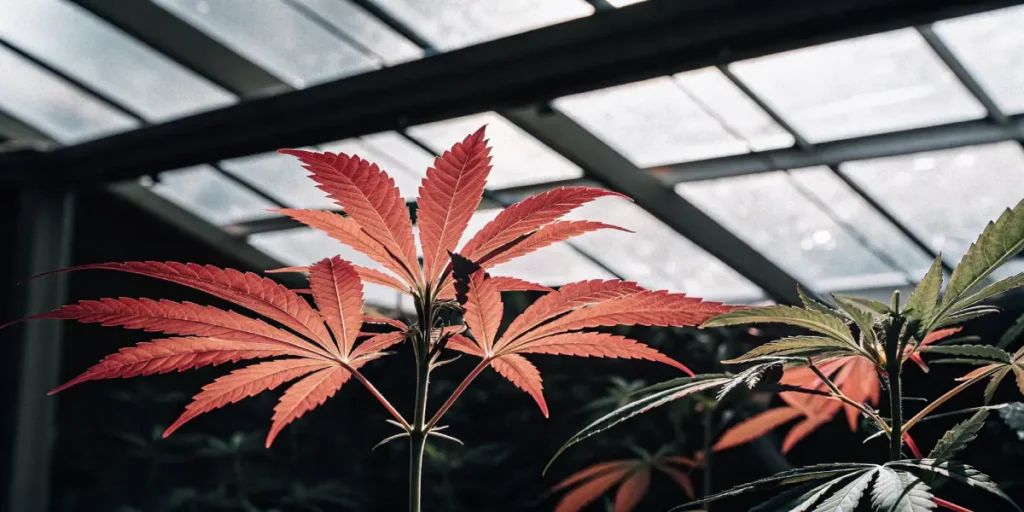
Soil vs hydroponic chlorosis symptoms can sometimes overlap, making diagnosis challenging. However, there are key differences to note. In soil, chlorosis usually starts from the older leaves at the bottom of the plant and moves upward. This is because the plant reallocates nutrients to newer growth when availability is low.
In hydroponic systems, chlorosis might appear more suddenly and affect younger leaves at the top first. This can be due to rapid nutrient uptake and the immediate impact of deficiencies in the nutrient solution.
Knowing the variances in soil vs hydroponic chlorosis symptoms can help growers make more informed decisions about treatment and prevention strategies. By recognizing the specific patterns and progression of symptoms, cultivators can tailor their approach to address the underlying causes more effectively. This targeted approach can lead to better overall plant health and yield.
Additionally, the speed at which symptoms develop can provide clues about the underlying issues. In hydroponics, the rapid onset of chlorosis often indicates an urgent need to adjust the nutrient solution, while in soil, the gradual progression may allow for more measured interventions. Knowing soil vs hydroponic cannabis chlorosis helps growers adapt their response based on these observations and manage chlorosis more effectively in cannabis cultivation.
By observing the pattern of yellowing, you can determine the likely cause and adjust your care accordingly. Whether you’re growing in soil or hydroponics, keeping a close eye on your plants will help you catch issues early.
Managing Chlorosis in Cannabis Cultivation
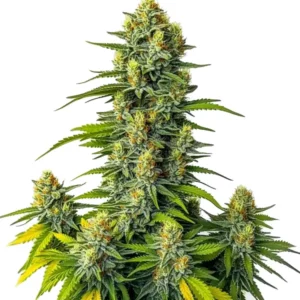
Managing chlorosis effectively requires a proactive approach. Start by ensuring your growing medium is set up correctly. For soil, choose high-quality, nutrient-rich options. Use products like Blimburn Seeds’ Tangie, which thrives in well-maintained soil.
For hydroponics, a product like Blimburn Seeds Sour Diesel is ideal, as it responds well to precise nutrient control. Regularly test your nutrient solution and adjust based on your plant’s needs.
Implementing best practices for managing chlorosis in cannabis cultivation involves a combination of preventive measures and responsive strategies. For soil-grown plants, regular soil testing and amendments can help maintain optimal nutrient levels and pH balance. This proactive approach can prevent the onset of chlorosis and support healthy plant growth.
In hydroponic systems, maintaining a detailed log of nutrient solutions and plant responses can provide valuable insights for managing chlorosis. By tracking changes over time, growers can identify patterns and make informed decisions about adjustments to their nutrient management strategy. This data-driven approach can enhance the precision and effectiveness of interventions, leading to improved plant health and yield.
- Keep a detailed log of your growing conditions.
- Use reliable pH and EC meters to monitor your system.
- Adapt your nutrient strategy based on plant feedback.
Another strain to consider is Blimburn Seeds Blue Dream, suitable for both soil and hydroponics. This versatility can provide insights as you manage chlorosis across different growing mediums.
FAQs about soil vs hydroponic cannabis chlorosis
What is the main cause of chlorosis in soil-grown cannabis?
In soil-grown cannabis, chlorosis is typically caused by nutrient imbalances related to pH levels. If the soil’s pH isn’t within the ideal range, it can hinder the plant’s ability to absorb essential nutrients like iron, magnesium, and zinc. As a result, the leaves begin to yellow, indicating chlorosis. Regular pH monitoring and amendments are necessary to ensure that nutrients remain available to the plant.
Another cause can be poor soil drainage, which can lead to waterlogged roots. This condition prevents the roots from absorbing nutrients effectively, exacerbating chlorosis. To combat this, ensure your soil is well-draining and avoid overwatering your plants. Adjusting your watering schedule and improving soil structure can significantly reduce the risk of chlorosis in soil-grown cannabis.
Beyond the basics of pH and drainage, other soil-grown cannabis chlorosis causes can include the depletion of micronutrients over time. Rotating crops and adding organic matter can help replenish these essential elements and maintain soil fertility. Additionally, the use of cover crops can enhance soil structure and prevent erosion, contributing to a healthier growing environment.
Knowing the interactions between soil components and environmental conditions is crucial for preventing chlorosis. By continuously refining your soil management practices, you can create a stable and nutrient-rich environment that supports robust cannabis growth and minimizes the risk of chlorosis.
How do nutrient deficiencies cause chlorosis in hydroponic cannabis plants?
In hydroponic systems, plants depend entirely on the nutrient solution for their needs. If this solution lacks a balanced mix of nutrients, deficiencies can develop quickly, leading to chlorosis. For instance, a calcium deficiency can inhibit the uptake of other nutrients, causing leaves to yellow and growth to stifle. Regularly checking and adjusting the nutrient concentration is vital to prevent these deficiencies.
The rapid onset of symptoms in hydroponics means that growers need to act swiftly. Implementing a regular schedule for testing and adjusting nutrient levels can help mitigate the risk of deficiencies. Using a comprehensive nutrient mix designed for hydroponics can also ensure that all essential nutrients are available to the plants at all times.
Chlorosis in hydroponic cannabis plants can also arise from imbalances in nutrient ratios. For example, an excess of nitrogen can lead to a reduction in the uptake of other key nutrients, exacerbating the risk of deficiencies. By maintaining a balanced nutrient profile, growers can minimize these risks and promote healthy plant development.
Furthermore, environmental factors such as temperature and humidity can influence nutrient uptake in hydroponics. Ensuring optimal growing conditions and maintaining a consistent nutrient regimen are essential for preventing chlorosis and supporting vigorous growth in hydroponic cannabis systems.
What are some visual differences in chlorosis symptoms between soil and hydroponic cannabis?
Chlorosis symptoms can vary between soil and hydroponic cannabis. In soil, chlorosis often begins at the older leaves due to the plant reallocating nutrients to newer growth. This gradual yellowing is usually a sign of nutrient limitations in the soil. By contrast, in hydroponics, chlorosis may appear more suddenly and affect the newer leaves, reflecting an immediate response to a deficiency in the nutrient solution.
Recognizing these differences can help growers diagnose the problem more accurately. While soil-grown plants may exhibit a slower progression of symptoms, hydroponic plants can show rapid changes, necessitating quick interventions. Knowing these patterns is key to managing chlorosis effectively in both growing environments.
Besides to the progression of symptoms, the specific appearance of chlorosis can differ between soil and hydroponic systems. For instance, soil-grown plants may display a mottled yellowing pattern, while hydroponic plants often exhibit a more uniform discoloration. These distinctions can provide vital clues about the underlying cause and inform targeted treatment strategies.
By closely monitoring your plants and noting any changes in leaf color and pattern, you can gain valuable insights into the health of your crop. This observational approach, combined with an knowing of the unique characteristics of each growing method, can enhance your ability to manage chlorosis effectively.
Can certain cannabis strains be more prone to chlorosis?
Yes, some cannabis strains can be more susceptible to chlorosis due to their specific nutrient requirements. For instance, strains like Blimburn Seeds Tangie may require closer attention to soil pH levels to prevent nutrient lockout, while others might thrive with less intervention. Strain-specific care can greatly influence the health and yield of your cannabis plants.
Choosing strains known for their resilience, such as Blimburn Seeds Blue Dream, can also help mitigate the risk of chlorosis. These strains are often more adaptable to varying conditions, whether in soil or hydroponics. Researching the needs of different strains can provide insights into preventative care and optimal growing conditions.
When selecting strains, consider their genetic background and known tolerance for different environmental conditions. Some strains may have a natural preference for specific nutrient profiles, making them better suited for certain growing methods. This knowing can guide your choice of strains and help you tailor your cultivation practices to meet their unique needs.
Additionally, collaborating with other growers and sharing experiences can provide valuable insights into strain-specific challenges and solutions. By learning from the successes and challenges of others, you can refine your approach and reduce the likelihood of chlorosis in your cannabis cultivation.
How can I prevent chlorosis when growing cannabis?
Preventing chlorosis involves maintaining balanced growing conditions, regardless of the medium. For soil, this means using nutrient-rich soil, ensuring proper drainage, and monitoring pH levels. Implementing a crop rotation strategy can also help maintain soil health over time. Regularly testing the soil and adjusting nutrients based on your plant’s needs can prevent deficiencies before they start.
In hydroponics, prevention focuses on maintaining a balanced nutrient solution and regularly calibrating pH and EC meters. Strains like Blimburn Seeds Sour Diesel can benefit from precise nutrient control, making them suitable for hydroponic systems. By staying proactive and attentive to your plants’ signals, you can greatly reduce the occurrence of chlorosis in your cannabis cultivation.
To further reduce the risk of chlorosis, consider integrating beneficial microorganisms into your growing system. These organisms can enhance nutrient availability and improve plant resilience, supporting overall health and vitality. Products designed for this purpose are available for both soil and hydroponic systems, offering an additional layer of protection against nutrient imbalances.
Finally, maintaining a consistent schedule for monitoring and maintenance can prevent unexpected issues from arising. By dedicating time to regularly check your plants and systems, you can quickly identify and address potential problems, ensuring a healthy and productive cannabis crop.