Essential Guide: Proven NGS for Cannabis Strains Success

Next-generation sequencing (NGS) has revolutionized the way we explore cannabis strains. By using NGS for cannabis strains, growers can unlock a deeper knowing of the plant’s genetic makeup. This technology allows for precise breeding and cultivation, ensuring the best traits are enhanced while undesirable ones are minimized.
For instance, with NGS, you can determine the genetic profile of a strain and predict its growth patterns, resistance to diseases, and cannabinoid profiles. Whether you’re a first-time buyer or an experienced grower, this information is invaluable. Blimburn Seeds has been at the forefront of using genetic profiling cannabis varieties to create superior strains.
Recommended Strains

Blue Dream

|
THC | 17% - 24% (Medium) |

|
Type | Feminized |

|
Yield | High |

|
Phenotype | 50% Indica / 50% Sativa |
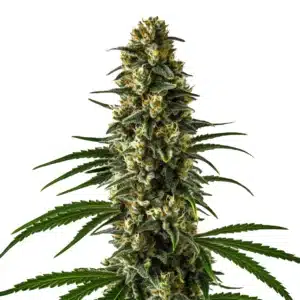
Girl Scout Cookies
|
|
THC | 18% - 25% (Medium) |
|
|
Type | Feminized |
|
|
Yield | High |
|
|
Phenotype | 60% Indica / 40% Sativa |
Take their Girl Scout Cookies strain, for example. Through DNA sequencing, breeders can ensure this strain maintains its famous sweet and earthy aroma while also boosting its resilience against pests. By leveraging NGS applications in cannabis research, Blimburn Seeds continues to innovate and provide high-quality seeds that meet the needs of every grower.
Why Use NGS for Cannabis Strains?
NGS for cannabis strains is transformative due to its precision and depth of insight. This technology allows for whole genome sequencing cannabis, providing a comprehensive view of a strain’s genetic blueprint. Knowing this blueprint can lead to the development of strains with specific characteristics, like higher THC content or faster flowering times.
For those new to cannabis cultivation, NGS offers a way to select strains that will thrive in specific environments. For seasoned growers, it provides data-driven insights to refine breeding programs. By knowing the genetic profile, you can make informed decisions that optimize yield and quality, saving time and resources in the long run.
Beyond selecting strains, NGS for cannabis strains enables the identification of unique genetic markers that can be used to enhance strain properties. This means that breeders can focus on specific traits such as flavor or aroma profiles, tailoring their products to meet consumer preferences. The precision of next-generation sequencing cannabis strains ensures that every characteristic is accounted for, leading to more consistent and desirable outcomes.
Moreover, by utilizing NGS applications in cannabis research, breeders can experiment with genetic profiling cannabis varieties, creating possibilities for discovering new and exciting strains. This not only diversifies the market but also provides opportunities for innovation within the industry. As the technology advances, the potential for developing novel strains that cater to niche markets continues to grow.
Promos & Deals



Key Benefits of NGS in Cannabis Cultivation
One of the primary benefits of NGS is its ability to identify genetic markers linked to desirable traits. This means that growers can select plants that will likely produce higher yields or have increased resistance to common diseases. For example, the Blue Dream strain from Blimburn Seeds is known for its balanced effects and high yield. With genetic profiling, these traits are not left to chance.
Moreover, NGS aids in maintaining genetic purity and consistency. This is crucial for medical cannabis, where patients rely on specific cannabinoid profiles for treatment. By applying DNA sequencing marijuana strains, breeders can ensure each plant meets the necessary medical standards, providing patients with the relief they seek.
Another significant benefit of next-generation sequencing cannabis strains is the enhancement of breeding efficiency. By providing a detailed genetic map, NGS allows breeders to streamline their processes, reducing the time and resources required to develop new strains. This efficiency is vital in a competitive market where speed to market can be a critical success factor.
Additionally, whole genome sequencing cannabis offers insights into the evolutionary history of different strains, helping breeders understand how specific traits have developed over time. This knowledge not only informs current breeding strategies but also preserves the heritage of classic strains, ensuring that traditional varieties remain available to future generations of growers and consumers.
Real-World Applications of NGS
In the real world, NGS applications in cannabis research have led to the development of specialized strains tailored to consumer demands. For instance, Blimburn Seeds’ Bruce Banner is a powerhouse strain that combines potency with flavor. By using whole genome sequencing, breeders can ensure this strain maintains its signature high THC levels and citrus flavor.
Additionally, NGS helps growers manage and mitigate risks associated with breeding. It allows for the early detection of potential genetic issues, such as susceptibility to mold or pests. By identifying these problems early, growers can take preventative measures, ensuring a healthier crop and a more successful harvest.
Furthermore, DNA sequencing marijuana strains enables breeders to produce strains that are optimized for specific medical applications. By tailoring cannabinoid profiles, growers can better meet the needs of patients seeking relief from various conditions, thereby enhancing the therapeutic value of their products. This precision in developing medical strains demonstrates the immense potential of NGS in the healthcare sector.
NGS also facilitates collaboration and data sharing among researchers, driving collective advancements in cannabis science. By contributing to a shared database of genetic information, breeders and researchers worldwide can work together to overcome common challenges, accelerating the pace of innovation and enhancing the quality of cannabis products globally.

NGS and Its Impact on Strain Development
NGS has a profound impact on the development of new cannabis strains. By analyzing the genetic data, breeders can create hybrids that combine the best traits of multiple strains. This results in new varieties that offer enhanced effects, flavors, and growth characteristics.
For example, by using genetic profiling cannabis varieties, breeders can develop strains that are more climate-resilient, ensuring they thrive in varying environmental conditions. This is particularly beneficial in regions with unpredictable weather, where crops are at risk of damage.
Besides to creating climate-resilient strains, NGS for cannabis strains allows breeders to tailor growth characteristics to specific cultivation environments, such as indoor or outdoor settings. By optimizing strains for particular growing conditions, breeders can maximize yield and quality, regardless of the cultivation method employed.
Moreover, the ability to experiment with unique cannabinoid and terpene profiles opens the door to creating strains with novel effects and aromas. Whether aiming for a relaxing indica or an energizing sativa, breeders can use next-generation sequencing cannabis strains to craft products that cater to diverse consumer preferences, enriching the overall cannabis experience.
FAQs about NGS for cannabis strains
How does NGS improve cannabis cultivation?
NGS improves cannabis cultivation by providing detailed genetic information about each strain. This data allows growers to make informed decisions about which strains to cultivate based on specific traits like yield potential, pest resistance, and cannabinoid content. By using NGS for cannabis strains, growers can optimize their cultivation practices and achieve better results.
For example, growers can use NGS to select strains that are better suited for their local climate, reducing the risk of crop failure. This technology also enables the early detection of genetic issues, allowing for preventative measures that ensure a healthy and robust crop.
Additionally, the insights gained from whole genome sequencing cannabis empower growers to fine-tune their cultivation techniques. By knowing the genetic makeup of their plants, growers can implement precise nutrient and watering regimens, fostering optimal growth conditions and enhancing overall plant health.
NGS also aids in the conservation of rare and heirloom strains by documenting their genetic profiles. This conservation effort ensures that unique genetic traits are preserved, contributing to the biodiversity of cannabis and providing a genetic reservoir for future breeding projects that can address emerging challenges in cultivation.
What are the challenges of using NGS in cannabis research?
While NGS offers many benefits, there are challenges associated with its use in cannabis research. One primary challenge is the cost of sequencing, which can be prohibitive for small-scale growers. Additionally, interpreting the complex genetic data requires expertise that may not be readily available to all growers.
Another challenge is the evolving nature of cannabis regulations, which can impact research and development efforts. Despite these challenges, the long-term benefits of NGS for cannabis strains make it a worthwhile investment for growers looking to stay ahead in the industry.
Moreover, the sheer volume of data generated by next-generation sequencing cannabis strains can be overwhelming, necessitating robust data management and analysis tools. This requirement can pose additional hurdles for organizations lacking the necessary infrastructure to handle such large datasets efficiently.
However, as technology advances and becomes more cost-effective, these challenges are likely to diminish. Continued collaboration between researchers, breeders, and regulatory bodies will be crucial in overcoming these obstacles and realizing the full potential of NGS applications in cannabis research.
Can NGS help in developing disease-resistant cannabis strains?
Yes, NGS can significantly aid in developing disease-resistant cannabis strains. By identifying genetic markers associated with disease resistance, breeders can select plants that are less susceptible to common pathogens. This results in healthier plants and higher yields.
For instance, if a particular strain is prone to mold, NGS can help identify the genetic factors contributing to this susceptibility. Breeders can then work on developing a version of the strain with increased resistance, ensuring a more robust and reliable crop.
By employing DNA sequencing marijuana strains, breeders can also uncover insights into plant-pathogen interactions, enhancing their ability to predict and counteract potential threats. This proactive approach not only safeguards crop health but also ensures that growers can produce consistently high-quality cannabis.
Through the integration of genetic profiling cannabis varieties, breeders can strategize and implement breeding programs aimed at enhancing disease resistance across multiple strains. This strategic breeding contributes to the overall resilience of cannabis crops, providing growers with a competitive edge in an increasingly demanding market.
What role does NGS play in breeding new cannabis strains?
NGS plays a crucial role in breeding new cannabis strains by providing breeders with the genetic information needed to create targeted hybrids. This allows for the combination of desirable traits from different strains, resulting in new varieties with enhanced characteristics.
Breeders can use NGS to experiment with different combinations of genes, leading to the development of strains with unique effects, flavors, and growth patterns. This innovation is key to meeting the diverse demands of cannabis consumers and staying competitive in the market.
With NGS applications in cannabis research, breeders can streamline the identification of complementary genetic traits, expediting the development of new strains. This efficiency not only accelerates the breeding process but also reduces costs, enabling breeders to bring innovative products to market more rapidly.
Furthermore, whole genome sequencing cannabis provides a comprehensive knowing of a strain’s genetic potential, enabling breeders to predict and optimize its performance in various environmental conditions. This predictive capability enhances the sustainability of breeding programs and supports the development of resilient cannabis varieties tailored to specific market needs.
Is NGS accessible to amateur cannabis growers?
While NGS technology is more accessible than ever before, it may still be challenging for amateur growers to fully utilize it due to cost and expertise requirements. However, as the technology continues to evolve, it’s becoming more user-friendly and less expensive, making it increasingly accessible to a broader audience.
For amateur growers interested in using NGS, partnering with seed banks like Blimburn Seeds that utilize this technology can provide indirect access to its benefits. By choosing strains that have been developed with NGS, amateur growers can take advantage of the technology’s advantages without the need for direct investment.
Additionally, educational resources and workshops are becoming more available, empowering amateur growers to understand and leverage the benefits of next-generation sequencing cannabis strains. By gaining insights into genetic profiling cannabis varieties, even novice growers can make informed decisions about strain selection and cultivation practices.
As the cannabis industry continues to grow, the democratization of NGS technology is anticipated to further enhance its accessibility. This shift will enable a wider audience of growers to harness the potential of DNA sequencing marijuana strains, fostering innovation and contributing to the overall advancement of cannabis cultivation practices.