Essential Guide: How to Interpret Refractometer Readings in Cannabis

For those venturing into cannabis cultivation, deciphering refractometer readings might seem daunting. Yet, mastering how to interpret refractometer readings in cannabis can significantly enhance your grow outcomes. A refractometer measures the concentration of soluble solids, primarily sugars, in plant juices. This reading helps growers gauge the health and quality of their plants.
The refractometer reading is expressed in Brix, a unit that indicates the sugar content of the plant’s sap. Higher Brix levels usually signify a healthier, more robust plant. As you become familiar with how to interpret refractometer readings in cannabis, you’ll notice improved yields and potency.
Recommended Strains

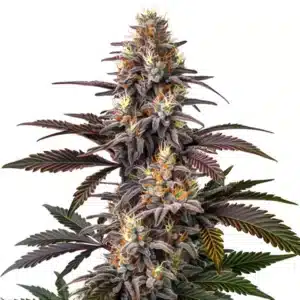
Blackberry Moonrocks

|
THC | 26% - 33% (High) |

|
Type | Feminized |

|
Yield | High |

|
Phenotype | 80% Indica / 20% Sativa |
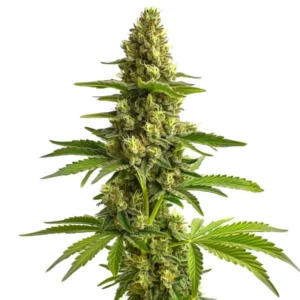
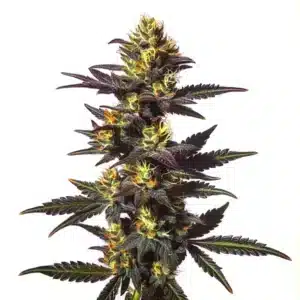
Bruce Banner #3
|
|
THC | 20% - 29% (High) |
|
|
Type | Feminized |
|
|
Yield | Medium |
|
|
Phenotype | 50% Indica / 50% Sativa |
For instance, cultivators of Blimburn Seeds renowned strains like GG4, Blackberry Moonrocks, and Bruce Banner 3 will find that knowing Brix levels can be a game-changer. It allows you to tailor your growing techniques to enhance these strains’ unique characteristics.
How to Read a Cannabis Refractometer Accurately
To accurately read a refractometer, start by ensuring the device is calibrated. Use distilled water to set the baseline. Once calibrated, collect a sample of the plant sap using a clean tool. Place a few drops on the refractometer’s glass plate and close the cover.
Hold the refractometer up to a light source and look through the eyepiece. You will see a scale where the dividing line between light and dark indicates the Brix level. For cannabis, a Brix level above 12 is often considered healthy. Regularly checking these readings can help you adjust your cultivation practices effectively.
It’s important to note that refractometer readings can vary depending on the time of day and the hydration status of the plant. Therefore, taking readings at a consistent time each day can help ensure accuracy. Consistent monitoring is key to knowing how environmental changes affect your plants and allows for timely adjustments.
Additionally, learning how to read a cannabis refractometer accurately involves knowing that small changes in Brix levels can have significant impacts. Subtle shifts might indicate the onset of deficiencies or stress, allowing growers to be proactive rather than reactive in their care strategies.
Interpreting Refractometer Results for Cannabis Growers
Once you have the Brix reading, you can start interpreting refractometer results for cannabis growers. Knowing how to interpret refractometer readings in cannabis is key, as high Brix levels suggest efficient photosynthesis and nutrient uptake. These plants are more likely to be resilient against pests and diseases.
Conversely, low Brix readings can indicate stress, poor nutrient availability, or environmental issues. For example, if growing the GG strain from Blimburn Seeds, which is known for its high yields, a low Brix reading can signal the need for adjustments in your feeding schedule or light exposure.
Interpreting refractometer results for cannabis growers involves correlating Brix levels with other plant health indicators such as leaf color and growth rate. This holistic approach provides a comprehensive view of plant health, enabling better decision-making.
By maintaining a detailed log of Brix levels alongside other cultivation parameters, growers can pinpoint the factors that contribute to successful harvests. This data-driven approach not only improves outcomes but also refines your growing techniques over time.
Promos & Deals


Cannabis Refractometer Reading Guide for Beginners
For beginners, using a refractometer might seem like a sophisticated task. However, it’s quite straightforward. Begin by familiarizing yourself with the device. Practice taking readings from different parts of the plant to see how they vary.
Consider starting with a resilient strain like Bruce Banner 3 from Blimburn Seeds. Its robust nature provides a forgiving platform for practicing refractometer use in cannabis cultivation explained in simple terms. By consistently monitoring Brix levels, you can enhance your knowing of plant health metrics.
As a part of the cannabis refractometer reading guide for beginners, it’s crucial to understand that consistency in sampling is vital. Always use clean tools to avoid contamination, and ensure that the plant samples are taken from similar parts of the plant to maintain uniformity in your readings.
Beginners should also be aware of the environmental conditions during sampling. External factors such as temperature and humidity can affect Brix readings. By controlling these variables, you gain more reliable insights into your plants’ health and nutritional status.
Knowing Brix Levels in Cannabis Refractometer Readings
Brix levels offer a snapshot of the plant’s sugar content, which correlates with overall vigor. High Brix levels generally indicate that the plant is thriving, receiving ample nutrients, water, and light. Knowing how to interpret refractometer readings in cannabis directly impacts the quality of the final product and helps growers make informed cultivation decisions.
For example, with a strain like Blackberry Moonrocks from Blimburn Seeds, a high Brix reading can enhance its distinctive flavor profile and potency. As you become adept at knowing Brix levels in cannabis refractometer readings, you’ll notice how these factors interplay to produce superior buds.
Knowing Brix levels in cannabis refractometer readings not only helps in assessing plant health but also in predicting future yield potential. High Brix readings often correlate with higher resin production, which is crucial for achieving premium quality in cannabis products.
Moreover, fluctuating Brix levels can serve as early indicators of potential problems, allowing growers to address issues before they escalate. This proactive management is essential for maintaining the long-term health and productivity of your cannabis plants.

Refractometer Use in Cannabis Cultivation Explained
A refractometer is an invaluable tool in cannabis cultivation. It allows growers to assess plant health more accurately than visual inspection alone. By leveraging this tool, you can optimize your cultivation techniques and achieve higher quality yields.
For those cultivating Blimburn Seeds’ strains, integrating refractometer readings into your routine can differentiate between an average and a stellar crop. Whether you’re a first-time grower or seasoned cultivator, this tool provides critical insights into your plants’ well-being.
Refractometer use in cannabis cultivation explained simply can transform your approach to growing. By relying on quantitative data rather than guesswork, you can make informed decisions that enhance both plant health and yield.
Furthermore, consistent refractometer use allows for the fine-tuning of nutrient regimens and environmental conditions. This precision in cultivation practices helps in achieving the desired traits in different cannabis strains, leading to a more predictable and successful harvest.
FAQs about how to interpret refractometer readings in cannabis
What is a good Brix level for cannabis plants?
In general, a good Brix level for cannabis plants is above 12. This indicates that the plant is healthy and has a high sugar content, which is often a sign of strong photosynthesis and nutrient uptake. High Brix levels suggest that the plant is more resistant to pests and diseases.
Lower Brix levels can point to potential problems such as nutrient deficiencies or stress. Regular monitoring of Brix levels can help you take corrective action early. With strains like GG4 from Blimburn Seeds, maintaining a high Brix level can lead to a more potent and productive harvest.
Knowing what constitutes a good Brix level in cannabis plants can be crucial for growers aiming for high-quality yields. When Brix levels consistently meet or exceed the ideal range, it typically reflects a well-balanced growing environment and effective cultivation practices.
Additionally, maintaining a high Brix level not only influences the plant’s immediate health but also its long-term resilience. Plants with optimal Brix readings tend to recover from stress more quickly, offering a buffer against unforeseen challenges during the growth cycle.
How often should I check Brix levels in my cannabis plants?
It’s advisable to check Brix levels at least once a week. Regular monitoring helps you understand how environmental factors and cultivation techniques affect your plants. Consistent readings provide insights into patterns and trends over time.
For instance, if growing the Bruce Banner 3 strain, weekly checks can help you fine-tune your methods to maximize yield and quality. This proactive approach allows for timely interventions and adjustments.
Checking Brix levels regularly is essential for early detection of potential issues. Frequent monitoring ensures that any deviations from the norm are quickly identified and addressed, reducing the risk of long-term damage to your crop.
Moreover, knowing the frequency of checks helps in establishing a routine that supports optimal plant health. By integrating Brix level assessments into your regular cultivation schedule, you enhance your ability to maintain consistent quality and maximize production.
Can refractometer readings predict harvest time?
While refractometer readings primarily gauge plant health and sugar content, they can indirectly help predict harvest time. Healthy plants with optimal Brix levels tend to mature at a consistent rate, giving you clues about when they might be ready for harvest.
Monitoring the Brix levels of a strain like Blackberry Moonrocks can provide indicators of its readiness. Combining this data with other signs of maturity, such as trichome color, offers a more comprehensive harvest strategy.
Predicting harvest time through refractometer readings involves observing the stability of Brix levels as the plant approaches maturity. Consistent high Brix readings usually indicate that the plant is nearing its peak, making it an opportune time to prepare for harvest.
Furthermore, using refractometer data alongside other maturity indicators allows growers to fine-tune their harvest timing. This ensures that the cannabis is harvested at its most potent and flavorful state, optimizing both the yield and quality of the end product.
Do different cannabis strains have different Brix level benchmarks?
Yes, different cannabis strains can have varying Brix level benchmarks. Factors such as genetics, growing conditions, and nutrient regimens influence these levels. It’s essential to understand the specific needs of each strain you’re cultivating.
For example, Blimburn Seeds GG4 might have a different optimal Brix range compared to Bruce Banner. Tailoring your approach based on the strain helps achieve the best possible results.
Recognizing that different cannabis strains have unique Brix level benchmarks is vital for growers aiming to optimize their cultivation practices. Each strain’s genetic makeup can influence its ideal Brix range, necessitating tailored approaches for varied results.
By knowing these differences, growers can better align their nutrient and environmental management strategies to suit each specific strain. This customization is crucial for achieving the highest quality and yield from your cannabis crop.
Can environmental factors affect refractometer readings?
Environmental factors can significantly influence refractometer readings. Temperature, humidity, and light exposure all impact a plant’s sugar levels and overall health. Monitoring these conditions alongside Brix readings provides a fuller picture of plant health.
Adjusting your growing environment to support optimal Brix levels is crucial. For instance, ensuring adequate light and stable temperatures can help sustain high Brix levels in strains like Blackberry Moonrocks, enhancing their growth and quality.
Knowing how environmental factors affect refractometer readings is essential for achieving accurate assessments of plant health. Fluctuations in temperature or humidity can lead to misleading Brix levels, underscoring the need for controlled growing conditions.
By systematically managing these environmental variables, growers can ensure that their Brix readings are reliable indicators of plant health. This, in turn, allows for more precise adjustments to cultivation practices, optimizing both plant growth and final product quality.