Essential Guide: How Temperature and Humidity Affect Nutrient Interactions in Cannabis

How temperature and humidity affect nutrient interactions plays a crucial role in the way cannabis plants absorb and interact with nutrients. As you dive into growing cannabis, grasping how these environmental factors influence your plants can lead to healthier growth and higher yields.
When it comes to nutrient absorption, temperature fluctuations can significantly impact the process. In cooler environments, cannabis plants may slow down nutrient uptake, affecting overall growth. Conversely, higher temperatures can speed up metabolic processes, potentially leading to nutrient burn if not managed properly.
Recommended Strains
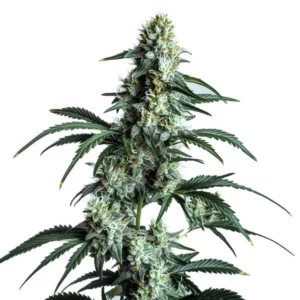
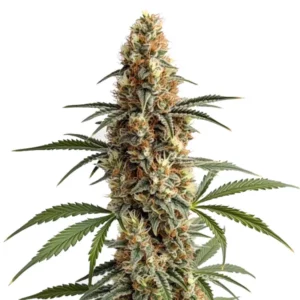
Sour Diesel

|
THC | 22% - 25% (Medium) |

|
Type | Feminized |

|
Yield | High |

|
Phenotype | 30% Indica / 70% Sativa |
Mamba Negra
|
|
THC | 18% (Medium) |
|
|
Type | Feminized |
|
|
Yield | High |
|
|
Phenotype | 55% Indica / 45% Sativa |
Humidity levels also dictate how efficiently cannabis plants utilize nutrients. Too much moisture can lead to mold and mildew, while too little can cause plants to dry out, both scenarios affecting nutrient uptake. Balancing these elements is key to optimizing cannabis growth.
Impact of Temperature on Cannabis Nutrient Absorption
Temperature is a vital factor in the growth cycle of cannabis. When temperatures are too low, the plant’s metabolic processes slow down. This reduction impacts how nutrients are absorbed from the soil. For example, if you’re growing a strain like Gorilla G4 from Blimburn Seeds, you’ll want to ensure the environment remains within the optimal temperature range.
On the other hand, excessive heat can lead to nutrient burn. This occurs when the plant absorbs nutrients too quickly, causing leaf tips to turn brown and crispy. Monitoring temperatures closely can prevent such issues, ensuring your cannabis plants receive the right amount of nutrients without harm.
Knowing how temperature and humidity affect nutrient interactions in cannabis is crucial. The impact of temperature on cannabis nutrient absorption can vary widely between different strains and growth stages. By keeping temperatures within an ideal range, growers can prevent common issues such as nutrient lockout or toxicity.
Furthermore, temperature control is essential for maintaining the delicate balance needed for nutrient interactions. Fluctuations can disrupt the plant’s internal processes, leading to underdevelopment or overdevelopment of certain plant parts. This makes consistent monitoring and adjustment of temperatures a key component of successful cannabis cultivation.
Temperature Fluctuations and Their Effects
Temperature fluctuations can stress cannabis plants, affecting their ability to process nutrients effectively. For example, sudden drops in temperature during nighttime can shock the plant, slowing down nutrient uptake the following day. It’s crucial to maintain a stable environment.
When growing strains like Mamba Negra from Blimburn Seeds, maintaining a consistent temperature can enhance terpene production and improve overall plant health. Using temperature controls like heaters or air conditioners can help achieve this stability.
Temperature fluctuations not only affect the plant’s nutrient absorption but also the overall health and vigor of the plant. A consistent environment helps in maintaining metabolic rates that support optimal growth. By avoiding sudden changes, growers can ensure that their plants remain healthy and productive.
Moreover, the temperature humidity influence on cannabis growth nutrients should not be underestimated. When temperatures are controlled, the plant can focus energy on growth and development rather than stress responses. This efficient energy use leads to better yields and more robust plants.
Promos & Deals
Effect of Humidity on Cannabis Nutrient Uptake
Humidity levels directly impact how cannabis plants take up water and nutrients. High humidity can cause water to remain on leaves, increasing the risk of fungal diseases, which can interfere with nutrient absorption. This is especially critical for strains like Sour Diesel from Blimburn Seeds, known for their dense foliage.
Low humidity, in contrast, can cause plants to transpire too quickly, leading to dehydration and nutrient lockout. This means the plant is unable to absorb essential nutrients from the soil, resulting in stunted growth and poor yields.
The effect of humidity on cannabis nutrient uptake is profound, as it dictates the plant’s transpiration rate. When humidity is too high, stomata may close to prevent excess water loss, inadvertently reducing nutrient absorption. Conversely, low humidity increases transpiration, which can deplete the plant’s water reserves too quickly.
By knowing how temperature and humidity affect nutrient interactions in cannabis, growers can tailor their strategies to optimize plant health. Investing in the right equipment to regulate these factors, such as dehumidifiers or humidifiers, is essential for creating the perfect growth environment.
Balancing Humidity for Optimal Growth
Maintaining the right humidity level ensures that cannabis plants can absorb nutrients efficiently. Using tools like humidifiers and dehumidifiers can help keep humidity in check. Ideal humidity levels vary depending on the plant’s growth stage.
For seedlings, higher humidity levels between 65-70% encourage root development. As the plants mature, reducing humidity to about 40-50% can prevent mold and mildew while ensuring continued nutrient uptake.
Balancing humidity is not just about preventing mold or mildew; it’s about creating an environment where nutrient uptake is optimized. When humidity is carefully managed, plants can focus on growth rather than stress responses, leading to healthier development and stronger yields.
Moreover, the temperature humidity influence on cannabis growth nutrients is significant. Properly balancing these environmental factors can enhance the plant’s natural defense mechanisms, thereby reducing the need for chemical interventions and promoting organic growth.
Cannabis Nutrient Interactions Under Varying Temperatures
Different temperatures can alter the interactions between various nutrients. For instance, phosphorus uptake is optimal at slightly warmer temperatures, while cooler conditions may hinder its absorption, affecting flower development.
Strains like Mamba Negra thrive in warm climates where phosphorus uptake is enhanced, leading to vibrant and robust blooms. Knowing these interactions helps in tailoring nutrient plans to suit environmental conditions.
In the context of how temperature and humidity affect nutrient interactions in cannabis, knowing the dynamics of nutrient interactions is crucial. Varying temperatures can influence the chemical availability of nutrients in the soil, altering their uptake efficiency.
Moreover, cannabis nutrient interactions under varying temperatures can lead to either synergistic or antagonistic effects. Recognizing these interactions allows for more precise nutrient management, ensuring each plant receives the ideal balance for growth and development.
Optimizing Nutrients with Temperature and Humidity
Optimizing cannabis nutrients with temperature and humidity involves careful monitoring and adjustments. By maintaining ideal temperature and humidity levels, growers can ensure that their plants have the best conditions for nutrient absorption.
Using environmental controls such as fans, heaters, and humidifiers can create a balanced atmosphere for your cannabis plants. This approach helps in managing nutrient uptake, preventing deficiencies, and promoting lush growth.
Optimizing cannabis nutrients with temperature and humidity is a dynamic process that requires continuous observation and adaptation. By utilizing technology and tools available, growers can maintain a controlled environment that maximizes nutrient efficiency.
Furthermore, focusing on how temperature and humidity affect nutrient interactions in cannabis allows growers to fine-tune their cultivation practices. This leads to not only healthier plants but also improved quality and potency of the final product, making the investment in environmental controls worthwhile.

FAQs about how temperature and humidity affect nutrient interactions in cannabis
How does temperature affect cannabis nutrient absorption?
Temperature has a direct impact on how cannabis plants absorb nutrients. When temperatures are too low, the plant’s metabolic processes slow, causing nutrient uptake to decrease. This can lead to deficiencies and hinder growth.
In contrast, high temperatures can speed up metabolic activity, causing plants to take in more nutrients than they can process. This often leads to nutrient burn, where the tips of the leaves turn brown and crispy. Keeping temperatures stable ensures balanced nutrient absorption.
Knowing the impact of temperature on cannabis nutrient absorption is essential for managing plant health. Proper temperature control can prevent the stress responses that lead to nutrient lockout or burn, ensuring that plants receive the right balance of nutrients.
By consistently monitoring and adjusting temperatures, growers can create an environment that fosters healthy growth and maximizes yield potential. This proactive approach to temperature management is a cornerstone of successful cannabis cultivation.
What is the effect of humidity on cannabis nutrient uptake?
Humidity levels influence the rate at which cannabis plants transpire and absorb water and nutrients. High humidity can lead to water retention on leaves, promoting fungal growth that interferes with nutrient uptake.
Low humidity causes plants to lose water quickly, potentially leading to dehydration and nutrient lockout. This means that despite having nutrients available, the plant cannot absorb them efficiently. Balancing humidity is key to successful cannabis cultivation.
The effect of humidity on cannabis nutrient uptake highlights the importance of environmental balance. Proper humidity levels ensure efficient nutrient transport and uptake, which are critical for healthy plant development.
Growers must consider the specific humidity needs of their chosen strains, as some may be more sensitive to fluctuations than others. By knowing and managing these needs, growers can optimize nutrient uptake and overall plant health.
How can I optimize cannabis growth nutrients with temperature and humidity?
To optimize cannabis growth nutrients, maintain temperature and humidity within the ideal range for each growth stage. Seedlings prefer higher humidity, while mature plants require lower levels to prevent mold.
Using devices such as heaters, fans, humidifiers, and dehumidifiers can help create the perfect environment. Regular monitoring allows for adjustments, ensuring plants receive the right nutrients for robust growth.
Optimizing cannabis growth nutrients with temperature and humidity is about creating a symbiotic relationship between environmental factors and plant needs. By aligning these elements, growers can enhance nutrient efficiency and overall plant vitality.
Through careful planning and execution, growers can mitigate common issues such as nutrient deficiencies or excesses, leading to healthier plants and more bountiful harvests. This holistic approach is key to achieving success in cannabis cultivation.
What are the best cannabis strains for varying temperature and humidity conditions?
Strains like GG4 and Sour Diesel from Blimburn Seeds are known for their resilience and ability to thrive in different temperature and humidity conditions. These strains can adapt to changes while maintaining high-quality yields.
For those in warmer climates, Mamba Negra is an excellent choice, as it thrives in higher temperatures, enhancing its phosphorus uptake and flower development. Selecting the right strain is crucial for successful growth.
When considering how temperature and humidity affect nutrient interactions in cannabis, choosing the right strain becomes a strategic decision. Some strains are more tolerant of environmental fluctuations, making them ideal for less controlled settings.
By selecting strains that align with the grower’s environmental capabilities, the chances of achieving a successful and productive harvest are significantly increased. This tailored approach optimizes the growing conditions for each specific strain.
Can temperature and humidity fluctuations affect cannabis terpene profiles?
Yes, fluctuations in temperature and humidity can significantly affect the terpene profiles of cannabis plants. Stable conditions promote consistent terpene production, leading to a more pronounced aroma and flavor.
For instance, strains like Blue Dream benefit from warm, stable temperatures, which enhance their sweet, berry-like terpene profile. Managing environmental conditions ensures that these aromatic compounds are preserved and enhanced.
Temperature and humidity fluctuations can lead to volatile changes in the plant’s chemical makeup, impacting both terpene and cannabinoid levels. By maintaining stability, growers can ensure a more consistent and desirable terpene expression.
Knowing the intricacies of how temperature and humidity affect nutrient interactions in cannabis also informs terpene management. When environmental conditions are optimized, the plant can express its full aromatic potential, contributing to a superior product quality.