Essential Guide: How Action Limits are Set in Cannabis Testing

Setting action limits in cannabis testing is crucial for ensuring both safety and compliance. Action limits help determine whether a cannabis product is safe for consumption. This involves concepts like LOQ (Limit of Quantitation) and MRL (Maximum Residue Limit). Each plays a role in defining acceptable levels of compounds or contaminants.
The LOQ is the smallest concentration of a substance that can be reliably measured. It ensures the precision of testing results. Meanwhile, MRLs refer to the maximum amount of a chemical residue legally allowed in cannabis. This safeguards consumer health. Together, they form the backbone of cannabis testing action limit guidelines.
Recommended Strains

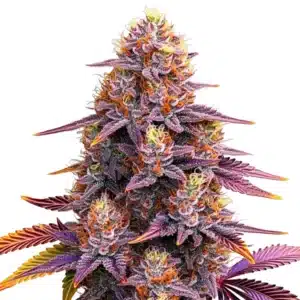
Sour Diesel

|
THC | 22% - 25% (High) |

|
Type | Feminized |

|
Yield | High |

|
Phenotype | 30% Indica / 70% Sativa |

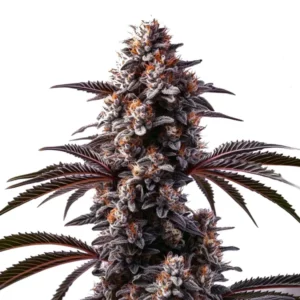
Blue Dream
|
|
THC | 17% - 24% (High) |
|
|
Type | Feminized |
|
|
Yield | High |
|
|
Phenotype | 50% Indica / 50% Sativa |
For cultivators and consumers, knowing how action limits are set (LOQ, MRL concepts) in cannabis testing is beneficial. Whether you’re a first-time buyer or an experienced grower, knowing these limits can inform your choices. Using strains like Sour Diesel from Blimburn Seeds, you can ensure quality and safety in your cultivation process.
LOQ vs MRL in Cannabis Analysis
LOQ, or Limit of Quantitation, is a key term in cannabis analysis. It refers to the smallest amount of a substance that can be quantitatively detected with acceptable precision. This parameter ensures that test results are reliable and repeatable. For example, if you’re growing the Blue Dream strain from Blimburn Seeds, knowing the LOQ can help you monitor for any potential contaminants.
On the other hand, MRL, or Maximum Residue Limit, sets the highest level of a substance that is legally permissible. This ensures that consumers are not exposed to harmful levels of pesticides or other residues. For cannabis products, setting MRLs involves evaluating the potential health risks associated with different residues.
Knowing LOQ vs MRL in cannabis analysis is essential for both producers and consumers. While LOQ focuses on the precision of detection, MRLs are central to safety regulations. By distinguishing between these two, laboratories can better interpret their test results and adhere to cannabis testing action limit guidelines.
Moreover, with advancements in testing technology, the accuracy of LOQ measurements has improved significantly. This progress allows for more stringent monitoring of MRLs, ensuring that cannabis products remain within safe consumption thresholds. As the industry evolves, maintaining a balance between LOQ and MRL becomes increasingly important for compliance and consumer trust.
Promos & Deals
Determining Action Thresholds in Cannabis Testing
Determining action thresholds in cannabis testing requires a comprehensive knowing of both LOQ and MRL. These thresholds are crucial for maintaining product safety. They guide laboratories in assessing whether a sample meets safety standards. For example, if testing a batch of GG4 from Blimburn Seeds, action thresholds can determine if the product is safe for market release.
Action thresholds are set based on scientific research and regulatory guidelines. They consider factors such as toxicity, exposure risks, and consumer safety. By setting these thresholds, regulatory bodies ensure that cannabis products are safe and free from harmful contaminants.
The process of determining action thresholds in cannabis testing often involves collaboration between regulatory agencies and industry stakeholders. This ensures that the thresholds are both scientifically sound and practically feasible. As new contaminants are identified and consumer safety data evolves, these thresholds may be adjusted to reflect the latest scientific knowing.
Additionally, the variability in cannabis strains and cultivation practices requires that action thresholds be adaptable. For instance, what might be an acceptable threshold for one strain may not be appropriate for another. This adaptability is crucial in setting MRLs for cannabis products, allowing for a flexible yet robust approach to ensuring safety and compliance.
Practical Examples of Action Limits
Consider a scenario where a cannabis product is tested for pesticide residues. If the residue level is below the LOQ, it implies that the amount present is insignificant and doesn’t pose a health risk. However, if it’s above the MRL, it could mean the product is unsafe for consumption and must be recalled or reprocessed.
For instance, when growing strains like Green Crack from Blimburn Seeds, knowing the action limits can help you adjust your cultivation practices. If a specific nutrient or pesticide exceeds the MRL, you have the opportunity to modify your approach to meet safety standards.
Practical examples of action limits in cannabis testing demonstrate their critical role in quality assurance. For growers, knowing these limits means they can proactively manage cultivation processes to prevent potential safety breaches. This knowledge allows them to make timely adjustments, ensuring that their products meet the required standards before reaching consumers.
Furthermore, the implementation of action limits fosters transparency and accountability within the industry. Consumers can trust that products have undergone rigorous testing and adhere to established guidelines. This trust is vital in a market where safety and quality are paramount considerations for both producers and consumers alike.
How Strains Affect Testing Limits
Different cannabis strains may have varying susceptibilities to contaminants. For example, strains like Sour Diesel may require different testing parameters compared to Blue Dream. This is due to their unique growing conditions and chemical compositions.
Strain-specific testing ensures that each type of cannabis meets its respective safety standards. By doing so, growers can optimize their cultivation methods for each strain. This approach not only ensures compliance but also enhances the overall quality and safety of the product.
The influence of strains on testing limits highlights the complexity of cannabis cultivation and testing. Each strain’s unique profile means that a one-size-fits-all approach to action limits would be inadequate. Instead, tailored testing protocols are developed to account for these differences, ensuring that all products are evaluated fairly and consistently.
Growers working with Blimburn Seeds strains benefit from detailed strain information, which aids in aligning cultivation practices with action limits. By knowing the specific needs and challenges of each strain, growers can fine-tune their processes to enhance yield quality while adhering to safety standards. This strain-specific focus is an integral part of setting MRLs for cannabis products.

FAQs about how action limits are set in cannabis testing
What are action limits in cannabis testing?
Action limits in cannabis testing refer to the maximum allowable levels of certain substances in cannabis products. These limits are set to ensure that products are safe for consumption. By adhering to action limits, manufacturers and growers can prevent harmful contaminants from reaching consumers.
Action limits are determined based on scientific research and regulatory standards. They consider the potential health risks associated with different contaminants. Ensuring compliance with these limits is essential for maintaining product quality and consumer trust.
Knowing how action limits are set (LOQ, MRL concepts) in cannabis testing is crucial for all stakeholders in the industry. These limits serve as benchmarks for laboratories to evaluate whether a product is within safe consumption parameters. By maintaining rigorous standards, the industry can uphold consumer safety while fostering innovation and growth.
Incorporating action limits into testing practices also aids in harmonizing global cannabis standards. With international markets emerging, consistent application of these limits helps streamline import and export processes, ensuring that products meet the safety expectations of various regions and regulatory bodies.
How are LOQ and MRL different?
LOQ and MRL serve different yet complementary roles in cannabis analysis. LOQ, or Limit of Quantitation, is the smallest concentration of a substance that can be reliably measured. It ensures the precision and reliability of testing results.
MRL, or Maximum Residue Limit, is the highest level of a substance legally permissible in a product. It serves as a benchmark for safety. While LOQ focuses on the detection capability, MRL ensures consumer safety by setting legal thresholds.
The distinction between LOQ and MRL is fundamental to knowing cannabis testing. LOQ provides the baseline for detection, ensuring that even minute quantities of substances can be accurately measured. This precision is crucial for the integrity of testing results and, by extension, the safety of cannabis products.
Meanwhile, MRL acts as a safety net, setting the maximum allowable levels to protect consumer health. Together, LOQ and MRL create a comprehensive framework for cannabis testing, supporting both regulatory compliance and consumer confidence in product safety.
Why is it important to set action limits?
Setting action limits is crucial for protecting consumer health. These limits help identify and quantify harmful substances in cannabis products. By enforcing these limits, regulatory bodies can ensure that cannabis products are safe and free from harmful contaminants.
Action limits also provide clear guidelines for producers and laboratories. They help standardize testing procedures, ensuring consistency and reliability in results. This not only enhances consumer confidence but also supports industry growth.
Beyond consumer safety, action limits are vital for the credibility and sustainability of the cannabis industry. They establish a level playing field where all producers are held to the same standards, promoting fair competition and innovation within the market.
Furthermore, setting action limits encourages continuous improvement in testing technologies and methodologies. As the industry grows, so too does the need for more advanced and precise testing solutions. This evolution helps ensure that cannabis products remain safe and meet the increasing demands of regulators and consumers alike.
How do action limits affect cannabis cultivation?
Action limits have a significant impact on cannabis cultivation practices. They dictate the allowable levels of substances like pesticides and heavy metals. Knowing these limits helps growers adjust their cultivation methods to meet safety standards.
For instance, using strains like Green Crack from Blimburn Seeds, growers can tailor their practices to adhere to action limits. This ensures that the final product is safe for consumption and meets regulatory requirements.
The influence of action limits on cultivation extends to every aspect of the growing process, from soil preparation to nutrient management. By knowing these limits, growers can implement best practices that minimize the risk of contamination, ensuring that their crops remain within safe consumption thresholds.
Moreover, action limits are instrumental in guiding innovation in cannabis cultivation. As new strains emerge and growing techniques evolve, these limits provide a framework for assessing the safety and quality of novel products. This adaptability is essential for keeping pace with the dynamic nature of the cannabis industry.
What role do cannabis strains play in setting action limits?
Cannabis strains can influence the setting of action limits due to their unique chemical compositions. Different strains may have varying susceptibilities to contaminants. This necessitates strain-specific testing and action limit setting.
For example, the chemical profile of Sour Diesel may differ from that of Blue Dream, impacting how action limits are applied. By knowing these differences, laboratories can ensure that each strain meets its respective safety standards, benefiting both growers and consumers.
The function of cannabis strains in setting action limits underscores the need for precision and flexibility in testing protocols. Each strain’s distinct characteristics require tailored approaches to ensure that testing remains relevant and accurate, reflecting the true safety profile of the product.
By leveraging strain-specific data, growers can optimize their cultivation strategies, aligning them with action limits to produce high-quality, safe cannabis. This attention to detail not only enhances product quality but also builds consumer trust in the safety and efficacy of cannabis offerings from Blimburn Seeds and other reputable sources.