Cons of Autoflowering Cannabis: What You Need to Know

Autoflowering cannabis strains: These strains are known for their quick growth cycle, typically maturing in 70-80 days from seed. However, they often yield less, producing about 450-550 g/m² indoors. Their THC content can be lower due to ruderalis genetics, averaging around 15-20%. While convenient, these factors can impact both potency and harvest size, making them less ideal for those seeking maximum yield or THC levels.
Autoflowering cannabis strains offer a unique advantage with their ability to flower irrespective of light cycles. However, their terpene profiles, like Myrcene and Caryophyllene, can be less complex. Additionally, their flowering time is fixed, typically spanning 70-80 days, which can limit yield potential and customization options for growers.
Recommended Strains

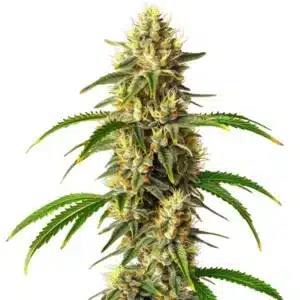
Fat Bastard

|
THC | 30% - 38% (High) |

|
Type | Feminized |

|
Yield | High |

|
Phenotype | 50% Indica / 50% Sativa |
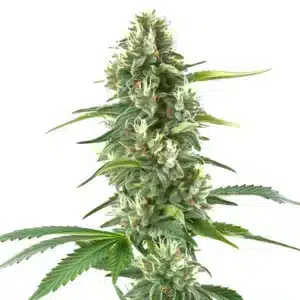
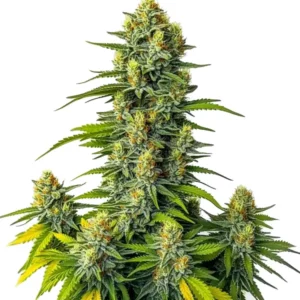
White Amnesia
|
|
THC | 18% - 22% (Medium) |
|
|
Type | Feminized |
|
|
Yield | High |
|
|
Phenotype | 30% Indica / 70% Sativa |
How Do Autoflower Seeds Work?
Autoflowering seeds are engineered to flower based on age rather than light exposure. This is due to their ruderalis genetics, which naturally evolved in regions with short growing seasons. The ruderalis gene triggers flowering after a set period, usually around 3-4 weeks, regardless of light conditions, which simplifies the cultivation process but also limits control over growth stages.
The biological mechanism involves the plant’s internal clock, which is genetically programmed to initiate flowering. This fixed schedule means that environmental factors like light intensity or duration have minimal impact on the flowering onset, unlike photoperiod strains that require a 12/12 light cycle to flower. This can be both an advantage and a limitation, depending on your cultivation goals.
Understanding the metabolic pathways, autoflowering plants rely on a ruderalis-driven genetic mechanism that bypasses the typical photoperiodic cues. The plant’s metabolism, involving CO2 uptake and carbohydrate synthesis, continues uninterrupted, allowing for a consistent growth pace. However, this consistency may come at the cost of reduced adaptability to environmental stressors, limiting the grower’s ability to optimize conditions for maximum yield.
Promos & Deals
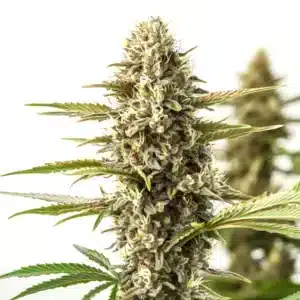
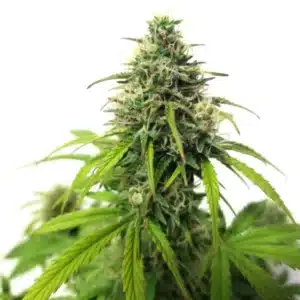
The Fixed Growth Cycle: A Double-Edged Sword
The fixed growth cycle of autoflowering strains simplifies the growing process but also restricts your ability to manipulate plant development. With a typical lifecycle of 70-80 days from seed to harvest, there’s limited time to address issues like nutrient deficiencies or pest infestations. This inflexibility can lead to suboptimal yields if problems arise during the critical vegetative phase.
For example, if nutrient imbalances occur, the plant may not have sufficient time to recover before flowering begins. This can result in smaller, less potent buds. The lack of control over the growth cycle is a significant drawback for growers who prefer to fine-tune their cultivation practices to maximize yield and potency.
During the vegetative phase, autoflowers require a high nitrogen nutrient profile to support robust leaf and stem growth. However, the rapid transition to flowering necessitates a swift shift to a nutrient mix rich in phosphorus and potassium. This abrupt change can challenge growers, as any delay or miscalculation in nutrient delivery can significantly impact the plant’s development and final yield.
| Feature / Merkmal | 2046 Fast Version | Amnesia Haze | Big Bud Auto |
|---|---|---|---|
| THC Content | 22-25% | 20-22% | 15-18% |
| Yield (g/m²) | 450-500 | 500-600 | 400-450 |
| Flowering Time | 7-8 weeks | 10-12 weeks | 8-9 weeks |
| Dominant Terpene | Limonene | Myrcene | Caryophyllene |
| Height | Tall | Medium | Short |
Professional Tips for Autoflowering Cultivation
- Maintain a consistent light cycle of 18/6 for optimal growth. Autoflowers can flower under any cycle, but 18 hours of light maximizes vegetative growth. Avoid 24-hour light cycles, which can stress plants and reduce yield.
- Use a nutrient mix with an N:P:K ratio of 3:1:2 during the vegetative stage. This supports robust growth. Incorrect ratios can lead to nutrient lockout, stunting growth.
- Keep humidity between 50-60% during the vegetative stage. Higher humidity can promote mold, while lower levels can cause nutrient uptake issues.
- Ensure soil pH is between 6.0-6.5. This range optimizes nutrient absorption. Deviations can lead to deficiencies, affecting plant health and yield.
- Monitor temperature closely, keeping it between 70-85°F (21-29°C). Fluctuations can stress plants, reducing growth and yield.
- Water plants when the top inch of soil is dry. Overwatering can lead to root rot, while underwatering can cause wilting and nutrient deficiencies.
During flowering, transition to a lower nitrogen, higher phosphorus and potassium nutrient mix to promote bud development. The metabolic shift focuses on carbohydrate storage and energy allocation to flower production. This phase is critical, as any nutrient imbalances can lead to deficiencies that affect bud size and potency.
Environmental control is crucial. Daytime temperatures should remain between 20°C – 25°C (68°F – 77°F) with a night drop of 8°C – 11°C to mimic natural conditions. This temperature range supports optimal enzymatic activity and metabolic processes, ensuring healthy growth and development.

FAQs
What is the downside to autoflowering seeds?
Autoflowering seeds often yield less, around 450-550 g/m², and can have lower THC levels, typically 15-20%. Their fixed growth cycle limits training opportunities and makes them sensitive to environmental stress, which can be a challenge for maximizing yield and potency.
What should a 3 week autoflower look like?
At 3 weeks, an autoflower should be in the vegetative stage, displaying 3-5 sets of true leaves. It should be around 6-8 inches tall. Ensure it’s receiving 18 hours of light daily to support growth. Any signs of yellowing may indicate nutrient deficiencies.
Which is better, feminized vs autoflowering?
Feminized seeds offer control over the growth cycle and typically yield more, around 600-700 g/m². Autoflowers are quicker, taking 70-80 days from seed to harvest, but yield less. Choose based on your need for control versus speed.
Can autoflowers be grown outdoors?
Yes, autoflowers can thrive outdoors, maturing in 70-80 days. They are less dependent on light cycles, making them suitable for varied climates. However, ensure they receive adequate sunlight and protection from pests to maximize yield.
How do autoflowering strains compare in potency?
Autoflowering strains generally have lower THC levels, around 15-20%, compared to photoperiod strains, which can reach 25-30%. Breeding advancements have improved potency, but they may still lag behind in THC content, affecting overall effects.