
Cannabis Root Exudates and Soil Interactions

Cannabis cultivation is an art and a science. For both newbies and seasoned growers, knowing the dynamics of cannabis root exudates and soil interactions can elevate your growing game. Roots aren’t just there to anchor the plant they release essential compounds, known as exudates, that interact with the soil, influencing nutrient absorption, microbial activity, and overall plant health. Exploring cannabis root exudates and soil interactions helps growers enhance yield quality, soil fertility, and plant resilience, making it a key factor in successful cannabis cultivation.
Whether you’re nurturing a GG4 Auto or exploring the fast-paced growth of a Gelato × Purple Punch Autoflower F1, the root-soil interaction plays a crucial role. These roots secrete a cocktail of sugars, amino acids, and organic acids into the soil. These exudates not only feed beneficial soil microbes but also help in nutrient absorption, making your plants healthier and more robust.
Recommended Strains

GG4 Autoflower

|
THC | 18% - 24% (Medium) |

|
Type | Autoflowering |

|
Yield | High |

|
Phenotype | 40% Indica / 60% Sativa |

Cafe Racer Autoflower
|
|
THC | 19% - 24% (Medium) |
|
|
Type | Autoflowering |
|
|
Yield | High |
|
|
Phenotype | 50% Indica / 50% Sativa |
For those experimenting with strains like Cafe Racer Autoflower, knowing root exudates can help you optimize your soil environment. This knowledge can translate into faster growth, better yields, and a more potent final product. Keep reading to explore the interaction between cannabis roots and soil, and how to harness it for your cultivation success.
Knowing Root Exudates
Root exudates are substances secreted by plant roots into the surrounding soil. They include a variety of compounds like sugars, amino acids, and organic acids. These substances play a vital role in plant health and soil ecology.
Types of Root Exudates
The main types of exudates include primary metabolites like sugars and organic acids, and secondary metabolites such as flavonoids. Primary metabolites are essential for basic plant functions, while secondary metabolites play roles in plant defense and signaling.
Sugars act as an energy source for soil microbes, promoting a healthy microbial community. Organic acids can modify soil pH, making nutrients more available to plants. These interactions can enhance the growth of strains like AK59 Auto, ensuring they reach their full potential.
Functions of Root Exudates
The functions of root exudates extend beyond feeding soil microbes. They can also inhibit harmful pathogens, promote beneficial fungi, and improve nutrient uptake. This is essential for maintaining the health of cannabis plants.
For strains like Kabrales Auto, efficient nutrient uptake facilitated by exudates can lead to steady growth and robust health. This interaction can significantly boost the yield and potency of your harvest.
Promos & Deals




The Function of Soil in Cannabis Growth
Soil is more than just a medium for plant roots. It’s a complex ecosystem that interacts dynamically with root exudates. These interactions help in nutrient cycling, disease suppression, and improving soil structure.
Soil Microbes and Root Exudates
Microbes in the soil play a crucial role in breaking down root exudates. This process releases nutrients that are readily absorbed by plants. It’s a symbiotic relationship where both the plant and soil microbes benefit.
In the case of strains like Orient Auto, a robust microbial community can enhance plant growth and resilience, contributing to a fruitful harvest.
- Soil bacteria decompose complex organic matter.
- Fungi form symbiotic relationships with roots.
- Microbial diversity improves soil health.
How Soil Structure Affects Exudates
The physical structure of soil influences how exudates move and interact with soil components. Good soil structure allows for better air and water infiltration, which is crucial for root health.
With strains like Amnesia Haze Autoflower F1, ensuring optimal soil structure can make a significant difference in plant vigor and yield potential. Aerated soil ensures that exudates efficiently reach the soil microbes that need them.
Benefits of Cannabis Root Exudates in Soil
Cannabis root exudates soil benefits are manifold. They nourish the soil, support microbial life, and facilitate nutrient availability. These benefits are crucial for both novice growers and experts.
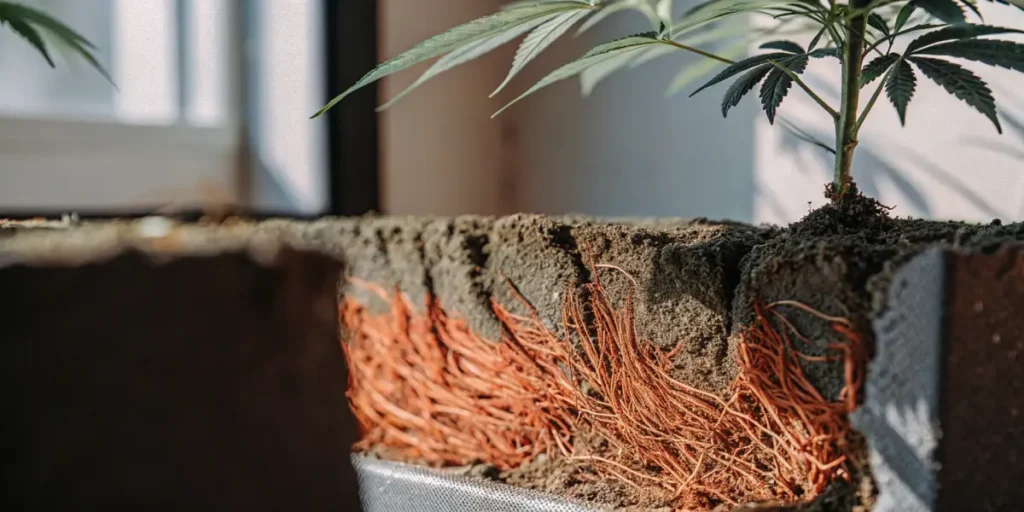
Nutrient Availability and Uptake
Exudates enhance nutrient availability by altering soil chemistry and promoting microbial activity. This results in a more nutrient-rich environment for the plant.
For a strain like GG4 Auto, maximizing nutrient uptake can lead to more vigorous growth and potent buds. A nutrient-rich soil encourages healthy plants that can better resist pests and diseases.
- Increased nitrogen availability.
- Better phosphorus uptake.
- Enhanced micronutrient absorption.
Soil Health and Fertility
Root exudates contribute to soil fertility by promoting the growth of beneficial microbes. These microbes play a role in nutrient cycling and organic matter decomposition, critical for maintaining soil health.
With strains like Gelato × Purple Punch Autoflower F1, healthy soil can lead to dense, aromatic buds with full terpene profiles. Fertile soil supports robust plant growth and high yields, making your cultivation efforts more rewarding.
FAQs about Cannabis root exudates and soil interactions
What are cannabis root exudates?
Cannabis root exudates are compounds released by plant roots into the soil. These include sugars, amino acids, and organic acids. They serve multiple purposes, from feeding soil microbes to altering soil chemistry to enhance nutrient availability.
In the context of strains like Purple Kush, knowing root exudates can help optimize growth conditions. By promoting microbial health and nutrient cycling, these exudates can lead to healthier plants and better yields.
How do cannabis root exudates benefit soil health?
Root exudates improve soil health by promoting microbial diversity and activity. These microbes decompose organic matter, making nutrients more accessible for plants. This symbiotic relationship enhances plant growth and resilience.
For strains like Cafe Racer, a healthy soil environment supported by root exudates can lead to vigorous growth and abundant yields. It also helps in suppressing soil-borne diseases, contributing to the overall health of the cannabis plant.
What impact do exudates have on nutrient uptake?
Exudates play a significant role in nutrient uptake by modifying the rhizosphere, the soil zone influenced by roots. They help in solubilizing nutrients, making them easier for plant roots to absorb.
This is particularly beneficial for fast-growing strains like Bruce Banner #3, where efficient nutrient uptake is crucial for maintaining growth pace and plant health. Ensuring a steady supply of nutrients translates to robust plants and high-quality buds.
Can I enhance root exudate production in my cannabis plants?
Yes, you can enhance root exudate production through practices like ensuring optimal soil conditions, using organic amendments, and maintaining proper watering schedules. These practices encourage active root systems and healthy exudation.
For growers cultivating strains like Ricky Bobby, these enhancements can lead to noticeable improvements in plant health and yield. A thriving root system with abundant exudates ensures a more productive and rewarding growing experience.
Why are microbial interactions with root exudates important?
Microbial interactions with root exudates are crucial because they facilitate nutrient cycling and organic matter breakdown. These processes are vital for nutrient availability and soil health, directly impacting plant growth and development.
In the case of strains like Motor Breath, a healthy microbial community supported by root exudates can lead to enhanced growth and resilience against stressors. This interaction is key to achieving a successful cannabis harvest with maximum yield and potency.