Cannabis Aroma Chemistry: The Function of VOCs

Volatile Organic Compounds (VOCs) in Cannabis: cannabis aroma chemistry VOCs are crucial in shaping the distinctive aroma of cannabis. These compounds, including terpenes and sulfur-based elements, contribute to the plant’s potent smell. Notably, 3-methyl-2-butene-1-thiol, a prenylated volatile sulfur compound, plays a significant role in enhancing cannabis aroma. Knowing these compounds helps explain why cannabis has such a strong and pervasive scent.
The aroma of cannabis is largely defined by its terpene profile, which varies significantly among strains. Terpenes like myrcene and limonene contribute to unique scents and flavors, with concentrations often ranging from 0.5% to 2%. The flowering time of cannabis also affects aroma development, typically spanning 8-10 weeks for optimal terpene expression.
Recommended Strains

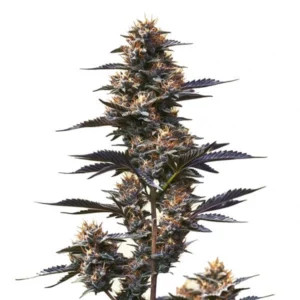
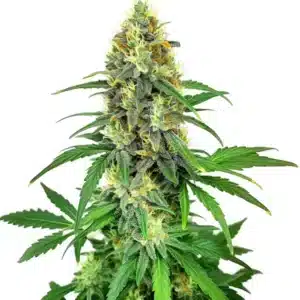
Grease Monkey

|
THC | 14% - 20% (Medium) |

|
Type | Feminized |

|
Yield | High |

|
Phenotype | 50% Indica / 50% Sativa |

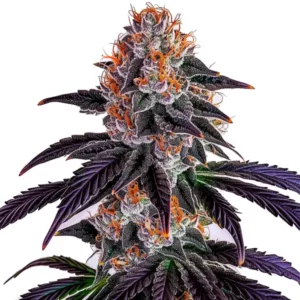
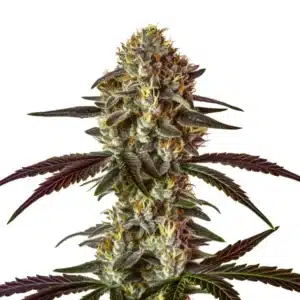
GG4
|
|
THC | 27% (High) |
|
|
Type | Feminized |
|
|
Yield | High |
|
|
Phenotype | 40% Indica / 60% Sativa |
Cannabis Aroma Chemistry Insights
Key Volatile Organic Compounds
Volatile organic compounds (VOCs) are the primary drivers behind the aromatic profile of cannabis. These compounds include a variety of terpenes and sulfur compounds that interact to produce the plant’s signature scent. Terpenes such as myrcene, limonene, and pinene are found in concentrations ranging from 0.2% to 2%, each contributing distinct scents like earthy, citrus, and pine.
Beyond terpenes, volatile sulfur compounds in cannabis, such as thiols, add complexity to the aroma. These compounds can be present in trace amounts but have a profound impact on the scent profile. For instance, 3-methyl-2-butene-1-thiol is known for its skunky odor, detectable even at low concentrations.
Practical Application & Impact
Knowing the chemistry of cannabis aroma is crucial for both cultivators and consumers. For growers, manipulating environmental factors like humidity (maintaining 40-50% RH during flowering) and temperature (68°F – 77°F) can optimize terpene production. Consumers benefit by selecting strains with desired aromatic profiles, enhancing their overall experience.
Experienced growers report that maintaining a stable environment during flowering maximizes terpene retention. Fluctuations in temperature or humidity can lead to terpene degradation, reducing the quality of the final product. Using a hygrometer and thermometer to monitor these conditions is essential.
Promos & Deals

Volatile Sulfur Compounds in Cannabis
Prenylated Volatile Sulfur Compounds
Prenylated volatile sulfur compounds are a subset of VOCs that significantly influence the aroma of cannabis. These compounds, though present in minor quantities, can dominate the scent profile due to their potent odors. Prenylated compounds like 3-methyl-2-butene-1-thiol are particularly notable for their contribution to the “skunky” smell often associated with cannabis.
The presence of these sulfur compounds is a result of complex biosynthetic pathways within the plant. These pathways are influenced by genetic factors and environmental conditions, such as light intensity and nutrient availability. Knowing these factors can help cultivators enhance or suppress specific aromatic traits.
3-Methyl-2-butene-1-thiol and Its Impact
3-Methyl-2-butene-1-thiol is a key player in the aroma profile of cannabis. This compound is known for its strong, skunky odor, which can be detected at concentrations as low as parts per billion. Its presence is often linked to the genetic lineage of the strain and the specific growing conditions.
For cultivators, managing the levels of 3-methyl-2-butene-1-thiol involves careful strain selection and environmental control. Strains like GG4 and Grease Monkey are known for their potent aromas, partly due to higher levels of this compound. Ensuring optimal nutrient balance and environmental conditions is crucial for achieving the desired aromatic profile.
| Feature / Merkmal | GG4 | Grease Monkey | Gorilla Glue X Do Si Dos |
|---|---|---|---|
| THC Content | 25-30% | 25-28% | 24-29% |
| Dominant Terpene | Caryophyllene | Myrcene | Limonene |
| Aroma Profile | Earthy, Pine | Diesel, Nutty | Citrus, Earthy |
| Yield (Indoor) | 1.5-1.8 oz/ft² (450-550 g/m²) | 1.4-1.6 oz/ft² (420-490 g/m²) | 1.6-1.9 oz/ft² (480-570 g/m²) |
| Flowering Time | 8-9 weeks | 8-9 weeks | 9-10 weeks |
Why Does Cannabis Smell So Strong?
Chemical and Environmental Factors
The strong aroma of cannabis is primarily due to its rich terpene and volatile sulfur compound content. These compounds are highly volatile, meaning they easily evaporate and disperse into the air, contributing to the plant’s pervasive scent. Environmental factors like temperature and humidity also play a role in intensifying the aroma.
Many cultivators share that maintaining optimal environmental conditions, such as a temperature range of 68°F – 77°F and humidity levels of 40-50%, can enhance the aromatic profile of cannabis. Deviations from these conditions can lead to a loss of volatile compounds, diminishing the plant’s scent.
Prevalence of Cannabis Odor
The smell of cannabis is everywhere due to the widespread cultivation and consumption of the plant. Its strong aroma can linger in the air and attach to clothing and surfaces, making it easily detectable. This is particularly noticeable in areas with high concentrations of cannabis cultivation and use.
To manage the pervasive odor, many growers use carbon filters and ventilation systems to reduce the spread of cannabis scent. These tools help contain the aroma within the growing area, minimizing its impact on surrounding environments.
The Function of Terpenes in Cannabis Aroma
Sensory and Physiological Effects
Terpenes are primarily responsible for the diverse aroma and flavor profiles of cannabis. Compounds like myrcene, limonene, and pinene not only contribute to the scent but also enhance the physiological effects of cannabinoids. Myrcene, for example, can enhance THC uptake, leading to a more potent experience.
In artisanal cultivation circles, selecting strains with specific terpene profiles is crucial for tailoring the sensory experience. Terpenes also interact with the endocannabinoid system, potentially influencing the overall effects of cannabis consumption.
Terpene Concentrations and Profiles
Terpene concentrations in cannabis can vary widely, with some strains exhibiting levels as high as 2%. These compounds contribute to the plant’s unique scent and can influence the overall experience. Strains like Lemon Haze Autoflower F1 are known for their high limonene content, imparting a citrus aroma.
Master growers have pointed out that terpene profiles can be influenced by factors such as genetics, growing conditions, and harvest timing. Ensuring optimal conditions throughout the growth cycle can maximize terpene retention and enhance the aromatic profile.
Comparing the Aroma of Cannabis and Hash
Differences in Aroma Profiles
Cannabis and hash differ significantly in their aroma profiles. While cannabis is known for its fresh, herbal scent, hash tends to have a more concentrated, earthy aroma. This difference is due to the processing of hash, which involves compressing trichomes and concentrating the aromatic compounds.
Does hash smell strong when smoked? Yes, hash can have a potent aroma when smoked, often described as earthy and spicy. The intensity of the scent can vary depending on the quality and type of hash being consumed.
Factors Influencing Aroma Intensity
The intensity of the aroma when smoking hash is influenced by the concentration of terpenes and other volatile compounds. High-quality hash, made from resin-rich strains like GG4, tends to have a stronger aroma due to higher concentrations of these compounds.
For those seeking a less intense aroma, opting for lower-quality hash or using a vaporizer can help reduce the scent. Vaporizers heat the material without combustion, releasing fewer aromatic compounds into the air.
Professional Tips for Enhancing Cannabis Aroma
- Maintain 58-62% RH during curing to preserve terpene integrity. Below 55% can lead to terpene loss, while above 65% can promote mold growth.
- Optimize light exposure to 800-1000 µmol/m²/s during flowering for maximum terpene production. Insufficient light can reduce terpene synthesis.
- Use carbon filters in the grow room to manage strong odors. This prevents the aroma from spreading beyond the cultivation area.
- Harvest at peak maturity to capture the full terpene profile. Premature harvesting can result in underdeveloped aromas.
- Store cannabis in airtight containers at 59-70°F (15-21°C) to maintain aroma and potency. Exposure to air and light can degrade terpenes.
- Choose strains known for their robust aroma, such as Grease Monkey, for a more intense sensory experience.
FAQs about cannabis aroma chemistry VOCs
What compounds contribute to the aroma of cannabis?
The aroma of cannabis is primarily due to terpenes and volatile sulfur compounds. Terpenes like myrcene and limonene range from 0.5% to 2% in concentration, while sulfur compounds like 3-methyl-2-butene-1-thiol add depth to the scent.
Why is the smell of cannabis so pervasive?
Cannabis has a strong, pervasive smell due to its high concentration of volatile organic compounds (VOCs). These compounds easily evaporate, spreading the scent. Environmental factors, such as temperature and humidity, can amplify this effect.
What are volatile sulfur compounds in cannabis?
Volatile sulfur compounds in cannabis, like thiols, contribute to its distinctive aroma. These compounds, although present in small amounts, have a significant impact on the scent profile, often lending a skunky or earthy odor.
How do terpenes affect the aroma of cannabis?
Terpenes are primarily responsible for the diverse aroma and flavor profiles of cannabis. Compounds like myrcene and limonene contribute to the scent and can enhance the physiological effects of cannabinoids, influencing the overall experience.
Does hash smell strong when smoked?
Yes, hash can have a strong aroma when smoked, often described as earthy and spicy. The intensity of the scent depends on the quality and type of hash, with high-quality hash typically having a more potent aroma.