Can Allelopathy Influence Terpene Profiles

When it comes to cultivating cannabis, every grower is keen on achieving the best aroma and flavor from their plants. Terpenes, the compounds responsible for this, are affected by various factors, including allelopathy. But what exactly is allelopathy, and can it influence terpene profiles? Let’s dive into this fascinating topic and see how it might impact your cannabis growing experience.
Allelopathy refers to the chemical interactions between plants, where one plant releases biochemicals that can influence the growth, survival, and reproduction of surrounding plants. This natural phenomenon can potentially alter the terpene profiles of cannabis plants, making it an area worth exploring for both novice and seasoned growers.
Recommended Strains
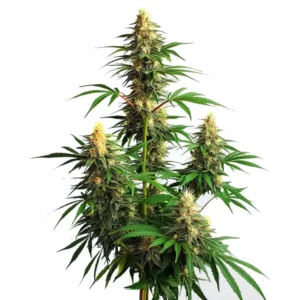
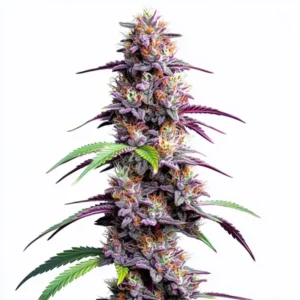
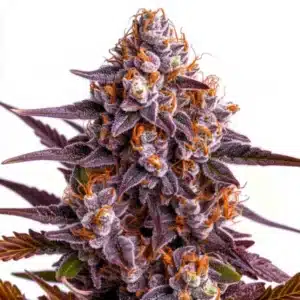
Amnesia Haze Auto

|
THC | 16% - 17% (Medium) |

|
Type | Autoflowering |

|
Yield | Low |

|
Phenotype | 25% Indica / 75% Sativa |
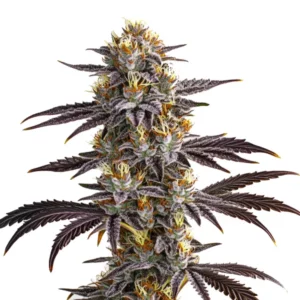
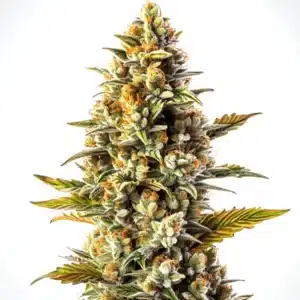
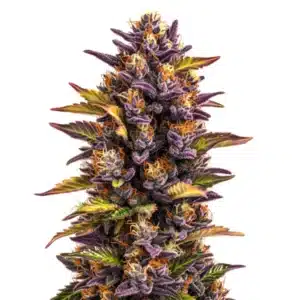
Gelato Auto
|
|
THC | 19% - 21% (Medium) |
|
|
Type | Autoflowering |
|
|
Yield | Medium |
|
|
Phenotype | 40% Indica / 60% Sativa |
In your grow room, you might be nurturing strains like Amnesia Haze Auto or Gelato Auto. Knowing how allelopathy could affect these plants can be the key to unlocking richer and more diverse terpene profiles. It’s like having a secret ingredient that enhances your grow strategy.
Knowing allelopathy in cannabis cultivation
Allelopathy is not just a buzzword; it is a naturally occurring process that plays a significant role in plant interactions. In cannabis cultivation, the effects of allelopathy are often subtle but can lead to noticeable differences in the plants’ terpene production.
When growing strains such as Mimosa XXL Auto, you may notice variations in aroma and flavor. This could be due to allelopathic interactions with neighboring plants. These interactions can either enhance or suppress the production of specific terpenes.
What causes allelopathy?
Allelopathy occurs when plants release chemicals known as allelochemicals into the environment. These chemicals can be found in various plant parts, such as leaves, flowers, roots, and even decaying plant material.
In a cannabis grow space, these allelochemicals may alter the microenvironment, affecting how cannabis plants like Gorilla Blue Auto develop their terpene profiles. The presence of certain plants can lead to unique terpene combinations that define a strain’s scent and flavor.
Benefits of allelopathy in terpene enhancement
Allelopathy isn’t always detrimental. In some instances, it can be harnessed to enhance the terpene profile of cannabis plants. By strategically selecting companion plants, you can promote the production of desirable terpenes in strains like Wedding Cake Auto.
For growers looking to maximize terpene profiles, knowing the allelopathic effects on terpene profiles can open up new possibilities. This knowledge allows you to create a symbiotic environment where cannabis and companion plants thrive together.
Promos & Deals

Practical tips for utilizing allelopathy
To harness the power of allelopathy in your cannabis cultivation, it’s crucial to plan your grow space thoughtfully. Here are some practical tips to consider:
- Research potential companion plants that have beneficial allelopathic interactions with cannabis.
- Experiment with different plant combinations to observe changes in terpene profiles.
- Monitor your cannabis strains closely, taking note of any changes in aroma and flavor.
Choosing the right companion plants
Not all plants will positively influence cannabis through allelopathy. Choosing the right companions is essential. Herbs such as basil and dill are known to have positive allelopathic effects on some cannabis strains.
For instance, pairing Blue Dream Auto with certain aromatic herbs might enhance its natural terpene profile, offering a unique twist to its already impressive flavor palette.
Creating a balanced grow environment
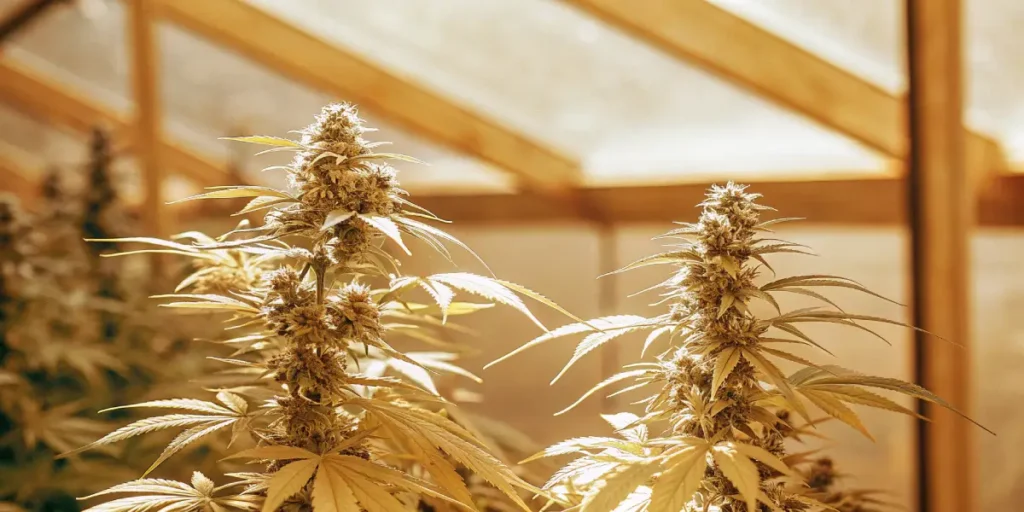
Balance is key when it comes to utilizing allelopathy. Too much of a good thing can lead to unwanted results. Ensure that your grow space is well-ventilated and that plants are not overcrowded.
By carefully managing plant spacing and ensuring optimal conditions, you can minimize negative allelopathic effects while enhancing the positive ones. This approach can lead to a more consistent and flavorful harvest.
FAQs about Can allelopathy influence terpene profiles
What is allelopathy, and how does it affect cannabis?
Allelopathy is the process where plants release chemicals that influence the growth and development of nearby plants. In cannabis cultivation, this can lead to changes in the terpene profiles of your plants, affecting aroma and flavor.
Knowing these interactions can help growers harness the potential benefits of allelopathy, leading to more robust and aromatic cannabis plants. It’s an intriguing area of study for those looking to fine-tune their grow strategies.
Can allelopathy influence terpene profiles in all cannabis strains?
Not all cannabis strains are equally affected by allelopathy. Some strains, like Z OG Auto, may show more pronounced changes in their terpene profiles when subjected to allelopathic influences.
What are the best companion plants for enhancing terpene profiles?
The best companion plants for enhancing terpene profiles often include aromatic herbs like basil, dill, and chamomile. These plants can interact positively with cannabis, leading to enhanced terpene production. Try experimenting with strains such as Lemon Cherry Gelato or Bruce Banner 3.
Are there any negative allelopathic effects to watch out for?
Yes, negative allelopathic effects can occur if incompatible plant species are grown together. This can lead to suppressed growth or undesirable changes in terpene profiles.
Growers should be mindful of plant selection and environmental conditions to avoid these negative interactions, ensuring that their cannabis plants remain healthy and aromatic.
How can I measure changes in terpene profiles due to allelopathy?
Measuring changes in terpene profiles can be done through sensory evaluation and laboratory testing. Sensory evaluation involves assessing the aroma and flavor of the cannabis plants during and after growth.
For more precise measurements, laboratory testing can provide detailed analysis of terpene content, helping you understand how allelopathic interactions have influenced your cannabis strains.