Best Time of Day to Measure Brix in Cannabis: Expert Proven Tips

Measuring brix levels in cannabis plants can be a game-changer for both novice growers and seasoned cultivators. Brix is a measure of the sugar content in plant juice, offering insights into the health and vitality of your plants. The best time of day to measure brix in cannabis plants can significantly impact the accuracy of your results. But when is this optimal window?
Some growers swear by early morning measurements, while others advocate for afternoon readings. The timing of brix testing can be critical, as it reflects the plant’s photosynthesis and nutrient intake processes. Therefore, knowing the best time to check brix levels in cannabis is essential for maximizing yield and potency.
Recommended Strains
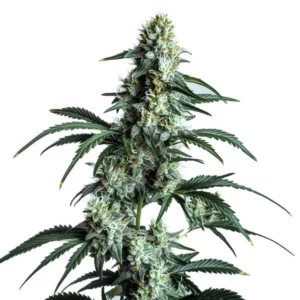
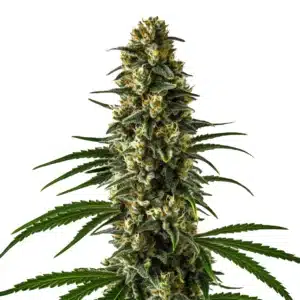
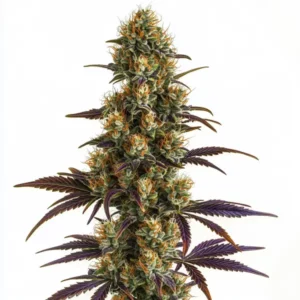
Sour Diesel

|
THC | 22% - 25% (Medium) |

|
Type | Feminized |

|
Yield | High |

|
Phenotype | 30% Indica / 70% Sativa |
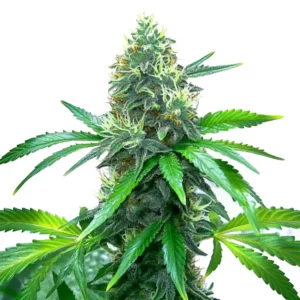
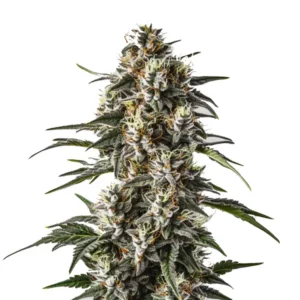
OG Kush
|
|
THC | 20% - 24% (Medium) |
|
|
Type | Feminized |
|
|
Yield | Medium |
|
|
Phenotype | 55% Indica / 45% Sativa |
Let’s dive into the ideal time of day for brix testing in cannabis and explore practical tips to enhance your cultivation skills. Whether you’re growing classic strains like Blue Dream or experimenting with Girl Scout Cookies from Blimburn Seeds, knowing brix levels can lead to healthier plants and better harvests.
Why Brix Levels Matter in Cannabis Cultivation
Brix levels in cannabis represent the sugar concentration in the plant sap. High brix readings often mean your plants are healthy and have robust nutrient uptake. This directly correlates with the plant’s ability to produce high-quality buds with desirable traits such as increased resin production and terpene profiles.
When the brix levels are high, it indicates that the plant is photosynthesizing efficiently, converting sunlight into energy at an optimal rate. This conversion is crucial for developing strong, vibrant cannabis plants. Cultivators aiming for high-quality yields recognize the importance of monitoring these levels.
High brix levels can also act as an indicator of the plant’s resistance to pests and diseases. Plants with higher sugar concentrations tend to be more robust and less susceptible to infestations, benefiting from the natural deterrent effect of increased sugars. This makes the best time to check brix levels in cannabis not just about yield, but also about plant health.
Furthermore, knowing brix levels allows growers to make informed decisions about nutrient adjustments. By correlating brix readings with nutrient and watering schedules, cultivators can fine-tune their practices for optimal growth. The better you understand these dynamics, the more successful your cultivation will be, whether you are working with strains from Blimburn Seeds or other suppliers.
Promos & Deals
Factors Influencing the Best Time to Check Brix Levels in Cannabis
The best time of day to measure brix in cannabis plants is influenced by several factors, including environmental conditions and the plant’s internal processes. During the day, photosynthesis peaks, affecting the sugar content in the plant’s sap. Thus, the time of day can lead to fluctuations in brix readings.
Measuring brix early in the morning, before the sun fully rises, can provide a baseline reading of your plant’s overnight sugar conversion. Conversely, afternoon measurements might reflect the peak sugar levels post-photosynthesis. This is why many experts suggest the best timing for brix level assessment in cannabis plants is either early morning or late afternoon.
Another factor to consider is the maturity stage of your cannabis plants. Younger plants might exhibit different brix level patterns compared to mature ones. As plants grow, their photosynthetic activity and nutrient uptake can vary, which in turn affects the optimal time for measuring brix in marijuana plants. Being mindful of these changes helps in selecting the best time of day to measure brix in cannabis plants.
Environmental fluctuations such as sudden weather changes or shifts in light exposure can also impact brix readings. Cultivators should aim to measure brix under consistent conditions to get the most reliable data. This means choosing the same time each day, regardless of external conditions, to ensure that the readings reflect true variations in plant health and not environmental noise.
Morning vs. Afternoon: The Great Brix Debate
Early morning measurements can give insights into how well your cannabis plants are retaining sugars overnight. This is crucial for strains like Sour Diesel from Blimburn Seeds, known for their vigorous growth. Measuring brix before the sun’s intensity increases can show you how well the plant has prepared for the day’s photosynthesis.
Afternoon measurements often reveal the maximum sugar levels your plants achieve in a day, providing a different perspective. This is especially beneficial for strains such as OG Kush from Blimburn Seeds, where maximizing terpene production is a priority. By comparing morning and afternoon readings, you can better understand the plant’s photosynthetic efficiency.
The morning vs. afternoon debate often hinges on specific cultivation goals. If your focus is on monitoring plant recovery and overnight sugar retention, morning is the ideal time of day for brix testing in cannabis. On the other hand, if you aim to capture the full potential of photosynthesis, afternoon might be the cannabis brix measurement best time of day.
Ultimately, whether you prefer morning or afternoon readings, the key is consistency. Regular monitoring at the same time each day allows you to spot trends and respond to changes in plant health swiftly. This approach ensures that you can tailor your cultivation methods to the specific needs of your plants, optimizing for both health and yield.
Practical Tips for Accurate Brix Measurement
To ensure accurate brix readings, consistency is key. Always measure at the same time of day and under similar weather conditions. This helps in reducing variables that might skew your results. A refractometer is the tool of choice for most growers, offering precise readings with minimal effort.
When measuring brix, it’s essential to use fresh leaf samples from the same location on each plant. This practice ensures that your readings are representative of the plant’s overall health. For consistent results, focus on new growth areas, which tend to have the most active sugar production.
Another tip for accurate brix measurement is to avoid taking samples from stressed plants. Stress conditions such as drought or pest attacks can temporarily alter brix levels, misleading your assessment of the plant’s true health. Ensuring that your plants are in stable condition when sampling will enhance the reliability of your readings.
Furthermore, it’s advisable to implement a regular maintenance schedule for your refractometer. Keeping the instrument clean and free of dust or debris will prevent potential errors. By taking care of your tools and following a consistent measurement routine, you’ll gain clearer insights into the best time to check brix levels in cannabis.
- Always measure brix levels at the same time daily.
- Use a calibrated refractometer for precise readings.
- Collect samples from the same part of the plant each time.
- Consider both morning and afternoon readings for comprehensive insights.
- Adjust cultivation practices based on brix data to improve plant health.
Common Mistakes When Measuring Brix in Cannabis
One common mistake is not accounting for environmental factors. Temperature, humidity, and light intensity can all affect brix readings. Ensuring consistent measurement conditions will help mitigate these influences, providing more reliable data for your plants.
Another mistake is neglecting the calibration of your refractometer. An uncalibrated device can lead to inaccurate readings, which can mislead your cultivation practices. Regular calibration is essential, especially when measuring the brix of high-value strains.
Additionally, some growers overlook the importance of sample consistency. Inconsistent sampling, such as taking leaves from different parts of the plant or at varied times, can lead to erratic results. For the most meaningful data, it’s crucial to standardize your sampling process alongside choosing the best timing for brix level assessment in cannabis plants.
Finally, many growers fail to integrate brix readings with other indicators of plant health. Brix levels should be part of a holistic approach to cultivation, working in tandem with observations of plant vigor, leaf color, and growth patterns. By combining these insights, you can develop a more nuanced knowing of your plants’ needs and optimize your growing strategies accordingly.
FAQs about best time of day to measure brix in cannabis plants
What is the best time of day to measure brix in cannabis plants?
The best time to measure brix in cannabis plants is often early in the morning or late in the afternoon. Early morning readings can provide a baseline of the plant’s overnight sugar levels. Afternoon readings, on the other hand, may show peak sugar content after a day of photosynthesis.
Consistency is crucial. By measuring brix at the same time daily, you can track changes in plant health and adjust your growing techniques accordingly. Both morning and afternoon measurements can offer valuable insights for different cultivation goals.
Choosing the ideal time of day for brix testing in cannabis depends on your cultivation objectives. If you’re interested in assessing overnight sugar accumulation, morning is optimal. For knowing peak daily photosynthetic activity, afternoon is better. Evaluating both times can provide a comprehensive view of plant health and photosynthesis efficiency.
The best time of day to measure brix in cannabis plants is not just about convenience but also about precision. Regular tracking helps identify patterns and potential issues early, allowing for timely interventions and adjustments that lead to better yields and healthier plants.
Why is brix measurement important in cannabis cultivation?
Brix measurement is important because it reflects the sugar concentration in the plant sap, indicating the plant’s overall health. High brix levels can suggest efficient photosynthesis and nutrient uptake, leading to higher quality yields with better flavor and potency.
For cannabis growers, knowing brix levels can help optimize growing conditions, identify potential issues early, and improve the overall quality of the crop. This is especially important for maximizing the potential of high-value strains.
Beyond quality, brix levels also provide insights into the plant’s stress tolerance and resilience. High brix readings are often associated with increased resistance to pests and diseases, enabling growers to manage risks more effectively. This knowing is crucial for maintaining plant health in varying environmental conditions.
Furthermore, brix levels can inform nutrient management strategies, helping growers fine-tune fertilizer applications to match the plant’s needs. This targeted approach minimizes waste and enhances plant performance, particularly in high-stakes cultivation environments like those involving premium strains from Blimburn Seeds.
How do environmental factors affect brix readings?
Environmental factors such as temperature, light intensity, and humidity can influence brix readings. These conditions affect the plant’s photosynthesis and its ability to produce sugars, which in turn impacts brix levels.
To minimize environmental impact, measure brix under consistent conditions. Avoid taking readings during extreme weather changes or immediately after watering, as these can temporarily skew results and affect accuracy.
Besides to weather, the type of grow setup can also impact brix readings. Indoor growers may have more control over environmental factors, but must still be vigilant about maintaining stable conditions to avoid skewed data. Outdoor growers need to account for natural fluctuations, making consistent timing even more critical.
Light cycles, both natural and artificial, can significantly affect photosynthesis and, consequently, brix levels. Ensuring that your measurements align with these cycles will provide more accurate insights into your plants’ health. This knowing allows for better planning and adaptation to changing conditions, crucial for successful cannabis cultivation.
Can brix levels vary between different cannabis strains?
Yes, brix levels can vary significantly between different cannabis strains. Factors such as genetic makeup, growth stage, and environmental conditions all play a role in determining brix levels.
For example, strains known for high resin production, like those from Blimburn Seeds, might naturally exhibit higher brix levels. Knowing these differences can help tailor cultivation practices to each strain’s unique needs.
Besides to genetic factors, the growth stage of the plant can also influence brix levels. Young seedlings may have different sugar concentrations compared to mature flowering plants. Recognizing these variations helps in identifying the optimal time for measuring brix in marijuana plants across different growth phases.
Customizing your approach based on strain-specific needs is key to maximizing yield and potency. By knowing how each strain behaves in terms of brix, growers can better manage nutrient schedules and environmental conditions, ensuring that each plant reaches its full potential.
What tools are needed for measuring brix in cannabis plants?
The primary tool required for measuring brix in cannabis plants is a refractometer. This device measures the sugar content in plant sap, providing a brix reading. Ensure your refractometer is calibrated for accurate results.
Besides a refractometer, you’ll need a clean surface to collect sap from the leaves. Using fresh samples from the same part of the plant each time will provide consistent and reliable data, helping you make informed cultivation decisions.
It’s also helpful to have a notebook or digital log to record your brix readings consistently. Tracking these measurements over time allows you to identify trends and make data-driven decisions about your cultivation practices. This is an essential component of optimizing the best time of day to measure brix in cannabis plants.
For those looking to refine their technique, investing in a high-quality refractometer with automatic temperature compensation can enhance accuracy. This feature ensures that temperature variations do not skew the results, providing a more reliable assessment of your plants’ sugar levels.