Best Micron for Dry Sift Hash

Quick answer: for clean dry sift hash, the sweet spot for collecting intact trichome heads is roughly the 70-120 micron range, with many sifters favoring around 90-120 microns for high purity. Finer screens (smaller microns) give purer, cleaner sift but less yield; coarser screens yield more but include more plant matter. Using multiple screen sizes lets you grade quality. Below is how microns affect quality, the best range, and tips.
What Is Dry Sift Hash?
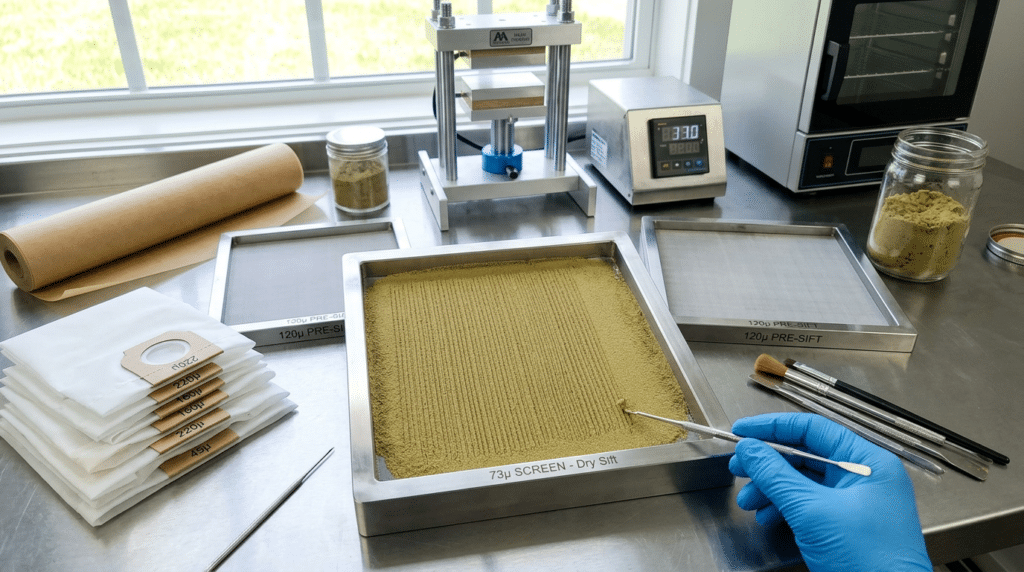
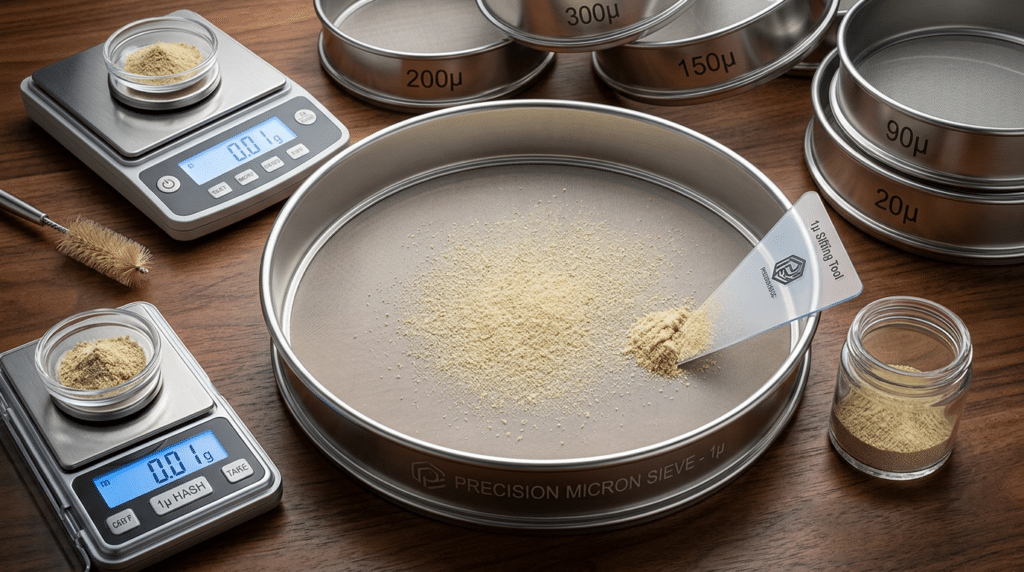
Dry sift (dry sieve) hash is made by gently sieving dried, cold cannabis over fine mesh screens to separate the resin glands, trichomes, from the plant material. The collected trichome powder (kief) can be pressed into hash. It is a solventless concentrate, and its quality depends heavily on the screen sizes used and how cleanly the trichome heads are separated from contaminants.
Recommended Strains
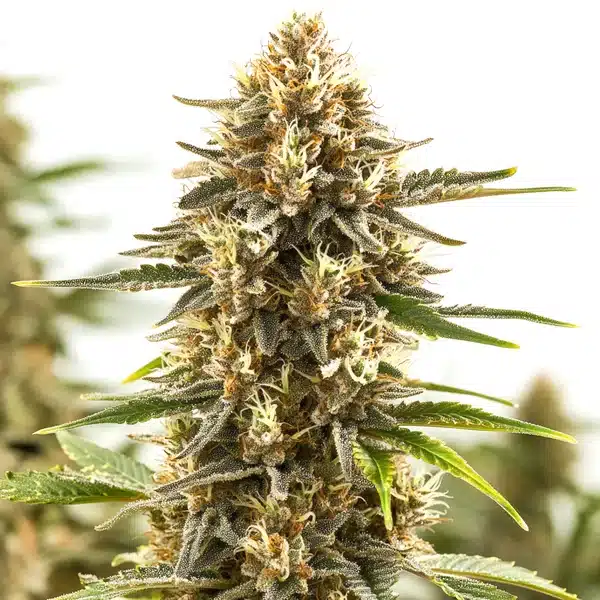
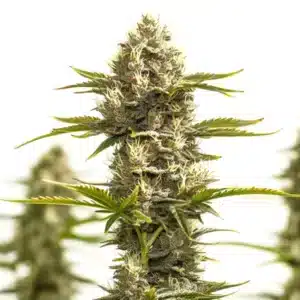
Pineapple Kush Regular

|
Type | Regular |

|
THC | 16% - 19% (Medium) |

|
Phenotype | 60% Indica / 40% Sativa |

|
Yield | High |

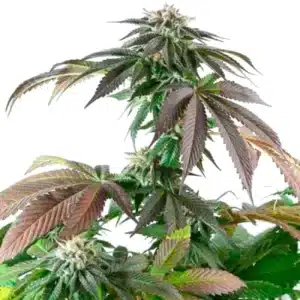
Pineapple Autoflower
|
|
Type | Autoflowering |
|
|
THC | 12% - 15% (Medium) |
|
|
Phenotype | 55% Indica / 45% Sativa |
|
|
Yield | High |
Promos & Deals

How Micron Size Affects Quality
Micron size (the mesh opening) determines what passes through. Larger openings let more material through, including plant matter, for higher yield but lower purity; smaller openings hold back contaminants for purer sift but lower yield and risk blocking larger trichome heads. The goal is a screen that passes intact trichome heads while blocking most plant debris, which is why the mid-range microns are prized. The table below shows the ranges.
Grading Dry Sift: Full Melt vs Cooking Grade
Not all dry sift is equal, and micron screens let you separate grades. The cleanest fraction, mostly intact trichome heads with minimal plant matter, is the premium full-melt grade that bubbles and melts cleanly when heated, ideal for dabbing. Coarser or contaminated fractions, which include more plant material, are lower grade but still useful for topping bowls, adding to joints or cooking into edibles. By running your sift through a stack of screens at different microns, you can isolate the premium heads from the bulkier material, getting both a top-shelf fraction and usable everyday sift from one batch. Judging grade by how cleanly it melts and how little residue it leaves helps you know what you have and how best to use each part.
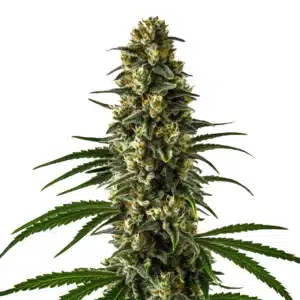
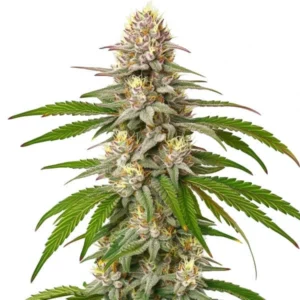
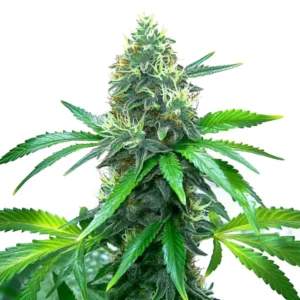
| Feature / Merkmal | Girl Scout Cookies X Do Si Dos | Pineapple Auto | OG Kush |
|---|---|---|---|
| Trichome Size | Small | Medium | Large |
| THC Content | 23-28% | 20-25% | 25-30% |
| Terpene Profile | Sweet, Earthy | Tropical, Fruity | Pine, Earthy |
| Optimal Micron | 73 microns | 90 microns | 120 microns |
| Yield (oz/ft²) | 1.5-2 oz | 2-2.5 oz | 1.8-2.3 oz |
Choosing the Best Micron Size
Consider your goals and material: for top purity, lean toward finer screens (around 70-90 microns) that capture clean trichome heads; for more yield, a slightly coarser screen (up to ~120 microns) collects more at some cost to purity. Trichome size varies by strain, and cold, well-dried material sifts best. Matching the screen to your strain and quality target is the key decision.
Purity vs Yield in Practice
In practice there is a trade-off: the finest sift (cleanest, ‘full melt’ potential) comes from careful sieving at the right micron with minimal agitation, yielding less; pushing for more yield with coarser screens or heavy agitation brings in more contaminants. Using a set of screens lets you separate premium grades from lower ones, so you get both a top-quality fraction and usable bulk.
Pro Tips for Quality Dry Sift
Work with very dry, cold material (freezing briefly makes trichomes brittle and easy to release), sift gently to avoid breaking off plant matter, use multiple micron screens to grade the sift, and collect in short sessions. Keep everything clean and static-free. The best dry sift comes from cold, dry flower, the right micron screens and a light, patient touch, not force.
FAQs
What micron is best for sifting hash?
For clean dry sift that captures intact trichome heads, roughly 70-120 microns is the useful range, with many sifters favoring around 90-120 for a good balance of purity and yield. Finer screens give purer sift with less yield; coarser ones yield more with more plant matter. Match it to your strain and goal.
Is a 20 or 25 micron filter better?
Those very fine sizes (20-25 micron) are far too small for collecting whole trichome heads, which are generally larger, so they are used more for filtering or very fine fractions than for primary dry sift. For dry sift hash, mid-range screens around 70-120 microns capture the trichome heads you want.
Which is finer, 20 mesh or 40 mesh?
40 mesh is finer than 20 mesh. Mesh counts the openings per inch, so a higher mesh number means more, smaller openings, finer filtration. (Microns measure the opening size directly, where a smaller micron number is finer.) For dry sift, focus on the micron rating of the screen for precision.
Is 40 or 60 mesh finer?
60 mesh is finer than 40 mesh, since more openings per inch means smaller holes. Higher mesh equals finer screening. For dry sift hash, though, growers usually talk in microns, where you want screens that pass trichome heads (around 70-120 microns) while holding back plant debris.
Can I use multiple screen sizes for better results?
Yes, and it is recommended. A stack of screens at different micron sizes grades the sift, separating the purest trichome-head fraction from coarser material, so you get a premium grade and usable bulk from the same batch. Multiple screens are the standard way to produce high-quality, graded dry sift hash.
Should I freeze my weed before dry sifting?
A brief chill helps. Cold makes trichomes brittle so they snap off the plant more easily and cleanly, improving yield and purity, which is why many sifters cool their material and screens first. Do not over-freeze with moisture present, though, since any dampness causes clumping. Work with dry, cold flower and a gentle touch for the best dry sift.
What is the difference between dry sift and bubble hash?
Both collect trichomes, but dry sift uses dry screens to sieve resin from dried flower, while bubble hash uses ice water and mesh bags to wash trichomes off, then dries them. Dry sift is simpler and solventless; bubble hash can be very clean but needs more equipment and drying care. Both grade by micron screen size.
How much dry sift can you get from an ounce of weed?
Yield varies a lot with strain resin content, material quality and technique, but a rough ballpark is around 10-20% by weight for decent sift, less for premium full-melt fractions and more for lower grades. Frosty, resin-heavy strains yield more. Gentle sifting of cold, dry flower at the right micron maximizes clean return.