Expert Guide: Best and Worst U.S. Areas to Grow Cannabis Outdoors

Growing cannabis outdoors can be a rewarding experience, but not all U.S. areas are created equal. Factors like climate, soil, and local laws play a significant role in determining the success of your cultivation efforts. Knowing the best and worst U.S. areas to grow cannabis outdoors can guide you to make informed decisions.
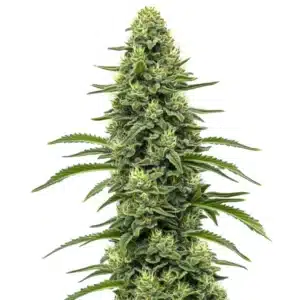
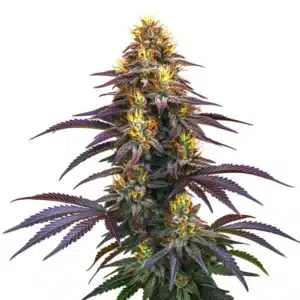
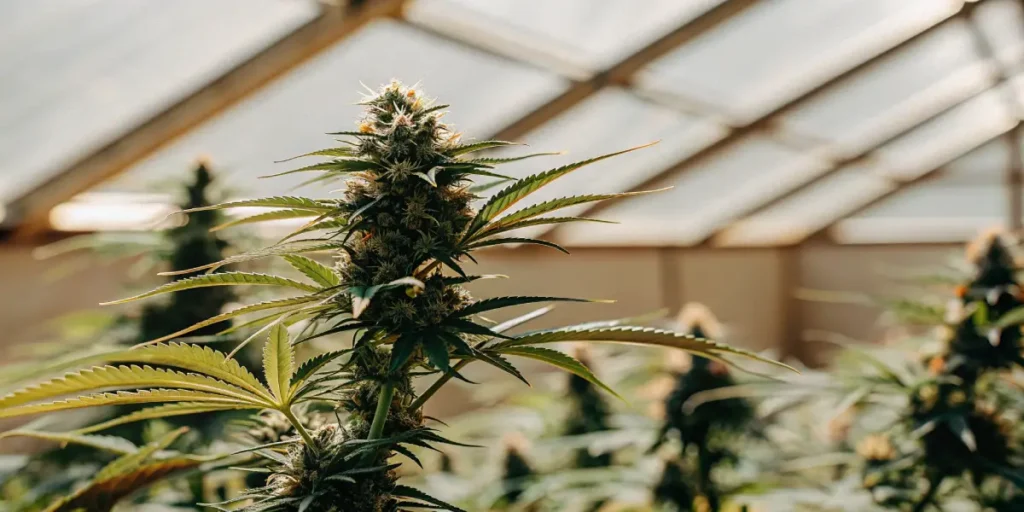
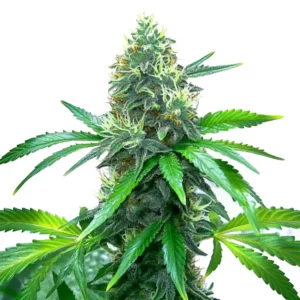
California tops the list of the best states for outdoor cannabis cultivation. The state’s Mediterranean climate, characterized by warm, dry summers and mild, wet winters, is ideal for cannabis. This environment allows strains like GG4 from Blimburn Seeds to thrive, producing abundant yields.
Recommended Strains


On the other hand, some regions pose challenges for outdoor growers. Areas with extreme weather conditions, such as the harsh winters of North Dakota, make it difficult to sustain cannabis plants. These challenging U.S. areas for outdoor cannabis growth require special techniques and hardy strains to succeed.
Best States for Outdoor Cannabis Cultivation
When considering the best states for outdoor cannabis cultivation, California is often the first to come to mind. Its diverse microclimates offer a range of options for growers. The Emerald Triangle, in particular, is renowned for its cannabis-friendly environment.
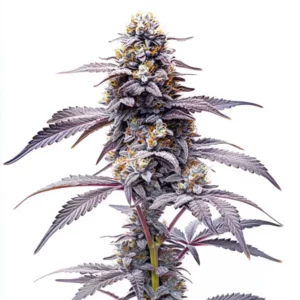
Oregon is another top U.S. region for outdoor marijuana farming. The state’s climate is similar to California’s, with long growing seasons and fertile soil. Strains like Blue Dream from Blimburn Seeds flourish here, offering high-quality yields.
Other states like Washington and Colorado also make the list of best states for outdoor cannabis cultivation. Washington benefits from the Pacific Ocean’s moderating effects, providing consistent temperatures that are ideal for cannabis growth. Meanwhile, Colorado’s varied elevations offer a range of growing conditions, allowing for experimentation with different strains and growing methods.
California’s reputation as a leader in the cannabis industry is bolstered by its supportive legislation and established market. The state’s regulatory framework and legal support offer growers the stability needed to invest in long-term cultivation projects, making it a haven for both new and experienced cannabis farmers.
Ideal Microclimates for Outdoor Cannabis in the U.S.
The Pacific Northwest, encompassing both Oregon and Washington, provides ideal microclimates for outdoor cannabis in the U.S. The combination of ample rainfall and sunny days supports healthy plant growth, making it a haven for cannabis farmers. This region is consistently highlighted in the Best and Worst U.S. Areas to Grow Cannabis Outdoors due to its favorable environmental conditions and reliable seasonal patterns.
Colorado’s high-altitude regions also offer unique benefits. The intense sunlight and low humidity create an environment where pests and mold are less of a concern. Growers here often choose resilient strains like OG Kush from Blimburn Seeds to maximize their harvest.
Besides to these well-known regions, specific microclimates within states such as California and Oregon offer even more refined conditions for cannabis cultivation. Coastal areas provide cooling breezes that can mitigate the heat of summer, while mountainous regions offer cooler temperatures that can extend the growing season into early fall.
Knowing the nuances of these ideal microclimates for outdoor cannabis in the U.S. allows growers to select the best possible location for their particular strain and cultivation style. This strategic approach can significantly enhance yield quality and quantity, ensuring a successful harvest.
Promos & Deals
Worst Climates for Growing Cannabis Outdoors in the U.S.
The worst climates for growing cannabis outdoors in the U.S. are often characterized by extreme temperatures and unpredictable weather patterns. The Midwest, with its hot summers and cold winters, poses significant challenges for growers. Knowing the Best and Worst U.S. Areas to Grow Cannabis Outdoors helps cultivators make informed decisions, avoid harsh regions, and focus on environments that offer more stable and supportive growing conditions.
In the Southeast, high humidity and frequent rainstorms create an environment ripe for mold and mildew. States like Florida and Louisiana require growers to be vigilant and employ techniques such as canopy management to protect their plants.
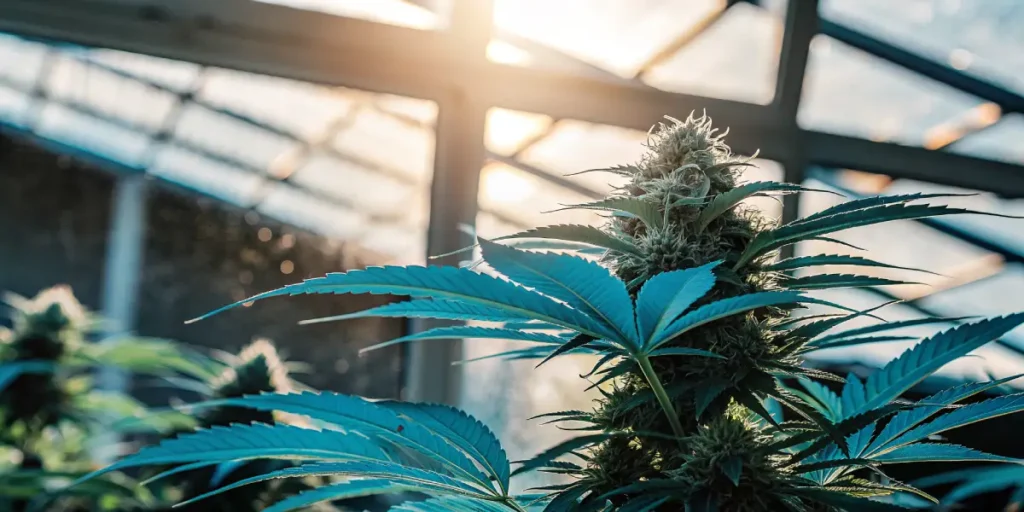
Despite these challenges, growers in the worst climates for growing cannabis outdoors in the U.S. can still find success with careful planning and the use of technology. Greenhouses and hoop houses can create controlled environments that shield plants from adverse weather conditions, providing a stable setting for growth.
Additionally, selecting strains bred specifically for resilience can mitigate some of the environmental challenges. By choosing strains that are more tolerant of temperature fluctuations and humidity, growers can improve their chances of a successful harvest, even in less-than-ideal climates.
Challenging U.S. Areas for Outdoor Cannabis Growth
Desert regions like Nevada and Arizona are among the most challenging U.S. areas for outdoor cannabis growth. The intense heat and lack of water make it difficult for plants to flourish without significant intervention.
New England states also present challenges due to their short growing seasons and cooler temperatures. Growers must carefully select strains and utilize greenhouses to extend the growing period.
In these challenging U.S. areas for outdoor cannabis growth, water conservation techniques become crucial. Drip irrigation systems and mulching can help retain moisture in the soil, providing a more consistent water supply for plants in arid environments.
The use of windbreaks and shade cloths can also help protect plants from the harsh sun and strong winds, creating a more favorable microclimate. By adjusting traditional farming practices to suit these unique conditions, growers can optimize their operations and improve plant resilience.
FAQs about Best and Worst U.S. Areas to Grow Cannabis Outdoors
What makes California the best state for outdoor cannabis cultivation?
California’s climate is one of the main reasons it stands out as the best state for outdoor cannabis cultivation. The state offers a variety of microclimates, particularly in regions like the Emerald Triangle, which provide optimal conditions for growing cannabis.
The combination of warm temperatures, ample sunlight, and rich soil supports healthy plant growth. Additionally, California’s long history with cannabis means that local expertise and infrastructure are readily available to support new growers.
California’s legal environment also supports cannabis cultivation, providing a framework that allows growers to operate openly and invest in advanced technologies. This legal backing, combined with its ideal growing conditions, solidifies California’s status as the leading state for outdoor cannabis cultivation.
Moreover, the state’s established cannabis market and consumer base create numerous opportunities for growers to sell their products, making it not only a top state for cultivation but also for commercial success in the cannabis industry.
Why is the Midwest considered challenging for cannabis growth?
The Midwest is considered challenging for cannabis growth due to its extreme weather conditions. The region experiences hot, humid summers and harsh, cold winters, which can stress cannabis plants and reduce yields.
Growers in the Midwest must be prepared to implement strategies to protect their plants, such as using greenhouses or selecting strains that can withstand temperature fluctuations.
Additionally, the Midwest’s unpredictable weather patterns, including late frosts and sudden storms, can pose risks to outdoor cannabis crops. Growers need to stay informed about weather forecasts and be prepared to take immediate protective measures when adverse conditions arise.
Despite these challenges, the Midwest offers vast expanses of agricultural land that can support large-scale cultivation projects. By leveraging modern agricultural techniques and selecting the right strains, growers can still achieve successful harvests in this region.
How can growers in humid areas prevent mold and mildew?
In humid areas, preventing mold and mildew is crucial for successful cannabis cultivation. Growers can use techniques such as pruning to improve air circulation around the plants, reducing the likelihood of mold development.
Additionally, choosing mold-resistant strains and using fungicides can help protect plants. Ensuring proper spacing and avoiding overwatering are also important steps in minimizing humidity-related issues.
Employing fans and dehumidifiers in greenhouse settings can further reduce the risk of mold and mildew, creating a more controlled environment for plant growth. Regular inspections and quick removal of any affected plant material also help prevent the spread of mold.
Crop rotation and soil management can also play a role in preventing mold and mildew, as healthier soil contributes to stronger plants that are more resistant to fungal infections. By implementing an integrated approach, growers can maintain healthy crops even in humid conditions.
What are the benefits of high-altitude cannabis cultivation?
High-altitude cannabis cultivation offers several benefits, including increased sunlight exposure and reduced humidity. These conditions can lead to stronger, more resinous plants with higher cannabinoid content.
However, growers must be aware of the potential for cooler temperatures and strong winds, which may require additional protection measures such as windbreaks and hardy strains.
Another advantage of high-altitude cultivation is the unique terpene profiles that can develop due to the specific environmental conditions, offering distinct flavor and aroma characteristics that can set these strains apart in the market.
Additionally, the isolation of some high-altitude areas can provide a natural barrier against pests and diseases, reducing the need for chemical interventions and supporting more organic cultivation methods.
Are there any specific strains recommended for outdoor growth in challenging areas?
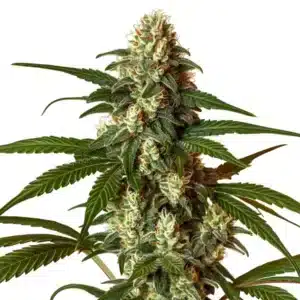
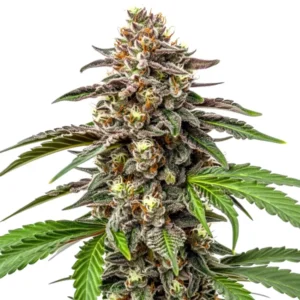
When growing cannabis outdoors in challenging areas, selecting the right strain is key. Strains like GG, Blue Dream, and OG Kush from Blimburn Seeds are known for their resilience and ability to thrive in less-than-ideal conditions.
These strains have been bred to withstand environmental stressors, making them a smart choice for growers facing harsh climates or unpredictable weather patterns.
Other recommended strains include Durban Poison and Northern Lights, which are celebrated for their adaptability and robustness in various climates. These strains provide growers with reliable options for successful cultivation, even in the most challenging U.S. areas for outdoor cannabis growth.
By choosing strains with proven track records in similar environments, growers can increase their chances of a successful harvest and produce high-quality cannabis despite challenging conditions.