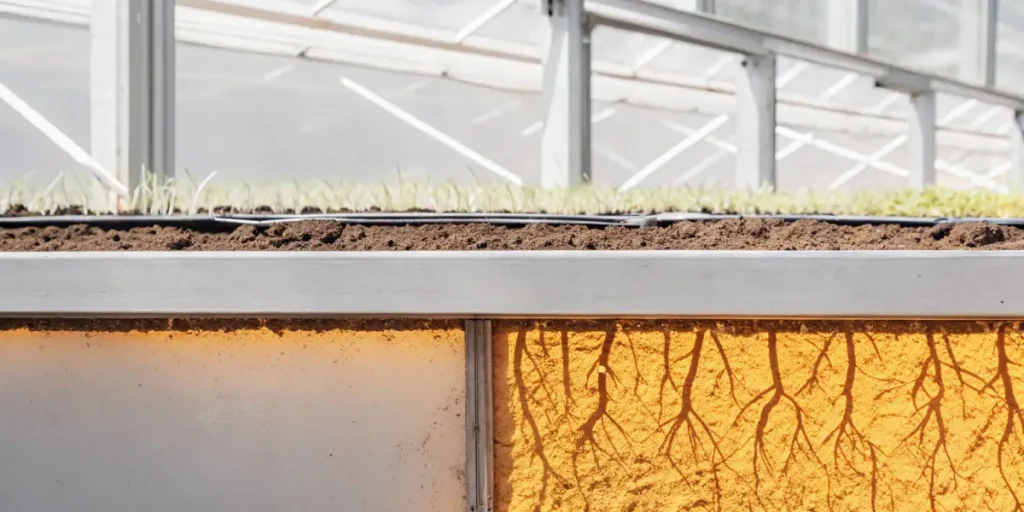
Allelopathic Risks in Living Soil vs Synthetic Substrates

Growing cannabis can be both a fulfilling and challenging journey. One of the key decisions every grower faces is choosing between living soil and synthetic substrates. This choice can affect your grow in numerous ways, especially when considering allelopathic risks in living soil vs synthetic substrates. Knowing these differences helps growers prevent negative plant interactions, maintain healthy root zones, and achieve optimal cannabis growth. Let’s dive into these complexities and see how they might impact your cannabis cultivation.
Whether you’re nurturing your first Amnesia Haze Auto seeds or experimenting with GG4 Auto, knowing how different soils can influence cannabis health is crucial. The term “allelopathy” might sound complex but it’s essentially how plants can affect each other through chemical interactions. In cannabis growing, these interactions can be either beneficial or detrimental, depending on your substrate choice.
Recommended Strains
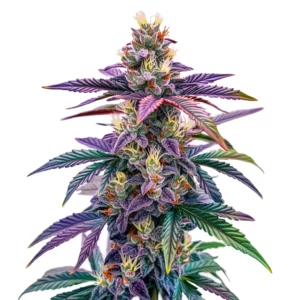
Blue Dream Autoflower

|
THC | 10% - 13% (Low) |

|
Type | Autoflowering |

|
Yield | Medium |

|
Phenotype | 30% Indica / 70% Sativa |

GG4 Autoflower
|
|
THC | 18% - 24% (Medium) |
|
|
Type | Autoflowering |
|
|
Yield | High |
|
|
Phenotype | 40% Indica / 60% Sativa |
As you introduce strains like Blue Dream Auto into your garden, knowing how allelopathic effects differ between living soil and synthetic options can help you make informed decisions. This knowledge can maximize yields and ensure healthy plant growth.
Knowing Living Soil
Living soil is rich in organic matter, teeming with microorganisms that create a natural ecosystem for your cannabis plants. This environment mimics the plant’s natural habitat and can enhance flavors and potency.
Benefits of Living Soil
Living soil provides a self-sustaining environment. It’s full of beneficial bacteria and fungi which help break down organic matter to supply nutrients directly to your plants. This can lead to better terpene profiles, enhancing both aroma and flavor.
- Improved soil structure and aeration
- Enhanced microbial activity
- Natural pest and disease resistance
Allelopathic Effects in Organic Soil
In a living soil environment, allelopathic effects can vary greatly. The interactions between different plant species can either support or hinder cannabis growth. Some plants release chemicals that can suppress weed growth, which might be beneficial or harmful depending on your goals.
On one hand, these natural interactions can suppress certain pests. However, they can also lead to nutrient competition, where your cannabis plants may struggle to get the necessary nutrients. This is a crucial factor when you’re cultivating high-demand strains like Mimosa XXL Auto.
Promos & Deals

The Synthetic Substrate Option
Synthetic substrates, unlike living soil, are man-made and typically involve a mix of minerals and other non-organic materials. They’re designed to provide consistent results with precise control over nutrients and water uptake.
Advantages of Synthetic Substrates
One primary advantage of using synthetic substrates is the level of control they offer. You can tailor the nutrient regimen exactly to your cannabis plant’s needs without worrying about the unpredictability of natural soil interactions.
- Consistent results with each grow cycle
- Minimal risk of pests and diseases
- Precise control over water and nutrient delivery
Allelopathic Risks in Synthetic Substrates
Synthetic substrates generally have lower allelopathic risks compared to living soil. Since they are inert, there are fewer natural chemicals at play which can influence plant growth. This can be ideal for growers who want to avoid potential negative interactions.
However, the lack of a living ecosystem means synthetic substrates require more attention to detail with nutrient management, especially for nutrient-heavy strains like Wedding Cake Auto. This can lead to increased labor and monitoring.
Choosing the Right Option for Your Grow
Deciding between living soil and synthetic substrates depends largely on your priorities and the specific strains you wish to grow. Both options offer unique advantages and challenges.
Considerations for Strain Selection
When growing strains like Lemon Cherry Gelato or Z OG Auto, consider how each substrate might influence their growth. Living soil might bring out richer flavors, while synthetic substrates could offer better control over growth conditions.
For first-time growers, starting with a forgiving strain like Northern Lights in either medium can be a good approach. As you gain experience, experimenting with different substrates will help refine your growing techniques.
FAQs about Allelopathic risks in living soil vs synthetic substrates
What is allelopathy and how does it affect cannabis growing?
Allelopathy refers to the chemical interactions between plants that can influence growth and development. These interactions occur when one plant releases chemicals into the soil that affect surrounding plants. In cannabis cultivation, this can lead to either beneficial or harmful effects depending on the plant species involved.
Knowing allelopathy is crucial for growers, especially when using living soil. It can help predict potential issues and optimize plant health. For instance, certain companion plants can naturally deter pests, while others might compete for the same nutrients your cannabis plants need. Adjusting planting strategies accordingly can lead to healthier crops.
Are there strains that perform better in living soil vs synthetic substrates?
Yes, some strains naturally thrive in living soil due to their genetic makeup and nutrient needs. Strains such as Gorilla Sherbet often benefit from the rich organic matter and microbial life found in living soils. These conditions can enhance their growth characteristics and flavor profiles.
Conversely, strains like Zombie Death Fuck may perform well in synthetic substrates where nutrient and water control can be finely tuned. The choice ultimately depends on your cultivation goals and the specific growing conditions you can provide.
How can I mitigate allelopathic risks in my grow room?
To mitigate allelopathic risks, consider using companion planting strategies that favor beneficial interactions. Research which plants might provide complementary benefits to your cannabis crops. Additionally, regular monitoring of plant health and soil conditions can help identify and address potential allelopathic issues early.
In synthetic setups, focus on maintaining consistent nutrient levels and pH to avoid stress on your plants. Use high-quality, sterile substrates to reduce the risk of introducing unwanted chemicals or organisms that could negatively impact your grow.
Is it possible to switch from synthetic substrates to living soil mid-grow?
Switching from synthetic substrates to living soil mid-grow is challenging and not generally recommended. Cannabis plants adapt to their initial growing medium, and a sudden change can cause significant stress, potentially affecting yield and potency.
If a switch is necessary, it should be done gradually. Start by introducing small amounts of living soil components to the existing substrate, allowing plants to adjust slowly. Monitor plant responses closely and be prepared to address any signs of stress or nutrient deficiencies promptly.
What are the cost implications of using living soil compared to synthetic substrates?
Initially, living soil can be more expensive due to the organic materials and amendments needed to establish it. However, over time, it can become more cost-effective as it requires fewer additional inputs. The natural nutrient cycle and pest resistance can reduce the need for fertilizers and pesticides, saving money in the long run.
On the other hand, synthetic substrates might have lower upfront costs but often demand more frequent purchases of nutrients and other supplements. The ongoing need for precise nutrient management can also increase costs related to monitoring equipment and time investment.