Allelochemicals in Cannabis and Their Effects

Cannabis plants, like many others, have evolved complex chemical interactions to thrive in their environment. One fascinating aspect of this is allelochemicals, which are chemicals produced by plants that influence the growth, survival, and reproduction of other organisms. Knowing allelochemicals in cannabis and their effects helps growers recognize how these natural compounds impact nearby plants, soil health, and overall crop balance, ultimately supporting healthier and more productive cannabis cultivation.
Allelochemicals serve a variety of functions in cannabis. They can act as natural herbicides, deter pests, and even influence the growth of neighboring plants. For growers, this means knowing these chemicals can help optimize garden layouts and improve plant health. As cannabis cultivation becomes more sophisticated, the study of these allelochemicals becomes ever more relevant.
Recommended Strains

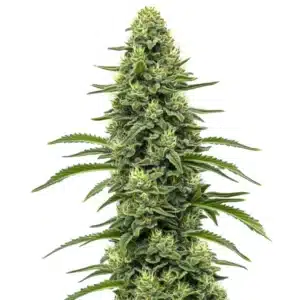
GG4

|
THC | 27% (High) |

|
Type | Feminized |

|
Yield | High |

|
Phenotype | 40% Indica / 60% Sativa |
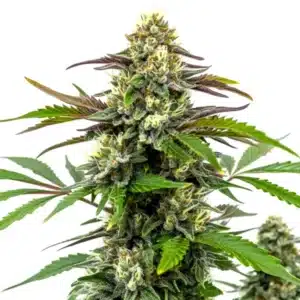
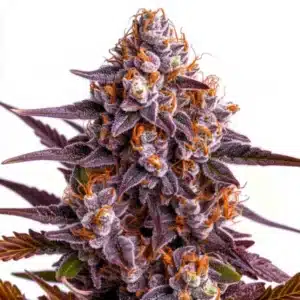
Bubble Gum Sherb
|
|
THC | 30% - 32% (High) |
|
|
Type | Feminized |
|
|
Yield | High |
|
|
Phenotype | 70% Indica / 30% Sativa |
From the spicy aromas of Ricky Bobby to the potent punch of GG4, each cannabis strain has its unique allelochemical profile. These profiles not only contribute to the plant’s aroma and flavor but also its interaction with its environment. Let’s dive deeper into how these chemicals work and how they can be harnessed to improve your cannabis cultivation practices.
What Are Allelochemicals?
Allelochemicals are natural compounds released by plants that affect the growth and development of surrounding plant life. In cannabis, these chemicals can play a crucial role in plant competition and survival. Knowing allelochemicals in cannabis and their effects helps growers recognize how these compounds influence neighboring vegetation, soil health, and overall ecosystem balance. But what exactly are these mysterious chemicals?
The Basics of Allelochemicals
Allelochemicals come in various forms, including terpenes, flavonoids, and alkaloids. These compounds can be released into the environment through root exudation, leaching from leaves, or volatilization into the air. Each type of allelochemical has its specific mechanism of action.
Terpenes, for example, are responsible for the strong scents associated with cannabis. They can deter pests and inhibit the growth of competing plant species. Flavonoids, on the other hand, often protect against UV radiation and can have antioxidant properties.
Types and Their Effects
The effects of allelochemicals can vary greatly depending on the type and concentration. Some common effects include:
- Inhibiting seed germination of competing plants.
- Deterring herbivores and pests.
- Attracting beneficial insects for pollination.
In the context of cannabis, allelochemicals can promote a healthier growing environment by reducing competition and pest damage. However, they can also have negative effects if not managed properly, such as inhibiting the growth of companion plants.
Promos & Deals
Allelochemicals in Different Cannabis Strains
Not all cannabis strains produce the same allelochemicals or in the same quantities. Some strains are more effective at using these chemicals to their advantage, which can be a crucial factor in cultivation success.
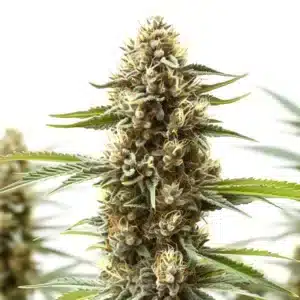
GG4
GG4 is known for its resinous buds and strong aroma. The high terpene content not only enhances its smell but also acts as a natural deterrent to pests. Growers love this strain for its ability to thrive in various environments.
The allelochemicals in GG4 can inhibit the growth of weeds, making it an excellent choice for outdoor cultivation where plant competition is a concern.
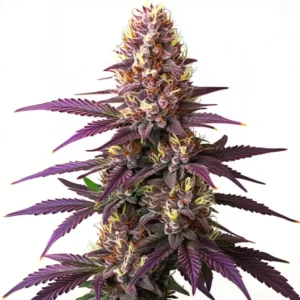
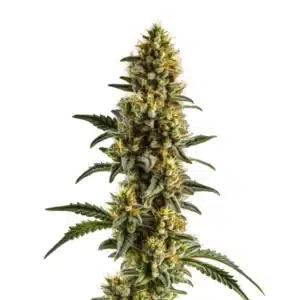
Ricky Bobby
Ricky Bobby is another strain that stands out due to its unique chemical profile. This strain’s allelochemicals contribute to its robust growth and high resistance to common pests.
For growers looking to maximize yield, Ricky Bobby’s allelochemicals can help by reducing the need for chemical pesticides and promoting a more organic growth process.
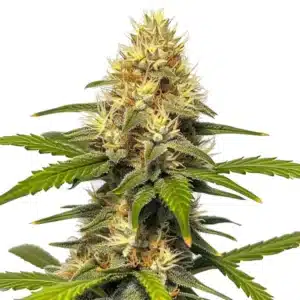
Bubble Gum Sherb
Bubble Gum Sherb combines sweet flavors with an impressive allelochemical profile. This strain is particularly adept at attracting beneficial pollinators, thanks to its unique terpene blend.
Gardeners favor Bubble Gum Sherb for its ability to create a more balanced ecosystem in the grow room, reducing the need for artificial interventions.
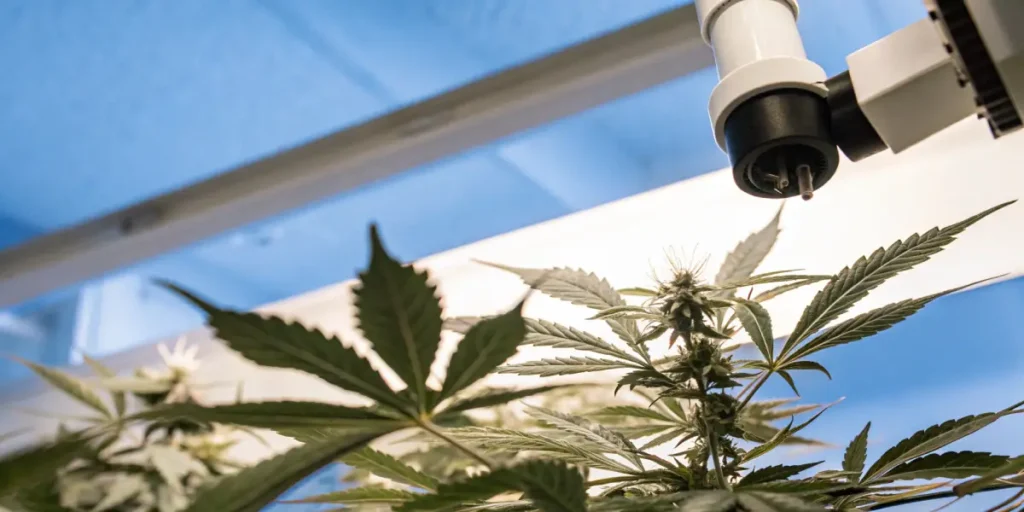
Cultivating Cannabis with Allelochemicals in Mind
Knowing and leveraging allelochemicals can enhance your cannabis growing strategy. By choosing strains with desirable allelochemical traits, you can improve plant health, reduce pest issues, and ultimately boost yields.
Optimizing Growth Conditions
Creating the right conditions for allelochemicals to thrive involves controlled environments. Manage humidity, temperature, and light exposure to enhance the production of beneficial chemicals.
Using companion planting techniques can also enhance the effects of allelochemicals. Certain plants can further repel pests or enhance the growth of cannabis by releasing complementary chemicals into the soil.
Natural Pest Management
One of the most significant benefits of allelochemicals is their role in natural pest management. By selecting strains with high allelochemical activity, growers can reduce reliance on chemical pesticides.
Creating a diverse plant ecosystem with multiple strains can lead to a self-sustaining environment where the plants naturally protect each other, reducing the need for external interventions.
Cannabis Allelochemicals Effects Study
Research into cannabis allelochemicals and their effects is ongoing. Studies focus on identifying specific compounds and their roles in plant interactions. This research is invaluable for breeders looking to develop new strains with optimized allelochemical profiles.
Significance of Ongoing Research
As research progresses, we gain deeper insights into how cannabis allelochemicals affect plant growth and resilience. This knowledge helps breeders and growers develop strains with enhanced natural defenses and growth characteristics.
Innovations in breeding techniques could lead to new strains with targeted allelochemical profiles, offering growers more options for pest-resistant and high-yielding plants.
FAQs about Allelochemicals in cannabis and their effects
What are allelochemicals in cannabis?
Allelochemicals are natural compounds that cannabis plants release to influence the growth and behavior of surrounding organisms. These can include terpenes and flavonoids, which serve various functions like deterring pests and inhibiting the growth of competing plants.
Knowing these chemicals is crucial for growers, as they can use them to their advantage in creating a healthier growing environment. By selecting strains with specific allelochemical profiles, growers can improve their cultivation outcomes.
How do allelochemicals affect cannabis cultivation?
Allelochemicals can significantly impact cannabis cultivation by acting as natural herbicides and pest deterrents. They can reduce the need for chemical interventions, allowing for more organic growth practices.
By choosing strains rich in beneficial allelochemicals, growers can foster a more self-sustaining ecosystem in their grow rooms, ultimately leading to healthier plants and higher yields.
Which cannabis strains have strong allelochemical profiles?
Strains like GG4, Ricky Bobby, and Bubble Gum Sherb are known for their robust allelochemical profiles. These strains produce high levels of terpenes and other compounds that help deter pests and enhance plant growth.
Choosing these strains can be beneficial for growers looking to maximize their yields and reduce the reliance on chemicals for pest control and plant health.
Can allelochemicals replace chemical pesticides?
While allelochemicals can significantly reduce the need for chemical pesticides, they may not completely replace them. They offer a natural way to manage pests and enhance plant health, making them an excellent component of an integrated pest management strategy.
Growers should consider using allelochemical-rich strains along with other organic practices to create a balanced and sustainable growing environment.
Where can I find more information on cannabis allelochemicals?
Research on cannabis allelochemicals is ongoing, and new findings are regularly published in scientific journals. Following reputable cannabis cultivation blogs and resources can also provide updates on the latest studies and practical advice.
Additionally, engaging with the grower community can offer insights and firsthand experiences with different strains and their allelochemical effects, helping you make informed decisions for your cultivation practices.