Is Weed Legal in Fiji? Laws and Impact

Fiji’s cannabis legal status: Cannabis is entirely illegal in Fiji under the Illicit Drugs Control Act 2004. The law prohibits its possession, cultivation, and use for both recreational and medical purposes. Violations can lead to severe penalties, including substantial fines and imprisonment. Despite global trends toward legalization, Fiji enforces strict regulations with no current plans for reform.
While Fiji’s tropical climate might seem ideal for cannabis cultivation, the nation’s laws tell a different story. The island enforces stringent cannabis regulations, with no legal framework for recreational or medical use. Interestingly, in 2022, Fiji permitted the cultivation of industrial hemp, provided the THC content remains below 1%. This move is strictly for industrial purposes.
Recommended Strains
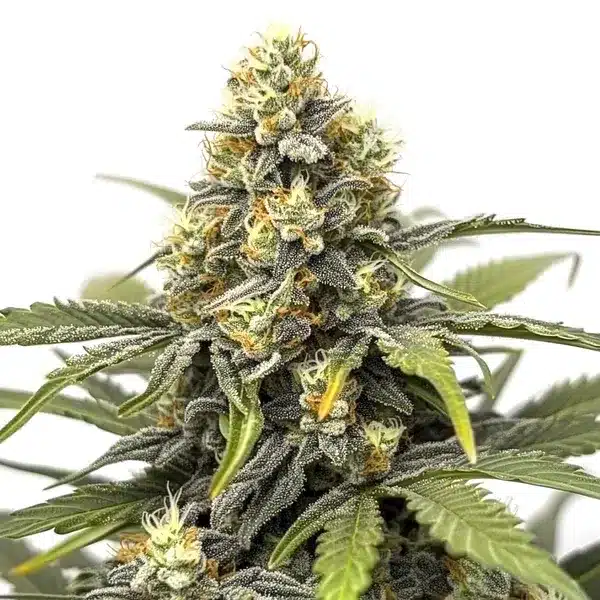
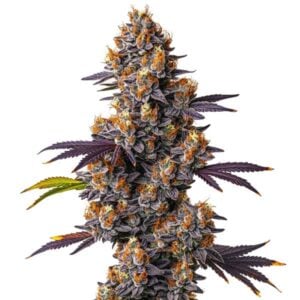
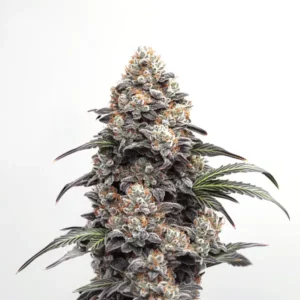
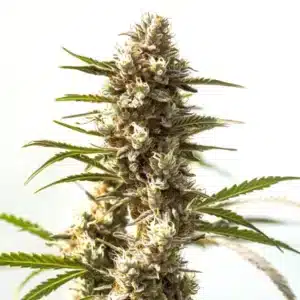
Amnesia

|
THC | 15% - 20% (Medium) |

|
Type | Feminized |

|
Yield | High |

|
Phenotype | 30% Indica / 70% Sativa |
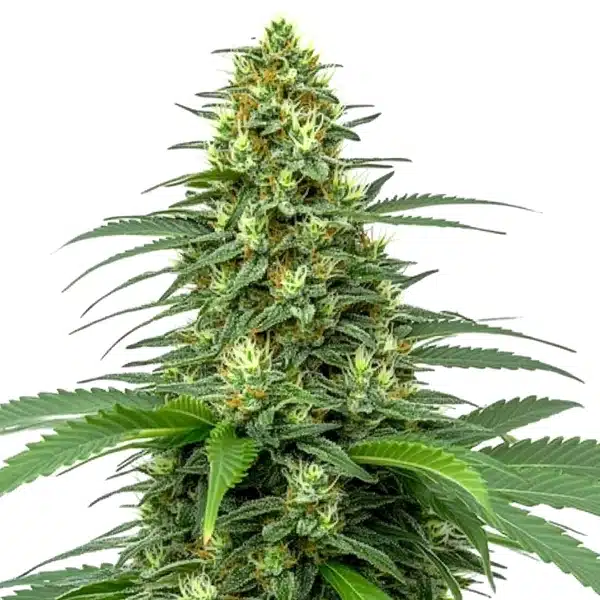
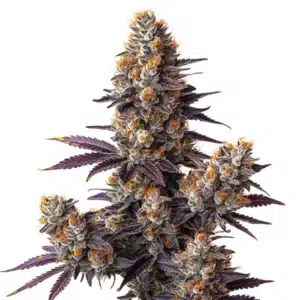
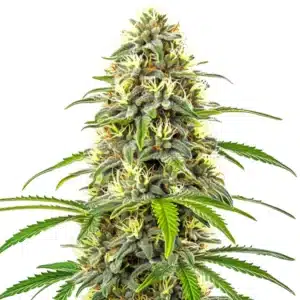
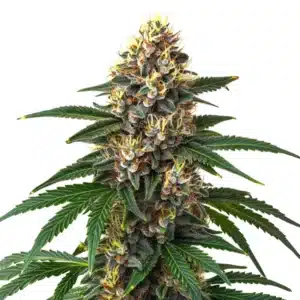
Amnesia Auto
|
|
THC | 10% - 19% (Medium) |
|
|
Type | Autoflowering |
|
|
Yield | High |
|
|
Phenotype | 30% Indica / 70% Sativa |
Current Cannabis Laws in Fiji
Legal Status and Definitions
Fiji’s cannabis laws are defined under the Illicit Drugs Control Act 2004, categorizing cannabis as a dangerous drug. This classification includes all parts of the cannabis plant, from seeds to extracts. The strict legal framework prohibits possession, cultivation, and distribution, with no distinction between recreational and medical use.
Offenders face severe penalties, with fines reaching thousands of dollars and imprisonment up to 14 years. The law’s broad definition means even minor possession can lead to significant legal consequences. Fiji’s zero-tolerance policy reflects its commitment to maintaining strict control over cannabis-related activities.
Penalties for Cannabis Offenses
In Fiji, cannabis offenses are met with harsh penalties. Possession of small quantities can result in fines of up to FJD 1,000 and imprisonment for up to 3 years. Larger quantities or involvement in trafficking can lead to life imprisonment. These penalties underscore the government’s stringent stance on cannabis.
Fiji’s law enforcement actively pursues cannabis offenses, conducting regular raids and surveillance. This proactive approach ensures strict adherence to the law, leaving little room for leniency. The severe penalties serve as a deterrent, reinforcing the importance of compliance with Fiji’s cannabis laws.
| Feature | Fiji | Jamaica | Canada |
|---|---|---|---|
| Legal Status | Illegal | Decriminalized | Legal |
| Possession Limit | 0 grams | 56 grams | 30 grams |
| Medical Use | Prohibited | Allowed | Allowed |
| Cultivation | Illegal | Allowed | Allowed |
| Penalties | Severe | Moderate | None |
Promos & Deals
Cultural and Historical Context
Traditional Views on Cannabis
Historically, cannabis has not played a significant role in Fijian culture. Indigenous practices focused on other natural remedies, with cannabis largely absent from traditional medicine. This historical context contributes to the current legal framework, which reflects a conservative stance on cannabis use.
Western influences during colonial times further shaped Fijian attitudes, often casting cannabis in a negative light. This perception persists today, with many viewing cannabis use as contrary to societal norms. The cultural backdrop plays a crucial role in understanding Fiji’s strict cannabis laws.
Influence of International Policies
Fiji’s cannabis laws are heavily influenced by international treaties aimed at combating drug trafficking. The country is a signatory to several conventions that shape its domestic policies, reinforcing strict control over cannabis use. These international commitments significantly impact Fiji’s legal stance.
Despite global trends toward legalization, Fiji remains cautious, fearing potential social issues from relaxed cannabis laws. The government’s approach balances international obligations with domestic concerns, maintaining a firm stance against cannabis legalization.
Economic and Social Implications
Impact on Local Communities and Tourism
Fiji’s strict cannabis laws impact local communities and the tourism sector. The unregulated cannabis market operates outside formal economic channels, depriving the government of potential tax revenue. This situation prompts discussions on the economic benefits of potential legalization.
Tourism, a significant contributor to Fiji’s economy, could benefit from more relaxed cannabis laws. Many tourists seek destinations with permissive cannabis policies, and Fiji’s strict regulations may deter potential visitors. The economic implications of cannabis legalization remain a topic of debate.
Potential for Economic Growth
Legalizing cannabis could unlock substantial economic opportunities for Fiji. A regulated market could generate significant tax revenue, create jobs, and boost tourism. These potential benefits present a compelling argument for reconsidering current cannabis laws.
However, the government remains cautious, weighing the potential economic gains against the risk of increased drug abuse. The debate continues, with many advocating for a balanced approach that considers both economic and social factors.
Environmental Considerations
The cultivation of cannabis, if legalized, could have environmental impacts in Fiji. The tropical climate is conducive to cannabis growth, potentially leading to increased agricultural activity. However, this must be balanced with sustainable practices to prevent deforestation and soil degradation.
Implementing environmentally friendly cultivation techniques, such as organic farming and water conservation, could mitigate negative impacts. By prioritizing sustainability, Fiji could harness the economic benefits of cannabis cultivation while preserving its natural resources.
Professional Tips for Navigating Fiji’s Cannabis Laws
- Understand that possession of any amount of cannabis is illegal in Fiji. Even minor possession can lead to fines of up to FJD 1,000.
- Be aware that cultivation of cannabis is prohibited. Engaging in cultivation can result in severe penalties, including life imprisonment.
- Note that Fiji’s cannabis laws are influenced by international treaties. These commitments reinforce the country’s strict legal stance.
- Consider the economic implications of cannabis legalization. A regulated market could generate significant tax revenue and create jobs.
- Recognize the cultural context of cannabis in Fiji. Traditional views and colonial influences contribute to the current legal framework.
- Stay informed about potential legal reforms. While discussions continue, substantial changes to Fiji’s cannabis laws remain unlikely in the near future.
FAQs About Cannabis in Fiji
Is Fiji 420 friendly?
Fiji is not 420 friendly. The country enforces strict cannabis laws under the Illicit Drugs Control Act 2004, prohibiting possession, cultivation, and use. Violations can result in severe penalties, including fines of up to FJD 1,000 and imprisonment. Despite global trends, Fiji maintains a conservative stance on cannabis.
What is weed called in Fiji?
In Fiji, cannabis is commonly referred to as “weed” or “marijuana,” similar to other English-speaking countries. However, due to its illegal status, these terms are typically used in underground contexts. The local language does not have a unique term for cannabis, reflecting its limited cultural presence.
What is the penalty for drugs in Fiji?
Penalties for drug offenses in Fiji are severe. Possession of cannabis can lead to fines up to FJD 1,000 and imprisonment for up to 3 years. Trafficking or cultivation offenses carry even harsher penalties, including life imprisonment. These strict measures reflect the government’s zero-tolerance policy.
In what country is weed 100% legal?
Canada is one of the countries where cannabis is 100% legal for both recreational and medical use. Since October 2018, adults over 18 can legally purchase and possess up to 30 grams of cannabis. Canada’s legal framework includes strict regulations to ensure safe consumption and distribution.
Can tourists use cannabis in Fiji?
Tourists in Fiji must adhere to the country’s strict cannabis laws. Possession, use, or distribution of cannabis is illegal, with severe penalties for violations. Tourists found with cannabis can face fines and imprisonment. It’s crucial for visitors to respect local laws to avoid legal issues.