International Meeting Discusses Adaptation of the Global Hemp Market to Japan’s New Rules

The global hemp industry stands at a crossroads. In 2025, Japan implemented a sweeping regulatory framework redefining what constitutes legal hemp for cultivation, import, and processing. For international producers, including the United States and Europe, the changes are far from trivial: new THC thresholds, residue limits, and compliance standards are now shaping access to a potentially lucrative Asian market. These shifts are already influencing the Global Hemp Market to Japan’s evolving regulatory landscape, reshaping how global suppliers prepare to meet the country’s strict new requirements.
To address the challenges, Tokyo hosted an international meeting bringing together policymakers, producers, industry associations, and regulators from around the world. The goal: align global hemp practices with Japan’s new rules and ensure smooth market integration. The event underscored the complexity of harmonizing a traditionally fragmented market with a nation known for rigorous regulatory oversight.
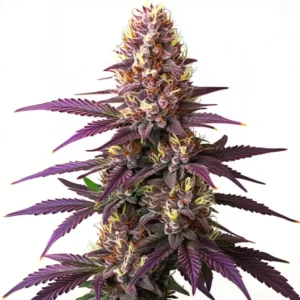
Recommended Strains
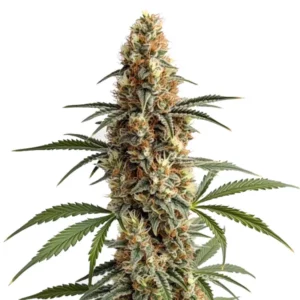
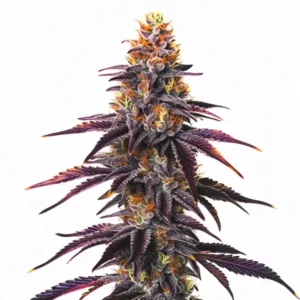
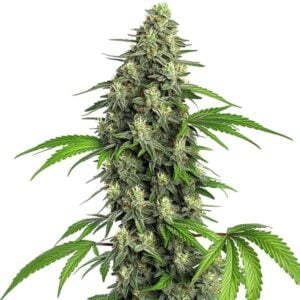
Mamba Negra

|
THC | 18% (Medium) |

|
Type | Feminized |

|
Yield | High |

|
Phenotype | 55% Indica / 45% Sativa |
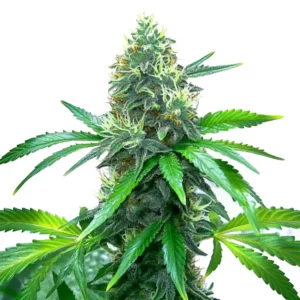
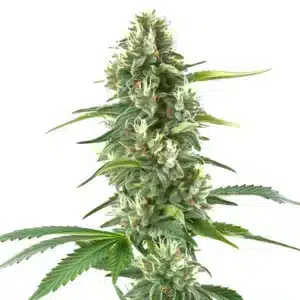
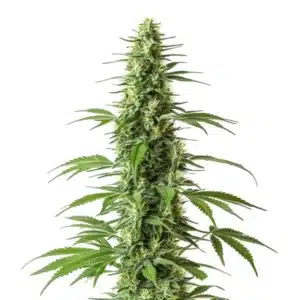
OG Kush
|
|
THC | 20% - 24% (Medium) |
|
|
Type | Feminized |
|
|
Yield | Medium |
|
|
Phenotype | 55% Indica / 45% Sativa |
Overview, Japan’s Regulatory Turning Point for Hemp
Japan’s new legislation represents a significant shift from its historically conservative stance on cannabis. While the nation has long permitted industrial hemp for fiber, food, and limited non-psychoactive uses, the 2025 amendments formalize precise standards for THC content, pesticide residues, and licensing procedures. This regulatory evolution also positions the country within the broader Global Hemp Market to Japan’s emerging role, signaling tighter alignment with international hemp standards and expanding opportunities for compliant producers.
What Changed
The new rules include:
- Maximum permissible THC content below international hemp norms.
- Strict residue monitoring for pesticides and heavy metals.
- Formalized import licensing for all hemp derived products.
- Clear differentiation between fiber, food, and extract markets.
Industry insiders describe 2025 as “Year One” for a fully regulated Japanese hemp market, where compliance, traceability, and certification will determine success.
From Taboo to Opportunity
Historically, hemp in Japan faced cultural and legal stigma. Now, with formal rules in place, Japan signals readiness to integrate industrial hemp into modern agriculture, food, wellness, and consumer products. For global stakeholders, this transition represents both risk and opportunity.
The Global Meeting in Tokyo
The international forum convened leaders from the US, EU, China, Thailand, and Australia, alongside Japanese regulators and industry associations. Sessions focused on regulatory compliance, supply chain adaptation, and product standardization.
Key Themes Discussed
- Regulatory compliance across jurisdictions.
- Export and import pathways aligned with Japanese law.
- Product standardization and quality assurance.
- Opportunities for innovation in fiber, food, and nutraceuticals.
The forum’s central aim was to create a roadmap for global hemp producers to enter Japan safely and legally while maintaining profitability and compliance.
Promos & Deals
Japan’s New Regulatory Landscape
Knowing Japan’s framework is critical for global producers. The key elements include:
THC and Cannabinoid Limits
Japanese law sets far stricter THC and cannabinoid thresholds than Western norms, with trace allowances meticulously defined. Even non intoxicating cannabinoids require documentation proving compliance.
Licensing and Compliance Requirements
All hemp cultivation, importation, and processing require a license. Documentation includes detailed supply chain records, lab testing, and approval from Japanese authorities prior to entry.
Product Categories Allowed
The rules differentiate between:
- Fiber and textiles — traditional industrial applications.
- Food and nutraceuticals — hemp seeds, oils, and processed foods.
- CBD and derivatives — only within strict THC and residue limits.
Products outside these categories, or exceeding allowable thresholds, face immediate rejection.
Global Market Implications
Japan’s regulatory overhaul has significant consequences for international markets, especially for the US and Europe.
Export Opportunities
Japan represents a fresh market with strong consumer demand for quality hemp products. Early adopters with compliant products may secure premium pricing and establish brand recognition before competitors.
Compliance and Certification Challenges
Exporters must adjust operations to meet Japan’s rigorous standards, including:
- Reducing THC and cannabinoid levels to legal limits.
- Implementing laboratory testing protocols.
- Ensuring full traceability from cultivation to final product.
These requirements pose barriers, particularly for smaller producers.
Harmonization of Global Standards
Industry discussions emphasized aligning global hemp standards with Japan’s regulatory framework, potentially creating a new international benchmark for product quality, traceability, and safety.

Business Sectors Likely to Grow
The Japanese market is expected to favor specific sectors:
Hemp Fiber and Industrial Applications
Textiles, construction materials, bioplastics, and sustainable goods present immediate growth potential, particularly for established producers capable of exporting large volumes.
Hemp Derived Wellness Products
Low-THC oils, supplements, and functional foods can thrive under Japan’s rules, provided producers meet stringent compliance and labeling requirements.
Cross Border Research and Collaboration
Innovation in cultivation techniques, extraction, and product development is expected to expand as companies establish international partnerships, enabling technology and knowledge transfer.
Challenges for Global Hemp Exporters
Despite the opportunities, obstacles remain.
Strict THC Limits
Products acceptable in the US or EU may exceed Japanese THC thresholds, necessitating reformulation or re testing.
Bureaucracy and Licensing
Navigating Japan’s licensing process can be resource-intensive, requiring legal counsel, translation services, and regulatory expertise.
Supply Chain Adaptation
Exporters must ensure cold-chain logistics, testing, and documentation comply with Japanese import procedures, demanding higher operational investment.
Strategic Implications for the US Hemp Industry
For US producers, Japan represents both risk and opportunity:
- Market diversification reduces dependence on saturated domestic markets.
- Premium pricing is achievable for high-quality, compliant products.
- US-Japan partnerships enable technology exchange and long-term market positioning.
Early adaptation is critical; lagging companies risk losing access to a rapidly formalizing market.
Future Scenarios for the Global Hemp Market
Industry experts envision several potential outcomes:
- Harmonized Global Standards — widespread adoption of Japanese-style compliance, facilitating international trade.
- Market Bifurcation — compliant, licensed producers dominate legal trade, while informal or non-compliant actors operate in gray markets.
- Regional Hub Development — Japan may become the primary Asian hemp market, influencing neighboring countries’ policies and creating regional supply chains.