Essential Nutrient Guides for Medical Cannabis Growers: Expert Tips

Medical cannabis growers, whether starting out or experienced, need precise nutrient management tips for cannabis cultivation. The success of your medical cannabis plants hinges on delivering the right nutrients at the right time. A balanced diet ensures your plants grow healthy and potent, tailoring their therapeutic benefits. For even more detailed support, comprehensive nutrient guides for medical cannabis growers can help you fine-tune each feeding stage and maximize plant health and cannabinoid production.
Nutrient guides for medical cannabis growers emphasize knowing the specific needs of your plants. Each strain might require slightly different nutrient levels. For instance, Blimburn Seeds offers strains like Sour Diesel, Bruce Banner #3, and Girl Scout Cookies, each with unique nutrient demands.
Recommended Strains
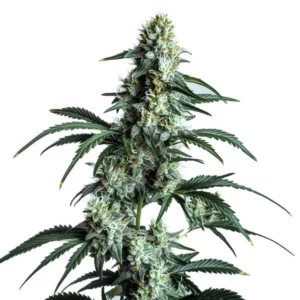
Sour Diesel

|
THC | 22% - 25% (Medium) |

|
Type | Feminized |

|
Yield | High |

|
Phenotype | 30% Indica / 70% Sativa |

Girl Scout Cookies
|
|
THC | 18% - 25% (Medium) |
|
|
Type | Feminized |
|
|
Yield | High |
|
|
Phenotype | 60% Indica / 40% Sativa |
Implementing the best nutrient practices for medical marijuana growers involves monitoring plant responses and adjusting feeding schedules. This can significantly impact the quality and yield of your harvest, crucial for medical applications. Let’s delve into how you can optimize cannabis plant nutrients for medical use effectively.
Knowing Nutrient Needs
Medical cannabis plants require a mix of macronutrients and micronutrients. Macronutrients such as nitrogen, phosphorus, and potassium are needed in larger quantities. They are the building blocks for growth, flowering, and root development.
Micronutrients like calcium, magnesium, and iron play supporting roles. Even though they’re required in smaller amounts, deficiencies can lead to major issues. For instance, a lack of calcium can cause stunted growth and weak stems. Ensuring a comprehensive nutrient guide for medical cannabis farming is crucial to avoid these pitfalls.
Besides to these essential nutrients, there are secondary nutrients like sulfur and trace elements like zinc and manganese, which also contribute to the plant’s overall health. Knowing the specific roles each nutrient plays can help growers make informed decisions about their nutrient management strategies. This depth of knowing not only helps in preventing nutrient deficiencies in medical cannabis plants but also in optimizing cannabis plant nutrients for medical use.
Moreover, each strain has its unique nutrient profile which might require customization of these nutrients. For example, Blimburn Seeds’ Girl Scout Cookies may need more magnesium during its growth phases, while Sour Diesel might thrive with higher nitrogen levels. By catering to the specific needs of each strain, you ensure that your plants can reach their full potential and deliver maximum therapeutic benefits.
Promos & Deals



Optimizing Nutrient Delivery
Proper nutrient delivery can transform your growing experience. Start with a balanced nutrient solution tailored to your plants’ life stages. Seedlings, vegetative plants, and flowering plants have different nutrient profiles.
Use tools like pH meters to monitor your soil or hydroponic solution. Maintaining a pH level between 6.0 and 7.0 ensures nutrients are available to your plants. This prevents nutrient deficiencies in medical cannabis plants and promotes robust growth.
To further refine nutrient delivery, consider using foliar feeding techniques, which involve spraying a nutrient solution directly onto the leaves. This method can provide a quick nutrient boost and is particularly useful in addressing immediate deficiencies. However, it should be used sparingly and with caution to avoid overfeeding and nutrient burn.
Additionally, customizing your feeding schedule based on environmental factors such as temperature and humidity can enhance nutrient uptake. High temperatures might increase the plant’s metabolic rate, necessitating more frequent feeding. By incorporating these nuanced techniques into your nutrient management tips for cannabis cultivation, you can significantly improve the health and yield of your plants.
Monitoring Plant Health
Observing your plants is key. Yellowing leaves, for instance, might indicate a nitrogen deficiency. Curling leaves could suggest a magnesium issue. Keeping a close eye helps you catch problems early, allowing for quick adjustments.
Real-life examples can help illustrate this. For instance, growers of the Bruce Banner strain from Blimburn Seeds have reported that consistent nitrogen feeding during the vegetative stage leads to vigorous growth. It’s these small adjustments that make a big difference.
Besides to visual cues, using technology like plant health sensors can offer real-time data on your plant’s nutrient status. These sensors can measure variables like chlorophyll content and soil moisture, providing a comprehensive overview of plant health. This data-driven approach is part of the best nutrient practices for medical marijuana growers, as it allows for precise interventions.
Moreover, maintaining a detailed log of plant health observations can help you identify patterns and make informed adjustments to your nutrient regimen. Documenting changes in leaf color, growth rate, and overall plant vigor can provide valuable insights over time, helping you refine your approach and optimize cannabis plant nutrients for medical use.

Choosing the Right Nutrients
Selecting the right nutrients involves knowing the specific needs of your cannabis strain. Blimburn Seeds’ Sour Diesel is a classic strain that thrives with high nitrogen levels during its vegetative stage. This boosts leaf production and overall plant health.
For flowering, phosphorus and potassium become more important. They support bud development and resin production. Ensuring your nutrient mix contains these during flowering can enhance the medicinal properties of your harvest.
When exploring nutrient options, consider trying different nutrient brands and formulations to see which works best for your specific strains. Some growers find that a combination of synthetic and organic nutrients offers the best results, providing the immediate benefits of synthetic nutrients along with the long-term soil health improvements of organic options.
Furthermore, the use of bio-stimulants, which are natural compounds or microorganisms, can enhance nutrient uptake and stress tolerance. These can be particularly beneficial in optimizing cannabis plant nutrients for medical use, as they promote overall plant health and resilience, leading to higher quality yields.
Common Nutrient Problems
Even with the best nutrient practices for medical marijuana growers, problems can arise. Overfeeding is a common issue, leading to nutrient burn, where leaf tips become brown and crispy. This can stress your plants and reduce yields.
Underfeeding is the opposite problem, leading to slow growth and pale leaves. It’s crucial to strike a balance by carefully following nutrient guides for medical cannabis growers. Adjust feeding schedules based on plant observations.
Nutrient lockout, often caused by pH imbalances, is another challenge that growers face. This condition can prevent plants from absorbing available nutrients, leading to deficiencies despite adequate feeding. Regular pH testing and adjustments are critical to prevent this issue and ensure a comprehensive nutrient guide for medical cannabis farming.
Additionally, environmental stressors like temperature fluctuations and excessive humidity can exacerbate nutrient problems. By maintaining optimal growing conditions and staying vigilant for signs of stress, you can minimize nutrient-related issues and ensure the health and productivity of your medical cannabis plants.
Maximizing Yield and Quality
The ultimate goal for medical cannabis growers is to maximize yield and quality. Following a comprehensive nutrient guide for medical cannabis farming can help achieve this. Tailor your nutrient plan to enhance cannabinoid and terpene profiles, critical for medical effectiveness.
For instance, growers of the Girl Scout Cookies strain often report that maintaining a steady phosphorus level during flowering boosts THC content. This enhances the strain’s therapeutic potential, offering relief for various conditions.
To further maximize yield and quality, consider implementing advanced cultivation techniques such as topping, low-stress training, and defoliation. These methods can help increase light penetration and airflow within the plant canopy, promoting more uniform nutrient distribution and enhancing overall plant health.
Moreover, post-harvest practices like proper drying and curing are crucial in preserving the quality of your medical cannabis. These steps help retain the terpene and cannabinoid content, ensuring that the therapeutic properties of your harvest are fully realized. By combining effective nutrient management with these cultivation techniques, you can achieve outstanding results.

FAQs about nutrient guides for medical cannabis growers
How do I know if my cannabis plants are nutrient deficient?
Nutrient deficiencies in medical cannabis plants manifest through visual cues. Yellowing leaves can indicate a nitrogen deficiency, while purple stems might signal a phosphorus shortage. Regular monitoring and adjusting your nutrient mix according to these signs can prevent long-term damage.
It’s also helpful to conduct regular soil tests. These can reveal which nutrients are lacking, allowing you to adjust your feeding schedule appropriately. Growers often rely on these tests to fine-tune their nutrient management tips for cannabis cultivation.
Besides to visual cues and soil tests, leaf tissue analysis can provide precise information about nutrient levels in your plants. This method involves sending leaf samples to a lab for analysis, offering detailed insights into any deficiencies or imbalances. By incorporating this advanced diagnostic tool into your nutrient management strategy, you can ensure that your plants receive exactly what they need.
Additionally, using digital tools and apps to track plant health can streamline the monitoring process. These technologies can help you keep a detailed record of nutrient applications and plant responses, making it easier to identify and address deficiencies promptly.
Can I use the same nutrients for all cannabis strains?
While some nutrient solutions are designed to be universal, each strain may have specific needs. For example, Blimburn Seeds’ Sour Diesel might require more nitrogen during its vegetative stage compared to other strains. Customizing your nutrient plan for each strain can enhance growth and potency.
Experiment with different formulations and observe how different strains respond. Over time, you’ll develop a sense of what works best for each type, optimizing cannabis plant nutrients for medical use.
It’s important to recognize that environmental factors, such as light intensity and temperature, can also influence a plant’s nutrient needs. A strain that thrives in one setup might require different nutrient adjustments in another. By knowing these interactions, you can further refine your nutrient management plan to suit your specific growing conditions.
Moreover, genetic variations within the same strain can lead to differences in nutrient requirements. Keeping detailed records of each plant’s performance can help you identify these nuances and make informed adjustments, ensuring consistent and high-quality yields across all your medical cannabis strains.
What is the best way to prevent nutrient burn?
Nutrient burn occurs from overfeeding, often visible as brown tips on leaves. To prevent this, start with a lower-than-recommended nutrient dose and gradually increase. Monitor your plants closely for signs of stress, and adjust feeding schedules accordingly.
It’s also wise to flush your plants with plain water occasionally. This removes excess salts and nutrients from the soil, preventing buildup that can lead to nutrient burn.
Besides to careful dosing and periodic flushing, using buffered nutrients can help prevent nutrient burn. Buffered nutrients are formulated to maintain stable pH levels, reducing the risk of overfeeding due to pH fluctuations. This approach is part of the best nutrient practices for medical marijuana growers, as it promotes consistent nutrient availability and uptake.
Furthermore, incorporating beneficial microbes into your growing medium can aid in nutrient absorption and prevent excessive nutrient accumulation. These microbes can help break down organic matter and enhance root health, leading to more efficient nutrient use and reducing the likelihood of nutrient burn.
How can I ensure a balanced nutrient profile for my plants?
Ensuring a balanced nutrient profile involves knowing the specific needs of your plants during different growth stages. Use nutrient guides for medical cannabis growers to tailor feeding schedules based on the plant’s life cycle, from seedling to flowering.
Regular pH testing is also crucial. A balanced pH level ensures that nutrients are available to your plants, preventing nutrient lockout and deficiencies.
Besides to pH testing, consider using a complete nutrient solution that includes both macro and microelements. This ensures that your plants receive all the essential nutrients they need for optimal growth. Adjusting the nutrient ratios based on specific growth stages can further enhance nutrient uptake and prevent imbalances.
Moreover, implementing a routine of scheduled nutrient adjustments based on plant observations and growth stages can help maintain a balanced nutrient profile. By staying proactive and attentive to your plants’ needs, you can optimize their health and productivity throughout the cultivation process.
Are organic nutrients better for medical cannabis?
Organic nutrients can be beneficial for medical cannabis growers. They often improve soil health, leading to healthier plants. Additionally, organic nutrients can enhance the flavor and aroma of the cannabis, important for many medical users.
However, organic nutrients might work slower than synthetic ones. It’s important to plan accordingly and be patient. Many growers find that the natural benefits outweigh the slower pace of nutrient absorption.
Using organic amendments like compost and worm castings can enrich the soil with beneficial microorganisms, promoting a healthy rhizosphere and improving nutrient availability. This holistic approach not only supports plant health but also contributes to a sustainable and eco-friendly cultivation practice.
Furthermore, some growers opt for a hybrid approach, combining organic and synthetic nutrients to achieve a balance between immediate nutrient availability and long-term soil health. By exploring different nutrient strategies and knowing their impact on plant growth, you can make informed decisions that align with your cultivation goals and values.