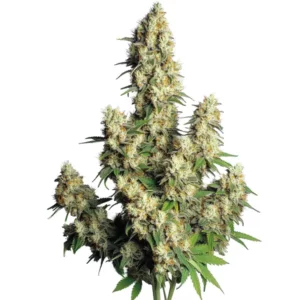
How To Grow South African

What’s up, fellow cultivator! Ready to grow a piece of cannabis history? We are talking about South African the pure, landrace sativa lineage that gave the world the legendary Durban Poison.
This is the plant you grow when you want an electric, high-energy buzz that sparks creativity and focus without a hint of “couch-lock.” It’s a favorite in our community for its extreme resilience, unique spicy-sweet licorice aroma, and its ability to thrive in warm, sun-drenched environments. I’m here to educate you and help you nurture this tall, energetic beauty from seed to an invigorating harvest. Let’s get to work!
Recommended Strains
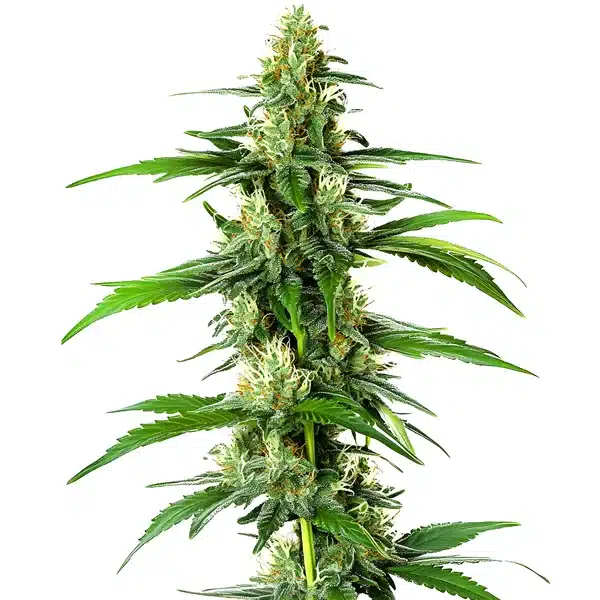
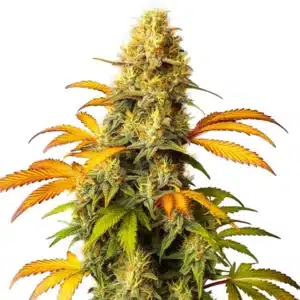
South African

|
THC | 18% - 20% (Medium) |

|
Type | Feminized |

|
Yield | High |

|
Phenotype | 10% Indica / 90% Sativa |

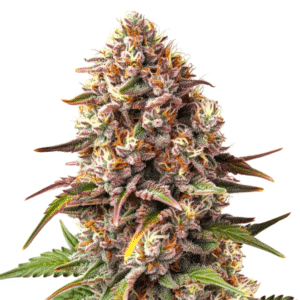
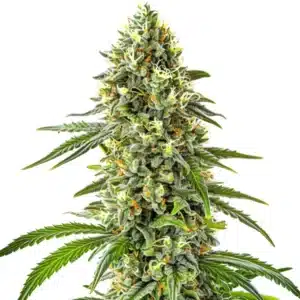
African x Princess 88
|
|
THC | 18% - 20% (Medium) |
|
|
Type | Feminized |
|
|
Yield | High |
|
|
Phenotype | 40% Indica / 60% Sativa |
From Seed to a High-Octane Harvest: The Step-by-Step
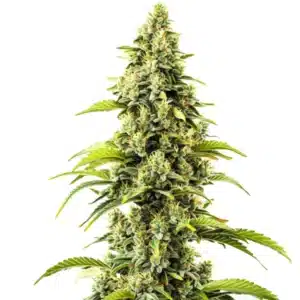
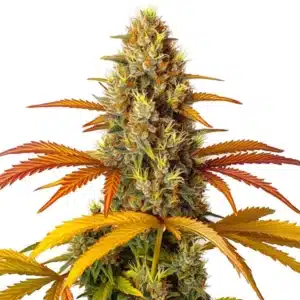
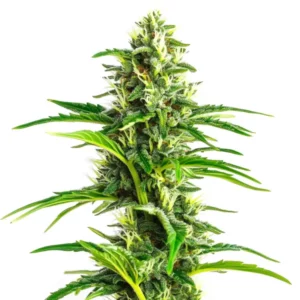
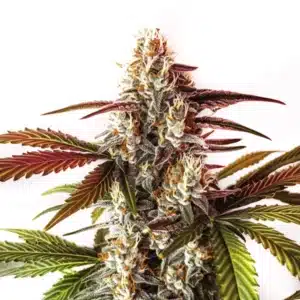
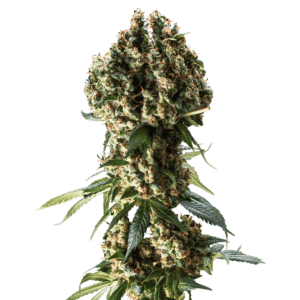
The South African landrace is a vigorous grower that rewards precision with dense, resinous colas that capture the essence of the African sun.
Germination: The Spark of Life
Quality starts with a successful sprout. Use the paper towel method for a high success rate with these stable genetics.
- Soak: Drop seeds in room-temperature water for 12–24 hours until they sink.
- The Sandwich: Place them between damp paper towels in a warm (70–85°F), dark spot.
- The Pop: Within 2–5 days, you’ll see the white taproot. Handle it with extreme care when moving it to your well-draining soil!
The Vegetative Stage: Building the Frame
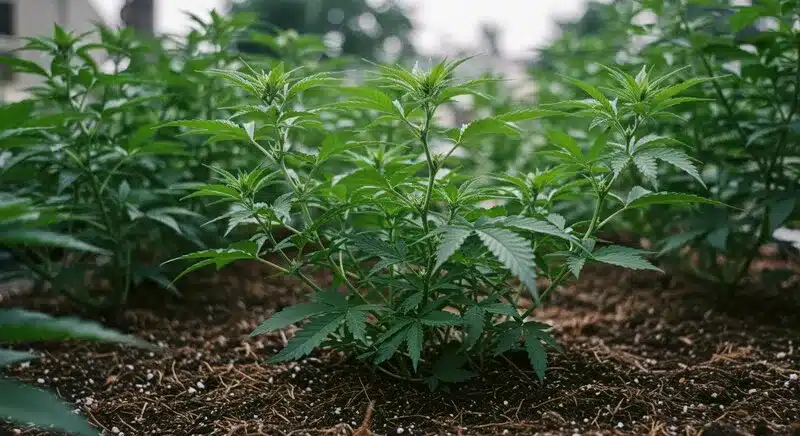
During veg, this sativa focuses on rapid vertical growth. It loves to stretch, so be prepared to manage its height!
- Lighting: Keep your lights on an 18/6 cycle. Full-spectrum LEDs are ideal to mimic the intensity of the African sun while keeping heat manageable.
- Feeding: This strain is a heavy feeder. It loves Nitrogen (N) during this phase to support its lanky structure and slender leaves.
- Training: This plant responds incredibly well to Topping and Low-Stress Training (LST). Because it can soar past 8 feet, topping the main stem early is essential to encourage bushier growth and keep it manageable.
The Flowering Stage: The Aromatic Reward
Switch to a 12/12 light cycle to trigger the magic. This phase typically lasts 8–10 weeks relatively fast for a pure sativa!
- The Stretch: Expect the plant to double or even triple in size during the first few weeks of bloom.
- Aroma: A pungent symphony of sweet anise, earthy spice, and licorice will fill the air. Ensure your carbon filter is fresh!
- Nutrients: Switch to a “Bloom” formula high in Phosphorus (P) and Potassium (K) to fatten those crystal-coated buds.
- Humidity Check: Drop your humidity to 30–40% during the final weeks. The buds are dense; moisture is the enemy that brings mold!
Promos & Deals
Indoor vs. Outdoor: Choosing Your Arena
Growing Indoors
Indoor setups allow you to control the environment for peak resin production and manageable height.
- Height: Can be kept between 3 to 5 feet with aggressive training.
- Yield: A rewarding 400–500 grams per square meter.
- Environment: Maintain a stable 70–85°F range. Use oscillating fans to strengthen stems and keep air moving through the canopy.
Growing Outdoors
Under the sun, South African landrace can express its full genetic potential and massive stature.
- Height: Can soar over 8 feet (2.5 meters).
- Yield: Very substantial, often reaching 500 grams per plant.
Best U.S. Cities:
- San Diego, CA: The Mediterranean climate and consistent sun are perfect for its long finish.
- Phoenix, AZ: Thrives in the heat and dry air, which naturally prevents mold issues.
- Miami, FL: Excellent for its long growing season, but you must be vigilant about airflow to manage the humidity.
Pro-Level Playbook: Cloning and Sustainability
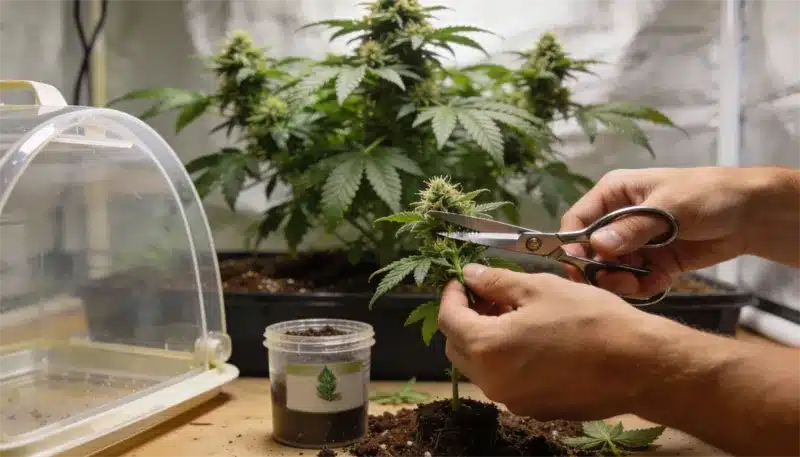
Cloning: Replicate the Vigor
Found a phenotype with that perfect “licorice-fuel” smell? Clone it!
- Select: Take a 6-inch cutting from a healthy vegetative branch.
- Cut: Make a 45-degree angle cut just above a node.
- Dip: Use a high-quality rooting hormone.
- Protect: Place in a humidity dome (75–80% RH). Roots usually show in 10–14 days.
What to Do With Your Trim?
A sustainable grower wastes nothing! Even the stems and fan leaves are gold.
Use your sugar leaves and trimmings for Ethanol Extraction or CO2 Extraction. The unique terpene profile makes for incredible-tasting tinctures. You can also compost the stalks or use them for Hemp-based bio-composites.
The Grand Finale: Harvest, Dry & Cure
Don’t rush the finish line! Use a loupe to check the trichomes. When they are mostly milky white with a splash of amber, it’s time.
- The Chop: Cut the plant at the base and remove large fan leaves.
- The Slow Dry: Hang branches upside down in a dark, cool room (60–70°F) for 7–14 days. Stems should “snap” rather than bend.
- The Cure: Place buds in glass jars. “Burp” them daily for the first two weeks. A 6-week cure will transform the flavor from “grassy” into a smooth, legendary sensory experience.
Frequently Asked Questions
Is South African good for beginners?
It is moderately difficult. Its massive height and heavy feeding habits require some basic experience with plant training and nutrient management.
What are the effects really like?
It’s a “Daytime Powerhouse.” Expect an immediate, clear-headed cerebral uplift and a creative euphoria that motivates you.
Does it really smell like licorice?
Yes! One of the most distinct traits of this landrace is its sweet anise and spicy licorice terpene profile.
How do I prevent mold?
Keep your humidity low (under 40%) during late flowering and maintain strong airflow with oscillating fans, especially if your canopy is dense.
How much space does it need?
Give each plant about 1 square meter. It loves to stretch its lateral branches when trained properly!