How To Grow Somango Auto

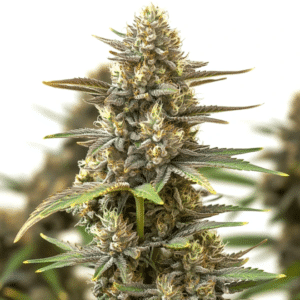
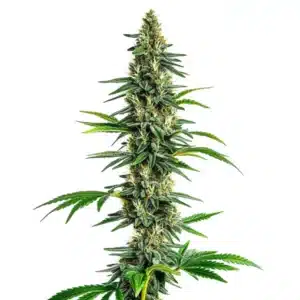
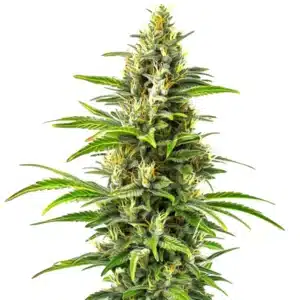
Ready to grow a strain that feels like a tropical vacation in a jar without the long wait? We are talking about Somango Auto, the high-speed, autoflowering version of the legendary “Beast.” This Indica-dominant powerhouse brings together the tropical spark of Jack Herer, the pungency of Super Skunk, and the exotic vibes of Big Skunk Korean, all wrapped in a hardy Ruderalis package.
This is the plant you grow when you want massive, resin-caked buds and a mouthwatering mango aroma in a record-breaking 9 to 10 weeks. It’s a favorite in our community for its “set-it-and-forget-it” lighting needs and its incredible resilience. I’m here to educate you and help you nurture this fruity legend from seed to a frosty, tropical harvest. Let’s get to work!
Recommended Strains
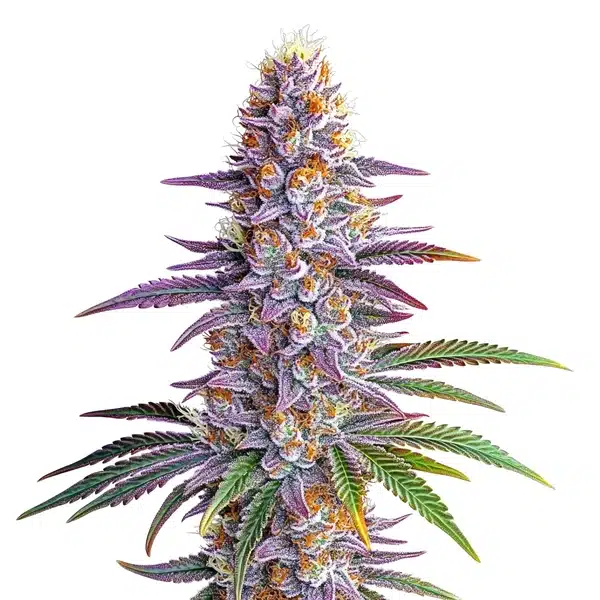
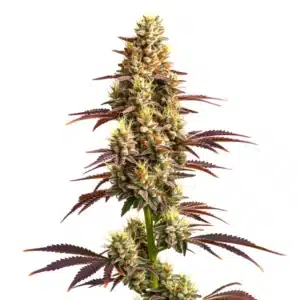
Somango Auto

|
THC | 12% - 14% (Low) |

|
Type | Autoflowering |

|
Yield | Medium |

|
Phenotype | 75% Indica / 25% Sativa |

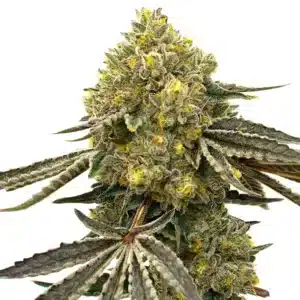
Somango
|
|
THC | 16% - 21% (Medium) |
|
|
Type | Feminized |
|
|
Yield | Medium |
|
|
Phenotype | 75% Indica / 25% Sativa |
From Seed to a Fast, Resinous Harvest: The Step-by-Step
Somango Auto is built for speed. Because its biological clock starts the moment it sprouts, every day is critical for maximizing your final yield.
Germination: The Power Start
Quality starts with a successful sprout. Use the paper towel method for a high success rate with these stable genetics.
- Soak: Drop seeds in distilled water for 12–24 hours until they sink to soften the shell.
- The Sandwich: Place them between damp paper towels in a warm (70–75°F), dark spot.
- The Pop: Within 24–72 hours, the white taproot will emerge.
Seed Hero Tip: Plant your germinated seed directly into its final 3-to-5 gallon pot. Autoflowers hate transplanting; the shock can stunt their growth during their short vegetative window!
The Vegetative Stage: Building the Frame
Since Somango Auto only veges for about 2 to 3 weeks, you must ensure it has everything it needs to build a sturdy chassis.
- Lighting: Keep your lights on an 18/6 or 20/4 cycle for its entire life. Full-spectrum LEDs are ideal to promote tight internodal spacing and thick stems.
- Feeding: Start with a light dose of Nitrogen (N). Use 1/4 strength nutrients early on to avoid “nutrient burn,” as autos are more sensitive than photoperiods.
- Training: Stick to Low-Stress Training (LST). Gently bend the main stem to the side to allow light into the center. Avoid “topping,” as the plant won’t have time to recover before it starts blooming!
The Flowering Stage: The Aromatic Bloom
Around week 4 or 5, the plant will automatically start showing white “hairs” (pistils), signaling the bloom has begun.
- Nutrients: Switch to a “Bloom” formula high in Phosphorus (P) and Potassium (K).
- Aroma: That signature tropical mango and earthy musk will begin to intensify. Ensure your carbon filter is running!
- Humidity Check: Drop your humidity to 40% during the final weeks. Somango buds are dense and resinous; moisture is the enemy that brings mold!
Promos & Deals

Indoor vs. Outdoor: Choosing Your Arena
Growing Indoors
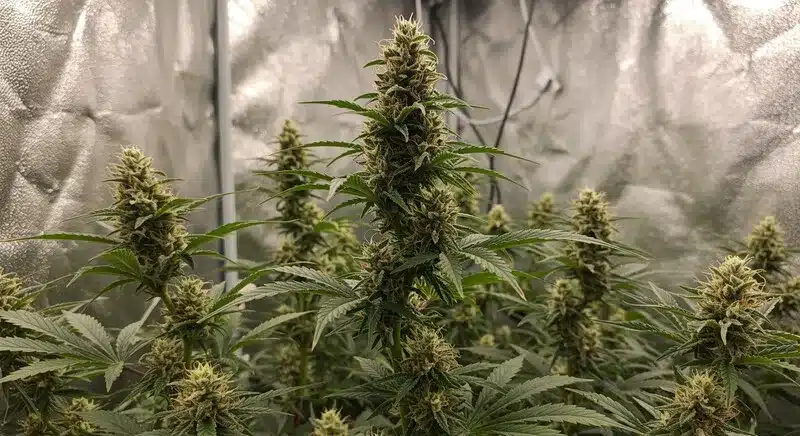
Indoor setups allow you to dial in the perfect “Tropical” climate for peak resin.
- Height: Very manageable, usually staying under 100 cm (3.2 feet).
- Yield: A rewarding 350–450 grams per square meter.
- Environment: Maintain a stable 70–80°F range. Use oscillating fans to prevent stagnant air pockets and strengthen the branches.
Growing Outdoors
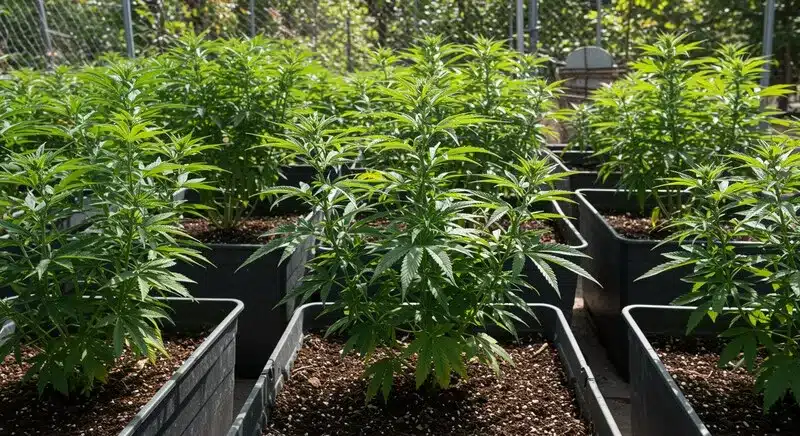
Under the natural sun, Somango Auto’s resilience and speed truly shine.
- Sunlight: Needs at least 6–8 hours of direct sun.
- Harvest Window: Its speed allows for multiple harvests in a single summer season!
Best U.S. Cities:
- San Diego, CA: The Mediterranean sun is perfect for high resin production.
- Denver, CO: High UV levels boost trichome density, and the dry air prevents bud rot.
- Charlotte, NC: The warm, long summers are ideal for finishing autos effectively.
Pro-Level Playbook: Sustainability and Extraction
What to Do With Your Trim?
A sustainable grower wastes nothing! Even the stems and fan leaves can be repurposed.
Use your sugar leaves and trimmings for Cold Ethanol Extraction or Steam Distillation. The tropical terpene profile makes for incredible-tasting tinctures and topicals. You can also compost the roots and stalks to return nutrients to your garden soil.
The Grand Finale: Harvest, Dry & Cure
Don’t rush the finish line! Use a magnifying glass to check the resin glands. When they are mostly milky white with a splash of amber, you’ve reached peak potency.
- The Chop: Cut the plant at the base and remove large fan leaves.
- The Slow Dry: Hang branches upside down in a dark, cool room (60–70°F) for 7–10 days. Stems should “snap” rather than bend.
- The Cure: Place buds in glass jars. “Burp” them daily for the first week. A 2-to-4 week cure will transform the flavor from “good” into a smooth, connoisseur-level experience.
Frequently Asked Questions
Is Somango Auto good for beginners?
Absolutely. Its independent flowering and resilience to pests make it one of the most user-friendly strains available.
How long does it take from seed to harvest?
On average, between 9 to 10 weeks.
Does it really smell like mango?
Yes! You’ll get a distinct tropical fruit bouquet that intensifies as the buds cure.
Can I clone an autoflower?
It is possible but very challenging. Clones share the biological age of the mother, so they will flower almost immediately. For the best results, always start from fresh seeds!
How much space does it need?
Not much! Because it stays compact, it’s the perfect choice for small tents, balconies, or discreet “closet grows.”