How to Grow Strain Cindy 99

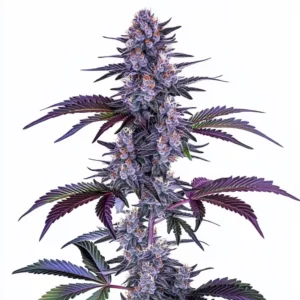
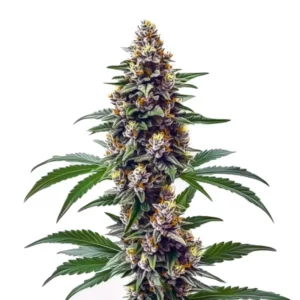
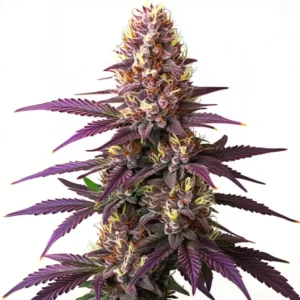
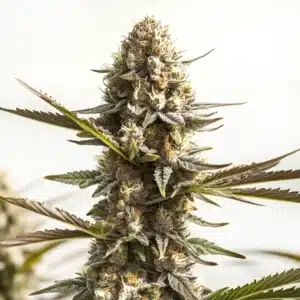
Notable Characteristics: Cindy 99, also known as Cindy 99 or C99, is a sativa-dominant cannabis strain cherished for its intense cerebral effects, rapid flowering period, and exotic fruit flavors. Developed by Mr. Soul of Brothers Grimm, this strain is highly prized for its dreamy, euphoric sensations, making it perfect for daytime consumption. Its genetics stem from a blend of Princess and Cinderella 88, ensuring a robust and rewarding growth experience.
Cindy 99 is a sativa-dominant strain celebrated for its vibrant terpene profile, featuring caryophyllene and linalool, which offer a spicy and floral aroma. Its flowering time ranges from 8 to 10 weeks, making it a favorite among growers seeking quick harvests. With a genetic lineage from Princess and Cinderella 88, Cindy 99 is renowned for its resilience and high yield potential.
Recommended Strains
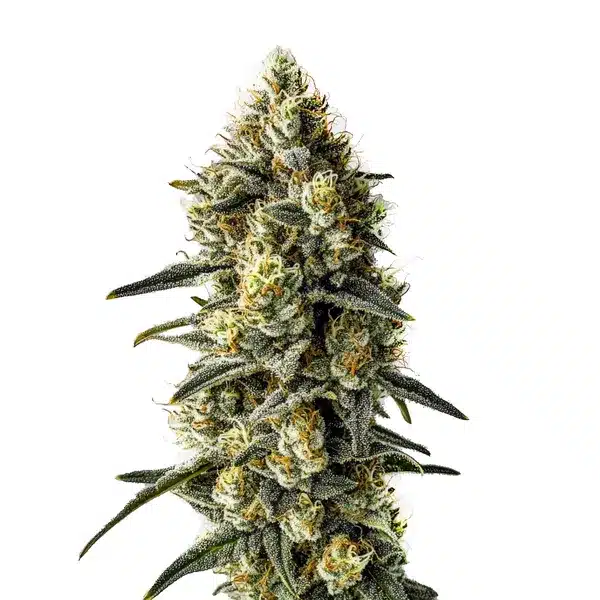
Cindy 99

|
THC | 20% - 22% (Medium) |

|
Type | Feminized |

|
Yield | High |

|
Phenotype | 30% Indica / 70% Sativa |
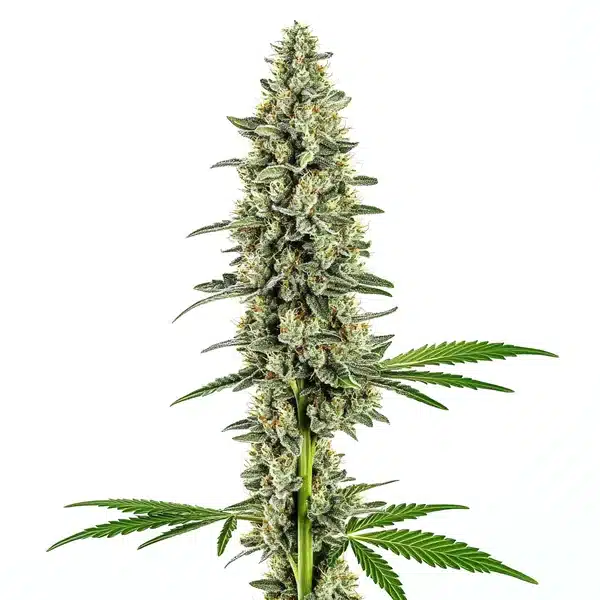
Cindy 99 Regular
|
|
THC | 20% - 22% (Medium) |
|
|
Type | Regular |
|
|
Yield | High |
|
|
Phenotype | 30% Indica / 70% Sativa |
Cindy 99 Strain Lineage and History
Cindy 99, often referred to as C99, boasts a rich lineage that traces back to the legendary Princess and Cinderella 88 strains. This genetic heritage contributes to its predominantly sativa profile, which is 80% sativa and 20% indica. The strain’s development by Mr. Soul of Brothers Grimm has cemented its status as a classic in the cannabis community.
Princess, one of Cindy 99’s parent strains, is known for its potent psychoactive effects and fruity aroma. Cinderella 88, the other parent, enhances these traits by adding a layer of complexity to the strain’s flavor and effects. This combination results in a strain that delivers both a powerful cerebral high and a delightful sensory experience.
The strain’s history is marked by its rapid rise to fame in the late 1990s, quickly becoming a favorite among growers and consumers alike. Its ability to produce high yields in a relatively short flowering period made it a staple in many cultivation setups.
Promos & Deals

Growing Cindy 99
When cultivating Cindy 99, understanding its growth requirements is essential for maximizing yield and potency. This strain thrives in environments where temperatures are maintained between 70°F and 80°F (21°C – 27°C) during the day. Nighttime temperatures should be slightly cooler to encourage robust bud development.
Humidity levels play a crucial role in Cindy 99’s growth. During the vegetative stage, maintain humidity between 60% and 70%. As the plant transitions to flowering, reduce humidity to 40%-50% to prevent mold and enhance resin production. These conditions ensure that Cindy 99 reaches its full potential in terms of both yield and quality.
Lighting is another critical factor. For indoor cultivation, use high-quality LED or HPS lights to provide 18-20 hours of light during the vegetative phase. Once flowering begins, switch to a 12/12 light cycle to stimulate bud formation. Outdoor growers should select a sunny location with well-draining soil enriched with organic matter.
For optimal growth, maintain soil pH around 6.5 to ensure efficient nutrient uptake. In hydroponic systems, keep pH levels between 5.5 and 6.5. This balance prevents nutrient lockout and supports healthy plant development.
| Feature | Cindy 99 | Mimosa | Blue Dream |
|---|---|---|---|
| THC Content | 20-22% | 22-25% | 17-24% |
| Dominant Terpene | Caryophyllene | Limonene | Myrcene |
| Flowering Time | 8-10 weeks | 9-10 weeks | 9-10 weeks |
| Yield | 1.5-1.8 oz/ft² (450-550 g/m²) | 1.6-2 oz/ft² (500-600 g/m²) | 1.5-2 oz/ft² (450-600 g/m²) |
| Height | Up to 9.84 ft (3 m) | Up to 8 ft (2.4 m) | Up to 6 ft (1.8 m) |
Effects and Benefits of Cindy 99
Medicinal Uses
Cindy 99 is highly regarded for its medicinal properties, offering relief from a variety of conditions. Its sativa-dominant nature makes it particularly effective in alleviating symptoms of depression and anxiety. The uplifting effects can enhance mood and increase energy levels, providing a sense of euphoria and motivation.
The strain’s terpene profile, rich in caryophyllene and linalool, contributes to its therapeutic potential. Caryophyllene, present at 0.4-0.7%, interacts with CB2 receptors to reduce inflammation, while linalool, at 0.5-0.8%, offers calming effects that can help with stress and anxiety. These terpenes work synergistically to enhance the strain’s overall medicinal benefits.
For those suffering from chronic pain, Cindy 99’s combination of myrcene and humulene provides additional relief. Myrcene, at 0.8-1.2%, enhances THC uptake, while humulene, at 0.3-0.5%, offers anti-inflammatory properties. This makes Cindy 99 a versatile option for medicinal users seeking both physical and mental relief.
Recreational Effects
Recreational users of Cindy 99 appreciate its potent cerebral effects, which are both uplifting and energizing. The strain’s high THC content, ranging from 20% to 22%, delivers a powerful head high that stimulates creativity and enhances social interactions. This makes it an ideal choice for daytime use or social gatherings.
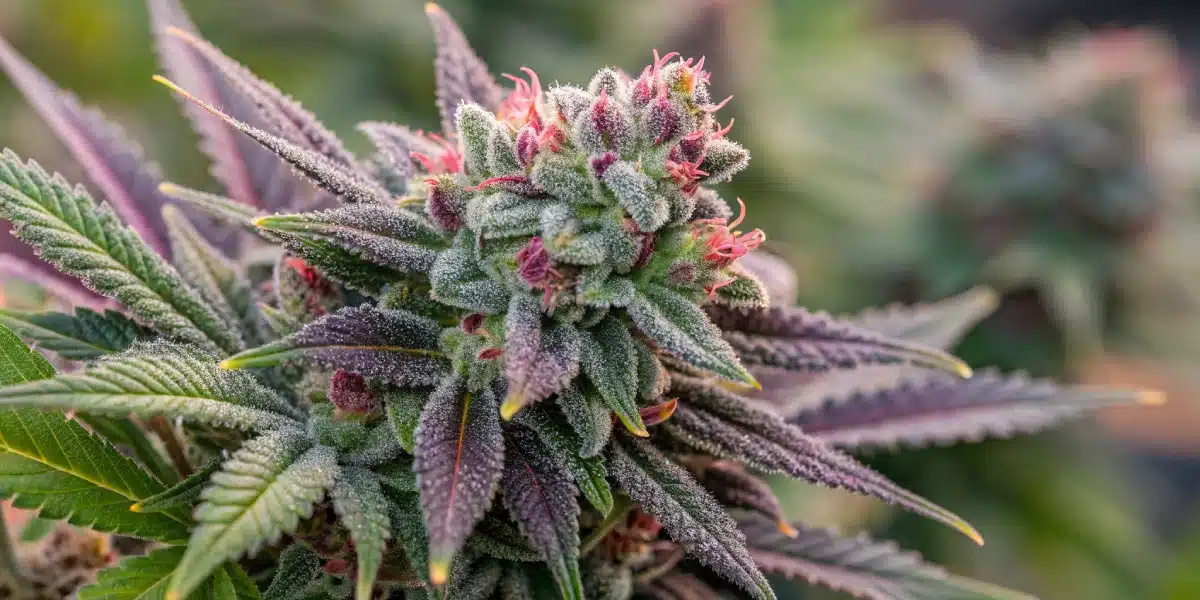
The strain’s fruity and sweet flavor profile adds to the overall experience, making it a favorite among those who enjoy flavorful cannabis. The presence of terpineol, at 0.2-0.4%, contributes to the strain’s pleasant aroma and offers mild sedative effects, balancing the energetic high with a touch of relaxation.
For those new to cannabis, Cindy 99’s effects can be intense, so it’s recommended to start with a small dose and gradually increase as tolerance builds. This approach ensures a positive experience without overwhelming the user.
Professional Tips for Growing Cindy 99
- Maintain 70°F-80°F (21°C-27°C) during the day. Cooler nights promote bud formation. Avoid temperatures above 85°F (29°C) to prevent stress.
- Keep humidity at 60%-70% during vegetative growth, reducing to 40%-50% in flowering. High humidity can lead to mold, while low humidity enhances resin production.
- Use high-quality LED or HPS lights for indoor growth. Provide 18-20 hours of light in veg and switch to 12/12 for flowering.
- Monitor soil pH between 6.0 and 6.5 for optimal nutrient absorption. Imbalances can lead to nutrient lockout and reduced yields.
- Apply low-stress training (LST) to create an even canopy. This maximizes light exposure and increases bud production.
- Start with feminized seeds from a reputable source like Blimburn Seeds to ensure a successful harvest.
FAQs about Cindy 99
Is Cinderella 99 a good strain?
Cinderella 99, or Cindy 99, is highly regarded for its potent effects and sweet, fruity flavor. With THC levels between 20% and 22%, it delivers an energetic and euphoric high. The strain’s sativa-dominant genetics make it ideal for daytime use, providing a boost in mood and creativity.
What gets you high the longest?
Strains with high THC content and a balanced terpene profile tend to provide prolonged effects. Cindy 99, with its 20%-22% THC and rich terpene composition, offers a long-lasting cerebral high. The presence of myrcene enhances THC absorption, prolonging the duration of the high.
What is Snoop Dogg’s favorite strain?
Snoop Dogg is known for his love of cannabis, particularly strains like Blue Dream and OG Kush. These strains are celebrated for their potent effects and unique flavor profiles. While Cindy 99 isn’t specifically mentioned, its uplifting effects and sweet aroma would likely appeal to enthusiasts like Snoop.
Where did Cinderella 99 come from?
Cinderella 99, or Cindy 99, was bred by Mr. Soul of Brothers Grimm. It is a cross between Princess and Cinderella 88, resulting in a sativa-dominant strain with potent effects and a sweet, fruity flavor. This lineage has made Cindy 99 a popular choice among growers and consumers alike.
Can I use Cindy 99 in edibles?
Cindy 99 can be used in edibles, offering a sweet and fruity flavor that enhances culinary creations. With THC levels of 20%-22%, it provides a potent effect. When making edibles, decarboxylate the cannabis first to activate THC, ensuring the desired psychoactive effects are achieved.