How To Grow Kush Mints Strain

Quick Summary: To grow Kush Mints strain successfully, provide a temperate climate (70-80°F) and 8-10 weeks of flowering time. This heavy-hitting hybrid, available at Blimburn Seeds, demands high-intensity light and precise NPK ratios to develop its signature minty, gasoline-scented, trichome-frosted buds.
Guide to Grow Kush Mints Strain
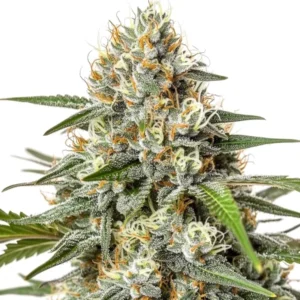
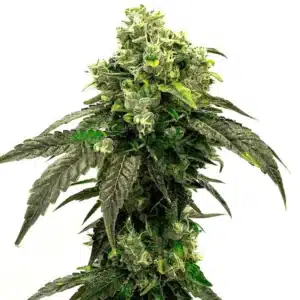
The Kush Mints strain is a modern masterpiece in the cannabis world. Born from the cross of Bubba Kush and Animal Mints, it represents the pinnacle of balanced hybrid breeding. This variety is famous for its “glass-like” coating of resin and a terpene profile that smells like fresh wintergreen mixed with high-octane fuel. Growing this plant requires a mix of patience and technical precision, but the reward is world-class flower quality.
Recommended Strains

Kush Mints

|
THC | 25% - 27% (High) |

|
Type | Feminized |

|
Yield | High |

|
Phenotype | 50% Indica / 50% Sativa |
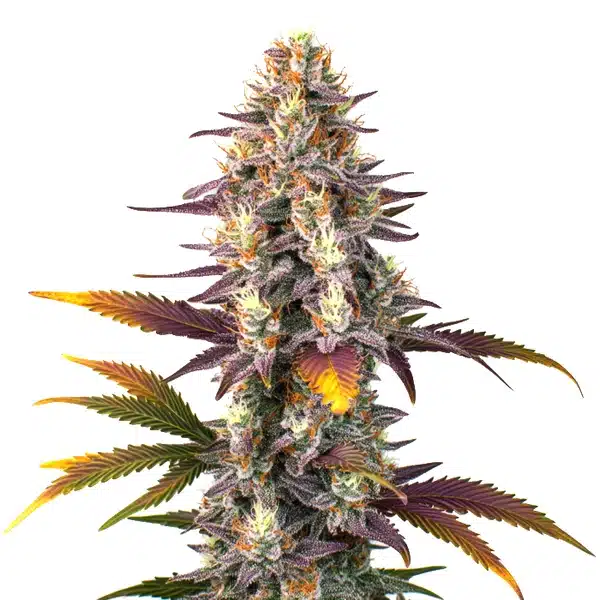
Kush Mints Regular
|
|
THC | 25% - 27% (High) |
|
|
Type | Regular |
|
|
Yield | High |
|
|
Phenotype | 50% Indica / 50% Sativa |
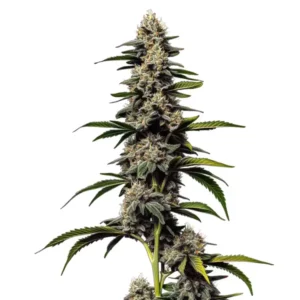
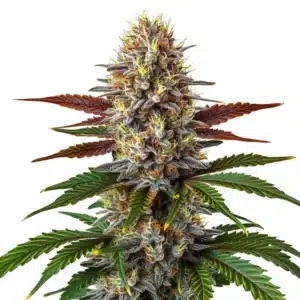
When you start with Kush Mints seeds, you are dealing with a plant that shows strong Indica-dominant morphology. It grows stout and bushy with thick stems designed to support its massive, heavy flower clusters. Biologically, the plant focuses heavily on secondary metabolite production, meaning it pumps out cannabinoids like THC and terpenes like Limonene and Linalool at higher rates than average hybrids. This high metabolic demand means you must stay ahead of its nutritional needs from day one.
Promos & Deals
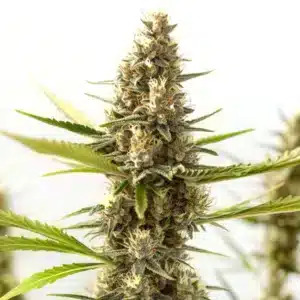
Kush Mints Strain Grow Info: The Technical Foundation
Understanding the Kush Mints strain grow info starts with light and air. For indoor setups, this strain responds best to high-efficiency LED systems that provide a full spectrum of light. During the vegetative stage, the goal is to build a robust “skeleton.” Using a light cycle of 18/6 or 20/4 ensures the plant has enough energy to build thick cell walls. Because this strain is dense, airflow is your best friend. Stagnant air leads to moisture buildup inside the buds, which is a recipe for botrytis (bud rot).
In terms of chemical needs, Kush Mints seeds require a specific NPK (Nitrogen, Phosphorus, Potassium) strategy. During vegetation, aim for a 3-1-2 ratio to support leaf development. As you transition to the Kush Mints flowering time, flip the ratio to a 1-3-2 or 0-5-4. The increased Phosphorus is essential for the ATP energy transfer required to build those dense, minty colas. Always maintain a root zone pH of 6.0 to 6.5 in soil to prevent nutrient lockout, which can happen quickly with this high-performance variety.
Technical Comparison: Kush Mints vs. Top Hybrids
| Feature | Kush Mints | White Widow | Power Plant |
|---|---|---|---|
| Genetics | Balanced Hybrid | Hybrid | Sativa-Dominant |
| Flowering Time | 8 – 10 Weeks | 8 – 10 Weeks | 8 – 10 Weeks |
| Primary Terpenes | Caryophyllene, Myrcene | Caryophyllene, Guaiol | Alpha-Pinene, Linalool, Valencene |
| Feeding Demand | High (Heavy Feeder) | Moderate | Low to Moderate |
| Yield Potential | High | High | High |
| Aroma Profile | Mint, Pine | Earthy, Pine, Pungent | Earthy, Sweet |
Managing the Kush Mints Plant: Pest and Care Protocol
To produce a Kush Mints plant that looks like it belongs on a magazine cover, you must implement a strict Integrated Pest Management (IPM) system. Because this strain produces such dense foliage, it is a favorite hiding spot for spider mites and thrips. We recommend using organic neem oil or predatory mites like Phytoseiulus persimilis during the vegetative stage. Never spray anything on the buds during the kush mints flowering time, as the high resin content will trap the residues, ruining the flavor.
The care protocol for this strain also includes heavy “defoliation.” Around week three of flowering, you should remove the large fan leaves that are shading lower bud sites. This increases the PAR (Photosynthetically Active Radiation) reaching the middle of the plant. This process, known as “Schwazzing” by some experts, forces the plant to direct its energy into flower production rather than leaf maintenance. This is the secret to getting those huge, top-to-bottom colas that Kush Mints weed strain is famous for.
Professional Tips for Elite Growth
- Silica Supplementation: Use potassium silicate to strengthen cell walls. This helps the branches hold up the heavy minty buds without snapping.
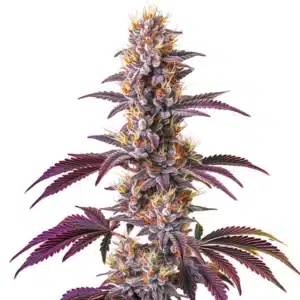
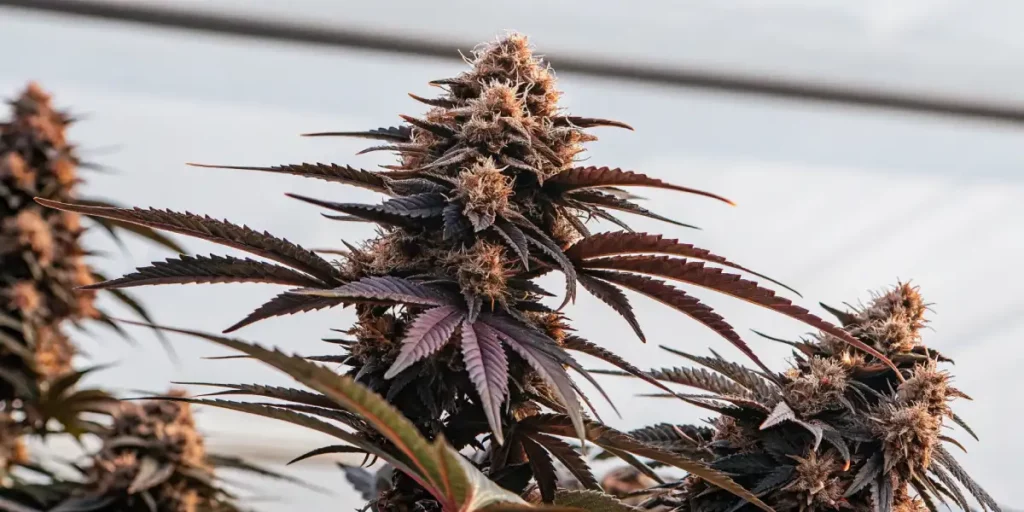
- Cold Finishing: During the last two weeks of flowering, drop your night temperatures to 60°F (15°C). This triggers the production of anthocyanins, giving your Kush Mints deep purple and blue streaks.
- Brix Monitoring: Use a refractometer to check the sugar levels (Brix) in the leaves. Higher sugar levels mean a more resilient plant and better terpene production.
- Slow Cure: This strain has complex volatiles. Cure for at least 4 weeks in 58-62% humidity to let the “gas” smell truly develop alongside the mint.
Is Kush Mints indica or sativa?
Kush Mints is an Indica-dominant hybrid. While it contains Sativa genetics from its Animal Mints lineage, the growth structure and heavy “body-lock” effects are classic Indica. It provides a deeply relaxing physical sensation coupled with a soaring euphoric head high. This makes it a perfect choice for late-evening use or for those looking to manage physical discomfort while staying mentally creative.
What is the typical Kush Mints flowering time?
The standard Kush Mints flowering time is between 8 and 10 weeks. If you are growing in a hydroponic system with high CO2 levels, you might see maturity closer to 56 days. However, soil growers usually prefer to wait the full 70 days to allow the trichome heads to turn a perfect amber color, ensuring the most potent effects and maximum flavor development.
Can I grow Kush Mints seeds outdoors?
Yes, but you need a sunny, dry climate. Kush Mints seeds thrive in Mediterranean-style environments with low humidity during the late summer. Because the buds are so dense, they are susceptible to mold if it rains close to harvest time. If you live in a damp climate, a greenhouse with high-powered exhaust fans is highly recommended to protect your kush mints plant.
What makes the Kush Mints weed strain unique?
What sets this strain apart is the “Entourage Effect” created by its specific terpene blend. The combination of high THC with high levels of Limonene and Caryophyllene creates a smoke that is both physically numbing and mentally stimulating. It doesn’t just get you high; it provides a multi-layered sensory experience that very few other strains can replicate.