How to Grow Island Sweet Skunk Strain Fast Version

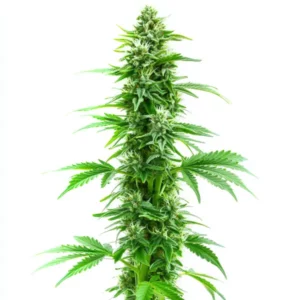
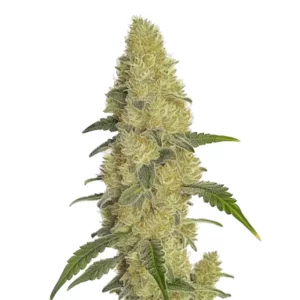
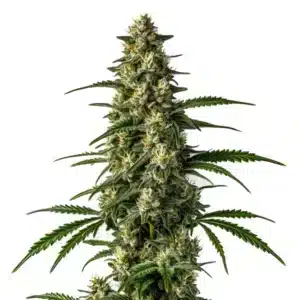
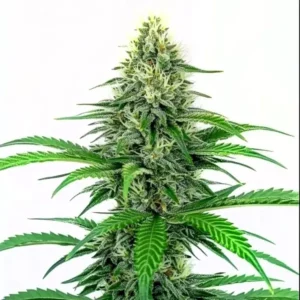
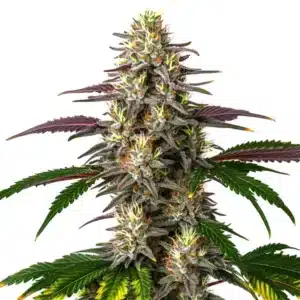
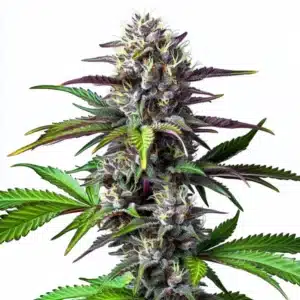
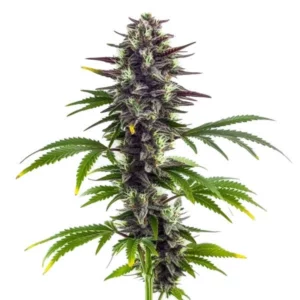
Island Sweet Skunk Strain: Island Sweet Skunk is a sativa-dominant hybrid cherished for its uplifting effects and tropical flavors. It boasts THC levels between 18-23%, providing a potent experience for users. With a flowering time of 6-8 weeks, this strain can yield up to 600 grams per plant outdoors, making it a favorite among cultivators and consumers alike.
Island Sweet Skunk is renowned for its vibrant terpene profile, featuring myrcene, pinene, and caryophyllene, which contribute to its sweet, tropical aroma. This strain typically flowers in 7-8 weeks, producing bright green buds with a generous coating of trichomes. Cultivators appreciate its adaptability to various growing environments, making it a versatile choice for both indoor and outdoor setups.
Recommended Strains

Sweet Island Skunk Fast Version

|
THC | 18% - 23% (Medium) |

|
Type | Feminized |

|
Yield | High |

|
Phenotype | 60% Indica / 40% Sativa |
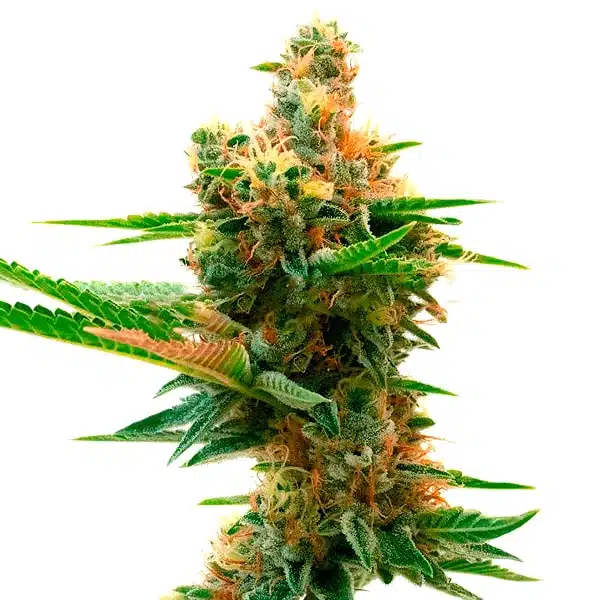
Island Sweet Skunk
|
|
THC | 18% - 23% (Medium) |
|
|
Type | Feminized |
|
|
Yield | High |
|
|
Phenotype | 25% Indica / 75% Sativa |
Overview of Island Sweet Skunk Strain
Strain Genetics and Lineage
Island Sweet Skunk is a sativa-dominant hybrid, a descendant of Skunk #1 and a Canadian sativa. This genetic lineage imparts its characteristic sweet and skunky aroma, which is a hallmark of its parent strains. The hybridization process enhances its vigor and resilience, making it suitable for various growing conditions.
With THC levels ranging from 18-23%, Island Sweet Skunk delivers a potent experience. Its terpene profile, dominated by myrcene (0.8-1.2%), pinene (0.3-0.5%), and caryophyllene (0.4-0.7%), contributes to its unique aroma and flavor. These terpenes enhance the strain’s effects, with myrcene promoting relaxation and pinene providing a refreshing pine scent.
Island Sweet Skunk Strain Effects
Island Sweet Skunk offers an uplifting and euphoric high, ideal for daytime use. The sativa dominance ensures a cerebral experience, promoting creativity and sociability. Users report feeling energized and focused, making it suitable for social gatherings or creative endeavors.
The strain’s effects are complemented by its terpene profile, with myrcene enhancing THC uptake, pinene improving alertness, and caryophyllene providing anti-inflammatory benefits. This combination makes Island Sweet Skunk a versatile choice for both recreational and medicinal users seeking relief from stress and anxiety.
Promos & Deals

Cultivation Techniques for Island Sweet Skunk
Indoor vs. Outdoor Growing
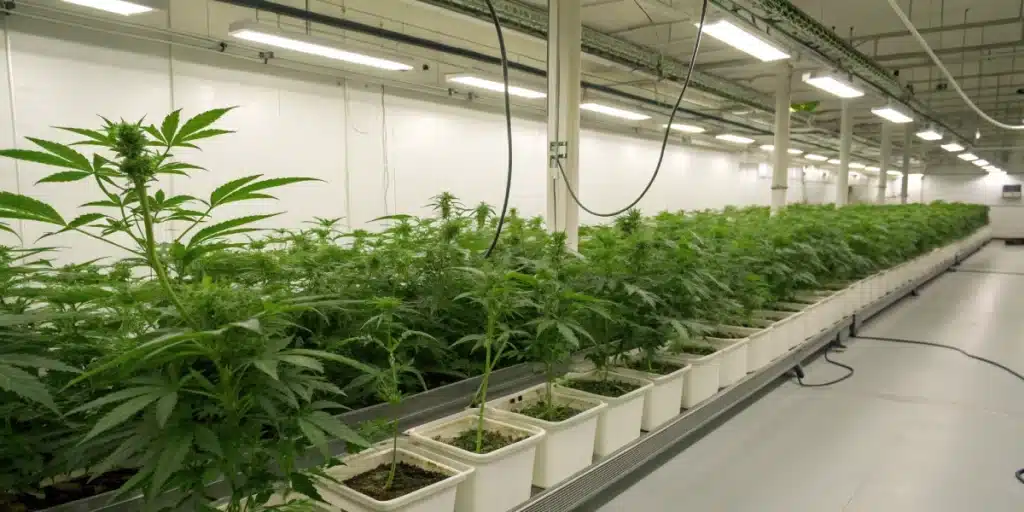
Island Sweet Skunk thrives in both indoor and outdoor environments. Indoor growers should maintain a temperature range of 70-80°F (21-27°C) with a relative humidity of 50-60%. High-quality LED lights or HPS lamps are recommended to provide the necessary light intensity for robust growth.
Outdoor cultivation requires a warm, sunny climate. The strain flourishes in regions with long, sunny days. In cooler climates, using a greenhouse can extend the growing season and protect plants from adverse weather conditions. Outdoor yields can reach up to 21-25 oz per plant (600-700 g/plant).
Environmental Requirements
Maintaining stable environmental conditions is crucial for optimal growth. Indoor growers should monitor temperature and humidity closely, using a hygrometer to ensure levels remain within the desired range. Proper ventilation is essential to prevent mold and mildew.
For outdoor growers, selecting a location with ample sunlight and well-draining soil is key. Using large containers or fabric pots can help control soil quality and root health. Supporting branches with stakes or trellises is recommended as the buds develop and become heavier.
Lighting and Nutritional Needs
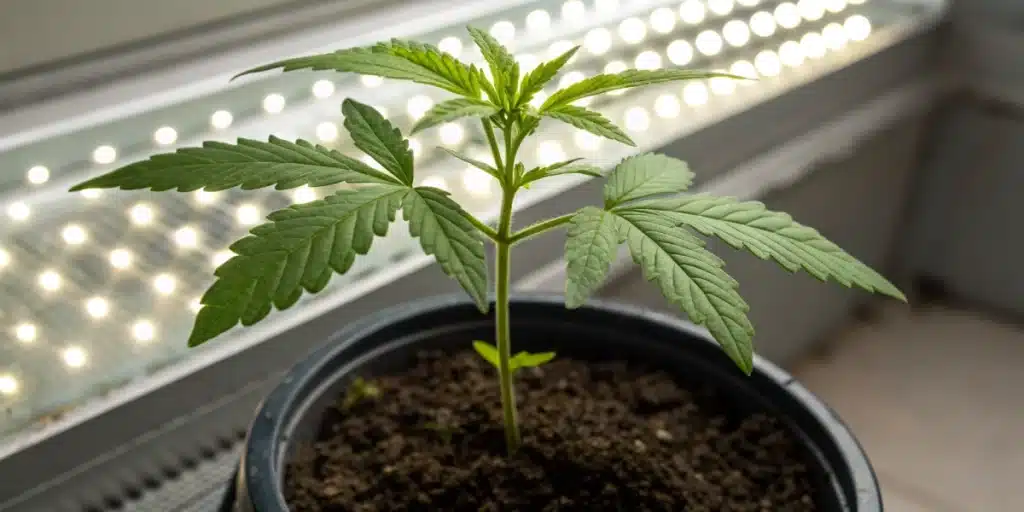
For optimal growth, Island Sweet Skunk requires a lighting schedule that mimics natural conditions. During the vegetative phase, provide 16-24 hours of high-intensity light to encourage robust growth. Transition to a strict 12/12 photoperiod during flowering to stimulate bud development.
Nutritionally, this strain thrives on a diet rich in nitrogen during the vegetative stage and high phosphorus and potassium during flowering. Maintaining a soil pH of 6.5 ensures efficient nutrient uptake, while a pH range of 5.5-6.5 is suitable for hydroponic systems.
| Feature | Island Sweet Skunk | Chocolopez | Blue Cheese |
|---|---|---|---|
| THC% | 18-23% | 18-20% | 16-20% |
| Flowering Time | 6-8 weeks | 8-10 weeks | 8-9 weeks |
| Yield (Outdoor) | 28.22 – 35.27 oz/plant | 800 – 1000 g/plant | 22.93 – 26.46 oz/plant | 650 – 750 g/plant | 21.16 oz/plant | 600 g/plant |
| Dominant Terpene | Myrcene | Linalool | Humulene |
| Effects | Creative, Euphoric, Uplifted | Happy, Relaxed, Talkative | Calming, Happy, Relaxed |
Sweet Island Skunk Seeds and Availability
Where to Buy
Sweet Island Skunk seeds are available from reputable seed banks, including Blimburn Seeds. These seeds are offered in feminized and autoflowering varieties, ensuring genetic stability and ease of cultivation. Purchasing from trusted sources guarantees the authenticity and quality of the genetics.
Blimburn Seeds provides a wide selection of cannabis seeds, including the Island Sweet Skunk strain. Their catalog includes various strains suitable for different growing environments and preferences. Explore their offerings to find the perfect match for your cultivation needs.
Seed Germination Tips
For successful germination, start by soaking the seeds in distilled water for 24-48 hours. Maintain a temperature of 70-85°F (21-29°C) in a dark, undisturbed environment. Once taproots develop, transfer the seeds to a pre-moistened growing medium, such as a seedling tray or small pots filled with light, well-draining soil.
Ensure a warm, humid environment with gentle airflow, maintaining a temperature of 75-80°F (24-27°C) and a humidity level of 60-70%. Gradually increase light intensity as the seedlings develop, avoiding intense light or heat that could cause stress or damage.
Professional Tips for Growing Island Sweet Skunk
- Maintain 58-62% RH during curing. Below 55% arrests terpene development; above 65% promotes Botrytis within 48h. Use a calibrated digital hygrometer.
- For optimal growth, provide 800-1000 µmol/m²/s light intensity during peak flowering. Insufficient light reduces yield and potency.
- Ensure a nutrient ratio of N:P:K 1:3:2 during flowering. Excess nitrogen can inhibit bud development and reduce quality.
- Monitor pH levels closely, maintaining a range of 6.0-6.5 for optimal nutrient absorption. Deviations can lead to deficiencies or toxicities.
- Use stakes or trellises to support branches as buds develop. This prevents breakage and improves airflow, reducing mold risk.
- Avoid overwatering by allowing the top inch of soil to dry before watering. Overwatering can lead to root rot and other issues.
FAQs about Island Sweet Skunk
Is island sweet skunk indica or sativa?
Island Sweet Skunk is a sativa-dominant hybrid, known for its uplifting and energizing effects. It combines the cerebral high typical of sativas with some relaxing properties associated with indicas. This balance makes it versatile for various users, offering both mental stimulation and physical relaxation.
Is island sweet skunk good?
Island Sweet Skunk is highly regarded for its potent effects and tropical flavors. With THC levels between 18-23%, it provides an uplifting experience suitable for both recreational and medicinal users. Its unique terpene profile enhances its appeal, making it a popular choice among cannabis enthusiasts.
What does sweet island Skunk taste like?
Sweet Island Skunk boasts a delightful flavor profile, dominated by sweet tropical fruits and citrus notes. The aroma is complemented by subtle skunky undertones, creating a complex and enjoyable sensory experience. Its unique taste is a result of its rich terpene profile, featuring myrcene, pinene, and caryophyllene.
How to store island sweet skunk?
Store Island Sweet Skunk in airtight glass jars at 59-70°F (15-21°C) with 58-62% RH. This preserves its aroma, flavor, and potency. Avoid exposure to light and heat, which can degrade cannabinoids and terpenes. Proper storage ensures a long shelf life and maintains quality.
Can I use island sweet skunk in edibles?
Yes, Island Sweet Skunk is suitable for edibles due to its potent THC content of 18-23%. Decarboxylate the cannabis at 220°F (104°C) for 30-45 minutes to activate THC before infusing it into oils or butters. This process ensures the psychoactive effects are preserved in the final product.